
Choose Your Language / 言語を選択:
Introduction
School Lunch and Food Safety Net — Lesson from America’s Obesity Crisis
January 24 is Japan’s “School Lunch Day.” Commemorating Japan’s first school lunch begun in Yamagata Prefecture in 1889 (Meiji 22), it was established as day wishing for children’s health. Japan’s school lunch system has become social asset attracting high international interest in recent years as “food education” model delivering nutritionally balanced meals to all children.
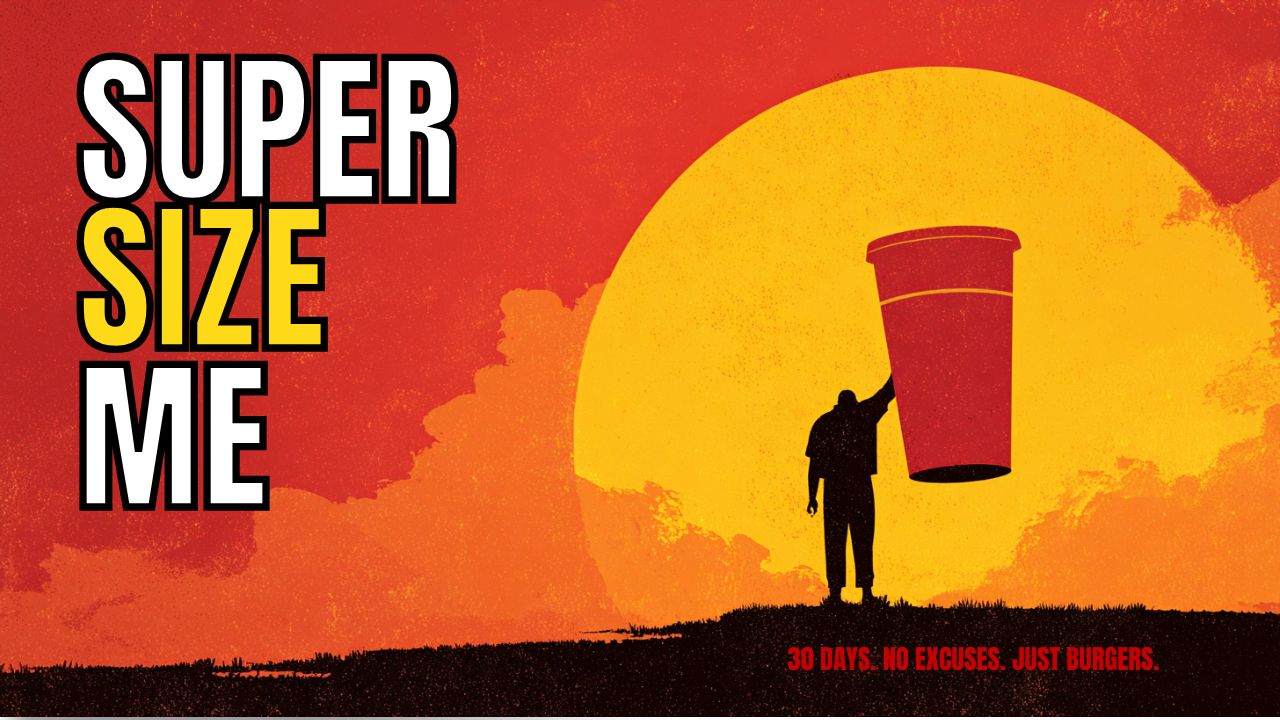
For this anniversary, we’d like to introduce Morgan Spurlock’s 2004 documentary film Super Size Me. Through radical experiment where director himself consumed only McDonald’s meals for 30 days, this work sharply denounced America’s obesity problem caused by fast food industry expansion.
At first glance, this work may seem unrelated to Japan’s school lunches, but serious food problems film depicts paradoxically highlight value of Japan’s school lunch system. Against “social structure forcing dependence on cheap, high-calorie meals” highlighted in film, Japan’s school lunches provide nutritional safety net to all children regardless of income disparity—offering one powerful answer.
Watching this film on School Lunch Day should provide opportunity to think more deeply about importance of system we take for granted daily, and role it plays in protecting children’s health.
Basic Information & Synopsis
→ For synopsis and production information, see our Database Article
Director: Morgan Spurlock
Year: 2004
Runtime: 100 minutes
Production: The Con, Kathbur Pictures
Commemorative Day: School Lunch Day (January 24)
Background Knowledge
Film Production Background and Social Impact
Super Size Me was produced with ultra-low budget of only $65,000 (approximately ¥6.5 million). Spurlock himself served as director, actor, producer, filmed with small crew—typical independent documentary.
However, social impact far exceeded production cost. In January 2004, this work premiered at Sundance Film Festival, received enthusiastic support from audience, won Documentary Directing Award. When generally released May 7 same year, became exceptional hit for documentary film, recording worldwide box office of $22 million (approximately ¥2.2 billion).
Film’s success wasn’t limited to box office performance. At 77th Academy Awards, nominated for Best Documentary Feature, received high acclaim at numerous film awards including Emmy Awards, British Academy Film Awards (BAFTA).
Lawsuit Details — Film Trigger
“Pelman v. McDonald’s lawsuit” (formal name: Pelman v. McDonald’s Corp.), direct trigger for film production, occurred in New York State in 2002.
Plaintiffs were two girls: 14-year-old Ashley Pelman and 13-year-old Jazlyn Bradley at time. They sought damages from McDonald’s Corporation, claiming frequent McDonald’s use from early childhood resulted in carrying risks of obesity, diabetes, heart disease.
Main lawsuit claims: McDonald’s doesn’t sufficiently disclose product dangers, advertising strategy targeting children is fraudulent, nutritional information inadequate and misleading.
January 2003, Judge Robert Sweet of US District Court Southern District of New York dismissed lawsuit. However, judge made important point in judgment: “If plaintiffs can prove they didn’t know McDonald’s products were dangerous, and McDonald’s intentionally concealed dangers, lawsuit could succeed.”
Reading this judgment, Spurlock conceived question: “What actually happens eating only McDonald’s continuously? Can that danger be proven?” deciding film production.
Modern Fast Food Empire
At 2004 film release, McDonald’s operated 30,000+ stores in 119 countries worldwide, serving approximately 50 million customers daily. Annual sales reached approximately $40 billion (approximately ¥4 trillion), giant corporation with employees exceeding 1.5 million.
“Super Size” History and Demise
“Super Size” becoming film title was menu option McDonald’s introduced in 1990s. Enormous size exceeding normal large size:
French fries: 198g (normal large 154g)
Soft drink: 1.2 liters (normal large approximately 700ml)
This option was part of marketing strategy staging “value feeling.” Just adding few dozen cents, calories and quantity increased significantly, many customers chose it.
However, just 6 weeks after film release in March 2004, McDonald’s suddenly announced phasing out “Super Size” option. Officially explained as “menu simplification part,” claimed “completely unrelated to film.”
However, timing coincidence seemed far from accidental, many media and consumer groups analyzed film’s social pressure changed corporate policy. This recorded as rare case where single documentary film changed giant corporation’s product strategy.
What Makes It Exceptional
Self-Sacrificial Experiment Method’s Persuasiveness
This work’s greatest strength is director himself conducting physical experiment. Not mere investigative reporting, by vividly recording Spurlock’s own weight gain, liver function deterioration, mental state changes, succeeded in visually and emotionally appealing fast food dangers.
Vomiting scenes, suffering from poor health, receiving doctor warnings—experiment process is never comfortable. However, this discomfort heightens message persuasiveness. Audience pseudo-experiences fast food dangers through Spurlock’s suffering.
Particularly effective: Spurlock himself was “ordinary person” living healthy life before experiment. Not particularly unhealthy, not carrying illness. Such healthy person dramatically loses health in just 30 days—this fact shows problem that can happen to anyone.
Scientific Data and Expert Perspectives
Film isn’t mere entertainment but emphasizes scientific backing. Three doctors and nutritionist regularly check Spurlock’s health, blood tests, liver function tests, electrocardiograms and other data clearly shown on screen.
Particularly impressive is scene where doctors, initially optimistic at experiment start, are shocked by results and recommend stopping experiment. Seriousness of health damage unpredictable even by experts substantiates fast food dangers.
By presenting medical data, this work becomes indictment based not on emotional argument but scientific evidence. This had effect making it difficult for corporate side to develop “individual responsibility” counterargument.
Sharp Critique of Social Structure
This work focuses not only on individual dietary habits but also fast food industry’s social impact. Carefully depicting structural problems like fast food served in school cafeterias, advertising strategies targeting children, “food desert” (areas where stores selling fresh ingredients don’t exist) problem in low-income areas.
Particularly important is clarifying these problems aren’t individual choice issues but social system issues. Film calmly presents reality that poor have limited healthy meal choice options, forced to depend on fast food due to time and economic constraints.
Through this perspective, this work goes beyond simple moral criticism “fast food is bad,” delving into socioeconomic background of why people are forced to choose fast food.
Balance of Humor and Entertainment Value
While handling serious theme, Spurlock skillfully weaves humor. “Anthropomorphizing” McDonald’s menu items making them converse, explaining fast food industry history through animation, sometimes making self-deprecating jokes—devices not boring audience seen throughout.
Through this entertainment value, this work became not “preachy documentary” but work enjoyable by wide audience. Particularly succeeding in attracting younger audience, could deliver social message widely.
Related Articles
- Super Size Me Database – Synopsis & Production Details
- Morgan Spurlock – Filmmaker Profile
はじめに
学校給食と食のセーフティネット——アメリカの肥満危機から学ぶ教訓
1月24日は、日本の「学校給食記念日」です。1889年(明治22年)に山形県で始まった日本初の給食にちなみ、子どもたちの健康を願う日として制定されました。日本の給食制度は、栄養バランスの取れた食事をすべての子どもに届ける「食育」のモデルとして、近年では国際的にも高い関心を集める社会的資産となっています。
この記念日にあわせてご紹介したいのが、モーガン・スパーロック監督による2004年のドキュメンタリー映画『スーパーサイズ・ミー』です。監督自らが30日間マクドナルドの食事のみを摂り続けるという過激な実験を通じ、ファストフード産業の拡大が招いた米国社会の肥満問題を鋭く告発した作品です。
一見、日本の給食とは無縁に思える本作ですが、実は映画が描く深刻な食の問題は、日本の給食制度が持つ価値を逆説的に浮き彫りにしています。映画で浮き彫りになる「安価で高カロリーな食事に依存せざるを得ない社会構造」に対し、日本の給食は所得の差に関わらずすべての子どもに栄養のセーフティネットを提供する、一つの有力な回答といえるからです。
学校給食記念日にこの映画を観ることで、私たちが日頃当たり前のように享受している制度の重要性と、それが子どもたちの健康を守るために果たしている役割を、より深く考えるきっかけになるはずです。
基本情報・あらすじ
→ あらすじや製作情報はデータベース記事へ
監督: モーガン・スパーロック
製作年: 2004年
上映時間: 100分
制作: ザ・コン、キャスバー・ピクチャーズ
記念日: 学校給食記念日(1月24日)
予備知識
映画制作の背景と社会的インパクト
『スーパーサイズ・ミー』は、わずか**65,000ドル(約650万円)**という超低予算で制作されました。スパーロック自身が監督、出演、プロデューサーを兼ね、小規模なクルーで撮影された典型的なインディペンデント・ドキュメンタリーです。
しかし、その社会的インパクトは製作費をはるかに超えるものでした。2004年1月、サンダンス映画祭でプレミア上映された本作は、観客から熱狂的な支持を受け、ドキュメンタリー部門の監督賞を受賞します。同年5月7日に一般公開されると、ドキュメンタリー映画としては異例の大ヒットとなり、全世界で**2,200万ドル(約22億円)**の興行収入を記録しました。
映画の成功は興行成績だけにとどまりませんでした。第77回アカデミー賞では長編ドキュメンタリー賞にノミネートされ、エミー賞、英国アカデミー賞(BAFTA)など、数々の映画賞で高い評価を受けました。
訴訟事件の詳細――映画のきっかけ
映画制作の直接的なきっかけとなった「Pelman対マクドナルド訴訟」(正式名称:Pelman v. McDonald’s Corp.)は、2002年にニューヨーク州で起こりました。
原告は、当時14歳のアシュリー・ペルマンと13歳のジャズリン・ブラッドリーの2人の少女でした。彼女たちは、幼少期から頻繁にマクドナルドを利用した結果、肥満、糖尿病、心臓病のリスクを抱えることになったとして、マクドナルド社に損害賠償を求めました。
訴訟の主な主張は以下の通りでした:マクドナルドは製品の危険性を十分に開示していない、子どもをターゲットにした広告戦略は詐欺的である、栄養情報が不十分で誤解を招く。
2003年1月、ニューヨーク南部地区連邦地方裁判所のロバート・スウィート判事は、訴訟を棄却しました。しかし、判決文の中で判事は重要な指摘を行います:「もし原告が、マクドナルドの製品が危険であることを知らなかったこと、そしてマクドナルドがその危険性を意図的に隠蔽したことを証明できれば、訴訟は成立する可能性がある」
この判決文を読んだスパーロックは、「では、実際にマクドナルドだけを食べ続けたらどうなるのか? その危険性は証明できるのか?」という疑問を抱き、映画制作を決意したのです。
現代のファストフード帝国
映画公開時の2004年、マクドナルドは世界119カ国に30,000店舗以上を展開し、1日に約5,000万人の顧客にサービスを提供していました。年間売上高は約400億ドル(約4兆円)に達し、従業員数は150万人を超える巨大企業でした。
「スーパーサイズ」の歴史と終焉
映画のタイトルにもなった「スーパーサイズ」は、1990年代にマクドナルドが導入したメニューオプションです。通常のラージサイズをさらに上回る巨大なサイズで:
フライドポテト:198g(通常のラージは154g)
ソフトドリンク:1.2リットル(通常のラージは約700ml)
このオプションは、「お得感」を演出するマーケティング戦略の一環でした。わずか数十セント追加するだけで、カロリーと量が大幅に増えるため、多くの顧客が選択しました。
しかし、映画が公開されてわずか6週間後の2004年3月、マクドナルドは突然「スーパーサイズ」オプションの段階的廃止を発表します。公式には「メニュー簡素化の一環」と説明され、「映画とは一切関係ない」と主張されました。
しかし、タイミングの一致は偶然とは思えず、多くのメディアと消費者団体は、映画の社会的圧力が企業方針を変えたと分析しました。これは、一本のドキュメンタリー映画が巨大企業の商品戦略を変更させた、稀有な事例として記録されています。
優れている点
自己犠牲的な実験手法の説得力
本作の最大の優れた点は、監督自身が身体を張って実験を行ったことです。単なる調査報道ではなく、スパーロック自身の体重増加、肝機能の悪化、精神状態の変化を生々しく記録することで、ファストフードの危険性を視覚的に、そして感情的に訴えることに成功しています。
嘔吐する姿、体調不良に苦しむ様子、医師から警告を受ける場面など、実験の過程は決して快適なものではありません。しかし、この不快さこそが、メッセージの説得力を高めています。観客は、スパーロックの苦しみを通じて、ファストフードの危険性を疑似体験するのです。
特に効果的なのは、スパーロック自身が実験前には健康的な生活を送っていた「普通の人」であるという点です。特別に不健康だったわけでも、病気を抱えていたわけでもない。そんな健康な人間が、たった30日間で劇的に健康を損なう――この事実が、誰にでも起こりうる問題であることを示しています。
科学的データと専門家の視点
映画は単なるエンターテイメントではなく、科学的な裏付けを重視しています。3人の医師と栄養士が定期的にスパーロックの健康状態をチェックし、血液検査、肝機能検査、心電図などのデータが画面に明確に示されます。
特に印象的なのは、医師たちが実験開始時には楽観的だったにもかかわらず、結果に驚愕し、実験中止を勧告する場面です。専門家ですら予測できなかった健康被害の深刻さが、ファストフードの危険性を裏付けています。
医学的なデータの提示により、本作は感情論ではなく、科学的根拠に基づいた告発となっています。これは、企業側が「個人の責任」という反論を展開することを困難にする効果がありました。
社会構造への鋭い切り込み
本作は個人の食生活だけでなく、ファストフード産業の社会的影響にも焦点を当てています。学校のカフェテリアでファストフードが提供される様子、子どもをターゲットにした広告戦略、低所得地域における「フード・デザート」(新鮮な食材を購入できる店がない地域)問題など、構造的な問題を丁寧に描き出しています。
特に重要なのは、これらの問題が個人の選択の問題ではなく、社会システムの問題であることを明確にしている点です。貧困層には健康的な食事を選ぶ選択肢が限られており、時間的・経済的制約からファストフードに依存せざるを得ないという現実を、映画は冷静に提示しています。
この視点により、本作は単なる「ファストフードは悪い」という単純な道徳的批判を超えて、なぜ人々がファストフードを選ばざるを得ないのか、という社会経済的な背景まで掘り下げています。
ユーモアとエンターテイメント性のバランス
深刻なテーマを扱いながらも、スパーロックは巧みにユーモアを織り交ぜています。マクドナルドのメニューを「擬人化」して会話させたり、ファストフード業界の歴史をアニメーションで説明したり、時には自虐的なジョークを飛ばしたりと、観客を飽きさせない工夫が随所に見られます。
このエンターテイメント性により、本作は「説教臭いドキュメンタリー」ではなく、幅広い観客が楽しめる作品となっています。特に若年層の観客を引き付けることに成功し、社会的メッセージを広範囲に届けることができました。
関連記事
- Super Size Me データベース – あらすじ・製作情報
- モーガン・スパーロック – 監督プロフィール