Choose Your Language / 言語を選択:
Introduction
Art’s Power to Inspire Hearts — Dream Pursuers’ Beautiful Sacrifice
January 31 is commemorative day known as “Inspire Your Heart with Art Day.” This day considers art’s impact on our hearts, promoted by various art organizations as special day celebrating life-changing power held by all art forms: painting, music, theater, film.
Art has existed since human civilization’s beginning. Oldest human-made art works discovered by archaeologists date back to Stone Age. Over thousands of years, art continued evolving, developing into diverse forms: visual arts, performing arts, literature, film. Art seemingly lacking practical value is actually means of expressing our imagination and creativity, satisfying fundamental desire for harmony and balance, becoming communication bridge transcending language barriers.
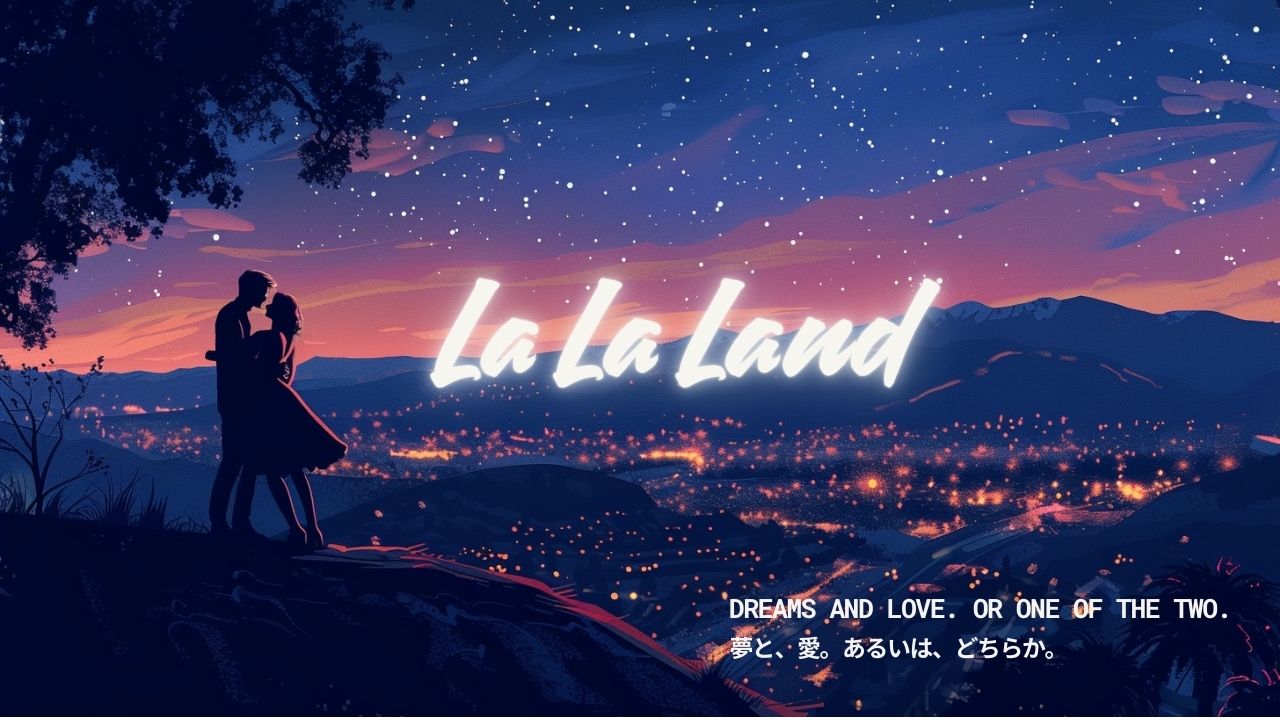
For this special day, Damien Chazelle’s 2016 La La Land comes highly recommended. This work, through story of two artists pursuing dreams in Los Angeles—jazz pianist Sebastian and aspiring actress Mia—falling in love, questions passion for art, beauty and cost of pursuing dreams, meaning of living creative life—moving musical film.
Reason this work perfectly matches “Inspire Your Heart with Art Day” is clear. La La Land is not single art form but work fusing multiple arts: jazz music, dance, acting, filmmaking. Sebastian’s jazz passion, Mia’s acting dedication, romance and dreams they create together—all embody art’s “power to inspire hearts.”
Chazelle himself required 6 years to realize this film. Rejected many times, asked to compromise, yet protecting his artistic vision, achieved feat of 14 Academy Award nominations (tying all-time record), 6 wins. This production process itself tells difficulty and beauty of living as artist.
At January’s end when many welcome new year, make new resolutions and goals, this film asks us: “Won’t you challenge artistic something your heart truly seeks this year?” Sebastian and Mia’s story depicts joy and pain of pursuing dreams, success and sacrifice, power of art making life meaningful—through breathtakingly beautiful imagery and music.
Basic Information & Synopsis
→ For synopsis and production information, see our Database Article
Director: Damien Chazelle
Year: 2016
Runtime: 128 minutes
Production: Summit Entertainment, Black Label Media
Commemorative Day: Inspire Your Heart with Art Day (January 31)
Background Knowledge
Production Background: 6-Year Patience and Passion Crystallization
Director Damien Chazelle wrote La La Land screenplay in 2010, age only 25. At time, film industry was “unreachable world” for him. With Harvard classmate composer Justin Hurwitz, nurtured this concept. Two produced low-budget jazz musical Guy and Madeline on a Park Bench as senior thesis during student days, becoming La La Land prototype.
Chazelle was drummer, inclined toward musical films. La La Land idea was born as city tribute, influenced by 1920s “city symphony” films—Manhatta (1921), Man with a Movie Camera (1929).
Interestingly, initially this story planned Boston as setting, not Los Angeles. However, after two moved to Los Angeles in 2010, changed setting, deciding to incorporate LA’s unique charm—traffic jams, sprawl, skyline. Chazelle stated: “Rather than trying to make LA match Paris or San Francisco’s charm, focused on qualities making this city unique.”
Film’s style and tone strongly influenced by Jacques Demy’s The Umbrellas of Cherbourg and The Young Girls of Rochefort, especially latter. Also sprinkled with visual homages to Hollywood classic musicals like Singin’ in the Rain, The Band Wagon, An American in Paris. Chazelle stated about An American in Paris: “That’s film we pillaged. Wonderful example showing how bold old musicals were.”
Difficult Path to Realization
However, realizing this screenplay wasn’t easy. For many years, no studio would fund this project. Reason was clear—original contemporary musical with no familiar songs. Furthermore, it was jazz musical—what Hollywood Reporter called “extinct genre.” For then-unknown Chazelle and Hurwitz, this was major wall.
Focus Features showed interest with $1 million budget but demanded major changes: changing protagonist from jazz pianist to rock musician, changing complex opening number, abandoning bittersweet ending. Chazelle refused, shelved project. He chose protecting his vision’s integrity over obtaining filmmaking chance through compromise.
So Chazelle changed direction, deciding to produce more realizable work Whiplash. In 2014, when Whiplash received high acclaim at Sundance Film Festival, subsequently nominated for 5 Academy Awards, earning nearly $50 million worldwide from $3.3 million production cost, situation changed completely.
One year after Whiplash success, Summit Entertainment and Black Label Media, plus producer Marc Platt agreed to invest and distribute La La Land. Important point: this time Chazelle could make film on his terms. No script change requests. His vision was respected.
Casting Changes
Initially, Miles Teller and Emma Watson were scheduled for leads. However, Watson prioritized Disney’s Beauty and the Beast live-action version, Teller dropped out after prolonged contract negotiations. Result: Ryan Gosling and Emma Stone were cast.
Ironically, Gosling had declined Beast role in Beauty and the Beast to choose La La Land. Chazelle called them “closest to old Hollywood couple in modern times,” comparing to Spencer Tracy and Katharine Hepburn, Fred Astaire and Ginger Rogers.
Chazelle, by casting older actors, could depict characters not as young newcomers but as experienced artists beginning to tire of pursuing dreams. Stone actually moved to Hollywood at 15, spent 1 year barely getting audition opportunities. Gosling also had humiliating experience where casting director talked on phone about lunch plans during his emotional acting audition. These real experiences add depth to film’s reality.
Film was shot in 40 days from August to September 2015. Shooting occurred at 60+ Los Angeles locations—Angels Flight trolley, Hollywood Hills residence, Colorado Street Bridge, Griffith Observatory, Warner Brothers studio lot, etc.
Film Philosophy: Contrast with Whiplash
Interestingly, La La Land shares many character developments and themes with Whiplash. Chazelle himself stated: “Both are works about artist anguish, harmonizing dreams with being human necessity. La La Land just isn’t so angry about it.”
Both works reflect Chazelle’s own experience climbing Hollywood ladder. La La Land particularly inspired by his own experience moving to LA from East Coast—having preconception that LA was “just strip malls and highways.”
What Makes It Exceptional
Visual Expression Beyond Dialogue: Return to Silent Film Tradition
One of La La Land‘s finest points is expressive power telling story through imagery and music, minimizing words. Chazelle insisted on shooting musical numbers “head to toe” in one take, like 1930s Fred Astaire and Ginger Rogers works.
This choice isn’t mere stylistic preference. When cuts occur, audience momentarily returns to reality. However, one-take dance scenes maintain time and space continuity, completely drawing audience into scene.
Opening highway scene is perfect example of this technique. Camera flows smoothly from car to car, capturing 100+ dancers. Audience knows this massive choreography is actually happening. It’s genuine performance not cheated with CGI or cuts. To shoot this 6-minute scene, part of I-105 and I-110 interchange overpass was blocked for 2 days, filming occurred at 100 feet (approximately 30 meters) height.
“A Lovely Night” scene similar. In 6-minute one-take, their dance, conversation, song flow seamlessly. Needing to shoot during brief “magic hour” twilight, this scene took 8 takes, 2 days to complete. When Gosling and Stone performed perfectly, entire staff reportedly cheered.
Stone stumbled on bench backrest but immediately recovered, continuing performance. Chazelle didn’t mind such mistakes. Rather, he believed they added human reality. Gosling and Stone aren’t professional dancers, but precisely therefore, it becomes “dance where effort and passion are felt” that audience can empathize with.
Ryan Gosling and Emma Stone’s Dedicated Performance
Gosling and Stone underwent 3-4 months intensive training for roles. Gosling, never having played piano before, practiced piano daily. He personally performed all film piano scenes, no hand doubles used. This dedication gives on-screen performance authenticity. Audience can sense he’s truly playing piano.
Stone only learned pom-pom dance and ballet for 1 year as child, wasn’t professional dancer. Choreographer Mandy Moore took approach emphasizing emotion over technique, particularly important for Stone.
Both poured own experiences into roles. Stone moved to Hollywood at 15, spent 1 year barely getting audition opportunities. Film scene where Mia performs emotional monologue while casting director answers phone is based on humiliation Gosling actually experienced.
Chazelle calls them “closest to old Hollywood couple in modern times.” This work, third collaboration after Crazy, Stupid, Love (2011), Gangster Squad (2013), their chemistry perfectly demonstrated.
In 2024, Gosling recalled shooting “A Lovely Night” scene, stated wanting to correct his hand position in still image used for marketing: “That was killing energy…what was it heading toward? Lazy…I call that ‘La La Hand.’” This statement shows how deeply Gosling was involved in this work.
Celluloid Film Shooting: Fusion of Classic Texture and Modern Sensibility
In digital-dominated era, Chazelle intentionally chose shooting on 35mm film. This choice isn’t mere nostalgia. Film has unique texture and color depth unreproducible by digital.
Chazelle aimed to recreate with animation 70mm film texture held by 1950s-60s SF films—barrel distortion, lens flare, rack focus.
Particularly, widescreen shooting using Panavision anamorphic lenses recreates 1950s musicals’ grandeur. CinemaScope (2.55:1 aspect ratio) was ideal for capturing Los Angeles’s vast landscape. Highways, hilly areas, city skyline—all maximally utilized by widescreen.
Cinematographer Linus Sandgren’s achievement cannot be overlooked. He invited renowned cinematographer Roger Deakins known for Blade Runner, 007 Skyfall as visual consultant, pursuing lighting naturalness and reality. Result: film acquired unique visual language where nostalgia and freshness feel simultaneous.
Justin Hurwitz’s Heart-Moving Songs
Justin Hurwitz’s music is La La Land‘s soul. He and Chazelle are Harvard classmates, longtime collaborators. This deep relationship produces perfect harmony between music and imagery.
“Another Day of Sun” expresses hope and determination of people coming to LA pursuing dreams. “Someone in the Crowd” captures young dreamers’ energy and ambition. “Mia & Sebastian’s Theme” appears in various forms throughout film, becoming leitmotif of their relationship.
“City of Stars” is film’s most iconic song, won Academy Award for Best Original Song. “City of stars / Are you shining just for me?” line captures question all dream pursuers hold.
Climax “Audition (The Fools Who Dream)” is deep meditation on meaning of being artist. “Here’s to the ones who dream / Foolish as they may seem / Here’s to the hearts that ache / Here’s to the mess we make”—these lines capture artist life essence.
Epilogue music is 5-minute masterpiece integrating all film themes. Here, Hurwitz revisits, reconstructs motifs from entire film. This music tells “life that might have been” story with almost no dialogue.
Lyrics are by Benj Pasek and Justin Paul (except “Start a Fire”). Their lyrics are concrete yet universal, having literary quality while never overly complex. Rather, direct and emotionally honest.
Related Articles
- La La Land Database – Synopsis & Production Details
- Damien Chazelle – Filmmaker Profile
はじめに
芸術が心を鼓舞する力——夢を追う者たちの美しき犠牲
1月31日は、「Inspire Your Heart with Art Day(芸術であなたの心を鼓舞する日)」として知られる記念日です。この日は、芸術が私たちの心に与える影響を考え、絵画、音楽、演劇、映画など、あらゆる芸術形式が持つ人生を変える力を讃える特別な日として、様々な芸術団体によって推進されています。
芸術は人類文明の始まりから存在してきました。考古学者が発見した最古の人間による芸術作品は石器時代にまで遡ります。何千年もの時を経て、芸術は進化し続け、視覚芸術、舞台芸術、文学、映画など多様な形式へと発展してきました。芸術は実用的価値を持たないようでいて、実は私たちの想像力と創造性を表現する手段であり、調和とバランスへの基本的欲求を満たし、言語の壁を越えるコミュニケーションの架け橋となっています。
この特別な日に観るべき作品として、ダミアン・チャゼル監督が2016年に制作した『ラ・ラ・ランド』(La La Land)を強く推奨します。本作は、ロサンゼルスで夢を追う二人の芸術家——ジャズピアニストのセバスチャンと女優志望のミア——が恋に落ちる物語を通じて、芸術への情熱、夢を追うことの美しさと代償、そして創造的な人生を生きることの意味を問いかける感動的なミュージカル映画です。
本作が「Inspire Your Heart with Art Day」に完璧にマッチする理由は明確です。『ラ・ラ・ランド』は単一の芸術形式ではなく、ジャズ音楽、ダンス、演技、そして映画製作という複数の芸術が融合した作品だからです。セバスチャンのジャズへの情熱、ミアの演技への献身、そして二人が共に創り出すロマンスと夢——すべてが芸術の持つ「心を鼓舞する力」を体現しています。
チャゼル監督自身が、この映画を実現するまでに6年間の歳月を要しました。何度も拒絶され、妥協を求められながらも、自分の芸術的ビジョンを守り続けた結果、アカデミー賞14部門ノミネート(史上最多タイ記録)、6部門受賞という偉業を成し遂げました。この製作過程そのものが、芸術家として生きることの困難さと美しさを物語っています。
新年を迎え、多くの人々が新しい決意や目標を立てる1月の終わりに、この映画は私たちに問いかけます。「あなたの心が本当に求める芸術的な何かに、今年こそ挑戦してみないか」と。セバスチャンとミアの物語は、夢を追うことの喜びと痛み、成功と犠牲、そして芸術が人生を意味あるものにする力を、息をのむほど美しい映像と音楽で描き出します。
基本情報・あらすじ
→ あらすじや製作情報はデータベース記事へ
監督: ダミアン・チャゼル
製作年: 2016年
上映時間: 128分
制作: サミット・エンターテインメント、ブラック・レーベル・メディア
記念日: Inspire Your Heart with Art Day(1月31日)
予備知識
制作背景:6年間の忍耐と情熱の結晶
ダミアン・チャゼル監督が『ラ・ラ・ランド』の脚本を書いたのは2010年、わずか25歳の時でした。当時、彼にとって映画業界は「手の届かない世界」でした。ハーバード大学時代の同級生で作曲家のジャスティン・ハーウィッツと共に、この構想を温めていました。二人は学生時代、卒業論文として『Guy and Madeline on a Park Bench』という低予算のジャズミュージカルを制作しており、これが『ラ・ラ・ランド』の原型となりました。
チャゼルはドラマーであり、ミュージカル映画への傾倒がありました。『ラ・ラ・ランド』のアイデアは、1920年代の「都市交響楽」映画——『マンハッタ』(1921)や『カメラを持った男』(1929)——に影響を受けた、都市への讃歌として生まれました。
興味深いことに、当初この物語はロサンゼルスではなくボストンを舞台にする予定でした。しかし、2010年に二人がロサンゼルスに移住してからは、舞台を変更し、LAという街が持つ独特の魅力——渋滞、広がり、スカイライン——を取り入れることにしました。チャゼルは「LAをパリやサンフランシスコの魅力に合わせようとするのではなく、この街を独特にしている特質に焦点を当てた」と語っています。
映画のスタイルとトーンは、ジャック・ドゥミの『シェルブールの雨傘』と『ロシュフォールの恋人たち』、特に後者からの影響を強く受けています。また、『雨に唄えば』、『バンドワゴン』、『巴里のアメリカ人』などのハリウッド古典ミュージカルへの視覚的オマージュも随所に散りばめられています。チャゼルは『巴里のアメリカ人』について「それは私たちが略奪した映画だ。古いミュージカルがいかに大胆だったかを示す素晴らしい例だ」と語っています。
実現までの困難な道のり
しかし、この脚本を実現するのは容易ではありませんでした。何年もの間、どのスタジオもこのプロジェクトに資金を出そうとしませんでした。理由は明快でした——オリジナルの現代ミュージカルで、誰もが知っている曲がない。さらに、それはジャズミュージカル——ハリウッド・リポーターが「絶滅したジャンル」と呼んだもの——だったのです。当時無名だったチャゼルとハーウィッツにとって、これは大きな壁でした。
フォーカス・フィーチャーズが100万ドルの予算で興味を示しましたが、大幅な変更を要求しました。主人公をジャズピアニストからロックミュージシャンに変更すること、複雑なオープニングナンバーを変更すること、そしてビタースイートなエンディングを捨てること。チャゼルは拒否し、プロジェクトを棚上げしました。彼は妥協することで映画化のチャンスを得るよりも、自分のビジョンの完全性を守ることを選んだのです。
そこでチャゼルは方向を変え、より実現しやすい作品『セッション』を製作することにしました。2014年、『セッション』がサンダンス映画祭で高い評価を受け、その後アカデミー賞で5部門にノミネートされ、330万ドルの製作費で世界中で5000万ドル近くを稼ぎ出すと、状況は一変しました。
『セッション』の成功から1年後、サミット・エンタテインメントとブラック・レーベル・メディア、そしてプロデューサーのマーク・プラットが『ラ・ラ・ランド』への投資と配給に同意しました。重要なのは、今度はチャゼルが自分の条件で映画を作れたということです。脚本への変更要求はありませんでした。彼のビジョンは尊重されました。
キャスティングの変遷
当初、マイルズ・テラーとエマ・ワトソンが主役に予定されていました。しかし、ワトソンはディズニーの『美女と野獣』実写版への出演を優先し、テラーは契約交渉が長引いた末に降板しました。結果として、ライアン・ゴズリングとエマ・ストーンがキャスティングされました。
皮肉なことに、ゴズリングは『ラ・ラ・ランド』を選ぶために『美女と野獣』の野獣役を断っていました。チャゼルは、二人を「現代において最も古きハリウッドのカップルに近い存在」と評し、スペンサー・トレイシーとキャサリン・ヘプバーン、フレッド・アステアとジンジャー・ロジャースになぞらえました。
チャゼルは、年齢の高い俳優を起用することで、キャラクターを若い新人ではなく、夢を追い続けることに疲れ始めた経験豊富な芸術家として描くことができました。ストーンは実際に15歳でハリウッドに移り、1年間ほとんどオーディションすら受けられなかった経験を持ちます。ゴズリングも、オーディションで感情的な演技をしている最中に、キャスティング・ディレクターが昼食の予定について電話で話していたという屈辱的な経験を持っていました。これらの実体験が、映画のリアリティに深みを加えています。
映画は2015年8月から9月にかけて40日間で撮影されました。ロサンゼルスの60以上のロケーション——エンジェルス・フライトのトロリー、ハリウッド・ヒルズの住宅、コロラド・ストリート・ブリッジ、グリフィス天文台、ワーナー・ブラザーズのスタジオロットなど——で撮影が行われました。
映画の哲学:『セッション』との対比
興味深いことに、『ラ・ラ・ランド』は『セッション』と多くのキャラクター発展とテーマを共有しています。チャゼル自身が語っています。「両方とも、芸術家であることの苦悩と、夢と人間であることの必要性を調和させることについての作品です。『ラ・ラ・ランド』は、それについてずっと怒っていないだけです」。
両作品とも、チャゼル自身のハリウッド階段を登る経験を反映しています。『ラ・ラ・ランド』は特に、東海岸からLAに移住したときの彼自身の経験——LAは「すべてストリップモールと高速道路だけ」という先入観を持っていた——に触発されています。
優れている点
セリフを超えた映像表現:無声映画の伝統への回帰
『ラ・ラ・ランド』の最も優れた点の一つは、言葉を最小限に抑え、映像と音楽で物語る表現力です。チャゼルは1930年代のフレッド・アステアとジンジャー・ロジャースの作品のように、ミュージカルナンバーを「頭からつま先まで」1テイクで撮影することにこだわりました。
この選択は、単なるスタイル上の好みではありません。カットが入ると、観客は一瞬現実に引き戻されます。しかし、ワンテイクのダンスシーンは、時間と空間の連続性を維持し、観客を完全に場面の中に引き込むのです。
オープニングの高速道路シーンは、この技法の完璧な例です。カメラは車から車へと流れるように移動し、100人以上のダンサーを捉えます。観客は、この巨大な振り付けが実際に起こっていることを知っています。それは、CGIやカットでごまかされていない、本物のパフォーマンスです。この6分間のシーンを撮影するために、I-105とI-110の交差点の高架道路の一部を2日間封鎖し、地上100フィート(約30メートル)の高さで撮影が行われました。
「A Lovely Night」のシーンも同様です。6分間のワンテイクで、二人のダンス、会話、歌がシームレスに流れます。夕暮れ時の短い「マジックアワー」に撮影する必要があり、このシーンを完成させるのに8テイク、2日間かかりました。ゴズリングとストーンが完璧に演じきった瞬間、スタッフ全員が歓声を上げたといいます。
ストーンはベンチの背もたれにつまずきましたが、すぐに立ち直って演技を続けました。チャゼルはこうしたミスを気にしませんでした。むしろ、それが人間的なリアリティを加えていると考えたのです。ゴズリングとストーンはプロのダンサーではありませんが、だからこそ、観客が共感できる「努力と情熱が感じられるダンス」になっています。
ライアン・ゴズリングとエマ・ストーンの献身的なパフォーマンス
ゴズリングとストーンは、役のために3〜4ヶ月間、集中的なトレーニングを受けました。ゴズリングは、これまでピアノを弾いたことがなかったにもかかわらず、毎日ピアノの練習をしました。映画のすべてのピアノシーンを自分で演奏しており、手の替え玉は使われていません。この献身は、スクリーン上でのパフォーマンスに真正性を与えています。観客は、彼が本当にピアノを弾いていることを感じ取ることができます。
ストーンは子供の頃にポムダンスとバレエを1年間学んだだけで、プロのダンサーではありませんでした。振付師マンディ・ムーアは技術よりも感情を重視するアプローチを取り、これがストーンにとって特に重要でした。
二人とも、自分自身の経験を役に注ぎ込んでいます。ストーンは15歳でハリウッドに移住し、1年間ほとんどオーディションの機会さえ得られませんでした。映画の中で、ミアが感情的なモノローグを演じている最中にキャスティング・ディレクターが電話に出るシーンは、実際にゴズリングが経験した屈辱に基づいています。
チャゼルは二人について、「現代において最も古きハリウッドのカップルに近い存在」と評しています。『Crazy, Stupid, Love』(2011年)、『Gangster Squad』(2013年)に続く3度目の共演となった本作で、二人の相性は完璧に発揮されています。
2024年、ゴズリングは「A Lovely Night」のシーンの撮影を振り返り、マーケティングで使われた静止画での自分の手の位置を修正したいと語っています。「あれはエネルギーを殺していた…何に向かっていたのか? 怠惰な…私はあれを『La La Hand(ラ・ラ・ハンド)』と呼んでいる」。この発言は、ゴズリングがこの作品にいかに深く関わっていたかを示しています。
セルロイドフィルム撮影:古典的質感と現代的感性の融合
デジタル撮影が主流の時代に、チャゼルは意図的に35mmフィルムで撮影することを選びました。この選択は、単なる懐古主義ではありません。フィルムは、デジタルでは再現できない独特のテクスチャーと色彩の深みを持っています。
チャゼルは1950〜60年代のSF映画が持つ70mmフィルムの風合い——バレル・ディストーション(樽型歪み)、レンズフレア、ラックフォーカス(焦点の移動)——をアニメーションで再現することを目指しました。
特に、パナビジョンのアナモルフィックレンズを使用したワイドスクリーン撮影は、1950年代のミュージカルの壮大さを再現しています。CinemaScope(2.55:1のアスペクト比)は、ロサンゼルスの広大な景観を捉えるのに理想的でした。高速道路、丘陵地帯、都市のスカイライン——これらすべてが、ワイドスクリーンによって最大限に活かされています。
撮影監督リヌス・サンドグレンの功績も見逃せません。彼は『ブレードランナー』『007 スカイフォール』で知られる名撮影監督ロジャー・ディーキンスを視覚コンサルタントとして招き、照明の自然さとリアリティを追求しました。結果として、映画は懐かしさと新鮮さが同時に感じられる独特の視覚言語を獲得しています。
ジャスティン・ハーウィッツの心を揺さぶる楽曲
ジャスティン・ハーウィッツの音楽は、『ラ・ラ・ランド』の魂です。彼とチャゼルはハーバード大学の同級生で、長年のコラボレーターです。この深い関係が、音楽と映像の完璧な調和を生み出しています。
「Another Day of Sun」は、LAに夢を追ってやってきた人々の希望と決意を表現しています。「Someone in the Crowd」は、若い夢追い人たちのエネルギーと野心を捉えています。
「Mia & Sebastian’s Theme」は、映画全体を通じて様々な形で現れる器楽曲で、二人の関係のライトモチーフとなっています。
「City of Stars」は、映画で最も象徴的な曲であり、アカデミー賞の最優秀歌曲賞を受賞しました。「City of stars / Are you shining just for me?(星の街 / 君は僕だけのために輝いているのか?)」というラインは、すべての夢追い人が抱く疑問を捉えています。
クライマックスの「Audition (The Fools Who Dream)」は、芸術家であることの意味についての深い瞑想です。「Here’s to the ones who dream / Foolish as they may seem / Here’s to the hearts that ache / Here’s to the mess we make(夢見る者たちに乾杯 / どんなに愚かに見えても / 痛む心に乾杯 / 私たちが作る混乱に乾杯)」——これらのラインは、芸術家の人生の本質を捉えています。
エピローグの音楽は、映画のすべてのテーマを統合する、5分間の傑作です。ここで、ハーウィッツは映画全体からのモチーフを再訪し、再構築します。この音楽は、ほとんど台詞なしで、「ありえたかもしれない人生」の物語を語ります。
歌詞は、ベンジ・パセクとジャスティン・ポールによるものです(「Start a Fire」を除く)。彼らの歌詞は、具体的でありながら普遍的で、文学的な質を持ちながら、決して過度に複雑ではありません。むしろ、直接的で感情的に正直です。
関連記事
- La La Land データベース – あらすじ・製作情報
- ダミアン・チャゼル – 監督プロフィール