
Basic Info / 基本情報
| English | 日本語 |
|---|---|
| Director | Darren Aronofsky / ダーレン・アロノフスキー |
| Year | 2008 |
| Running Time | 109 min (1h 49m) |
| Genre | Sports Drama, Tragedy / スポーツドラマ、悲劇 |
| Production | Protozoa Pictures, Wild Bunch, Saturn Films |
| Box Office | $44.7 million (Worldwide) |
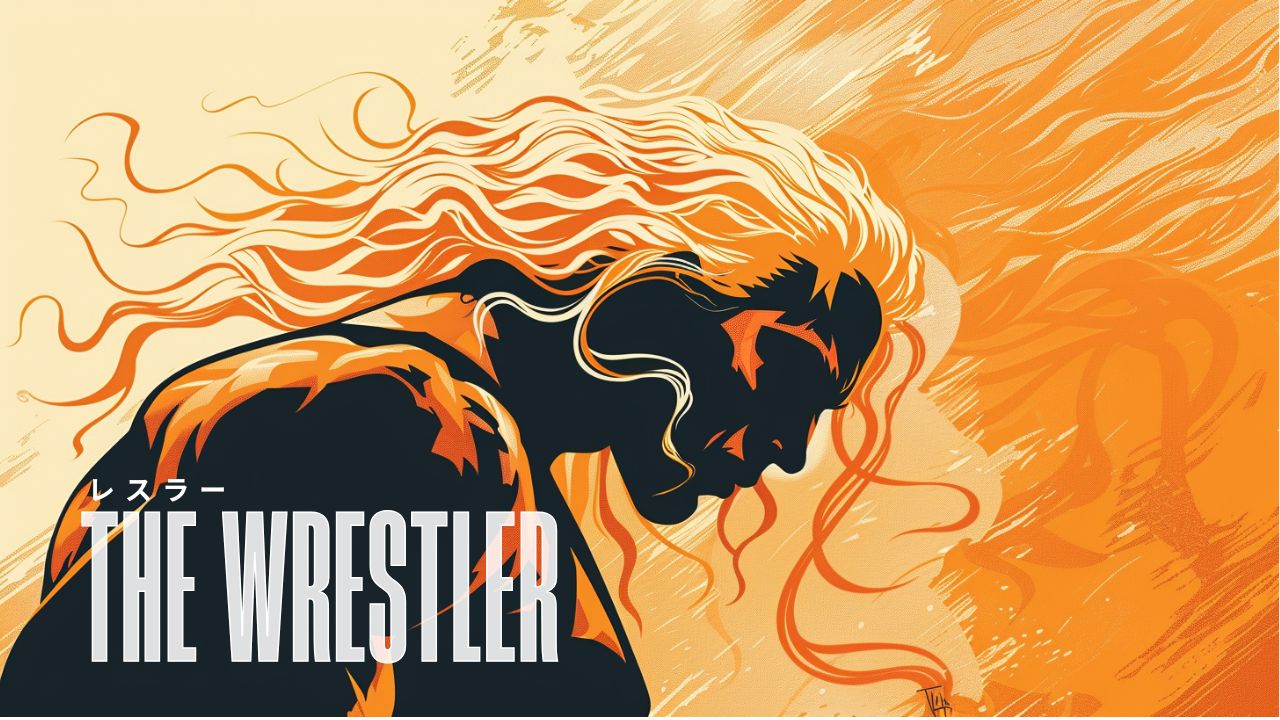
[English] Randy “The Ram” Robinson was a god in the 1980s—a professional wrestling superstar who headlined Madison Square Garden and lived the American dream of fame and excess. Twenty years later, he is a broken man. Wrestling in high school gyms for meager pay, he pop painkillers just to survive the physical brutality his body can no longer endure. His knees are destroyed, his hearing is shot, and his face is a roadmap of scars. He works part-time at a supermarket deli counter, invisible to the world that once worshipped him.
[日本語] 1940年代の栄光から半世紀——。ランディ・”ザ・ラム”・ロビンソンは、かつてマディソン・スクエア・ガーデンのメインイベントを飾り、名声と栄華を極めた1980年代プロレス界の「神」でした。しかし20年後の今、その体は無残に壊れ果てています。高校の体育館を回るドサ回りのリングで、一試合わずか200ドルのために身体を張り、限界を超えた激痛を鎮痛剤で麻痺させる日々。ボロボロの膝、失われた聴覚、そして顔に刻まれた深い傷跡……。かつて彼を崇拝した世界から忘れ去られた男は、スーパーの惣菜売り場で肉を切り、孤独に棚を並べるパートタイマーとして、辛うじてその日を繋いでいました。
Cast & Crew / スタッフ・出演
| Role | English | 日本語 |
|---|---|---|
| Director / 監督 | Darren Aronofsky | ダーレン・アロノフスキー |
| Screenplay / 脚本 | Robert D. Siegel | ロバート・D・シーゲル |
| Producer / プロデューサー | Darren Aronofsky, Scott Franklin | ダーレン・アロノフスキー、スコット・フランクリン |
| Cinematography / 撮影 | Maryse Alberti | マリーズ・アルベルティ |
| Music / 音楽 | Clint Mansell | クリント・マンセル |
| Theme Song | “Sweet Child o’ Mine” – Guns N’ Roses (iconic opening credits) | ガンズ・アンド・ローゼズ「スウィート・チャイルド・オブ・マイン」(象徴的なオープニングクレジット) |
| Original Song | “The Wrestler” – Bruce Springsteen (end credits) | ブルース・スプリングスティーン「ザ・レスラー」(エンドクレジット) |
| Editing / 編集 | Andrew Weisblum | アンドリュー・ワイスブラム |
| Production Design | Tim Grimes | ティム・グライムズ |
| Costume Design | Amy Westcott | エイミー・ウェストコット |
| Distribution / 配給 | Fox Searchlight Pictures | フォックス・サーチライト・ピクチャーズ |
| Cast / 出演 | Mickey Rourke (Randy “The Ram” Robinson) | ミッキー・ローク(ランディ・”ザ・ラム”・ロビンソン) |
| Marisa Tomei (Cassidy / Pam) | マリサ・トメイ(キャシディ / パム) | |
| Evan Rachel Wood (Stephanie) | エヴァン・レイチェル・ウッド(ステファニー) | |
| Mark Margolis (Lenny) | マーク・マーゴリス(レニー) | |
| Todd Barry (Wayne the Ram Jam owner) | トッド・バリー(ウェイン) | |
| Wass Stevens (Necro Butcher) | ワス・スティーヴンス(ネクロ・ブッチャー) | |
| Judah Friedlander (Scott Brumberg) | ジュダ・フリードランダー(スコット・ブラムバーグ) | |
| Ernest Miller (The Ayatollah) | アーネスト・ミラー(アヤトラ) |
Additional Information / 追加情報
Awards / 受賞歴
- 81st Academy Awards (2009) – 2 nominations:
- Best Actor – nomination (Mickey Rourke)
- Best Supporting Actress – nomination (Marisa Tomei)
- Major snub: Darren Aronofsky not nominated for Best Director
- 66th Golden Globe Awards (2009) – 2 nominations, 1 win:
- Best Actor – Motion Picture Drama – WON (Mickey Rourke)
- Best Original Song – nomination (“The Wrestler” – Bruce Springsteen)
- 62nd BAFTA Awards (2009) – 2 nominations, 1 win:
- Best Actor in a Leading Role – WON (Mickey Rourke)
- Best Film Music – nomination (Clint Mansell, Bruce Springsteen)
- 65th Venice International Film Festival (2008) – 1 win:
- Golden Lion – WON (Best Film)
- Premiered in competition, won top prize
- Independent Spirit Awards (2009) – 3 nominations, 2 wins:
- Best Male Lead – WON (Mickey Rourke)
- Best Cinematography – WON (Maryse Alberti)
- Best Film – nomination
- Screen Actors Guild Awards (2009) – 2 nominations:
- Outstanding Performance by a Male Actor in a Leading Role – nomination (Mickey Rourke)
- Outstanding Performance by a Female Actor in a Supporting Role – nomination (Marisa Tomei)
- Critics’ Choice Movie Awards (2009) – 3 nominations, 1 win:
- Best Actor – WON (Mickey Rourke)
- Best Song – nomination (“The Wrestler”)
- Best Cinematography – nomination
- Boston Society of Film Critics Awards (2008) – 1 win:
- Best Actor – WON (Mickey Rourke)
- Los Angeles Film Critics Association (2008) – 1 win:
- Best Actor – WON (Mickey Rourke)
- New York Film Critics Circle (2008) – 1 win:
- Best Actor – WON (Mickey Rourke)
- National Board of Review (2008) – 1 win:
- Best Actor – WON (Mickey Rourke)
- Satellite Awards (2008) – 5 nominations, 2 wins:
- Best Actor – Motion Picture Drama – WON (Mickey Rourke)
- Best Original Song – WON (“The Wrestler”)
- Best Film – Drama – nomination
- Best Supporting Actress – nomination (Marisa Tomei)
- Best Cinematography – nomination
Critical Reception / 批評的評価
- Rotten Tomatoes: 98% (Critics), 93% (Audience)
- Metacritic: 80/100 (Universal Acclaim)
- IMDb: 7.9/10
- Eiga.com (映画.com): 3.7/5
- Universally acclaimed as Mickey Rourke’s career comeback
- Performance described as “raw,” “vulnerable,” “career-defining”
- Parallels between Rourke and Randy noted (both fallen stars attempting comebacks)
- Venice Golden Lion win established prestige
- Marisa Tomei’s performance as stripper praised as fearless
- Aronofsky’s handheld, documentary-style cinematography acclaimed
- Wrestling community praised authenticity (real wrestlers cast)
- Bruce Springsteen’s “The Wrestler” called perfect thematic companion
- Criticized by some as “too bleak,” “relentlessly depressing”
- Roger Ebert: ★★★★ “One of the year’s best films”
- The New York Times: “A rough-and-tumble winner”
- Variety: “A dazzling, surprising, altogether wonderful movie”
- The Guardian: ★★★★ “Brutal, brilliant, heartbreaking”
- Wrestling legend Mick Foley: “Most realistic wrestling movie ever made”
- Some wrestlers criticized dramatization of pain, steroid use
Box Office Performance / 興行成績
- Worldwide Total: $44.7 million
- Domestic (US/Canada): $26.2 million
- International: $18.5 million
- UK: $3.8 million
- France: $2.1 million
- Australia: $1.9 million
- Italy: $1.6 million
- Spain: $1.4 million
- Production Budget: $6 million
- Return on Investment: 7.45x (major financial success)
- Opening Weekend (Limited Release):
- Released December 17, 2008 in 4 theaters (New York, Los Angeles)
- $202,714 opening weekend
- $50,679 per-theater average (excellent)
- Expansion:
- Expanded to 12 theaters (Week 2): $554,764
- Expanded to 100+ theaters (Week 3)
- Wide release (1,000+ theaters): January 2009
- Peak: 1,225 theaters (late January 2009)
- Longevity:
- Theatrical run: 20+ weeks (5 months)
- Awards season sustained box office
- Strong word-of-mouth drove attendance
- “Mickey Rourke comeback” narrative boosted interest
- Performance Analysis:
- Fox Searchlight’s platform release strategy succeeded
- Awards buzz (Venice Golden Lion) drove expansion
- Limited release allowed word-of-mouth to build
- Crossover appeal: art-house cinephiles + wrestling fans
- Oscar nominations (January 22, 2009) provided box office bump
- Demographic Breakdown:
- 60% male audience (unusual for Oscar contender)
- Strong concentration ages 25-50
- Wrestling fans attended alongside indie film fans
- Older audiences (50+) drawn by nostalgia (1980s wrestling)
- Comparison to Aronofsky Films:
- Outperformed The Fountain (2006, $16M worldwide)
- Lower than Requiem for a Dream (2000, $7.4M domestic, cult status)
- Later surpassed by Black Swan (2010, $329M worldwide)
- Awards Season Impact:
- Venice Golden Lion (September 6, 2008) launched awards campaign
- Golden Globe win (January 11, 2009) boosted box office
- Oscar nominations (January 22, 2009) extended theatrical run
- Rourke’s loss to Sean Penn (Milk) considered controversial
- Awards attention sustained box office through February 2009
- Critical Darling, Modest Hit:
- 98% Rotten Tomatoes (critical consensus)
- $44.7M worldwide (respectable for $6M budget)
- Profitable but not blockbuster
- Success measured by cultural impact, not box office
- Cultural Impact Beyond Box Office:
- Revived Mickey Rourke’s career
- Inspired discussions about aging, masculinity, addiction to glory
- Wrestling community embraced film
- Bruce Springsteen’s “The Wrestler” won Golden Globe (Best Song)
- Influenced later sports dramas (The Fighter, Warrior, Creed)
- Home Media:
- DVD/Blu-ray released March 24, 2009
- Strong rental/sales in wrestling markets
- Commentary track by Aronofsky and Rourke
- Became staple of film school curricula
- Streaming Era:
- Frequent performer on Netflix, Amazon Prime, Hulu
- Rediscovered by younger audiences
- TikTok/social media clips of final scene went viral
- “The Wrestler” (Springsteen song) became Spotify staple
- Mickey Rourke’s Comeback:
- Career resurgence: Iron Man 2 (2010), The Expendables (2010)
- Never reached The Wrestler artistic heights again
- Parallels between Rourke and Randy became film’s legacy
- “Rourke-aissance” as cultural moment
- Wrestling Community Reaction:
- Real wrestlers (Necro Butcher, others) cast for authenticity
- Independent wrestling scene embraced film
- Hardcore matches (staple guns, barbed wire) depicted accurately
- Wrestlers identified with Randy’s pain, struggle
- Some criticized steroid/painkiller portrayal as exaggerated
- Bruce Springsteen’s “The Wrestler”:
- Written specifically for film (didn’t make soundtrack deadline)
- Played over end credits
- Nominated for Oscar, Golden Globe (won Globe)
- Became concert staple for Springsteen
- Thematically perfect: aging icon singing about aging icon
- Auteur Recognition:
- Aronofsky’s Oscar snub (Best Director) widely criticized
- Venice Golden Lion solidified auteur status
- Established Aronofsky as master of “addiction” films
- Led to Black Swan, mother!, The Whale
- Legacy:
- Considered one of greatest sports films ever made
- Most realistic wrestling film (per wrestlers)
- Mickey Rourke’s finest performance
- Study in aging, masculinity, addiction to relevance
- Final scene (top rope leap, fade to black) iconic
- Inspired countless articles on “death of American dream”
Related Review / 関連レビュー
🔗 English Review
・[Professional Wrestling Day] No Place Outside Ring — Lonely Man’s Soul Cry
🔗日本語レビュー
・【プロレスの日】リングの外に居場所はない——孤独な男の魂の叫び