
Choose Your Language / 言語を選択:
Introduction
Unconscious Racism Lurking in Liberalism Sharply Exposing Through Horror Form Social Thriller
March 21 is International Day for the Elimination of Racial Discrimination.
Established 1966 UN General Assembly, this commemorative day commemorates “Sharpeville Massacre”—March 21, 1960 Sharpeville, South Africa, police fired on peaceful anti-apartheid demonstration, killing 69—aims eliminating all racial discrimination forms. Week including this day designated “Week of Solidarity with Peoples Struggling against Racism and Racial Discrimination,” worldwide activities raising racial discrimination awareness held.
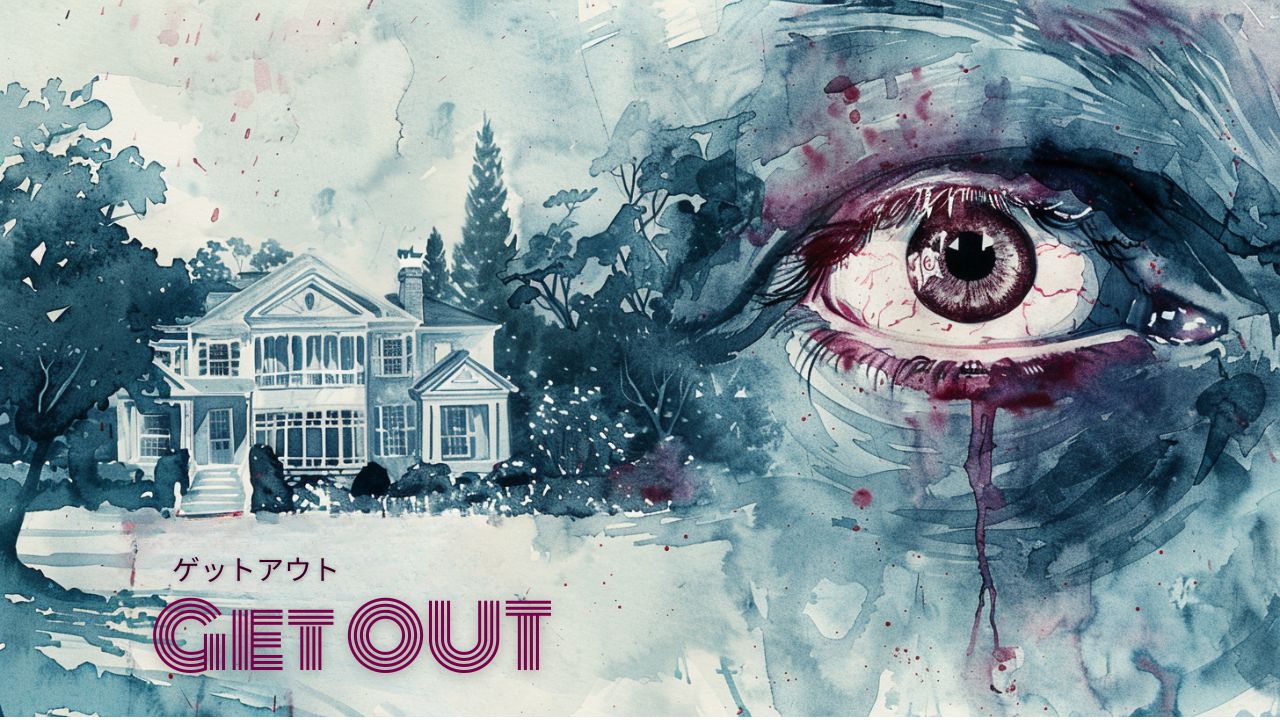
For this special day, recommending Jordan Peele director’s 2017 film Get Out. This work Peele’s directorial debut after building career comedian, social horror thriller depicting black man Chris terror entangled after visiting white girlfriend Rose’s family home.
This film revolutionary: not supernatural monsters or serial killers like traditional horror films, but unconscious racism of white middle-class claiming liberalism as terror source. Not Southern rednecks or neo-Nazis, but Northern whites supporting Obama, considering themselves progressive values holders—Peele skillfully exposes these actually most dangerous discrimination bearers.
Film becomes scathing criticism against “post-racial America” illusion—optimistic view “racial discrimination already past thing.”
Process where Chris’s experienced unease, anxiety, daily “microaggressions” (small discriminatory remarks seeming well-intentioned) accumulations gradually transform into life-threatening terror reflects reality many black people actually experience. Watching Get Out on International Day for Elimination of Racial Discrimination becomes opportunity understanding racial discrimination structures persisting in transformed modern forms, deeply considering what’s necessary realizing truly equal society.
Basic Information & Synopsis
→ For synopsis and production information, see our Database Article
Director: Jordan Peele
Year: 2017
Runtime: 104 minutes
Production: Blumhouse Productions, QC Entertainment
Commemorative Day: International Day for the Elimination of Racial Discrimination (March 21)
Background Knowledge
Jordan Peele — Comedian to Social Filmmaker Transformation
Jordan Peele established comedian career, particularly known sketch comedy show Key & Peele (2012-2015) sharply satirizing race issues. His directorial debut Get Out marks major transformation from comedy to serious social commentary.
Peele stated film inspiration came Obama era paradox: surface racial progress while underlying racism persisting. “Many believed Obama election meant post-racial society, but actually racism merely transformed forms” understanding drove film creation.
Peele also acknowledged Rosemary’s Baby, The Stepford Wives, The People Under the Stairs influence, stating Get Out positioned “social thriller” genre—entertainment simultaneously delivering social critique.
Production and Success
Get Out produced tiny $4.5 million budget, earned worldwide box office over $255 million—56 times budget unprecedented success independent film. Rotten Tomatoes 98% approval rating, Metacritic 85/100 score universal acclaim.
Film received Academy Award Best Picture, Best Director, Best Actor, Best Original Screenplay nominations, Peele won Best Original Screenplay—first black screenwriter winning solo screenplay Oscar. Film also won numerous awards including Independent Spirit Awards Best Film, Directors Guild America Best First Feature.
“Sunken Place” Cultural Phenomenon
Film’s “Sunken Place” scene—Chris hypnotized by Missy, consciousness sinking into dark void, paralyzed watching world from distance—became powerful metaphor. This scene symbolizes black people’s experience: voiceless, powerless, society forcing passivity watching injustice.
“Sunken Place” entered American cultural lexicon, becoming shorthand describing black people’s societal marginalization, political disempowerment feelings.
What Makes It Exceptional
Exposing Liberal Racism Through Horror Language
This work’s greatest achievement: making invisible racism visible through horror language. Traditional racism discussion focuses overt discrimination—hate speech, violence, institutional segregation. However, Get Out targets more insidious form: well-meaning liberals’ unconscious objectification and appropriation.
Armitage family doesn’t wear KKK robes, doesn’t use slurs. Rather, repeatedly emphasizes racial tolerance: “would have voted Obama third term,” “Jesse Owens greatest,” “I get it man.” However, this friendly facade hides sinister reality: literally commodifying black bodies, viewing not as equal humans but superior physical/cultural attributes theft objects.
This precisely captures “microaggressions” many minorities daily face—individually seeming trivial remarks, accumulated becoming oppressive weight. White guest asking “is it true?” about stereotypes, another fetishizing Chris’s physique—these scenes making audiences viscerally understand seemingly innocent interactions’ violence.
Daniel Kaluuya’s Layered Performance
Daniel Kaluuya’s Chris performance deserved Academy Award Best Actor nomination. He brilliantly embodies process black person must navigate white-dominated spaces: initial politeness masking unease, forced smiles, gradual realization something fundamentally wrong, finally survival desperation.
Particularly powerful: Chris’s eyes expressing emotions. Terror hypnosis scene, party discomfort, final confrontation determination—all conveyed through subtle facial expressions, minimal dialogue maximum emotional impact.
Kaluuya stated understanding Chris requiring recalling own experiences microaggressions, feeling watched, performing “respectability” gaining acceptance. This authenticity resonates with anyone experienced being “other” in dominant culture.
Subverting Horror Genre Conventions
Peele brilliantly subverts horror genre conventions exposing racial dynamics. Black characters traditionally first victims horror films—disposable, powerless. Get Out reverses this, making black protagonist survivor, white characters threats.
Film also references real American history: film’s Armitage family operation recalls slavery, medical experimentation on black bodies, ongoing exploitation. “Coagula” procedure—transplanting white consciousness into black bodies—horrifying literalization cultural appropriation, white people wanting black “coolness” without experiencing racism.
Rod character—TSA agent best friend dismissed as paranoid—represents how black people’s legitimate concerns often trivialized. His survival instincts prove correct, validating experiences those told “you’re overreacting.”
Related Articles
- Get Out Database – Synopsis & Production Details
- Jordan Peele – Filmmaker Profile
- Daniel Kaluuya – Actor Profile
はじめに
リベラルに潜む無自覚な人種差別を、ホラーという形式で痛烈に暴く社会派スリラー
3月21日は、人種差別撤廃国際デー(International Day for the Elimination of Racial Discrimination)です。1966年に国連総会により制定されたこの記念日は、1960年3月21日に南アフリカのシャープビルで、アパルトヘイトに抗議する平和的デモに対して警察が発砲し、69人が死亡した「シャープビル虐殺事件」を追悼し、あらゆる形態の人種差別の撤廃を目指すものです。この日を含む週は「人種差別と闘う人々との連帯週間」とされ、世界中で人種差別に対する意識を高める活動が行われています。
この特別な日に観る作品として、ジョーダン・ピール監督による2017年の映画『ゲット・アウト』(Get Out)を推奨します。本作は、コメディアンとしてキャリアを築いてきたピールの初監督作品であり、黒人男性クリスが白人の恋人ローズの実家を訪れたことをきっかけに巻き込まれる恐怖を描いた社会派ホラー・スリラーです。
この映画が革命的なのは、従来のホラー映画のように超自然的な怪物や連続殺人鬼ではなく、リベラルを自称する白人中産階級の無自覚な人種差別を恐怖の源泉としている点です。南部のレッドネックやネオナチではなく、オバマ大統領を支持し、進歩的な価値観を持つと自認する北部の白人たちが、実は最も危険な差別の担い手であることを、ピールは巧みに暴き出しています。
映画は「ポスト人種社会(post-racial America)」という幻想、つまり「もう人種差別は過去のものだ」という楽観的な見方に対する痛烈な批判となっています。
ダニエル・カルーヤが演じるクリスが体験する違和感や不安、そして日常的な「マイクロアグレッション」(善意に見える小さな差別的言動)の積み重ねが、徐々に生命を脅かす恐怖へと変容していくプロセスは、多くの黒人が実際に経験している現実を映し出しています。人種差別撤廃国際デーに『ゲット・アウト』を観ることは、現代に形を変えて存続する人種差別の構造を理解し、真の平等な社会の実現に向けて何が必要かを深く考える機会となるでしょう。
基本情報・あらすじ
→ あらすじや製作情報はデータベース記事へ
監督: ジョーダン・ピール
製作年: 2017年
上映時間: 104分
制作: Blumhouse Productions、QC Entertainment
記念日: 人種差別撤廃国際デー(3月21日)
予備知識
ジョーダン・ピールの初監督作品
『ゲット・アウト』は、コメディスケッチ番組『キー&ピール』で知られるジョーダン・ピールの初監督作品です。ピールはホラーとコメディのジャンルには、ペーシングや展開の仕方に類似点があると指摘し、コメディでの経験が映画制作のトレーニングになったと述べています。
ピールは1975年の『ステップフォード・ワイフ』を着想源として挙げ、風刺的な前提を持つホラー映画として評価しています。この映画は人種差別を扱っているため、ピールは自伝的であることは否定しています。
2013年、コメディパートナーのキーガン=マイケル・キーの紹介でプロデューサーのショーン・マッキトリックと出会い、ニューオーリンズでのコーヒーミーティングで全ストーリーを売り込みました。これまで見たことのない前提に魅了されたマッキトリックは即座にプロジェクトにコミットし、脚本料を支払うと約束しました。ピールは最初の草稿を2ヶ月で書き上げました。
撮影と設定の意図
主要撮影は2016年2月16日に開始されました。撮影はアラバマ州フェアホープで3週間行われ、その後アラバマ州モービルのバートン・アカデミーとアシュランド・プレイス歴史地区で行われました。家の外観と内装はフェアホープのすぐ南で撮影されました。主要撮影は23日間続きました。
この映画はアラバマで撮影されましたが、ジョーダン・ピールは物語がアラバマや南部のどこかで起こっていると理解されることを意図していないと強調しています。2017年2月のワシントン・ポストのインタビューで、ピールは伝統的な「レッドステート地域」に関連する設定を意図的に避けたと述べました。南部の人種差別主義者を描くことはあまりにもステレオタイプだと考え、代わりに「ニューヨークのリベラルタイプ」の人々との間で感じられるかもしれない「偽りの安心感」を探求したかったのです。映画はニューヨーク州北部を舞台としています。
優れている点
ダニエル・カルーヤの繊細な演技
本作の最大の優れた点は、ダニエル・カルーヤのクリス役での繊細かつ力強い演技です。カルーヤは、黒人男性が白人中心の空間で感じる微妙な違和感、不安、そして恐怖を、表情や身体言語だけで見事に表現しています。
特に印象的なのは、パーティーでの白人ゲストたちとの会話シーンです。表面的には友好的に見える質問や発言に対して、クリスは笑顔を保ちながらも、目には戸惑いと警戒が浮かんでいます。「タイガー・ウッズみたいにゴルフするの?」「黒人であることは有利だろう」といったマイクロアグレッションに対する彼の反応は、多くの黒人が日常的に経験する不快感を見事に捉えています。
「沈んだ場所」に落ちるシーンでは、身体の自由を奪われながらも意識だけは保たれているという恐怖を、カルーヤは涙を流すことなく、ただ瞳の動きだけで表現しています。この演技は、アフリカ系アメリカ人が歴史的に経験してきた無力感と抑圧の強力なメタファーとなっています。この役でカルーヤは第90回アカデミー賞主演男優賞にノミネートされました。
ホラーとコメディの絶妙なバランス
ジョーダン・ピールはコメディアンとしてのバックグラウンドを活かし、ホラーとコメディの境界線を巧みに操っています。ロッド・ウィリアムズ(リル・レル・ハウリー)のキャラクターは、映画に適度なコミックリリーフを提供しながらも、彼の「陰謀論」が実は真実だったという皮肉が、映画の風刺性を強化しています。
ロッドがTSA職員として登場し、警察に相手にされないシーンは、黒人の証言が信じられない社会の現実を反映しながらも、彼の真剣さと警察の無関心のコントラストが暗いユーモアを生み出しています。最終的に彼がクリスを救う「英雄」となることは、ブラックコミュニティ内部の連帯の重要性を示しています。
ピールは観客に笑いを提供しながらも、その笑いが不快感と隣り合わせであることを意識させます。この緊張感が、映画全体を通じて観客を緊張状態に保ち、社会批判のメッセージをより効果的に伝えることに成功しています。
ホラーとしての社会批判
ピール自身が述べているように、「社会問題をスリラーという形で突きつける」ことが、この映画の核心です。ホラー映画というジャンルは、社会の恐怖と不安を寓話的に表現する長い伝統があります。『ゲット・アウト』は、この伝統を現代の人種問題に適用し、大きな成功を収めました。
450万ドルという低予算で制作されたこの映画は、2億5500万ドル以上の興行収入を上げ、2017年で最も成功した映画の一つとなりました。批評家から絶賛され、ロッテン・トマトで98%の評価を獲得し、第90回アカデミー賞で4部門(作品賞、監督賞、脚本賞、主演男優賞)にノミネートされ、ピールは脚本賞を受賞しました。彼はこの部門で受賞した初のアフリカ系アメリカ人脚本家となりました。
この成功は、エンターテイメントを通じて社会批判を行うことの力を証明しています。ホラーという形式は、観客を不快にさせ、考えさせ、対話を促すための効果的な手段となったのです。
関連記事
- ゲット・アウト データベース – あらすじ・製作情報
- ジョーダン・ピール – 監督プロフィール
- ダニエル・カルーヤ – 俳優プロフィール