
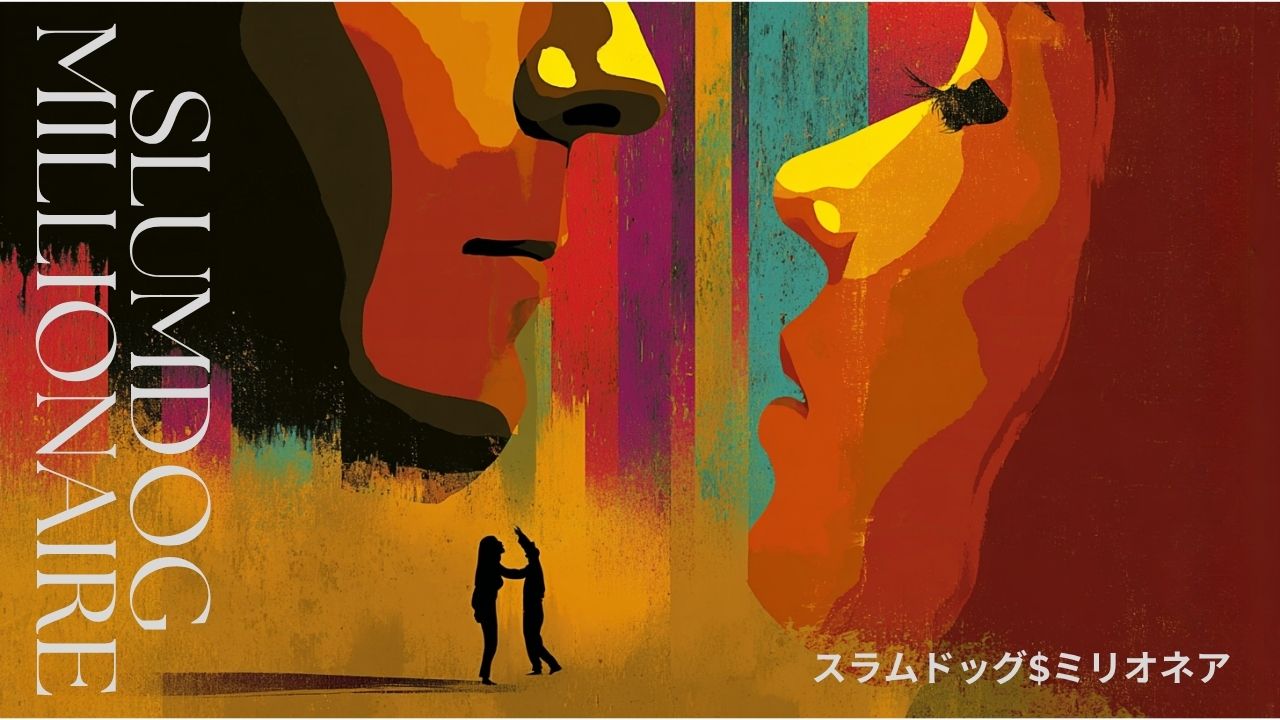
Basic Info / 基本情報
|
Item |
English / 日本語 |
|---|---|
|
Director |
Danny Boyle, Loveleen Tandan / ダニー・ボイル、ラヴリーン・タンダン |
|
Year |
2008 |
|
Running Time |
120 min (2h 0m) |
|
Genre |
Drama, Romance / ドラマ、ロマンス |
|
Production |
Film4, Celador Films |
|
Box Office |
$377.9 million (Worldwide) |
Synopsis / あらすじ
[English / 英語] In Mumbai, 18-year-old Jamal Malik (Dev Patel), an orphan from the slums, is one question away from winning 20 million rupees on the quiz show “Who Wants to Be a Millionaire?”. Suspected of cheating, he is interrogated by the police, where he reveals that every answer is inextricably linked to a pivotal memory from his traumatic past. From his impoverished childhood alongside his brother Salim to his enduring search for his lost love, Latika (Freida Pinto), Jamal’s life has been a series of brutal lessons. His true motivation for appearing on the show is not wealth, but the hope that Latika might be watching. The film poignantly weaves together a tapestry of memory, first love, and the inexorable force of destiny. It asks: What is the transformative power of love? What is the profound meaning of memory? And is our path truly written in the stars?
[日本語] ムンバイのスラム街で育った18歳の孤児ジャマール・マリク(デーヴ・パテル)は、人気クイズ番組「クイズ・ミリオネア」に出場し、全問正解まであと一問に迫ります。無学な彼がなぜ答えを知っているのか。不正を疑う警察の尋問に対し、彼は語り始めます。すべての正解が、自らの過酷な人生の「記憶」と結びついていることを。兄サリムと共にスラムを生き抜き、最愛の少女ラティカ(フリーダ・ピント)と何度も引き裂かれながらも、彼女を想い続けた歳月。彼が番組に出た真の理由は、賞金ではなく、どこかでテレビを観ているはずの彼女に自分の居場所を知らせるためでした。映画は、ジャマールの痛切な記憶と初恋、そして「運命(It is written)」を描き出します。問いかけます。絶望を希望に変える愛の力とは何か。人生の断片である記憶の価値とは。そして、運命とは一体何なのでしょうか。
Cast & Crew / スタッフ・出演
|
Role |
English / 日本語 |
|---|---|
|
Director |
Danny Boyle, Loveleen Tandan / ダニー・ボイル、ラヴリーン・タンダン |
|
Screenplay |
Simon Beaufoy / サイモン・ボーフォイ |
|
Based on |
Novel Q & A by Vikas Swarup / ヴィカス・スワラップの小説『ぼくと1ルピーの神様』 |
|
Producer |
Christian Colson / クリスチャン・コルソン |
|
Cinematography |
Anthony Dod Mantle / アンソニー・ドッド・マントル |
|
Music |
A.R. Rahman / A・R・ラフマーン |
|
Editing |
Chris Dickens / クリス・ディケンズ |
|
Distribution |
Fox Searchlight Pictures (US), Warner Bros. (UK) / フォックス・サーチライト(米国)、ワーナー・ブラザース(英国) |
|
Cast |
Dev Patel (Jamal Malik) / デヴ・パテル(ジャマール・マリク) |
|
Freida Pinto (Latika) / フリーダ・ピント(ラティカ) |
|
|
Madhur Mittal (Salim Malik) / マドゥル・ミッタル(サリム・マリク) |
|
|
Anil Kapoor (Prem Kumar) / アニル・カプール(プレム・クマール) |
|
|
Irrfan Khan (Inspector) / イルファン・カーン(警部) |
|
|
Azharuddin Mohammed Ismail (Young Jamal) / アジャルッディン・モハメッド・イスマイル(幼いジャマール) |
|
|
Rubina Ali (Young Latika) / ルビナ・アリ(幼いラティカ) |
Additional Information / 追加情報
Awards / 受賞歴
- 81st Academy Awards (2009) – 10 nominations, 8 wins:
- Best Picture – WON
- Best Director – WON (Danny Boyle)
- Best Adapted Screenplay – WON (Simon Beaufoy)
- Best Cinematography – WON (Anthony Dod Mantle)
- Best Film Editing – WON (Chris Dickens)
- Best Original Score – WON (A.R. Rahman)
- Best Original Song – WON (“Jai Ho,” A.R. Rahman)
- Best Sound Mixing – WON
- Best Original Song – nomination (“O Saya”)
- Best Sound Editing – nomination
- 66th Golden Globe Awards (2009) – 4 nominations, 4 wins:
- Best Motion Picture – Drama – WON
- Best Director – WON (Danny Boyle)
- Best Screenplay – WON (Simon Beaufoy)
- Best Original Score – WON (A.R. Rahman)
- 62nd BAFTA Awards (2009) – 11 nominations, 7 wins:
- Best Film – WON
- Best Director – WON (Danny Boyle)
- Best Adapted Screenplay – WON (Simon Beaufoy)
- Best Cinematography – WON (Anthony Dod Mantle)
- Best Editing – WON (Chris Dickens)
- Best Music – WON (A.R. Rahman)
- Outstanding British Film – WON
- Best Sound – nomination
- Best Production Design – nomination
- Best Casting – nomination
- Best Makeup & Hair – nomination
- Directors Guild of America (2009) – 1 win:
- Outstanding Directorial Achievement in Motion Pictures – WON (Danny Boyle)
Critical Reception / 批評的評価
- Rotten Tomatoes: 91% (Critics), 89% (Audience)
- Metacritic: 86/100 (Universal Acclaim)
- IMDb: 8.0/10
- Eiga.com(映画.com): 3.9/5
- Winner of eight Academy Awards including Best Picture — the most decorated film of 2008 and one of the most decorated British films in Oscar history
- Danny Boyle’s kinetic, fragmented direction — the handheld camera, the rapid intercutting between timelines, the use of Mumbai as a living, breathing character — praised as the film’s most distinctive formal achievement
- Anthony Dod Mantle’s cinematography — shot partly on digital video to capture the speed and chaos of the slum sequences — won the Oscar for Cinematography, at the time a landmark recognition of digital filmmaking
- A.R. Rahman’s score called one of the greatest film scores of the decade — the synthesis of Indian classical music, electronic production, and pop accessibility that culminates in “Jai Ho” cited as Rahman’s finest achievement for cinema
- Dev Patel — previously known only from the UK television series Skins — praised for carrying the film’s emotional weight with complete conviction at twenty-one years old
- Irrfan Khan’s brief but pivotal role as the interrogating inspector praised as the performance that establishes the film’s moral intelligence — his growing respect for Jamal is the film’s quiet argument about what surviving teaches
- The child performances — particularly Azharuddin Mohammed Ismail and Rubina Ali as young Jamal and Latika — called some of the most natural child performances in recent cinema
- Roger Ebert.com: ★★★★ “An exhilarating, deeply moving film — Boyle at the height of his powers”
- The New York Times: “Dazzling — a film that earns its fairy tale ending through the weight of everything that precedes it”
- Variety: “A triumphant piece of popular cinema — urgent, funny, heartbreaking, and irresistible”
- The Guardian: ★★★★★ “A film of extraordinary energy and feeling — Boyle’s masterpiece”
- The most significant criticism: accused by some Indian critics of poverty tourism — aestheticizing slum conditions for Western consumption, making suffering visually beautiful in ways that serve the Western gaze more than Indian reality
- Defenders argued the film’s energy and optimism are authentically Indian in register — that the Bollywood ending honors the genre conventions of Indian popular cinema rather than imposing a Western resolution
- Loveleen Tandan’s role as co-director for the Indian sequences — her contribution was initially uncredited in the American release, prompting significant criticism — now recognized as essential to the film’s authenticity
Box Office Performance / 興行成績
- Worldwide Total: $377.9 million
- Domestic (US/Canada): $141.3 million
- International: $236.6 million
- Production Budget: $15 million
- Return on Investment: ~25x (extraordinary)
- Opening Weekend (US):
- Limited release: November 12, 2008 (10 theaters)
- $443,604 opening weekend (limited)
- $44,360 per-theater average (exceptional)
- Wide release: January 23, 2009
- Wide opening: $8.1 million (#4)
- Peak: 2,943 theaters
- Performance Analysis:
- Made for $15 million — one of the most profitable returns in awards-season history
- Initially nearly released direct-to-DVD: Warner Independent passed; Fox Searchlight acquired and restrategized
- Golden Globe sweep (January 2009) transformed its commercial trajectory
- Eight Oscar wins including Best Picture drove extraordinary sustained box office
- The “Jai Ho” closing dance sequence became a global cultural phenomenon
- International Breakdown (estimated):
- UK: ~$45M (British film; BAFTA sweep)
- India: ~$20M (significant for a foreign-language film in India)
- France: ~$18M
- Germany: ~$16M
- Australia: ~$14M
- Japan: ~$12M
- The Near-Direct-to-DVD Story:
- Warner Independent’s decision to pass on theatrical release is one of Hollywood’s most-cited distribution errors
- Fox Searchlight’s acquisition and awards strategy turned a $15M film into a $377M global phenomenon
- The story is taught in film business courses as a lesson in the limits of conventional market assessment
Related Review / 関連レビュー
🔗 English Review
・[National Remember Your First Love Day]All Answers Were in Memories with Her
🔗 日本語レビュー
・【記憶をたどる日】すべての答えは、彼女との記憶の中にあった