
Choose Your Language / 言語を選択:
Introduction
The Protagonist Is Not a Hero — It Is the Nameless Civil Servants Who Move the Machinery of the State
June 23 is United Nations Public Service Day.
Established by UN General Assembly resolution A/RES/57/277 on December 20, 2002, and observed since 2003, the day exists to recognize the value and significance of public service to communities, to highlight the role of civil servants in development, and to encourage young people to consider careers in the public sector. June 23 was chosen in reference to the ILO’s Labour Relations (Public Service) Convention No. 151 of 1978.
Civil servants and administrative institutions are rarely visible. But society cannot function without the people who design policy, operate institutions, and act to protect citizens’ lives and livelihoods during disasters and crises. This day exists to illuminate exactly that — the people who support society from positions most of us never see.
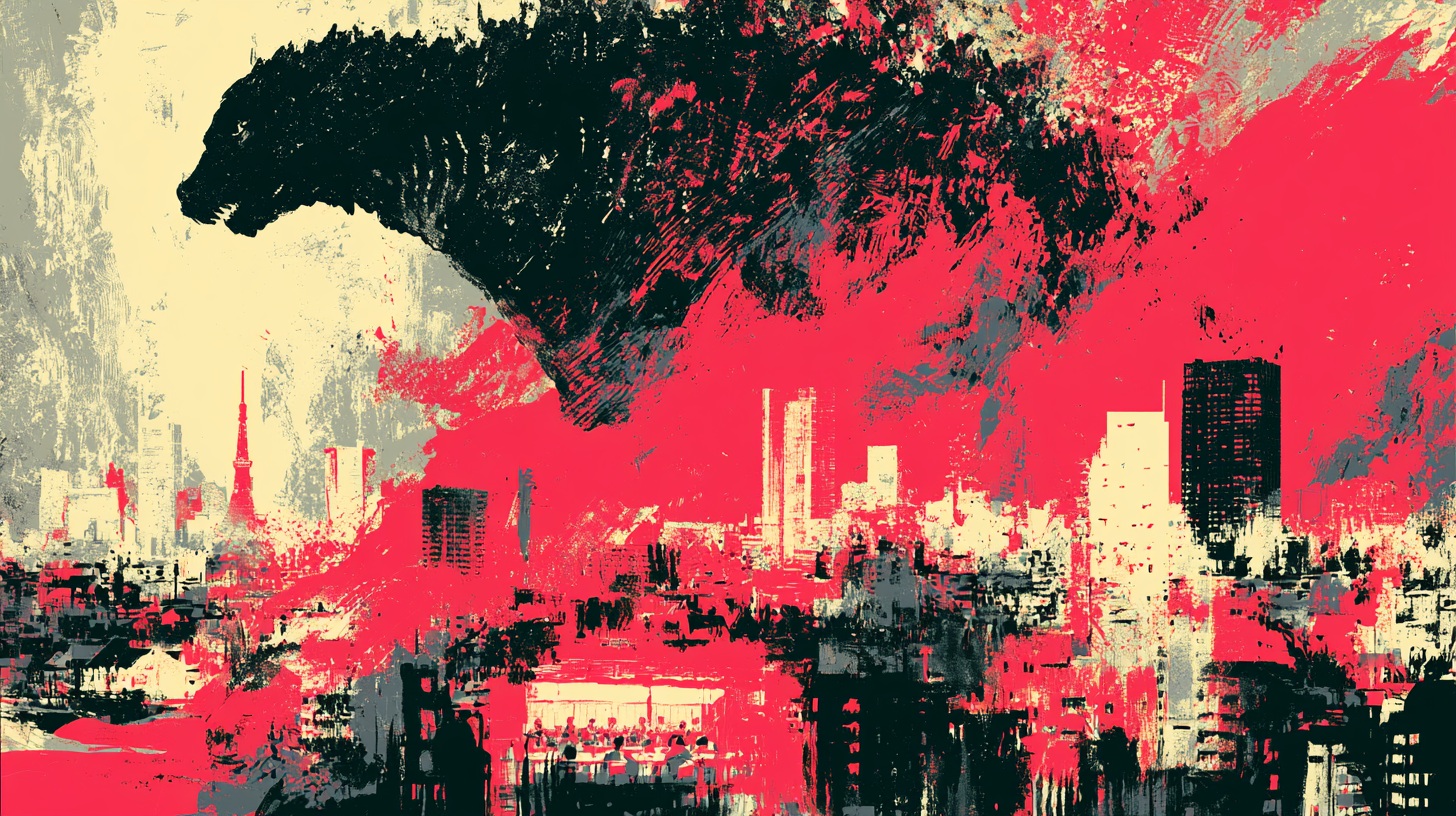
For this day, the film to watch is Shin Godzilla (2016).
Written and supervised by Hideaki Anno and directed by Shinji Higuchi, the film depicts the Japanese state mobilizing the full apparatus of its bureaucracy in response to the emergence of a giant unidentified organism. It may be less internationally famous than the Hollywood Godzilla franchise. But beneath its kaiju surface, it is a genuinely distinctive film: the story of a national institution facing a crisis, and of the civil servants who work within it.
There is no superhero in this film. The people who confront Godzilla are cabinet ministers, bureaucrats from various ministries, Self-Defense Force personnel, researchers, and local government officials — the ordinary people of public administration. Meeting after meeting, legal verification after legal verification, the walls of bureaucratic silos — and through all of it, the collective effort of people trying to fulfill their duties anyway. That effort is the film’s actual subject.
Basic Information & Synopsis
→ For synopsis and production information, see our Database Article
Director: Shinji Higuchi (Hideaki Anno, screenplay & general direction)
Year: 2016
Runtime: 120 minutes
Production: Toho
Commemorative Day: United Nations Public Service Day (June 23)
Synopsis: A massive unidentified organism emerges from Tokyo Bay. The government convenes emergency meetings to determine what it is, what legal authority permits a response, and who has jurisdiction to act. As the creature evolves — growing larger and more dangerous with each appearance — the bureaucratic apparatus must move faster than its own procedures normally allow. Rando Yaguchi, a young cabinet secretary, assembles an unconventional team of specialists, outsiders, and overlooked experts to work around the institutional friction that is costing the country time it does not have. The film follows the government’s response from confusion through escalating crisis to an improvised, collectively engineered solution.
Background Knowledge
Hideaki Anno, Shinji Higuchi, and the First Domestic Godzilla in 12 Years
This is the 29th film in the Godzilla series and the first Japanese-produced Godzilla film in approximately twelve years, following Godzilla: Final Wars (2004). Production was greenlit in response to the global success of Hollywood’s 2014 Godzilla. Hideaki Anno, known for Neon Genesis Evangelion, wrote the screenplay and served as general director. Anno initially declined the offer but accepted at the urging of his longtime collaborator Shinji Higuchi (director and special effects director), reportedly approaching the project as a one-time challenge.
The “Japan vs. Godzilla” Concept
The film’s tagline was “Japan vs. Godzilla.” As the phrase indicates, this is not a story of a single hero defeating Godzilla — it is a story of how the Japanese state and its institutions respond to the threat. The film features an enormous cast, totaling 328 credited characters. Its defining structural choice is to build an ensemble drama in which individual officials and specialists each fulfill their role at their specific post.
Realism in Reconstructing Actual Government Machinery
The film’s central appeal is its rigorous realism in depicting the process of government crisis response. Cabinet meetings, the structure of bureaucratic ranks and chains of command, the legal procedures required to deploy the Self-Defense Forces — all of this was reconstructed through extensive research. The film’s distinctive on-screen title cards, which display each character’s title and position as they speak, clarify the institutional position from which each statement is made — a device that makes the structure of organizational decision-making legible to the audience.
The Overlap with the Memory of the Great East Japan Earthquake
The film is inseparably connected to the memory of the 2011 Great East Japan Earthquake and the subsequent Fukushima Daiichi nuclear disaster. The government’s struggle to respond to an unprecedented catastrophe, the handling of radioactive material, the difficulties of evacuation — these themes, depicted through the fictional threat of Godzilla, evoke the actual memory of disaster response in Japan. This is not simply a kaiju film. It contains the urgent question of how the Japanese state confronts large-scale catastrophe.
What Makes It Exceptional
An Ensemble Drama With the Organization as Protagonist
The film’s most important quality is that its protagonist is not a hero but the organization itself. Rando Yaguchi functions as a central figure, but he does not defeat Godzilla alone. Bureaucrats from each ministry, Self-Defense Force personnel, researchers, and engineers — countless individuals contribute their specific expertise and responsibilities, and only through that combination does a response to the crisis become possible. The film makes vivid the fact that public service is precisely this kind of collective endeavor.
Making the Mundane Act of Meetings Thrilling
Most of the film consists of an unbroken sequence of meetings and consultations. What could easily have been tedious is instead transformed into tense, gripping spectacle: rapid-fire technical jargon, scenes that cut constantly between locations, a deadline closing in by the minute. The decision to place the process of decision-making itself at the dramatic center of the film is genuinely original. Few films have given this much tension to the ordinarily invisible work of policy formation and administrative procedure.
A Critique of Bureaucratic Silos That Coexists With Respect for Those Who Work Within Them
The film does not soften its depiction of the problems endemic to Japanese bureaucracy: jurisdictional silos, precedent-bound thinking, diffused responsibility, slow decision-making. But it never loses its respect for the individual civil servants who try, within that flawed structure, to do their jobs anyway. Criticizing the structure’s defects while honoring the sincerity and competence of the people working inside it — holding both perspectives simultaneously — is the source of the film’s maturity.
Related Articles
- Shin Godzilla Database – Synopsis & Production Details
- Hideaki Anno – Filmmaker Profile
- Shinji Higuchi – Filmmaker Profile
はじめに
主役は英雄ではなく、国家という巨大な機構を動かす名もなき公務員たちである
6月23日は、国連が定める「国連公共サービスの日(United Nations Public Service Day)」です。2002年12月20日の国連総会決議(A/RES/57/277)によって制定され、翌2003年から実施されているこの記念日は、地域社会に対する公共サービスの価値と意義を讃え、開発における公務員の役割を広く認識し、若い世代が公共部門での仕事を志すことを後押しすることを目的としています。日付の6月23日は、世界の公務員の労働条件を定めたILO(国際労働機関)の「労働関係(公務)条約(第151号、1978年)」にちなんで選ばれました。
公務員や行政機関は、ふだんは目立たない存在です。しかし、政策を立案し、制度を運用し、災害や危機の際には市民の生命と暮らしを守るために動く彼らの働きなくして、社会は成り立ちません。この記念日が照らし出すのは、まさにそうした「縁の下で社会を支える人々」の存在です。
この日に観る作品として、2016年公開の『シン・ゴジラ』を取り上げます。庵野秀明が脚本・総監督、樋口真嗣が監督・特技監督を務めた本作は、ゴジラという巨大不明生物の出現に対し、日本という国家がその官僚機構の総力を挙げて立ち向かう姿を描いた特撮映画です。国際的には、ハリウッド版『GODZILLA』ほどの知名度はないかもしれません。しかし本作は、怪獣映画の体裁をとりながら、その実、「危機に直面した国家組織と、そこで働く公務員たちの物語」として、きわめてユニークな作品です。
本作に、超人的なヒーローは登場しません。ゴジラに立ち向かうのは、内閣の政治家、各省庁の官僚、自衛隊員、研究者、地方自治体の職員といった、公務に携わる無数の人々です。会議に次ぐ会議、法的根拠の確認、組織の縦割りの壁——そうした「お役所仕事」の只中で、それでも職務を全うしようとする人々の集合的な努力こそが、本作の真の主役です。国連公共サービスの日に本作を観ることは、公共サービスを担う人々の役割を、危機という極限状況を通して見つめ直す機会となります。
基本情報・あらすじ
→ あらすじや製作情報はデータベース記事へ
監督: 樋口真嗣(庵野秀明:脚本・総監督)
製作年: 2016年
上映時間: 120分
制作: 東宝
記念日: 国連公共サービスの日(6月23日)
あらすじ: 東京湾から巨大不明生物が出現します。政府は緊急会議を重ね、それが何であるか、どの法的根拠で対応すべきか、誰に管轄権があるかを確認していきます。生物が出現するたびに進化し、より巨大で危険になっていく中、官僚機構は通常の手続きが許す速度を超えて動かなければなりません。若き内閣官房副長官・矢口蘭堂は、組織の摩擦が奪っていく時間に対抗するため、はみ出し者や見過ごされてきた専門家たちを集めた異例のチームを編成します。映画は、混乱から始まり、危機がエスカレートし、最終的に集団で考案された即興的な解決策へと至る政府の対応を追います。
予備知識
庵野秀明・樋口真嗣と12年ぶりの国産ゴジラ
本作は、ゴジラシリーズの第29作であり、国内では『ゴジラ FINAL WARS』(2004年)以来、約12年ぶりとなる日本製作のゴジラ映画です。2014年のハリウッド版『GODZILLA』の世界的ヒットを受けて製作が決まりました。脚本・総監督を務めたのは、『新世紀エヴァンゲリオン』で知られる庵野秀明です。当初オファーを固辞していた庵野でしたが、盟友である樋口真嗣(監督・特技監督)の説得もあり、「一度きりの挑戦」として引き受けたとされます。
「ニッポン対ゴジラ」というコンセプト
本作のキャッチコピーは「ニッポン対ゴジラ。」でした。この一語が示すとおり、本作は一人の英雄がゴジラを倒す物語ではなく、「日本という国家・組織がゴジラにどう立ち向かうか」を主題に据えています。膨大な数の登場人物が現れ、その総勢は328人にのぼります。一人ひとりの公務員や専門家が、それぞれの持ち場で職責を果たしていく群像劇として構築されている点が、本作の最大の特徴です。
現実の政府機構を徹底的に再現したリアリズム
本作の大きな魅力は、政府の危機対応プロセスを、徹底したリアリズムで描き出している点にあります。閣議や対策会議の進め方、官僚の役職や指揮系統、自衛隊の出動に必要な法的手続き——これらが綿密な取材に基づいて再現されています。登場人物の肩書きが画面に大きく表示される独特の演出も、誰がどの立場で発言しているのかを明確にし、組織としての意思決定の構造を観客に伝えます。
東日本大震災の記憶との重なり
本作は、2011年の東日本大震災と、それに伴う福島第一原発事故の記憶と、分かちがたく結びついています。未曽有の災害に直面した政府の対応、放射性物質への対処、避難をめぐる困難——ゴジラという架空の脅威を通して描かれるこれらの主題は、現実の災害対応の記憶を強く想起させます。本作は単なる怪獣映画ではなく、「日本という国が大規模災害にどう向き合うか」という、切実な問いを内包した作品でもあります。
優れている点
「組織」を主役に据えた群像劇
本作の最も優れた点は、特定の英雄ではなく、「組織そのもの」を主役に据えたことです。矢口蘭堂という中心人物はいるものの、彼一人がゴジラを倒すわけではありません。各省庁の官僚、自衛隊員、研究者、技術者——無数の人々が、それぞれの専門性と職責を持ち寄ることで、はじめて危機への対応が可能になります。公共サービスとは、まさにこうした集合的な営みであることを、本作は鮮やかに示しています。
会議という「地味な営み」をスリリングに描く手腕
本作の大半は、会議と打ち合わせの連続で構成されています。本来であれば退屈になりかねないこうした場面を、本作は緊迫感あふれるスリリングな見せ場へと昇華させています。早口で交わされる専門用語、次々と切り替わる場面、刻々と迫る時間制限——意思決定のプロセスそのものをドラマの核に据えた構成は、極めて独創的です。政策決定や行政手続きという、ふだんは見えにくい公務の営みに、これほどの緊張感を与えた作品は稀です。
縦割り行政への批判と、現場への敬意の両立
本作は、日本の官僚機構が抱える問題——縦割り、前例主義、責任の分散、意思決定の遅さ——を容赦なく描き出します。しかし同時に、本作はそうした組織のなかで、それでも職務を全うしようとする個々の公務員への深い敬意を失いません。組織の欠陥を批判しながら、そこで働く人々の誠実さと有能さを描く。この二つの視点を両立させている点に、本作の成熟があります。
関連記事
- シン・ゴジラ データベース – あらすじ・製作情報
- 庵野秀明 – 監督プロフィール
- 樋口真嗣 – 監督プロフィール