
Choose Your Language / 言語を選択:
Introduction
January 2nd is celebrated as National Science Fiction Day in the United States. Established in the early 2010s and widely recognized by organizations including the Hallmark Channel and Scholastic Corporation, this day honors the genre that has inspired generations to imagine futures filled with technological wonders, explore ethical dilemmas of innovation, and ask fundamental questions about humanity’s relationship with the machines we create.
The date itself holds special significance—it marks the birthday of Isaac Asimov (1920-1992), one of science fiction’s most influential voices. Asimov, who established the “Three Laws of Robotics” in his 1942 short story “Runaround,” fundamentally shaped how we think about artificial intelligence and human-robot relationships. The First Law: “A robot may not injure a human being or, through inaction, allow a human being to come to harm.” The Second Law: “A robot must obey the orders given it by human beings except where such orders would conflict with the First Law.” The Third Law: “A robot must protect its own existence as long as such protection does not conflict with the First or Second Law.”
For National Science Fiction Day, no film better embodies the genre’s hopeful vision of technology serving humanity than Disney Animation Studios’ 2014 production Big Hero 6. The protagonist, a white, soft healthcare robot named “Baymax,” represents the purest expression of what science fiction dreams robots could be—not weapons, not threats, but compassionate companions programmed solely to detect and treat human suffering.
This film tells the story of 14-year-old genius Hiro Hamada, who loses his beloved older brother, and through his relationship with Baymax—left behind by his brother—overcomes grief, conquers vengeful impulses, and grows into a true hero. Set in the near-future city of San Fransokyo (a fictional fusion of San Francisco and Tokyo), it’s a moving sci-fi adventure that questions technology and humanity, loss and regeneration, and what it means for a robot to have a “heart.”
Basic Information & Synopsis
→ For detailed synopsis and production information, see our Database Article
Directors: Don Hall, Chris Williams
Year: 2014
Runtime: 102 minutes
Studio: Walt Disney Animation Studios
Commemorative Day: Isaac Asimov’s Birthday (January 2)
Background Knowledge
Production Background: From Marvel Comics to Disney Animation
Big Hero 6 is based on Marvel Comics’ “Big Hero 6,” but was substantially reimagined by Disney Animation Studios. The original comic, which debuted in 1998, was a Japanese superhero team story with characters and storylines significantly different from the film version.
After Disney acquired Marvel Entertainment in 2009, director Don Hall focused on the relatively obscure “Big Hero 6” and proposed reinterpreting it as a Disney animation.
While the original comic was about a Japanese superhero team, the film boldly changed the setting. The most important change was Baymax’s character. In the original, Baymax was a green dragon-like combat robot, but the film redesigned him as a white, soft healthcare robot.
Behind this change was director Don Hall’s personal experience. When his sibling faced serious health problems, Hall was deeply moved by the dedicated care of healthcare workers and conceived the idea: “What if everyone could have a personal healthcare companion?” This became Baymax’s prototype.
Creating the Fictional City of San Fransokyo
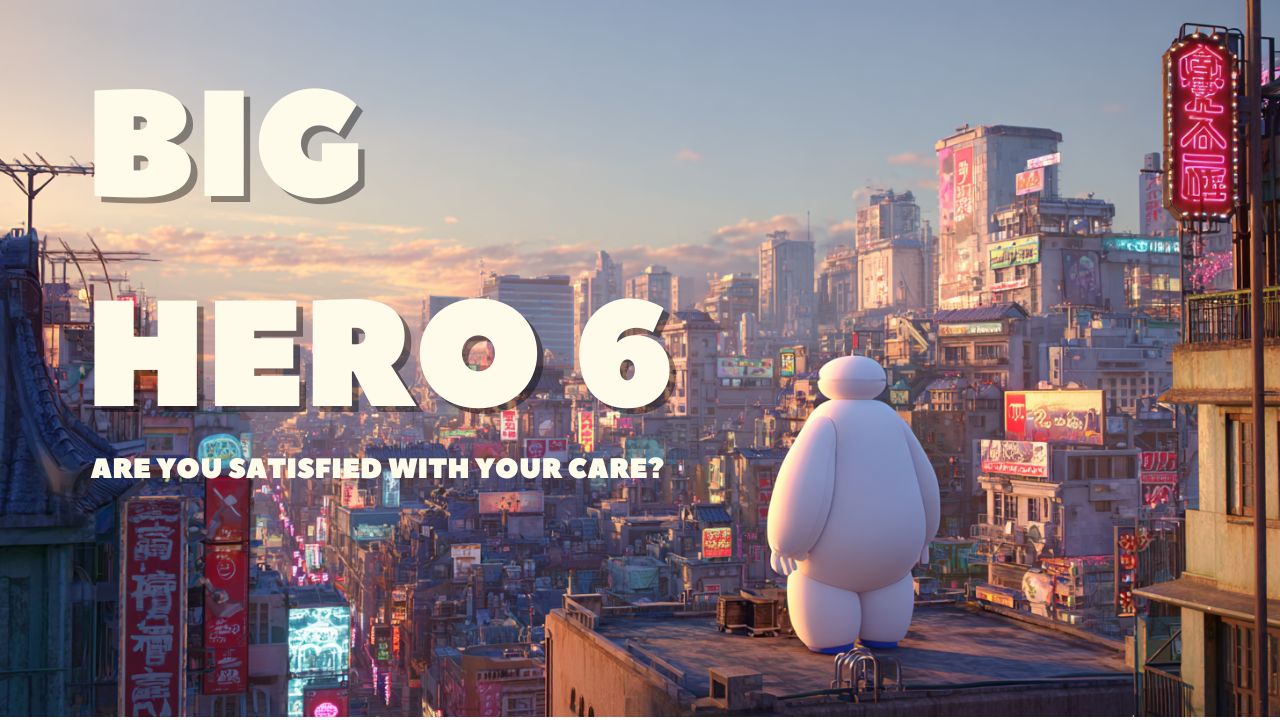
The film’s setting, “San Fransokyo,” is a fictional city merging San Francisco and Tokyo. The production team actually visited Tokyo, thoroughly studying Japanese landscapes including Shibuya’s scramble crossing, Akihabara’s electronics district, Ginza’s neon, and traditional shrines and temples.
Simultaneously, they incorporated San Francisco’s steep hills, the Golden Gate Bridge (rendered as a red torii-style bridge in the film), and Victorian houses. The house where Hiro and Tadashi live fuses typical San Francisco Victorian architecture with Japanese townhouse design.
This East-West cultural fusion connects deeply not just with visual beauty but with the story’s themes. A city where diverse cultures harmonize also symbolizes the “Big Hero Six” team—diverse people cooperating together.
Baymax’s Design Philosophy
Baymax’s design by character designer Shiyoon Kim drew inspiration from surprising sources: flexible robotic arms developed by Carnegie Mellon University robotics researchers, traditional Japanese bells and wind chimes, and the softness of babies.
“Non-threatening” was the top priority. As a healthcare robot, he must not frighten patients. Therefore, Baymax has no sharp angles or hard surfaces. Everything is round, soft, and inviting to touch. The vinyl material inflated with air was also an engineering consideration to minimize the possibility of physically harming patients.
His walk was meticulously designed. Baymax’s “waddle” references baby penguin movements. This adorable motion evokes affection and protective instincts in audiences. Meanwhile, his “drunk” movements when battery is low express human-like vulnerability despite being a robot.
Voice Performance: Scott Adsit’s Gentle Voice
Baymax’s voice was performed by actor and comedian Scott Adsit. His selection was decisive for Baymax’s character.
The director sought a delicate balance—”not too robotic, not too human.” Adsit’s voice is calm, trustworthy, and non-judgmental—exactly the ideal healthcare provider’s voice. The line “Hello, I am Baymax, your personal healthcare companion” provides reassurance no matter how many times you hear it.
Interestingly, during recording, Adsit actually wore a white costume-like suit. By restricting his own movement, he experienced Baymax’s physical constraints and reflected them in his voice performance.
The Technical Reality of Microbots
The “microbots” Hiro invents are based on actual scientific research. In the real world, the field of “modular robotics” is advancing research where multiple small robots cooperate to execute complex tasks.
The film’s microbots are controlled by brainwaves, which isn’t complete fiction either. Brain-computer interface (BCI) technology is already applied to prosthetic control and communication support for people with severe disabilities. Companies like Elon Musk’s Neuralink are also developing similar technologies.
Of course, the instantaneous complex operations depicted in the film are currently impossible, but since the film assumes “20 years in the future,” technological leaps are within acceptable range. What’s important is that this technology is portrayed as an “extension of science” rather than a “miracle.”
What Makes It Exceptional
Genius Direction That Turns Emotional Expression Constraints Into Advantages
Baymax’s face consists only of two small black dots (eyes) and a horizontal line (sensor resembling a mouth). Without human-like facial muscles, he cannot furrow brows or create smiles. However, this extreme constraint is precisely what makes the film’s direction exceptional.
The director and animators gave Baymax rich emotional expression using body movement, head tilts, walking rhythm, and subtle pauses (ma). For example, when Hiro is sad, Baymax simply sits beside him without saying anything. That quiet presence speaks more eloquently than any words of comfort.
The low-battery scene is the finest example of this directorial philosophy. Baymax moving like he’s drunk is simultaneously comical while expressing robotic vulnerability and adorableness.
Honest Portrayal of Loss and Grief
Many children’s animations tend to beautify death and loss or treat them as quickly solvable problems. However, Big Hero 6 honestly portrays the grieving process.
After Tadashi’s death, Hiro shuts himself in his room, spending days listlessly. Even when friends visit, he won’t see them. This reflects the actual grieving process—denial, anger, bargaining, depression, acceptance. The film depicts learning to “live with” grief rather than “overcoming” it.
The scene where Baymax medically diagnoses Hiro’s psychological state—”Your neurotransmitter levels are low” “You have experienced recent personal loss?”—shows that grief isn’t merely a “mental problem” but a physiological response. Simultaneously, Baymax’s mission—”I cannot deactivate until you say you are satisfied with your care”—expresses that recovery from grief requires time and support.
What the film shows is that grief is not an ending but a transformation. Tadashi won’t come back. However, Tadashi’s memory, Tadashi’s kindness, Tadashi’s dreams continue living in Hiro, in Baymax, and in their friends. Hiro’s line at the ending—”Tadashi is here”—means not physical presence but spiritual inheritance.
Natural Expression of Diversity
Big Hero 6 is one of Disney films that most naturally expresses diversity. Protagonist Hiro is Japanese-American, GoGo is Korean, Wasabi is African-American, Honey Lemon is Latina, Fred is white—yet the film doesn’t treat their race or ethnicity as “problems” or “special stories.” They are simply friends, teammates, and individuals with their own talents.
This naturalness is enabled by the fictional city setting of San Fransokyo. In a world where Eastern and Western cultures merge, diversity is “normal.” Without being preachy, the film demonstrates the beauty and strength of diverse people cooperating.
Moreover, character diversity isn’t just about appearance. Wasabi is meticulous and cautious, GoGo is cool and taciturn, Honey Lemon is bright and optimistic, Fred is a cheerful geek—each has different personalities, different strengths, different weaknesses. The team is strong not because everyone is the same, but because they’re different.
Related Articles
- Big Hero 6 Database – Synopsis & Production Details
- Don Hall – Filmmaker Profile
はじめに
1月2日は、アメリカでNational Science Fiction Day(全米SF記念日)として祝われています。2010年代初頭に確立され、Hallmark ChannelやScholastic Corporationなどの組織によって広く認知されているこの日は、何世代にもわたって人々に技術的驚異に満ちた未来を想像させ、イノベーションの倫理的ジレンマを探求させ、そして人類と私たちが創造する機械との関係について根本的な問いを投げかけてきたジャンルを讃えます。
この日付自体が特別な意義を持ちます——SF界で最も影響力のある人物の一人、アイザック・アシモフ(1920-1992)の誕生日なのです。アシモフは1942年の短編小説「堂々めぐり」で「ロボット工学三原則」を確立し、人工知能と人間ーロボット関係について私たちがどう考えるかを根本的に形作りました。第一原則「ロボットは人間に危害を加えてはならない。また、その危険を看過することによって、人間に危害を及ぼしてはならない」、第二原則「ロボットは人間にあたえられた命令に服従しなければならない。ただし、あたえられた命令が、第一原則に反する場合は、この限りでない」、第三原則「ロボットは、前掲第一原則、第二原則に反するおそれのないかぎり、自己をまもらなければならない」
National Science Fiction Dayに観る映画として、テクノロジーが人類に奉仕するというSFの希望的ビジョンをこれほど体現した作品はありません——ディズニー・アニメーション・スタジオが2014年に制作した『ベイマックス』(Big Hero 6)です。白くて柔らかな医療ロボット「ベイマックス」という主人公は、SFがロボットに夢見るもの——武器ではなく、脅威ではなく、人間の苦しみを検知し治療することだけのためにプログラムされた思いやりある仲間——の最も純粋な表現です。
本作は、最愛の兄を失った14歳の天才少年ヒロ・ハマダが、兄の遺したベイマックスとの交流を通じて悲しみから立ち直り、復讐心を乗り越え、真のヒーローへと成長する物語です。近未来都市サンフランソウキョウ(サンフランシスコと東京を融合させた架空都市)を舞台に、テクノロジーと人間性、喪失と再生、そしてロボットが「心」を持つことの意味を問いかける、感動的なSFアドベンチャーです。
基本情報・あらすじ
→ あらすじや製作情報はデータベース記事へ
監督: ドン・ホール、クリス・ウィリアムズ
製作年: 2014年
上映時間: 102分
制作スタジオ: ウォルト・ディズニー・アニメーション・スタジオ
記念日: National Science Fiction Day(1月2日)
予備知識
制作背景:マーベルコミックからディズニーアニメーションへ
『ベイマックス』は、マーベル・コミックスの「ビッグ・ヒーロー・シックス」(Big Hero 6)を原作としていますが、ディズニー・アニメーション・スタジオによって大幅に再構築されました。原作コミックは1998年に初登場した日本のスーパーヒーローチームの物語で、キャラクターやストーリーは映画版とは大きく異なります。
2009年、ディズニーがマーベル・エンターテインメントを買収した後、ドン・ホール監督は比較的知名度の低い「ビッグ・ヒーロー・シックス」に注目し、これをディズニーアニメーションとして再解釈することを提案しました。
原作コミックは日本のスーパーヒーローチームの物語ですが、映画版は大胆に設定を変更しました。最も重要な変更は、ベイマックスのキャラクターです。原作のベイマックスは緑色の竜のような姿をした戦闘ロボットでしたが、映画版では白くて柔らかな医療ロボットに再デザインされました。
この変更の背景には、ドン・ホール監督の個人的な経験があります。監督の兄弟が深刻な健康問題を抱えていた時期、医療従事者たちの献身的なケアに深く感動したホールは、「もし誰もが個人医療コンパニオンを持てたら?」というアイデアを思いつきました。これがベイマックスの原型となります。
サンフランソウキョウという架空都市の創造
本作の舞台となる「サンフランソウキョウ」は、サンフランシスコと東京を融合させた架空の都市です。制作チームは実際に東京を訪問し、渋谷のスクランブル交差点、秋葉原の電気街、銀座のネオン、そして伝統的な神社や寺院など、日本の風景を徹底的に研究しました。
同時に、サンフランシスコの急な坂道、ゴールデンゲートブリッジ(映画では鳥居風の赤い橋になっています)、ビクトリアン様式の住宅も取り入れられています。ヒロとタダシが住む家は、サンフランシスコの典型的なビクトリアン住宅と日本の町屋を融合させたデザインです。
この東西文化の融合は、視覚的な美しさだけでなく、物語のテーマとも深く結びついています。多様な文化が調和する都市は、多様な人々が協力する「ビッグ・ヒーロー・シックス」チームの象徴でもあるのです。
ベイマックスのデザイン哲学
ベイマックスのデザインは、キャラクターデザイナーのシユーン・キムによるものですが、そのインスピレーション源は驚くべきものでした。カーネギーメロン大学のロボット工学者が開発していた柔軟なロボットアーム、日本の伝統的な鈴、風鈴、そして赤ちゃんの柔らかさです。
「非威圧的」であることが最優先事項でした。医療ロボットとして、患者に恐怖を与えてはいけません。だからベイマックスには、鋭い角や硬い表面が一切ありません。すべてが丸く、柔らかく、触れたくなるようなデザインです。ビニール素材で空気を入れて膨らむというアイデアは、患者を物理的に傷つける可能性を最小限にする工学的な配慮でもあります。
歩き方も綿密に設計されました。ベイマックスの「よちよち歩き」は、赤ちゃんペンギンの動きを参考にしています。この愛らしい動きは、観客に親近感と保護本能を呼び起こします。同時に、バッテリーが低下した時の「酔っ払い」のような動きは、ロボットでありながら人間的な脆弱さを表現しています。
声の演技:スコット・アツィットの柔らかな声
ベイマックスの声を演じたのは、俳優でありコメディアンでもあるスコット・アツィットです。彼の選択は、ベイマックスのキャラクターにとって決定的でした。
監督は「ロボット的すぎず、人間的すぎない」微妙なバランスを求めていました。アツィットの声は、穏やかで、信頼できて、判断をしない——まさに理想的な医療従事者の声です。「こんにちは。私はベイマックス。あなたの個人医療コンパニオンです」というセリフは、何度聞いても安心感を与えます。
興味深いことに、アツィットは収録中、実際に白い着ぐるみのようなスーツを着て演技しました。自分の動きを制限することで、ベイマックスの物理的な制約を体感し、声の演技に反映させたのです。
マイクロボットの技術的リアリティ
ヒロが発明する「マイクロボット」は、実際の科学研究に基づいています。現実世界では、「モジュラーロボティクス」という分野で、複数の小型ロボットが協調して複雑なタスクを実行する研究が進められています。
映画のマイクロボットは脳波でコントロールされますが、これも完全なフィクションではありません。脳コンピュータインターフェース(BCI)技術は、すでに義肢の制御や、重度の障害を持つ人々のコミュニケーション支援に応用されています。イーロン・マスクのNeuralinkなどの企業も、同様の技術開発を進めています。
もちろん、映画で描かれるような瞬時の複雑な操作は現時点では不可能ですが、映画は「20年後の未来」を想定しているため、技術的な飛躍は許容範囲内です。重要なのは、この技術が「奇跡」ではなく「科学の延長」として描かれていることです。
優れている点
感情表現の制約を逆手に取った演出の天才性
ベイマックスの顔は、二つの小さな黒い点(目)と、横一本の線(口のようなセンサー)だけです。人間のような表情筋がなく、眉をひそめることも、笑顔を作ることもできません。しかし、この極端な制約こそが、本作の演出を傑出したものにしています。
監督とアニメーターたちは、身体の動き、頭の傾き、歩き方のリズム、そして微妙な間(ま)を使って、ベイマックスに豊かな感情表現を与えました。例えば、ヒロが悲しんでいる時、ベイマックスは何も言わずにただそばに座ります。その静かな存在感が、どんな慰めの言葉よりも雄弁です。
バッテリー低下のシーンは、この演出哲学の最高の例です。酔っ払ったような動きをするベイマックスは、コミカルでありながら、ロボットの脆弱性と愛らしさを同時に表現しています。
喪失と悲しみの描写の誠実さ
多くの子供向けアニメーションは、死や喪失を美化したり、すぐに解決可能な問題として扱いがちです。しかし『ベイマックス』は、悲しみのプロセスを誠実に描いています。
タダシの死後、ヒロは部屋に閉じこもり、無気力に日々を過ごします。友人たちが訪ねてきても、会おうとしません。これは実際の悲嘆のプロセス——否認、怒り、取引、抑うつ、受容——を反映しています。映画は、悲しみを「克服」するのではなく、「ともに生きる」ことを学ぶ物語として描きます。
ベイマックスがヒロの心理状態を医学的に診断するシーン——「あなたの神経伝達物質のレベルが低下しています」「最近、個人的な喪失を経験しましたね?」——は、悲しみが単なる「気持ちの問題」ではなく、生理学的な反応であることを示しています。同時に、ベイマックスの「あなたの治療が完了するまで、私は出発できません」という使命は、悲しみからの回復には時間と支えが必要であることを表現しています。
映画が示すのは、悲しみは終わりではなく、変化であるということです。タダシはもう戻ってきません。しかし、タダシの記憶、タダシの優しさ、タダシの夢は、ヒロの中に、ベイマックスの中に、そして友人たちの中に生き続けます。エンディングでヒロが言う「タダシはここにいる」というセリフは、物理的な存在ではなく、精神的な継承を意味しています。
多様性の自然な表現
『ベイマックス』は、ディズニー映画の中でも特に多様性を自然に表現した作品です。主人公のヒロは日系アメリカ人、ゴーゴーは韓国系、ワサビはアフリカ系、ハニー・レモンはラテン系、フレッドは白人——しかし、映画は彼らの人種や民族性を「問題」や「特別な物語」として扱いません。彼らはただ、友人であり、チームメイトであり、それぞれの才能を持った個人です。
これはサンフランソウキョウという架空都市の設定が可能にした自然さです。東西文化が融合した世界では、多様性は「普通」のことです。映画は説教的になることなく、多様な人々が協力することの美しさと強さを示しています。
また、キャラクターの多様性は見た目だけではありません。ワサビは几帳面で慎重、ゴーゴーはクールで無口、ハニー・レモンは明るく楽観的、フレッドは陽気なオタク——それぞれが異なる性格、異なる強み、異なる弱点を持っています。チームが強いのは、全員が同じだからではなく、異なるからです。
関連記事
- Big Hero 6 データベース – あらすじ・製作情報
- ドン・ホール – 監督プロフィール