
Choose Your Language / 言語を選択:
Introduction
War Ended Day, Boys’ War Began
April 4 “International Day for Mine Awareness and Assistance in Mine Action.”
2005, UN General Assembly designated every April 4 this memorial day. Worldwide still buried landmines and unexploded ordnance continue taking civilian lives decades after conflict ends. Currently over 60 regions landmines/unexploded ordnance remain, annually thousands suffer victims, many children. This memorial day raises landmine problem awareness, appeals worldwide mine clearance support and victim assistance importance.
“Landmine” problem often perceived distant conflict area story. However, this work’s depicted history: post-war Europe lesser-known event—defeated nation’s boy soldiers ordered by victorious nation hand-clearing landmines.
For this special day, recommending Martin Zandvliet director’s 2015 Denmark-Germany co-production film Land of Mine (original title: Under sandet).
This work based actual events 1945 immediately post-war Denmark west coast. Nazi Germany occupation-buried 2.2 million landmines, over 2,000 German POWs—most teenage boy soldiers—forced clearing. 5-month work 149 died, 165 seriously injured, 167 lightly injured. Majority boy soldiers.
This work 2015 Toronto International Film Festival screening received standing ovation, nominated 89th Academy Awards Best Foreign Language Film. Denmark domestic highest film prize Bodil Awards won Best Danish Film, Best Actor, Best Supporting Actor. Rotten Tomatoes 91% critic support rate.
Basic Information & Synopsis
→ For synopsis and production information, see our Database Article
Director: Martin Zandvliet
Year: 2015
Runtime: 100 minutes
Production: Nordisk Film
Commemorative Day: International Day for Mine Awareness and Assistance in Mine Action (April 4)
Background Knowledge
Post-War Denmark Mine Clearance — History’s Dark Chapter
Nazi Germany 1940-1945 occupation period, preparing Allied Denmark landing buried over 2.2 million landmines Jutland Peninsula west coast. May 1945 Germany surrender, who clears these landmines problem arose.
Denmark government, German commander Georg Lindemann, and British military three-party agreement determined German POWs handle clearance work. Contemporary international law (Geneva Convention) prohibited POWs dangerous work, this agreement violated prohibition.
Over 2,000 POWs mobilized, most war’s final stage conscripted 17-19 year boy soldiers. 5-month work cleared over 1.5 million landmines, but 149 died, 165 seriously injured (limb amputation etc.), 167 lightly injured.
This event long years Denmark’s history officially never spoken, forgotten. This work first work seriously bringing this historical fact to screen.
Production Background
Martin Zandvliet director (born 1971 Denmark Fredericia) started career as editor, through documentary films progressed to feature films. 2009 feature debut Applause following this work, aimed illuminating this fact never recorded history books.
Film’s majority dialogue spoken German—intentional choice treasuring boy soldiers’ perspective. Zandvliet director intensively studied German before filming, insisted boy soldier actors’ dialect differences. Sebastian and Helmut both Hamburg origin setting, but one wealthy family, other working class origin difference reflected dialogue wording.
Filming 6 weeks, Denmark North Sea Nature Park Vejers and Blaavand locations. Handheld camera extensively used, natural light utilized documentary-style filming adopted. Cinematographer Camilla Hjelm Knudsen won 29th European Film Awards Best Cinematography.
International Day for Mine Awareness Background
2005 UN established this memorial day appeals worldwide landmines and unexploded ordnance problems remaining over 60 countries currently. Landmines not only during armed conflict, but post-conflict decades continue taking civilian lives—especially children.
Annually thousands suffer landmine/unexploded ordnance damage, most general citizens during farm work or going school. 1997 Anti-Personnel Mine Ban Convention (Ottawa Treaty) 164 countries signed, but major powers America, Russia, China remain unsigned.
Landmine problem not “past war legacy” but continuing current humanitarian issue.
What Makes It Exceptional
“Enemy” Concept Dismantling
Film’s opening, Rasmussen pulls POW from line, beats—audience understands that emotion. 5 years occupation. Lost friends, destroyed lives. “German” hatred, film accepts as legitimate emotion.
However, arriving before eyes not “Germans” but frightened boys. Hungry, missing families, wanting home, just children.
Film from start rejects simplification “Germans evil, so okay hating”—”Germans” and “these boys before eyes” cannot speak same words. Rasmussen’s change throws that question to audience.
Roland Møller’s Acting
Sergeant Rasmussen-playing Roland Møller bears this work’s most difficult role. Process starting hatred, gradually regaining humanity, shows more through silence and actions than dialogue.
Scene secretly stealing food from headquarters, placing before boy soldiers’ hut pretending ignorance—no more eloquent “compassion expression.” Bodil Award Best Actor win, legitimate evaluation for this acting.
Fear Staging
Mine clearance scenes, not horror film yet more terrifying than horror films. Because we know “this actually happened.”
Zandvliet director doesn’t excessively use explosion scenes. Rather maximally uses silence—boy crawling beach breathing sound, stick stabbing sand sound, slowly rotating fuse metal sound—between silence continues keeping audience extreme tension state.
And explosion suddenly comes. Without warning. Exactly like real landmines.
Documentary-Like Honesty
Handheld camera, natural light, excessive music suppression—this work chose “fact weight” over “cinematic beauty.” Boy soldiers’ acting natural, thoroughly eliminates manufactured “war film heroism.” Death also not emotionally staged. Just happens. Because this real landmine story.
Related Articles
- Land of Mine Database – Synopsis & Production Details
- Martin Zandvliet – Filmmaker Profile
- Roland Møller – Actor Profile
はじめに
戦争が終わった日に、少年たちの戦争が始まった
4月4日は、「国際地雷啓発・地雷除去支援デー(International Day for Mine Awareness and Assistance in Mine Action)」です。
2005年、国連総会は毎年4月4日をこの記念日として定めました。世界各地に今なお埋まり続ける地雷と不発弾は、紛争が終結した後も何十年にもわたって民間人の命を奪い続けます。現在も約60ヶ国以上の地域に地雷・不発弾が残存しており、毎年数千人が被害を受け、その多くが子供たちです。この記念日は、地雷問題への認識を高め、除去支援と被害者援助の重要性を世界に訴えます。
「地雷」という問題は、しばしば遠い紛争地の話として受け取られます。しかし本作が描く歴史は、終戦直後の欧州で起きた、よく知られていない出来事です——戦争に負けた国の少年兵たちが、戦勝国の命令で地雷を素手で除去させられた。
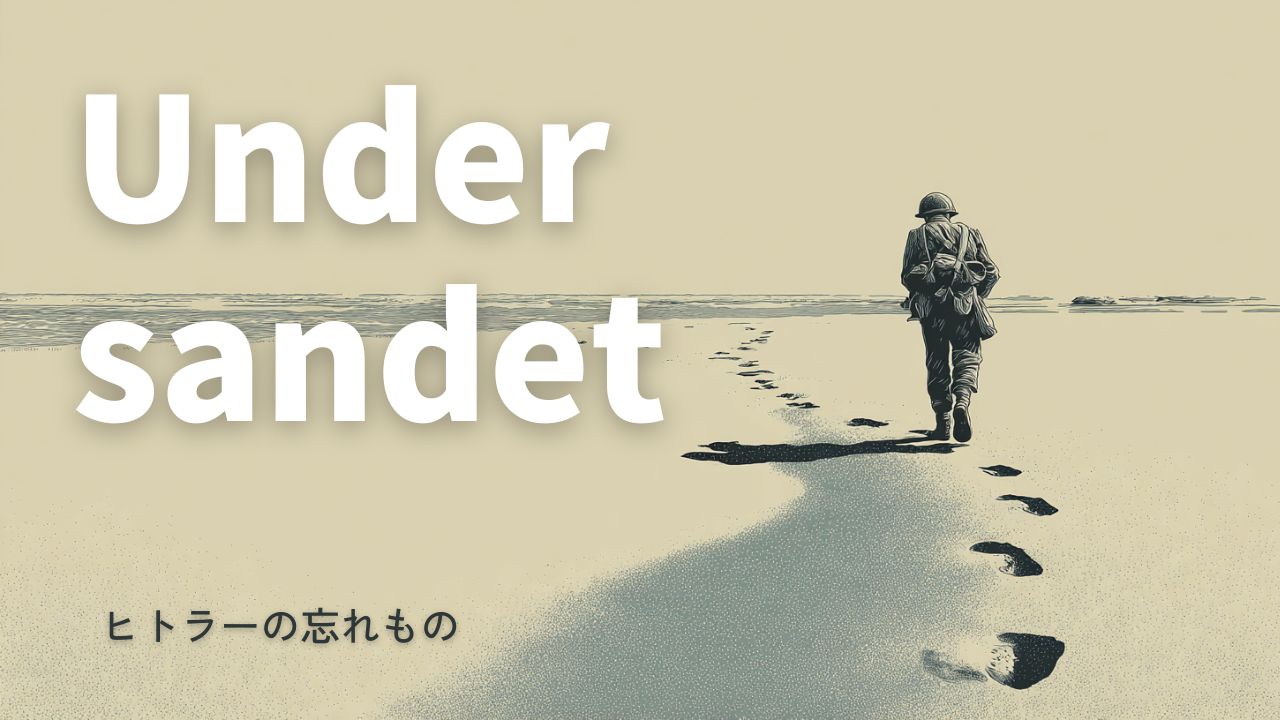
この特別な日に観る作品として、マーティン・サンドヴィー監督による2015年のデンマーク・ドイツ合作映画『ヒトラーの忘れもの』(原題:Under sandet、英題:Land of Mine)をお薦めします。
本作は、1945年の終戦直後にデンマーク西海岸で実際に起きた出来事に基づいています。ナチスドイツが占領中に埋めた220万個もの地雷を、2,000人以上のドイツ人捕虜——その多くが十代の少年兵——が除去させられました。5ヶ月間の作業で149名が死亡、165名が重傷を負い、167名が軽傷を負いました。その大半が少年兵でした。
本作は2015年トロント国際映画祭で上映後、スタンディングオベーションを受け、第89回アカデミー賞外国語映画賞にノミネートされました。デンマーク国内最高映画賞ボーディル賞で最優秀デンマーク映画賞・最優秀主演男優賞・最優秀助演男優賞を受賞。Rotten Tomatoesで91%の批評家支持率を得ています。
基本情報・あらすじ
→ あらすじや製作情報はデータベース記事へ
監督: マーティン・サンドヴィー
製作年: 2015年
上映時間: 100分
制作: Nordisk Film
記念日: 国際地雷啓発・地雷除去支援デー(4月4日)
予備知識
戦後デンマークの地雷除去——歴史の暗部
ナチスドイツは1940年から1945年の占領期間中、連合国のデンマーク上陸に備えてユトランド半島西海岸に220万個以上の地雷を埋めました。1945年5月のドイツ降伏後、これらの地雷を誰が除去するかという問題が生じます。
デンマーク政府、ドイツ軍司令官ゲオルク・リンデマン、そして英国軍の三者間の取り決めにより、ドイツ人捕虜が除去作業を担うことが決定されました。当時の国際法(ジュネーヴ条約)では、捕虜を危険な作業に従事させることは禁じられていましたが、この取り決めはその禁を犯すものでした。
2000人以上の捕虜が動員され、その多くが戦争末期に徴兵された17〜19歳の少年兵でした。5ヶ月間の作業で150万個以上の地雷が除去されましたが、149名が死亡、165名が重傷(手足の切断など)を負い、167名が軽傷を負いました。
この出来事は長年、デンマークの歴史の中で公式に語られることなく忘れられてきました。本作は、この歴史的事実をスクリーンに初めて本格的に持ち込んだ作品です。
制作背景
マーティン・サンドヴィー監督(1971年デンマーク・フレデリシア生まれ)は、編集者としてキャリアをスタートさせ、ドキュメンタリー映画を経て劇映画へ進みました。2009年の長編デビュー作『Applause』に続く本作は、歴史書にも記されてこなかったこの事実に光を当てることを目的として制作されました。
映画の台詞の大部分はドイツ語で語られます——これは少年兵たちの視点を大切にするための意図的な選択でした。サンドヴィー監督は撮影前にドイツ語を集中的に学び、少年兵役の俳優たちの方言の違いにもこだわりました。セバスチャンとヘルムートはともにハンブルク出身という設定ですが、一方は裕福な家庭、もう一方は労働者階級という出身の違いが、台詞の言葉遣いに反映されています。
撮影は6週間、デンマーク北海自然公園内のヴェイアースとブローワンドのロケ地で行われました。手持ちカメラを多用し、自然光を活かしたドキュメンタリー的な撮影スタイルが採用されています。撮影監督カミラ・ヘルム・クヌセンは第29回ヨーロッパ映画賞最優秀撮影賞を受賞しました。
国際地雷啓発・地雷除去支援デーの背景
2005年に国連が制定したこの記念日は、現在も世界約60ヶ国以上に残存する地雷と不発弾の問題を世界に訴えます。地雷は武力紛争中だけでなく、紛争終結後も何十年にもわたって民間人——特に子供たち——の命を奪い続けます。
毎年数千人が地雷・不発弾の被害を受けており、その多くが農作業中や学校へ向かう途中の一般市民です。1997年の対人地雷禁止条約(オタワ条約)には164ヶ国が署名していますが、アメリカ・ロシア・中国などの大国は未署名のままです。
地雷問題は「過去の戦争の遺産」ではなく、今も続く現在進行形の人道問題です。
優れている点
「敵」という概念の解体
映画の冒頭、ラスムスンは列から捕虜を引き出して殴ります——観客もその感情を理解します。5年間の占領。失った友人、壊された生活。「ドイツ人」への憎悪は、正当な感情として映画は受け取ります。
しかし目の前にやってきたのは、「ドイツ人」ではなく、怖がっている少年たちでした。お腹を空かせ、家族のことを想い、できれば家に帰りたいと思っている、ただの子供たちでした。
映画は「ドイツ人は悪だった、だから憎んでいい」という単純化を最初から退けています——「ドイツ人」と「この目の前の少年」は、同じ言葉で語れない。ラスムスンの変化が、その問いを観客に投げかけます。
ロラン・ムラーの演技
ラスムスン軍曹を演じるロラン・ムラーは、本作で最も難しい役を担っています。憎悪から始まり、少しずつ人間性を取り戻していく過程を、台詞より沈黙と行動で見せます。
本部からこっそり食料を持ち出し、少年兵の小屋の前に置いて知らんふりをする場面——これほど雄弁な「憐れみの表現」はありません。ボーディル賞最優秀主演男優賞受賞は、この演技に対する正当な評価です。
恐怖の演出
地雷除去のシーンは、ホラー映画ではないのにホラー映画より恐ろしい。なぜなら、私たちは「これが実際に起きたこと」を知っているからです。
ザンドヴリート監督は爆発シーンをむやみに多用しません。むしろ静寂を最大限に使います——砂浜に這いつくばる少年の呼吸音、棒が砂に刺さる音、信管をゆっくり回す金属音——その間の沈黙が、観客を極度の緊張状態に置き続けます。
そして爆発は、突然来ます。予告なく。ちょうど現実の地雷がそうであるように。
ドキュメンタリー的な誠実さ
手持ちカメラ、自然光、過剰な音楽の抑制——本作は「映画的な美しさ」より「事実の重み」を選びました。少年兵たちの演技はナチュラルで、作られた「戦争映画の英雄性」を徹底的に排除しています。死も感動的に演出されない。ただ、起きます。それが、現実の地雷の話だからです。