
Choose Your Language / 言語を選択:
Introduction
One Girl’s Story Living Through Turbulent Times — For Whom Was Revolution?
February 11 is “Islamic Revolution Day” in Islamic Republic of Iran. On this day 1979, Pahlavi Dynasty fell, Islamic Revolution led by Ayatollah Khomeini achieved. This revolution meant liberation from oppression and hope for some people, loss of freedom and nightmare’s beginning for others.
For this complex commemorative day, addressing Marjane Satrapi and Vincent Paronnaud’s 2007 animated film Persepolis.
This work, based on Satrapi’s own autobiographical graphic novel, depicts from Islamic Revolution eve through post-revolution oppression, Iran-Iraq War, European exile, from perspective of one girl Marji (Marjane). This work, winning Jury Prize at 2007 Cannes Film Festival, nominated for Academy Award Best Animated Feature, not only artistically excellent but painfully yet humorously depicts how historical revolution transformation affects one human’s life.
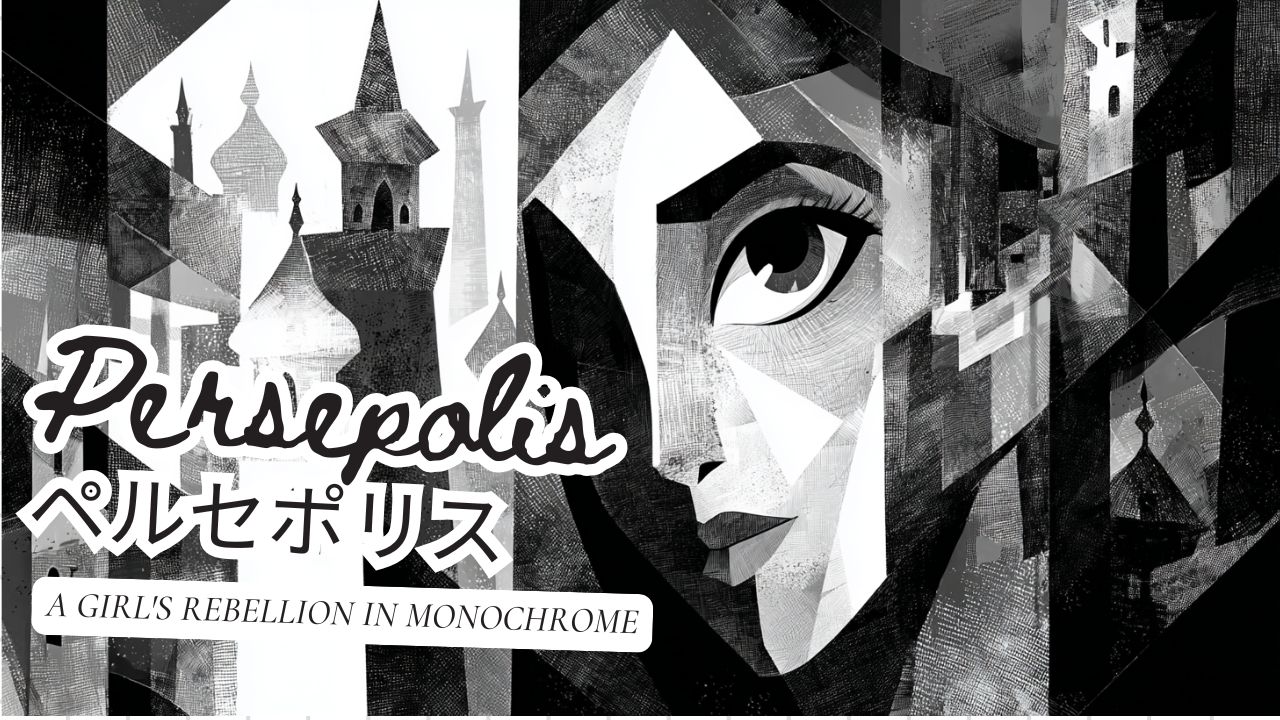
Turbulent times depicted in simple black-and-white animation. Revolution’s ideals and reality seen through girl’s eyes. And story of one woman forced leaving homeland seeking freedom—Persepolis rare work honestly depicting Islamic Revolution’s complexity and contradictions, not simple good-evil narrative.
Watching this film on Revolution Day provides opportunity to reexamine that historical turning point from perspective not of nation or leaders but ordinary family.
Basic Information & Synopsis
→ For synopsis and production information, see our Database Article
Director: Marjane Satrapi, Vincent Paronnaud
Year: 2007
Runtime: 95 minutes
Production: 2.4.7. Films, France 3 Cinéma
Commemorative Day: Islamic Revolution Day (February 11)
Background Knowledge
Islamic Revolution (1979)
February 11, 1979, Iran’s Pahlavi Dynasty (monarchy) fell, Islamic Republic established. This revolution has complex background.
Revolution Background:
- King Mohammad Reza Pahlavi’s dictatorship and secret police oppression
- Backlash against rapid Westernization policies
- Unequal oil revenue distribution
- Coalition of diverse forces: religious leaders, leftists, liberals
Post-Revolution Developments:
- Islamic Republic establishment with Ayatollah Khomeini as Supreme Leader
- Strict Islamic law (Sharia) introduction
- Women’s hijab wearing mandatory
- Western culture prohibition
- Purge of leftists and liberals who supported revolution
This revolution has two faces: popular uprising aspect seeking “liberation from oppression” and religious authoritarianism aspect bringing “freedom oppression.”
Iran-Iraq War (1980-1988)
September 1980, Iraqi President Saddam Hussein invaded Iran, 8-year war beginning.
War Characteristics:
- WWI-type trench warfare and war of attrition
- Chemical weapons use
- Child soldier mobilization (Iranian side)
- Civilian facility bombing
- Estimated deaths: 500,000 to over 1 million
This war one of most tragic conflicts in modern Middle Eastern history, yet internationally received little attention. Very few films depicting this war, making Persepolis precious testimony.
Work Background — Marjane Satrapi
Director Marjane Satrapi born 1969 Tehran. This work her autobiographical work.
- 1984 (age 14): To Austria
- 1989 (age 18): Return to Iran
- 1994 (age 24): Move to France
- 2000: Graphic novel Persepolis published
- 2007: Animated film adaptation
Original graphic novel translated into over 30 languages, becoming worldwide bestseller.
Why Black-and-White Animation
This work intentionally produced in simple black-and-white animation. This choice has deep meaning.
Black-and-White Effects:
- Memory’s temporal texture (past as recollection)
- Universality (not limited to specific ethnicity or race)
- Symbolism (depicting gray zones, not good-evil dualism)
- Fidelity to original graphic novel
Only contemporary Paris scenes depicted in color, highlighting past-present contrast.
What Makes It Exceptional
Black-and-White Animation’s Artistry
This work’s greatest strength is black-and-white animation’s outstanding artistry.
Simple line drawings yet magnificently expressing character emotions, crowd dynamics, war’s terror. Particularly, imagination scenes and nightmare scenes effectively use surrealist visual expression.
Color animation cannot express memory’s texture—fading yet vivid, personal yet universal memory—resides in this black-and-white imagery.
One Girl’s Perspective Choice
Choice depicting historical major events from perspective not of nation or leaders but ordinary girl makes this work special.
Marji depicted not as history’s bystander or victim but proactive person understanding situation in own way, reacting, growing. Seeing through her eyes makes abstract concepts like revolution and ideology concrete problem of how they affect one human’s life.
Exquisite Balance of Humor and Tragedy
This work handles extremely heavy themes yet never becomes preachy, humor scattered throughout.
Marji’s rebellious character, grandmother’s sarcasm, parents’ resourcefulness—these humors demonstrate human resilience against dark reality.
Grandmother’s Powerful Presence
Marji’s grandmother most attractive character in this work. Former aristocrat yet supporting revolution, sharply criticizing new regime’s hypocrisy—she embodies wisdom and dignity living through complex history.
From practical advice “putting jasmine flowers in underwear makes nice scent” to life philosophy “don’t do anything shameful to conscience,” grandmother’s words become Marji’s (and audience’s) moral compass.
Real Mother-Daughter Voice Acting Authenticity
French version, Marji’s mother role played by Satrapi’s real mother. This choice gives work deep authenticity and emotional weight.
Particularly, airport separation scene seems infused with real mother-daughter memory transcending fiction.
Related Articles
- Persepolis Database – Synopsis & Production Details
- Marjane Satrapi – Filmmaker Profile
はじめに
激動の時代を生きた一人の少女の物語——革命は誰のためのものだったのか
2月11日は、イラン・イスラム共和国における「イスラム革命記念日」です。1979年のこの日、パフラヴィー朝が倒れ、ホメイニー師率いるイスラム革命が成就しました。この革命は、ある人々にとっては圧政からの解放と希望を意味し、別の人々にとっては自由の喪失と悪夢の始まりを意味しました。
この複雑な記念日に観る作品として、マルジャン・サトラピ監督・ヴァンサン・パロノー共同監督による2007年のアニメーション映画『ペルセポリス』(Persepolis)を取り上げます。
本作は、サトラピ自身の自伝的グラフィックノベルを原作とし、イスラム革命前夜から革命後の抑圧、イラン・イラク戦争、そしてヨーロッパへの亡命までを、一人の少女マルジ(マルジャン)の視点から描いた作品です。2007年カンヌ国際映画祭で審査員賞を受賞し、アカデミー長編アニメーション賞にもノミネートされた本作は、芸術的に優れているだけでなく、革命という歴史的大転換が、一人の人間の人生にどのような影響を与えるのかを、痛烈かつユーモラスに描き出しています。
白黒のシンプルなアニメーションで描かれる激動の時代。少女の目を通して見る革命の理想と現実。そして、自由を求めて故郷を離れざるを得なかった一人の女性の物語——『ペルセポリス』は、イスラム革命を単純な善悪で語るのではなく、その複雑さと矛盾を誠実に描いた稀有な作品です。
革命記念日にこの映画を観ることは、あの歴史的転換点を、国家や指導者の視点ではなく、ごく普通の家族の視点から見つめ直す機会となるでしょう。
基本情報・あらすじ
→ あらすじや製作情報はデータベース記事へ
監督: マルジャン・サトラピ、ヴァンサン・パロノー
製作年: 2007年
上映時間: 95分
制作: 2.4.7.フィルムズ、フランス3シネマ
記念日: イスラム革命記念日(2月11日)
予備知識
イスラム革命(1979年)
1979年2月11日、イランでパフラヴィー朝(王制)が倒れ、イスラム共和国が成立しました。この革命は複雑な背景を持っています。
革命の背景:
- 国王モハンマド・レザー・パフラヴィーの独裁と秘密警察による弾圧
- 急速な西洋化政策への反発
- 石油収入の不平等な分配
- 宗教指導者、左派、自由主義者など多様な勢力の連合
革命後の展開:
- ホメイニー師を最高指導者とするイスラム共和国の樹立
- 厳格なイスラム法(シャリーア)の導入
- 女性のヒジャブ着用義務化
- 西洋文化の禁止
- 革命を支持した左派・自由主義者の粛清
この革命は、「圧政からの解放」を求めた民衆蜂起という側面と、「自由の抑圧」をもたらした宗教的権威主義という二つの顔を持っています。
イラン・イラク戦争(1980-1988年)
1980年9月、イラクのサダム・フセイン大統領がイランに侵攻し、8年間に及ぶ戦争が始まりました。
戦争の特徴:
- 第一次世界大戦型の塹壕戦と消耗戦
- 化学兵器の使用
- 少年兵の動員(イラン側)
- 民間施設への爆撃
- 推定死者:50万人〜100万人以上
この戦争は中東現代史における最も悲惨な紛争の一つですが、国際的にはあまり注目されませんでした。映画でこの戦争を扱った作品も極めて少なく、『ペルセポリス』は貴重な証言となっています。
作品の背景——マルジャン・サトラピ
監督のマルジャン・サトラピは1969年テヘラン生まれ。本作は彼女の自伝的作品です。
- 1984年(14歳):オーストリアへ
- 1989年(18歳):イランへ帰国
- 1994年(24歳):フランスへ移住
- 2000年:グラフィックノベル『ペルセポリス』出版
- 2007年:アニメーション映画化
原作のグラフィックノベルは30以上の言語に翻訳され、世界的ベストセラーとなりました。
なぜ白黒アニメーションなのか
本作は意図的に白黒のシンプルなアニメーションで制作されています。この選択には深い意味があります。
白黒の効果:
- 時代の記憶的質感(回想としての過去)
- 普遍性(特定の民族や人種に限定されない)
- 象徴性(善悪の二元論ではなく、グレーゾーンを描く)
- 原作グラフィックノベルへの忠実さ
唯一、現代のパリのシーンだけがカラーで描かれており、これが過去と現在の対比を際立たせています。
優れている点
白黒アニメーションの芸術性
本作の最大の優れた点は、その白黒アニメーションの卓越した芸術性です。
シンプルな線画でありながら、登場人物の感情、群衆の力動性、戦争の恐怖が見事に表現されています。特に、想像シーンや悪夢のシーンでは、シュールレアリスム的な映像表現が効果的に使われています。
カラーアニメーションでは表現できない、記憶の質感——色褪せつつも鮮明な、個人的でありながら普遍的な記憶——が、この白黒の映像に宿っています。
一人の少女の視点という選択
歴史的大事件を、国家や指導者の視点ではなく、ごく普通の少女の視点から描くという選択が、本作を特別なものにしています。
マルジは歴史の傍観者でも被害者でもなく、自分なりに状況を理解し、反応し、成長していく主体的な人物として描かれています。彼女の目を通して見ることで、革命やイデオロギーという抽象的な概念が、一人の人間の人生にどう影響するかという具体的な問題になります。
ユーモアと悲劇の絶妙なバランス
本作は極めて重いテーマを扱っていますが、決して説教臭くならず、随所にユーモアが散りばめられています。
マルジの反抗的な性格、祖母の皮肉、両親の機転——これらのユーモアが、暗い現実に対する人間のresilience(回復力)を示しています。
祖母という存在の力
マルジの祖母は、本作で最も魅力的なキャラクターです。元貴族でありながら革命を支持し、しかし新体制の偽善を鋭く批判する——彼女は複雑な歴史を生き抜いた知恵と気品を体現しています。
「ジャスミンの花を下着に入れておくといい香りがする」という実用的なアドバイスから、「良心に恥じることをするな」という人生哲学まで、祖母の言葉はマルジの(そして観客の)道徳的羅針盤となります。
実の母娘による声優という真実性
フランス語版では、マルジの母親役をサトラピの実の母親が演じています。この選択が、作品に深い真実性と感情的な重みを与えています。
特に、空港での別れのシーンは、フィクションを超えた現実の母娘の記憶が込められているようにも感じられます。
関連記事
- Persepolis データベース – あらすじ・製作情報
- マルジャン・サトラピ – 監督プロフィール