
Choose Your Language / 言語を選択:
Introduction
Coming-of-Age Drama Depicting Sex Education Across Generations and Body-Mind Knowledge Youth Should Receive
February 13 is “International Day for Sexual and Reproductive Health Awareness” promoted by international NGOs and educational organizations. This day aims promoting youth sex education and reproductive health understanding, worldwide activities spreading correct sexual knowledge, comprehensive sex education importance for youth, sexual and reproductive health rights awareness.
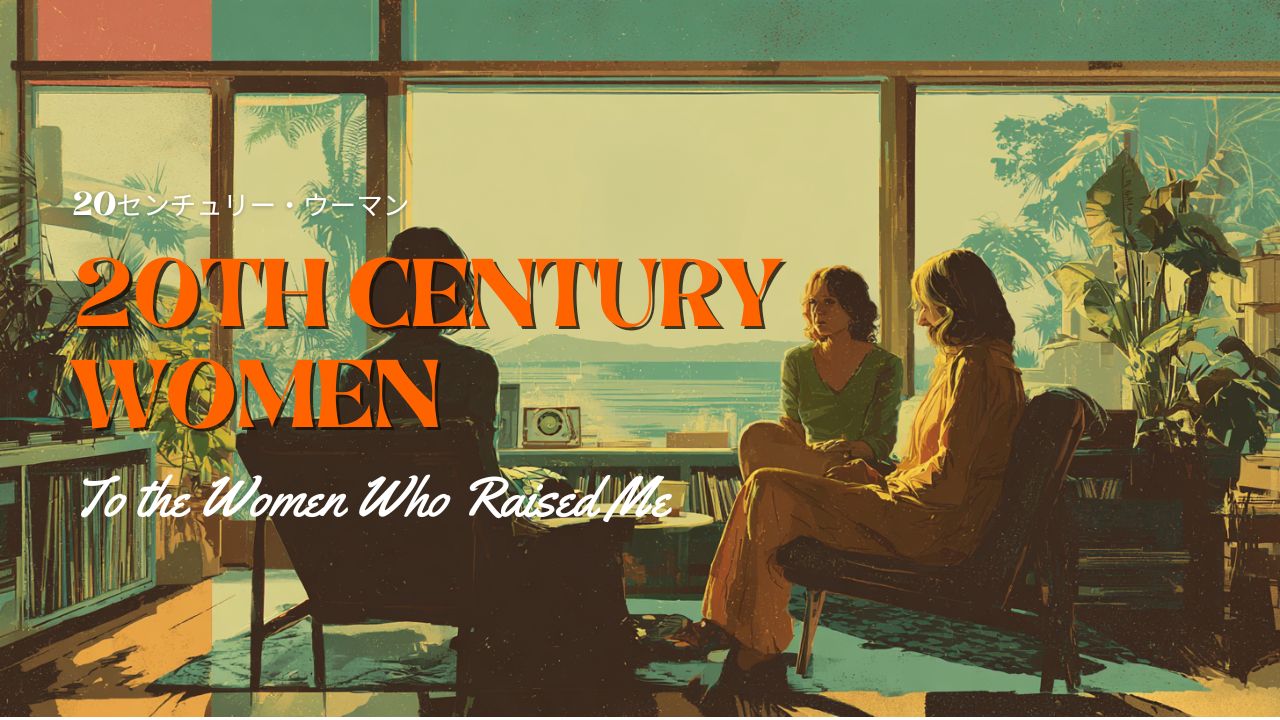
For this special day, strongly recommending Mike Mills’s 2016 20th Century Women. This work heartwarming ensemble drama set in 1979 California, depicting story of 55-year-old single mother Dorothea, 15-year-old son Jamie, young women surrounding them.
Dorothea played by Annette Bening feels distance from son Jamie entering adolescence, seeks “child-rearing” help from 20s Abbie (Greta Gerwig) and teens Julie (Elle Fanning), younger generation women. However, feminist Abbie responds to this request in bold method Dorothea didn’t anticipate, beautifully depicting themes deeply resonating with Sexual and Reproductive Health Awareness Day ideals: comprehensive sex education importance for youth, males also sex education subjects, value clash and understanding across generations. Mike Mills’s delicate direction and women’s solidarity across generations sublimate universal sex education theme into deeply moving work.
Basic Information & Synopsis
→ For synopsis and production information, see our Database Article
Director: Mike Mills
Year: 2016
Runtime: 119 minutes
Production: A24, Annapurna Pictures
Commemorative Day: International Day for Sexual and Reproductive Health Awareness (February 13)
Background Knowledge
Mike Mills Director and Autobiographical Elements
Mike Mills director known for delicate, poetic filmmaking, directing Beginners (2010) depicting Christopher Plummer who won Academy Award Best Supporting Actor. 20th Century Women strongly autobiographical work created as “love letter” to his mother and sister.
As Mills himself states: “I felt like I was raised by my mother and sisters. So I always relied on punk scene women and surrounding women trying to understand my life as straight white male. So I wanted to make film about that.” Jamie character reflects director’s own experience, Dorothea and Abbie inspired by his mother and sister respectively.
Our Bodies, Ourselves and Feminist Sex Education
Our Bodies, Ourselves appearing in film is actual feminist literature published 1970 by Boston Women’s Health Book Collective. This book revolutionary work preaching importance of women themselves speaking about women’s bodies, sexuality, reproduction, becoming Second Wave Feminism symbol.
Menstruation, intercourse, contraception, pregnancy, childbirth, menopause—about women’s bodily experiences previously taboo, this book medically accurate yet written from women’s perspective, greatly influencing sex education field.
What Makes It Exceptional
Natural Sex Education Depiction Because Semi-Autobiographical Film
This work’s finest point: sex education depicted not as planned but accidental product. Dorothea simply vaguely requested “help raising son.” She held conservative values, didn’t anticipate feminist sex education.
However, coincidentally, one person she asked for help was feminist Abbie, creating unexpected development. Abbie challenges conservative values taboo-izing word “menstruation” at dinner party, consequently creating trigger for Jamie himself saying “I want to know about women’s bodies.”
This setup cinematically rare, but considering this work Mills director’s semi-autobiographical film, understandable Mills himself raised this way. Therefore, this sex education depiction not pushy, extremely natural and authentic. Depicted not as planned educational scene but naturally occurring in daily life, sometimes unexpected form.
Expressing Characters’ Inner Selves Through Music
This work’s another strength: expressing characters’ inner selves and generational differences through music.
Each character’s hobby or theme song selection interestingly features contrasting coexistence of well-sung calm jazz versus poorly-played passionate punk. This musical contrast symbolically expresses value differences between Dorothea’s generation and Abbie’s generation.
Particularly film’s ending magnificent, beginning with Rudy Vallee & His Connecticut Yankees’s “As Time Goes By” after Dorothea’s favorite Casablanca, flowing into Buzzcocks’s “Why Can’t I Touch It?” representing Jamie’s feelings about Julie not letting him, perfect development. This music flow makes post-film lingering deeper.
Related Articles
- 20th Century Women Database – Synopsis & Production Details
- Mike Mills – Filmmaker Profile
- Annette Bening – Actor Profile
- Greta Gerwig – Actor Profile
はじめに
世代を超えた性教育と、若者に伝えるべき身体と心の知識を描いた青春群像劇
2月13日は、国際NGOや教育団体により推進される「性と生殖の健康啓発デー」(International Day for Sexual and Reproductive Health Awareness)です。この日は若者の性教育やリプロダクティブ・ヘルスへの理解を促進することを目的としており、世界中で性に関する正しい知識の普及、若者への包括的な性教育の重要性、そして性と生殖の健康に関する権利の啓発活動が行われています。
この特別な日に観るべき作品として、マイク・ミルズ監督による2016年の『20センチュリー・ウーマン』(20th Century Women)を強く推奨します。本作は、1979年のカリフォルニアを舞台に、55歳のシングルマザー、ドロシアと15歳の息子ジェイミー、そして彼らを取り巻く若い女性たちの物語を描いた心温まる群像劇です。
アネット・ベニング演じるドロシアは、思春期を迎えた息子ジェイミーとの距離を感じ、20代のアビー(グレタ・ガーウィグ)と10代のジュリー(エル・ファニング)という若い世代の女性たちに「子育て」の助けを求めます。しかし、フェミニストであるアビーは、ドロシアが想定していなかった大胆な方法でこの依頼に応え、若者への包括的な性教育の重要性、男性も性教育の対象であること、世代を超えた価値観の衝突と理解といった、性と生殖の健康啓発デーの理念に深く共鳴するテーマを美しく描き出しています。マイク・ミルズ監督の繊細な演出と、世代を超えた女性たちの連帯が、性教育という普遍的なテーマを、深い感動作へと昇華させています。
基本情報・あらすじ
→ あらすじや製作情報はデータベース記事へ
監督: マイク・ミルズ
製作年: 2016年
上映時間: 119分
制作: A24、アナプルナ・ピクチャーズ
記念日: 性と生殖の健康啓発デー(2月13日)
予備知識
マイク・ミルズ監督と自伝的要素
マイク・ミルズは、『人生はビギナーズ』(2010年)でアカデミー助演男優賞を受賞したクリストファー・プラマーを描いた、繊細で詩的な映画作りで知られる監督です。『20センチュリー・ウーマン』は、彼の母親と姉への「ラブレター」として作られた自伝的要素の強い作品です。
ミルズ自身が語るように、「僕は母と姉たちに育てられたような感覚があった。だからいつもパンクシーンの女性たちや周囲の女性たちに頼って、ストレートな白人男性としての自分の人生を理解しようとしていた。だからそれについて映画を作りたかった」。ジェイミーのキャラクターは監督自身の経験を反映していますが、ドロシアとアビーはそれぞれ彼の母親と姉にインスパイアされています。
『Our Bodies, Ourselves』とフェミニスト性教育
映画に登場する『Our Bodies, Ourselves』(私たちの体、私たち自身)は、1970年にボストン女性健康書集団によって出版された実在のフェミニスト文献です。この本は、女性の身体、性、生殖について、女性自身が語ることの重要性を説いた革命的な書籍で、第二波フェミニズム運動の象徴となりました。
月経、性交、避妊、妊娠、出産、更年期など、それまでタブー視されていた女性の身体的経験について、医学的に正確でありながら、女性の視点から記述されたこの本は、性教育の分野に大きな影響を与えました。
優れている点
半自伝的映画だからこそのナチュラルな性教育描写
本作の最も優れた点は、性教育が計画的ではなく、偶然の産物として描かれていることです。ドロシアは単に「息子の子育てを手伝って」と漠然とした助けを求めただけでした。彼女は保守的な価値観を持っており、フェミニスト的な性教育など想定していませんでした。
しかし、偶然にも、助けを求めた相手の一人がフェミニストのアビーだったことで、予期せぬ展開が生まれます。アビーは、ディナーパーティーで「menstruation」という言葉をタブー視する保守的な価値観に挑戦し、結果的にジェイミー自身が「女性の身体について知りたい」と言い出すきっかけを作ります。
この設定は映画的には稀有なものですが、本作がミルズ監督の半自伝的作品であることを考えると、ミルズ自身がこのように育てられたのだと理解できます。だからこそ、この性教育の描写は押し付けがましくなく、極めてナチュラルで真実味があります。計画的な教育シーンとして描かれるのではなく、日常生活の中で自然に、時には予期せぬ形で起こるものとして描かれているのです。
音楽で表現する登場人物の内面
本作のもう一つの優れた点は、音楽を通じて登場人物たちの内面や世代間の違いを表現していることです。
登場人物それぞれの趣味またはテーマ曲といった選曲は、歌は上手いが落ち着きのあるジャズと、演奏は下手だが情熱はあるパンクが対照的に混在しているのも興味深い特徴です。この音楽の対比は、ドロシアの世代とアビーの世代の価値観の違いを象徴的に表現しています。
特に映画の終わり方は素晴らしく、ドロシアの好きだった『カサブランカ』にちなんでRudy Vallee & His Connecticut Yankeesの「As Time Goes By」から始まり、ジュリーにヤラせてもらえないジェイミーの気持ちを代弁したBuzzcocksの「Why Can’t I Touch It?」へと流れていく展開が完璧です。この音楽の流れが、映画を観終えた後の余韻をより深いものにしています。