
Choose Your Language / 言語を選択:
Introduction
Before Gaining Wings, Letter’s Golden Age — Era Connected by Weight Not Speed
February 18 is “Airmail Day.”
On this day 1911, Allahabad India conducted world’s first airplane postal transport. As exposition attraction, approximately 6,500 letters and postcards transported from venue to Naini about 9 kilometers away. Humber-Sommer biplane’s 13-minute flight crossed sacred great river Yamuna, safely delivered to Naini post office.
Until then, long-distance letters transported by ship, rail, stagecoach, taking weeks sometimes months to arrive. However, airplane appearance gave letters “speed.” Airmail became revolutionary means shrinking distance, accelerating time.
However, for this commemorative day, dare recommending work depicting just before gaining airmail “wings”—era when letters were sole, heaviest transmission means.
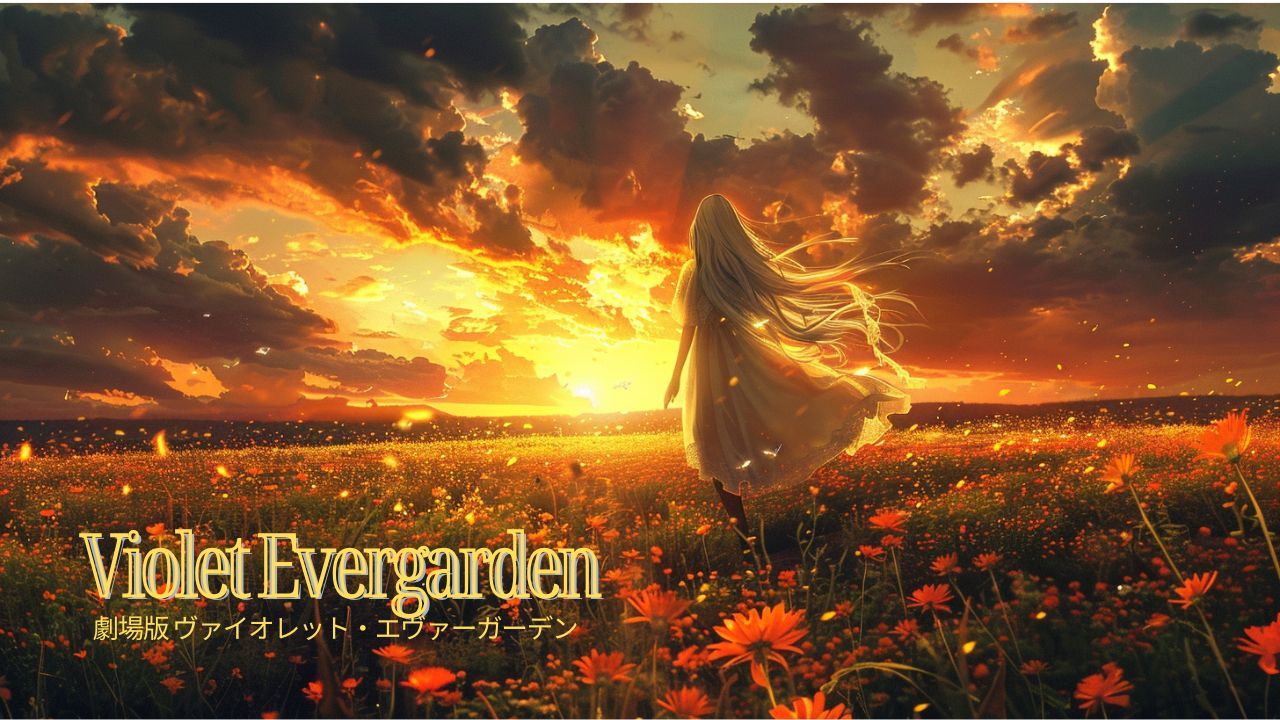
Kyoto Animation production, 2020 theatrical release Violet Evergarden: The Movie.
This work’s setting is fictional world equivalent to late 19th-early 20th century when “telephone” and “electric lights” finally beginning widespread. This era, letter main transport means were steamships and steam locomotives. Airplanes not yet common, continent-crossing letters transported by ship taking weeks.
Meaning, this work depicts one step before 1911 airmail revolution—era when letters took most time, handled most carefully.
This era, people poured souls into letters. Because taking time arriving, each letter heavy. And profession called “Auto Memory Dolls” shaped those feelings into most beautiful words.
Before convenience extremity, letter’s “most beautiful era”—that’s this work’s world.
Girl Violet Evergarden who lost both arms in war, worked as Doll ghostwriting letters, now estimated age 18, through new requests and reunion with important person, learns true meaning of “I love you.”
Basic Information & Synopsis
→ For synopsis and production information, see our Database Article
Director: Taichi Ishidate
Year: 2020
Runtime: 140 minutes
Production: Kyoto Animation
Commemorative Day: Airmail Day (February 18)
Synopsis: Several years after Great War ended, Auto Memory Doll Violet Evergarden (voice: Yui Ishikawa) estimated age 18 continues ghostwriting letters. One day, receives request from terminally ill boy Yuris wanting letters to family. Through this request, Violet once again confronts letter’s weight and power transcending time. Meanwhile, Violet hears Major Gilbert Bougainvillea might be alive on remote Ekarte Island. Violet heads to island. There, meets Gilbert living alone at lighthouse post office. Film questions: What’s letter’s true power? What’s “I love you” meaning Violet sought? Can feelings transcend time? Pre-aviation era when letters took time arriving depicted, celebrating human connections letters create.
Background Knowledge
Continuation from TV Series
Violet Evergarden: The Movie completely new theatrical film produced as TV anime series conclusion broadcast January-April 2018.
TV series depicted girl soldier Violet losing both arms in war, postwar working as “Auto Memory Doll” letter ghostwriting profession, learning human emotions and “I love you” meaning through encounters with various clients. All 13 episodes depicted Violet’s estimated age 14 several years’ growth.
Theatrical film receives TV series ending, concludes story of estimated age 18 Violet and Gilbert. Enjoyable without watching TV series, but watching enables deeper understanding Violet’s growth and emotional changes.
Original Work and Kyoto Animation Award
Original work is light novel by Akatsuki Kana, illustrations by Takase Akiko.
This work won Grand Prize in 5th Kyoto Animation Award Novel Division, first time in history, and as of 2023 still only Grand Prize winner. Kyoto Animation Award is Kyoto Animation-hosted open call new talent discovery project, Grand Prize winning extremely rare achievement.
Original novels published from KA Esuma Bunko December 2015-March 2020, total 4 volumes. Theatrical film has different ending from original.
Kyoto Animation Arson Attack and Production Difficulties
In theatrical film production, cannot avoid July 18, 2019 Kyoto Animation arson murder attack.
This attack killed 36 precious lives, injured 33. Many staff involved in this work’s production became victims, materials also lost.
Theatrical film originally scheduled January 2020 release, postponed due to attack. Then further postponed due to COVID-19 impact, finally released September 18, 2020.
Remaining staff resolved completing work for fallen colleagues. Director Taichi Ishidate aimed “depicting woman Violet Evergarden’s entire life,” insisting on depicting Gilbert as human too.
Theatrical film is work where these feelings crystallized, containing condolences for sacrificed staff.
Box Office Results and Acclaim
Theatrical film released September 18, 2020, won first-day satisfaction ranking first place. Box office exceeded 2.1 billion yen becoming massive hit, many audiences shed tears in theaters.
Reputation spreading as “super tearjerker,” “kept crying throughout,” “towel essential,” receiving high acclaim domestically and internationally. Particularly, this work depicting letter’s power and beauty supported as work resonating precisely in digital age.
What Makes It Exceptional
Overwhelming Visual Beauty
Overwhelming visual beauty by Kyoto Animation also this work’s major charm. Theatrical film develops even more beautiful imagery than TV series.
Ekarte Island’s beautiful scenery, lighthouse post office, seaside scenes—all meticulously depicted. Particularly impressive is scene where Violet jumps from ship into sea. Water spray, wave movement, light reflection—all depicted breathtakingly beautiful.
Also, scenes where Violet’s golden hair blows in wind, gets wet in rain, embraces Gilbert—every scene beautiful like paintings.
Light expression also magnificent. Soft light streaming through windows, warm twilight light, lighthouse light—light and shadow contrast delicately expresses each scene’s emotions.
Beautiful Structure as Conclusion
This work possesses magnificent structure as TV series conclusion.
Modern Daisy’s story and past Violet’s story alternately depicted, finally connecting as one. Beginning from scene where Daisy reads grandmother’s letter, to scene where Violet ghostwrote that letter—this structure expresses letter’s power transcending time.
And Yuris boy’s episode and Gilbert reunion depicted parallel, emphasizing theme “better conveying what you want while possible.”
Yuris didn’t make it in time, but Violet and Gilbert did. This contrast gives story depth.
Yuris Boy Episode’s Moving Impact
Original theatrical film character Yuris boy’s episode this work’s major charm.
Yuris accepting death from illness, requesting letters secretly from family—this setup alone induces tears, but this work’s excellence lies in carefully depicting Yuris’s feelings.
Yuris unable being honest with family, taking brusque attitude. Yuris wanting meeting best friend yet refusing not wanting showing weakened appearance.
Violet grasps such Yuris’s true feelings, writes in letters. Particularly, words to younger brother Shion “live my portion too, spoil parents my portion too” induced many audiences’ tears.
Telephone and Letter Contrast
One of this work’s important themes is “telephone and letter” contrast.
In drama world, telephones finally beginning widespread. Iris says “eventually letters will decline due to telephones.” Indeed, Yuris and Luca conveyed feelings via telephone not letter. This scene shows telephone immediacy value.
However, Violet’s ghostwritten letters delivered to Yuris’s parents and brother. Letters continue warming family’s hearts after Yuris’s death.
Telephones fast, convenient. However, letters remain as form, can be read repeatedly. This work doesn’t argue which superior, depicts each goodness.
Final scene where Daisy writes letter shows even after telephone popularization, letters never decline.
Music Power
Music by composer Evan Call also this work’s major charm.
Orchestra’s grand beautiful melody amplifies story’s emotion many times. Particularly, scene where Violet and Gilbert reunite, music heartbreakingly beautiful.
Theme song “WILL” (TRUE) moving ballad singing Violet and Gilbert’s feelings, many audiences savored lingering impressions listening to this song during end credits.
Related Articles
- Violet Evergarden: The Movie Database – Synopsis & Production Details
- Taichi Ishidate – Filmmaker Profile
- Kyoto Animation – Studio Profile
はじめに
翼を得る前の、手紙の黄金時代——速さではなく、重さで繋がった時代
2月18日は、「エアメールの日」です。
1911年のこの日、インドのアラーハーバードで世界初の飛行機による郵便輸送が行われました。博覧会のアトラクションとして、会場から約9キロメートル離れたナイーニまで、約6,500通の手紙やハガキが運ばれました。ハンバー・ソマー複葉機による13分間の飛行は、聖なる大河ヤムナー川を飛び越え、ナイーニの郵便局に無事届けられました。
それまで、遠距離の手紙は船や鉄道、馬車で運ばれ、届くまでに何週間、時には何ヶ月もかかっていました。しかし飛行機の登場により、手紙は「速さ」を手に入れました。エアメールは、距離を縮め、時間を加速させる革命的な手段となったのです。
しかし、この記念日にあえてお薦めしたいのは、エアメールという「翼」を得る直前——手紙が唯一の、そして最も重い伝達手段だった時代を描いた作品です。
京都アニメーション制作、2020年劇場公開作品『劇場版 ヴァイオレット・エヴァーガーデン』。
本作の舞台は、ようやく「電話」や「電灯」が普及し始めた19世紀末から20世紀初頭相当の架空の世界です。この時代、手紙の主な輸送手段は蒸気船や蒸気機関車でした。飛行機はまだ一般的ではなく、大陸を越える手紙は何週間もかけて船で運ばれました。
つまり、本作が描くのは、1911年のエアメール革命の一歩手前——手紙が最も時間をかけて、最も丁寧に扱われた時代なのです。
この時代、人々は手紙に魂を込めました。なぜなら、届くまでに時間がかかるからこそ、一通一通が重かったからです。そして、「自動手記人形(ドール)」と呼ばれる代筆業が、その想いを最も美しい言葉で形にしていました。
利便性が極まる前の、手紙の「最も美しい時代」——それが、本作の世界です。
戦争で両腕を失い、ドールとして手紙の代筆業に就いた少女ヴァイオレット・エヴァーガーデンが、推定18歳となった現在、新たな依頼と大切な人との再会を通じて、「愛してる」の本当の意味を知る物語です。
基本情報・あらすじ
→ あらすじや製作情報はデータベース記事へ
監督: 石立太一
製作年: 2020年
上映時間: 140分
制作: 京都アニメーション
記念日: エアメールの日(2月18日)
あらすじ: 大戦終結から数年、自動手記人形ヴァイオレット・エヴァーガーデン(声:石川由依)は推定18歳となり手紙の代筆業を続けています。ある日、余命わずかな少年ユリスから家族への手紙の依頼を受けます。この依頼を通じ、ヴァイオレットは改めて手紙の重さと時を超える力に向き合います。一方、ヴァイオレットはギルベルト・ブーゲンビリア少佐が遠く離れたエカルテ島で生きているかもしれないと聞きます。ヴァイオレットは島へ向かいます。そこで、灯台の郵便局で一人暮らすギルベルトと出会います。映画は問いかけます:手紙の真の力とは? ヴァイオレットが求めた「愛してる」の意味とは? 想いは時を超えられるのか? 飛行機登場前の手紙に時間かかった時代描き、手紙が作る人間のつながり祝福します。
予備知識
テレビシリーズからの続編
『劇場版 ヴァイオレット・エヴァーガーデン』は、2018年1月から4月に放送されたテレビアニメシリーズの完結編として制作された完全新作の劇場版です。
テレビシリーズでは、戦争で両腕を失った少女兵ヴァイオレットが、戦後に「自動手記人形(ドール)」という手紙の代筆業に就き、様々な依頼人との出会いを通じて人間の感情と「愛してる」の意味を学んでいく物語が描かれました。全13話で、ヴァイオレットの推定14歳から数年間の成長が描かれています。
劇場版は、テレビシリーズの結末を受けて、推定18歳となったヴァイオレットとギルベルトの物語を完結させる内容となっています。テレビシリーズを観ていなくても楽しめる作りですが、観ておくとヴァイオレットの成長と感情の変化がより深く理解できます。
原作と京都アニメーション大賞
原作は暁佳奈によるライトノベルで、イラストは高瀬亜貴子が担当しています。
本作は、第5回京都アニメーション大賞小説部門で、史上初めて、そして2023年現在でも唯一の大賞を受賞した作品です。京都アニメーション大賞は、京都アニメーションが主催する一般公募の新人発掘企画で、大賞受賞は極めて稀な快挙でした。
原作小説は、KAエスマ文庫から2015年12月から2020年3月にかけて全4巻が刊行されました。劇場版は、原作とは異なる結末となっています。
京都アニメーション放火事件と制作の困難
劇場版の制作において、避けて通れないのが、2019年7月18日に発生した京都アニメーション放火殺人事件です。
この事件で、36名の尊い命が失われ、33名が負傷しました。本作の制作に関わった多くのスタッフも犠牲になり、資料も失われました。
劇場版は、当初2020年1月公開予定でしたが、事件のため延期されました。そして、新型コロナウイルスの影響でさらに延期され、最終的に2020年9月18日に公開されました。
残されたスタッフたちは、犠牲になった仲間たちのためにも作品を完成させることを決意しました。石立太一監督は「ヴァイオレット・エヴァーガーデンという女性の生涯を描き切ること」を目指し、人間としてのギルベルトも描くことにこだわりました。
劇場版は、この想いが結実した作品であり、犠牲になったスタッフへの哀悼の意が込められています。
興行成績と評価
劇場版は、2020年9月18日に公開され、初日満足度ランキング1位を獲得しました。興行収入は21億円を超える大ヒットとなり、多くの観客が劇場で涙を流しました。
「超泣ける」「ずっと号泣しっぱなし」「タオル必須」と評判が評判を呼び、国内外で高い評価を得ています。特に、手紙が持つ力と美しさを描いた本作は、デジタル時代だからこそ心に響く作品として支持されています。
優れている点
圧倒的な映像美
京都アニメーションによる圧倒的な映像美も、本作の大きな魅力です。劇場版では、テレビシリーズ以上に美しい映像が展開されます。
エカルテ島の美しい風景、灯台の郵便局、海辺の情景——すべてが精緻に描かれています。特に印象的なのは、ヴァイオレットが船から海に飛び込むシーンです。水しぶき、波の動き、光の反射——すべてが息をのむほど美しく描かれています。
また、ヴァイオレットの金色の髪が風になびくシーン、雨に濡れるシーン、ギルベルトと抱き合うシーン——どの場面も、一枚一枚が絵画のような美しさです。
光の表現も見事です。窓から差し込む柔らかな光、夕暮れの温かな光、灯台の光——光と影のコントラストが、場面ごとの感情を繊細に表現しています。
完結編としての構成の美しさ
本作は、テレビシリーズの完結編として、見事な構成を持っています。
現代のデイジーの物語と、過去のヴァイオレットの物語が交互に描かれ、最後に一つに繋がります。デイジーが祖母の手紙を読むシーンから始まり、ヴァイオレットがその手紙を代筆したシーンへ——この構成が、手紙の持つ時間を超える力を表現しています。
そして、ユリス少年のエピソードとギルベルトとの再会が並行して描かれることで、「伝えたいことはできる間に伝えた方がいい」というテーマが強調されます。
ユリスは間に合いませんでしたが、ヴァイオレットとギルベルトは間に合いました。この対比が、物語に深みを与えています。
ユリス少年のエピソードの感動
劇場版オリジナルのキャラクターであるユリス少年のエピソードは、本作の大きな魅力です。
病で死を覚悟したユリスが、家族に内緒で手紙を依頼する——この設定だけで涙を誘いますが、本作が素晴らしいのは、ユリスの心情を丁寧に描いている点です。
家族に素直になれず、つっけんどんな態度をとってしまうユリス。親友に会いたいのに、弱った姿を見せたくなくて断ってしまうユリス。
ヴァイオレットは、そんなユリスの本当の気持ちを汲み取り、手紙に綴ります。特に、弟シオンへの「俺の分も生きて、俺の分も両親にあまえて」という言葉は、多くの観客の涙を誘いました。
電話と手紙の対比
本作の重要なテーマの一つが、「電話と手紙」の対比です。
劇中の世界では、電話がようやく普及し始めています。アイリスは「電話のせいでいずれ手紙は廃れる」と言います。実際、ユリスとリュカは手紙ではなく電話で想いを伝えました。この場面は、電話の即時性の価値を示しています。
しかし、ユリスの両親と弟には、ヴァイオレットが代筆した手紙が届けられました。手紙は、ユリスの死後も家族の心を温め続けます。
電話は速く、便利です。しかし、手紙は形として残り、何度も読み返すことができます。本作は、どちらが優れているかを論じるのではなく、それぞれの良さを描いています。
最後にデイジーが手紙を書くシーンは、電話が普及した後も、手紙が決して廃れないことを示しています。
音楽の力
作曲家Evan Callによる音楽も、本作の大きな魅力です。
オーケストラによる壮大で美しいメロディは、物語の感動を何倍にも増幅させています。特に、ヴァイオレットとギルベルトが再会するシーンの音楽は、胸を締め付けられるような美しさです。
主題歌「WILL」(TRUE)は、ヴァイオレットとギルベルトの想いを歌った感動的なバラードで、エンドクレジットで流れるこの曲を聴きながら、多くの観客が余韻に浸りました。