
Choose Your Language / 言語を選択:
Introduction
1000-Year Retold Japan’s Oldest Fairy Tale, Takahata Isao Questions “True Happiness”
Every year February 26 is Tell a Fairy Tale Day.
Tell a Fairy Tale Day is day reading, telling, listening fairy tales worldwide. Grimm’s Fairy Tales, Hans Christian Andersen’s Fairy Tales, Charles Perrault’s tales—these stories told across generations for centuries. Fairy tales possess power nurturing imagination, teaching morality, conveying life’s truths.
Most suitable film watching this Tell a Fairy Tale Day is 2013 animation film The Tale of the Princess Kaguya directed by Takahata Isao.
This film based on Japan’s oldest narrative literature The Tale of the Bamboo Cutter (10th century). The Tale of the Bamboo Cutter told to Japanese people over 1000 years, Japan’s “ultimate fairy tale.” Beautiful princess born from bamboo, rejects five noble suitors and emperor’s proposals, finally returns to moon—this story known by every Japanese person.
However, Takahata Isao director didn’t depict The Tale of the Bamboo Cutter as mere fairy tale. Director invested 8-year production period and over 5 billion yen production cost (Studio Ghibli’s highest ever), depicted Princess Kaguya as “one human being.” Why was Princess Kaguya born on Earth? Why must she return to moon? And what is true happiness?
The Tale of the Princess Kaguya became final work of Takahata Isao director who died 2018 age 82. Director in life’s final work, through “fairy tale,” posed most important questions to us.
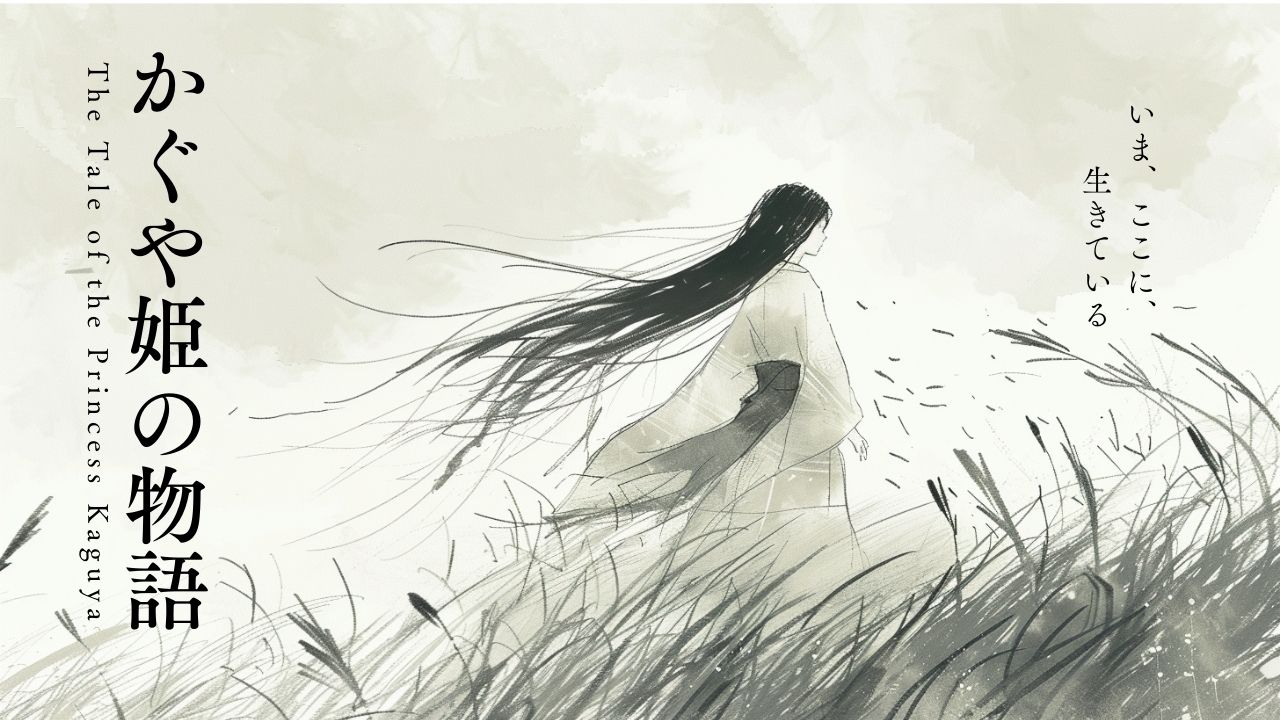
Film’s visual expression also revolutionary. Watercolor-like hand-drawn animation, moving picture scroll—this perfect fusion of traditional Japanese art and animation. Critics acclaimed this work “Rotten Tomatoes 100% approval rating,” “Academy Award Best Animated Feature nomination.”
Watching The Tale of the Princess Kaguya on Tell a Fairy Tale Day, why don’t we consider reasons fairy tales told across generations, universal truths fairy tales teach us, significance retelling traditional stories in modern times?
Basic Information & Synopsis
→ For synopsis and production information, see our Database Article
Director: Takahata Isao
Year: 2013
Runtime: 137 minutes
Production: Studio Ghibli
Commemorative Day: Tell a Fairy Tale Day (February 26)
Background Knowledge
Director Takahata Isao: Studio Ghibli Master
Takahata Isao (October 29, 1935 – April 5, 2018) representative Japanese animation director. Supported Studio Ghibli with Miyazaki Hayao, created numerous masterpieces.
Path to Princess Kaguya: Actually, Takahata Isao considered The Tale of the Bamboo Cutter animation immediately after joining Toei Animation 1959. Then, director Uchida Tomu’s The Tale of the Bamboo Cutter animation film project existed, Takahata created plot. However, project unrealized.
Over 50 years later, Takahata age 76 finally realized The Tale of the Bamboo Cutter animation. Takahata poured life’s final passion into this work.
Original Release Plan: The Tale of the Princess Kaguya originally scheduled simultaneous release with Miyazaki Hayao director’s The Wind Rises. Simultaneous releasing two Ghibli works major challenge for Studio Ghibli.
However, The Tale of the Princess Kaguya production delayed, ultimately The Wind Rises released July 20, 2013, The Tale of the Princess Kaguya released November 23 same year.
Animation Director Tanabe Osamu’s Role: Character design/animation design Tanabe Osamu requested by Takahata director depicting “realistic characters.” Tanabe expressed princess’s subtle emotional changes through facial expressions and body movements.
Especially, scene princess flees mansion running toward mountain village, drawing touch violently breaks apart, expressing princess’s emotional explosion. This scene evaluated as masterpiece scene remaining in animation history.
Ando Masashi’s Testimony: Ando Masashi (animation director Spirited Away etc.) participating from production beginning as animator reflected: “Made me newly realize animation established by drawings, expressing something fundamentally being drawing.”
What Makes It Exceptional
Revolutionary Visual Expression: Moving Picture Scroll
The Tale of the Princess Kaguya‘s most revolutionary aspect is visual expression.
Watercolor-like Animation: Takahata director further advanced “hand-drawn style utilizing animators’ drawn lines” introduced in previous work My Neighbors the Yamadas.
Normal animation, animators’ drawn lines “cleaned up,” becoming uniform lines. However, Takahata director demanded leaving animators’ raw lines—pen pressure changes, line fluctuations—as is.
Backgrounds also not “completed pictures” like normal animation but drawn as “pictures with blank space.” Art director Oga Kazuo requested by Takahata director drawing “extracted pictures.”
Result, film gave audiences powerful impression as “moving picture scroll,” “visual watercolors moving directly.”
Blank Space Aesthetics: Japanese traditional picture scrolls and ink paintings contain “blank space.” Not drawing everything but deliberately leaving empty space stimulates viewers’ imagination.
Takahata director incorporated this “blank space aesthetics” into animation. Backgrounds not completely drawn in, brush touches remain, paper whiteness visible.
This “blank space” brings unique poetry and quietness to film.
Four Seasons Beauty: Film carefully depicts Japanese four seasons beauty. Spring cherry blossoms, summer green, autumn moon, winter snow—each season expressed with watercolor-like gentle touch.
Especially, scene princess playing with children in mountain village perfectly captures Japanese rural landscape beauty.
Emotional Explosion: Running Scene: Scene princess escapes from betrothal banquet running toward mountain village most impressive scene in film.
This scene, drawing touch violently breaks apart, lines disorder, colors overflow. This visually expresses princess’s emotional explosion.
Animation expressing emotions this much, no other comparable scenes exist.
Princess Kaguya’s Humanity: From Fairy Tale to Flesh-and-Blood Human
The Tale of the Bamboo Cutter‘s conventional interpretations often depicted Princess Kaguya as “beautiful but cold,” “unreadable emotions” character.
However, Takahata director depicted Princess Kaguya as “flesh-and-blood human.”
Childhood Happiness: Scene princess playing with children in mountain village original not in source material. Takahata director carefully depicted princess’s “happy era.”
Princess runs through fields with Sutemaru and others, laughs, sings, celebrates freedom. This era’s princess pure, lively.
Capital Suffering: After moving to capital, princess forced becoming “noble lady.” Teeth-blackening, eyebrow-shaving, twelve-layered robes—these are “cage” stealing princess’s freedom.
Princess endures to please old bamboo cutter, but internally suffering. This conflict evokes audience empathy.
Emotional Explosion: Scene princess flees mansion is princess’s emotional explosion. All suffering endured until now erupts at once.
This scene, audience strongly realizes princess not mere “fairy tale protagonist” but “one human being.”
Music
Children’s Song: Important role in film played by “children’s song” composed by Takahata Isao, lyrics co-written with screenwriter Sakaguchi Riko.
“Birds insects beasts grass trees flowers blooming bearing fruit scattering spring summer autumn winter repeating heaven earth circulation wind light water gathering repeatedly life revives”
These lyrics sing four seasons circulation, life cycle, nature’s providence. “Senguri” Kyoto dialect meaning “repeatedly.”
This “children’s song” song Princess Kaguya sang with Sutemaru and others during childhood, flows at film’s beginning and end.
Theme Song: Nikaido Kazumi “Memory of Life”: Ending theme song “Memory of Life” sung by Nikaido Kazumi. This song sings Princess Kaguya’s Earth memories and life’s preciousness.
Related Articles
- The Tale of the Princess Kaguya Database – Synopsis & Production Details
- Takahata Isao – Filmmaker Profile
はじめに
1000年語り継がれた日本最古のおとぎ話、高畑勲が問う「本当の幸せ」
毎年2月26日はTell a Fairy Tale Day(おとぎ話の日)です。
Tell a Fairy Tale Dayは、世界中のおとぎ話を読み、語り、聞く日です。グリム童話、アンデルセン童話、シャルル・ペローの童話——これらの物語は、何世紀にもわたって世代を超えて語り継がれてきました。おとぎ話には、想像力を育み、道徳を教え、人生の真実を伝える力があります。
このTell a Fairy Tale Dayに観るのに最適な映画が、高畑勲監督による2013年のアニメーション映画『かぐや姫の物語』です。
この映画は、日本最古の物語文学『竹取物語』(10世紀頃)を原作としています。『竹取物語』は、1000年以上にわたって日本人に語り継がれてきた、日本の「究極のおとぎ話」です。竹から生まれた美しい姫が、5人の貴公子と帝の求婚を退け、最後には月に帰っていく——この物語は、日本人なら誰もが知っています。
しかし、高畑勲監督は『竹取物語』を単なるおとぎ話として描きませんでした。監督は、8年の制作期間と50億円を超える製作費(スタジオジブリ史上最高額)を投じて、かぐや姫を「一人の人間」として描きました。なぜかぐや姫は地球に生まれたのか? なぜ月に帰らなければならなかったのか? そして、本当の幸せとは何なのか?
『かぐや姫の物語』は、2018年に82歳で亡くなった高畑勲監督の遺作となりました。監督は、生涯最後の作品で、「おとぎ話」を通じて、私たちに最も重要な問いを投げかけたのです。
映画の映像表現も革新的です。水彩画のような手描きアニメーション、動く絵巻物——これは、伝統的な日本美術とアニメーションの完璧な融合です。批評家たちは「Rotten Tomatoes支持率100%」「アカデミー賞長編アニメーション賞ノミネート」として、この作品を絶賛しました。
Tell a Fairy Tale Dayに『かぐや姫の物語』を観ることで、おとぎ話が何世代にもわたって語り継がれる理由、おとぎ話が私たちに教える普遍的な真実、そして伝統的な物語を現代に語り継ぐ意義について考えてみませんか。
基本情報・あらすじ
→ あらすじや製作情報はデータベース記事へ
監督: 高畑勲
製作年: 2013年
上映時間: 137分
制作: スタジオジブリ
記念日: おとぎ話の日(2月26日)
予備知識
高畑勲監督:スタジオジブリの巨匠
高畑勲(たかはた・いさお、1935年10月29日〜2018年4月5日)は、日本を代表するアニメーション監督です。宮崎駿と共にスタジオジブリを支え、数々の名作を生み出しました。
『かぐや姫の物語』への道: 実は、高畑勲が『竹取物語』のアニメ化を考えたのは、1959年に東映動画に入社した直後でした。当時、内田吐夢監督による『竹取物語』のアニメーション映画の企画があり、高畑はプロットを創案しました。しかし、この企画は実現しませんでした。
それから50年以上が経ち、高畑は76歳で、ついに『竹取物語』のアニメ化を実現しました。高畑は、この作品に生涯最後の情熱を注ぎました。
当初の公開予定: 『かぐや姫の物語』は、当初、宮崎駿監督の『風立ちぬ』と同時公開される予定でした。2つのジブリ作品を同時公開することは、スタジオジブリにとって大きな挑戦でした。
しかし、『かぐや姫の物語』の制作が遅れ、最終的には『風立ちぬ』が2013年7月20日に、『かぐや姫の物語』が同年11月23日に公開されました。
作画監督・田辺修の役割: 人物造形・作画設計の田辺修は、高畑監督から「実感のあるキャラクター」を描くよう求められました。田辺は、かぐや姫の感情の微細な変化を、表情と身体の動きで表現しました。
特に、姫が屋敷を飛び出して山里に向かって走るシーンでは、絵のタッチが激しく崩れ、姫の感情の爆発を表現しています。このシーンは、アニメーション史に残る名シーンとして評価されています。
安藤雅司の証言: 作画として制作初期から参加した安藤雅司(『千と千尋の神隠し』作画監督など)は、「アニメが絵によって成り立っているということ、何かを表現するということがそもそも絵であることを改めて実感させられた」と振り返っています。
優れている点
革新的な映像表現:動く絵巻物
『かぐや姫の物語』の最も革新的な点は、その映像表現です。
水彩画のようなアニメーション: 高畑監督は、前作『ホーホケキョ となりの山田くん』で導入された「アニメーターの描いた線を生かした手書き風のスタイル」を、本作でさらに推し進めました。
通常のアニメーションでは、アニメーターが描いた線は「清書」され、均一な線になります。しかし、高畑監督は、アニメーターの生の線——筆圧の変化、線の揺らぎ——をそのまま残すことを要求しました。
背景も、通常のアニメーションのような「完成された絵」ではなく、「余白のある絵」として描かれました。美術監督の男鹿和雄は、高畑監督から「抜いた絵」を描くよう求められました。
結果として、映画は「動く絵巻物」「水彩画がそのまま動き出したような映像」として、観客に強烈な印象を与えました。
余白の美学: 日本の伝統的な絵巻物や水墨画には、「余白」があります。すべてを描き込むのではなく、あえて空白を残すことで、観る者の想像力を刺激します。
高畑監督は、この「余白の美学」をアニメーションに取り入れました。背景は、完全に描き込まれているわけではなく、筆のタッチが残り、紙の白さが見えます。
この「余白」が、映画に独特の詩情と静けさをもたらしています。
四季の美しさ: 映画は、日本の四季の美しさを丁寧に描いています。春の桜、夏の緑、秋の月、冬の雪——それぞれの季節が、水彩画のような優しいタッチで表現されています。
特に、姫が山里で子供たちと遊ぶシーンは、日本の田園風景の美しさを完璧に捉えています。
感情の爆発:走るシーン: 姫が披露の宴から逃げ出し、山里に向かって走るシーンは、映画の中で最も印象的なシーンです。
このシーンでは、絵のタッチが激しく崩れ、線が乱れ、色が溢れます。これは、姫の感情の爆発を視覚的に表現しています。
アニメーションでこれほど感情を表現したシーンは、他に類を見ません。
かぐや姫の人間性:おとぎ話から生身の人間へ
『竹取物語』の従来の解釈では、かぐや姫は「美しいが冷たい」「感情が読めない」キャラクターとして描かれることが多くありました。
しかし、高畑監督は、かぐや姫を「生身の人間」として描きました。
子供時代の幸せ: 姫が山里で子供たちと遊ぶシーンは、原作にはないオリジナルです。高畑監督は、姫の「幸せだった時代」を丁寧に描きました。
姫は、捨丸たちと一緒に野山を駆け回り、笑い、歌い、自由を謳歌します。この時代の姫は、純粋で、生き生きとしています。
都での苦しみ: 都に移ってから、姫は「高貴な姫君」になることを強制されます。お歯黒、眉剃り、十二単——これらは、姫の自由を奪う「檻」です。
姫は、翁を喜ばせるために我慢しますが、内心では苦しんでいます。この葛藤が、観客の共感を呼びます。
感情の爆発: 姫が屋敷を飛び出すシーンは、姫の感情の爆発です。これまで我慢してきたすべての苦しみが、一気に噴き出します。
このシーンで、観客は、姫が単なる「おとぎ話の主人公」ではなく、「一人の人間」であることを強く実感します。
音楽
わらべ唄: 映画の中で重要な役割を果たすのが、高畑勲が作曲し、脚本の坂口理子と共同で作詞した「わらべ唄」です。
「鳥 虫 けもの 草 木 花 咲き実り 散りゆく 春 夏 秋 冬 繰り返す 天地の めぐり 風 光 水を 集めて せんぐり いのちが よみがえる」
この歌詞は、四季の循環、命の巡り、自然の摂理を歌っています。「せんぐり」とは京言葉で「何度も」という意味です。
この「わらべ唄」は、かぐや姫が子供時代に捨丸たちと歌った歌であり、映画の冒頭と最後に流れます。
主題歌:二階堂和美「いのちの記憶」: エンディング主題歌「いのちの記憶」は、二階堂和美が歌っています。この曲は、かぐや姫の地上での記憶と、生命の尊さを歌っています。
関連記事
- かぐや姫の物語 データベース – あらすじ・製作情報
- 高畑勲 – 監督プロフィール