
Choose Your Language / 言語を選択:
Introduction
Qipao Blooming Like Flowers, Floral-Wrapped Space — Colors and Patterns Tell Wordless Love Story
February 28 is National Floral Design Day.
This commemorative day established honoring Carl Rittner’s birthday, born February 28, 1914. Rittner founded Rittners School of Floral Design in Boston 1947, known as floral art education pioneer.
1995, Massachusetts Governor William F. Weld officially proclaimed this day “Floral Design Day.” This day celebrates floral design art forms—bouquets, paintings, textiles, gardens, floral arrangements—recognizing their history and cultural importance.
Floral design history traces back to ancient Egypt. Tomb paintings and sculptures depict bouquets made from lotus flowers and buds. For thousands of years, floral design remained important cultural art form worldwide. Modern era, floral design multi-billion dollar industry adorning weddings, anniversaries, holidays, daily life, brightening our lives.
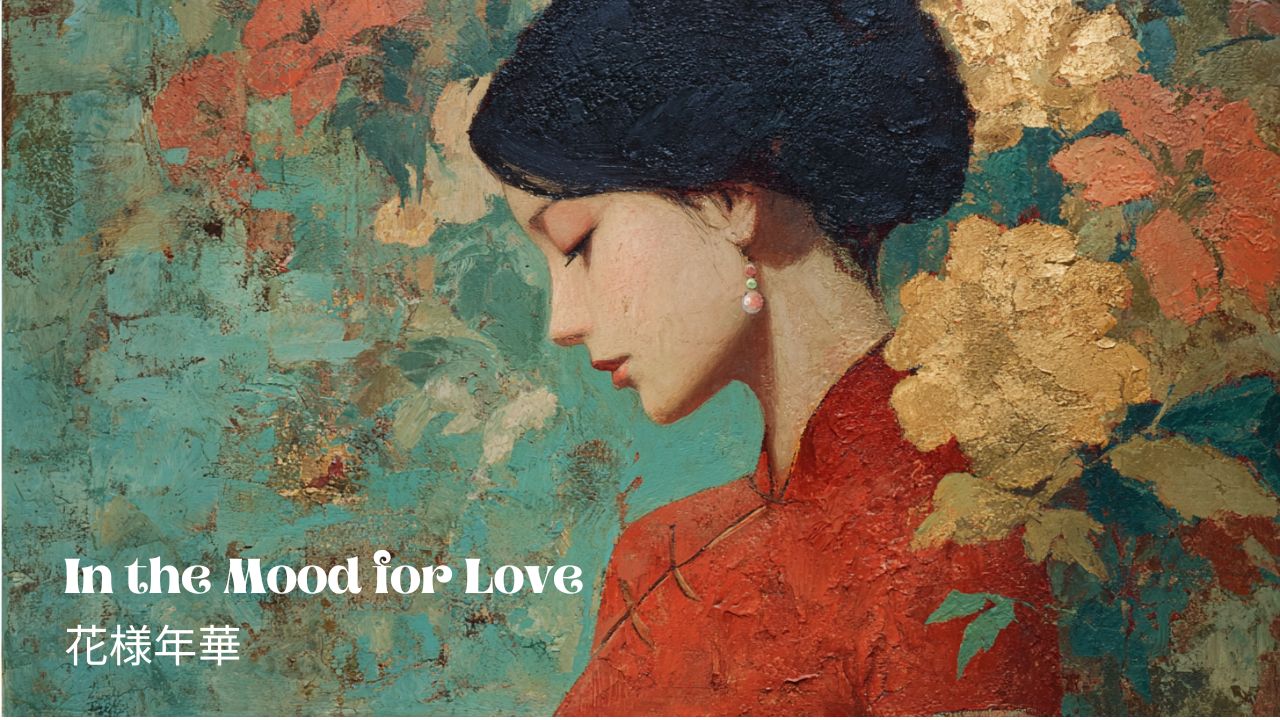
For this special day, strongly recommending Wong Kar-wai director’s 2000 In the Mood for Love (original title: 花樣年華).
This work’s title itself means “flower-like beautiful years,” symbolizing youth, beauty, love’s transience.
Maggie Cheung playing Su Lizhen wearing over 20 gorgeous qipaos (cheongsams) are literally “moving floral design.” Peonies, lotus, abstract florals—each qipao created with different colors, patterns, fabrics, telling her emotions and story. And astonishingly, film’s space itself filled with florals—wallpaper, curtains, lampshades, all decorated with flower motifs, enveloping protagonist.
Wong Kar-wai and art director William Chang used colors and patterns visually expressing love, jealousy, loneliness, desire unspoken in words. Red is love and temptation, green is jealousy, white and blue are purity and loneliness—qipao colors and florals become “emotional language” reflecting characters’ inner worlds.
Watching In the Mood for Love on Floral Design Day becomes excellent opportunity rediscovering how flowers as art form express human emotions, beautify spaces, tell stories. And within 1960s Hong Kong limited space, surrounded by florals, blooming then scattering unfulfilled love story captivates hearts.
Basic Information & Synopsis
→ For synopsis and production information, see our Database Article
Director: Wong Kar-wai
Year: 2000
Runtime: 98 minutes
Production: Block 2 Pictures, Jet Tone Production
Commemorative Day: National Floral Design Day (February 28)
Background Knowledge
Filming Without Script
Wong Kar-wai known for making films without completed script or storyboards. In the Mood for Love no exception. Initially “A Story About Food” project based on Japanese short story, planning depicting neighbors buying noodles. However, as filming progressed, director decided expanding this single episode into entire film’s core.
Tony Leung later stated: “Half of filming, we didn’t know what we were shooting”
15-Month Filming Period
Filming extended 15 months. Wong Kar-wai shot scenes, remade if disliked, changed roles, reshot different locations different days. Ultimately, filmed footage amount reached over 30 times final version. Many scenes unused, some footage later inspired sequel 2046.
Editing continued until morning before premiere screening at 2000 Cannes Film Festival.
Two Cinematographers
Initially, cinematographer was Wong Kar-wai’s longtime collaborator Christopher Doyle (Du Kefeng). This their sixth collaboration. However, filming greatly exceeded schedule, Doyle left midway, replaced by Taiwan’s renowned cinematographer Mark Lee Ping-bin.
Final film credits both equally. Doyle’s more dynamic style and Lee’s delicate long-take style seamlessly fused.
Bangkok Filming
Interestingly, to recreate 1960s Hong Kong, most film shot in Bangkok. Hong Kong’s urban landscape rapidly modernized, little remained of 1960s era Wong Kar-wai saw in childhood.
Change From Original Concept
Early concept planned more physically intimate, sexually charged story. However, as filming progressed, film’s tone changed. As actors immersed in dialogue silences, story evolved into meditative work about suppressed desire and unrequited love rather than adultery and betrayal.
Wong Kar-wai states: “Initially, thought this easy film. Only two characters, story about them. But actually realized much harder than previous works with ten characters. Because had to infuse many details”
Maggie Cheung’s Dedication
Maggie Cheung spent 4 hours daily on makeup and costumes. She wore different qipao each scene, fabrics intentionally chosen to harmonize or contrast with surrounding interiors.
Filming extended long-term, improvisational, repeatedly reshot, reportedly causing occasional tensions between Maggie Cheung and Wong Kar-wai. However, that conflict helped create suppressed emotions’ authenticity at film’s core.
In the Mood for Love Title Meaning
花樣年華 (Huāyàng niánhuá) Chinese idiom meaning “flower-like beautiful years,” “life’s flowering period.” This refers to youth, beauty, love’s most brilliant period, simultaneously implying transience. Flowers bloom beautifully but eventually scatter.
This title taken from same-name song by Zhou Xuan used in 1946 Chinese film. English title “In the Mood for Love” derives from same-name song Wong Kar-wai director heard during post-production. Director initially planned naming film “Secrets” but changed after hearing this song.
What Makes It Exceptional
Enclosed Flower Garden — Red and Florals Dominate 1960s Hong Kong
In In the Mood for Love, Maggie Cheung playing Mrs. Su Lizhen wears 20-25 different qipaos (director himself uncertain exact number). Wong Kar-wai and William Chang researched approximately 300 1950s-60s films, inspired by period qipao designs, produced approximately 50 qipaos for this work.
These qipaos cost $2,500 (approximately ¥250,000) each, Maggie Cheung herself stated “extremely uncomfortable wearing due to specially high collars.” However, that discomfort helped expressing Su Lizhen’s suppressed emotions and social constraints.
Qipaos’ Role:
Film lacks clear time passage captions. New qipao appearance indicates new day, new night, new emotion. Wong Kar-wai states: “Dress not mere dress. It’s mood of character Maggie plays. As if she wearing that day’s mood”
Floral Qipaos — Floral Design in Film:
Many qipaos Su Lizhen wears feature florals. And astonishingly, room wallpaper, curtains, lampshades also use florals. Wong Kar-wai and William Chang intentionally harmonized or contrasted these florals, creating visual beauty and narrative.
Wong Kar-wai and William Chang’s Color Design — Red Tells Love and Desire
In the Mood for Love‘s color design one of film history’s most sophisticated. Wong Kar-wai and art director-costume designer William Chang used color as emotion’s visual language.
Red — Love, Passion, Temptation:
Throughout entire film, red used as overwhelmingly dominant color. Hotel room curtains, towels, doors, lampshades—places two meet secretly always wrapped in red.
Red traditionally symbolizes love and passion, but In the Mood for Love serves role of sensuality and temptation. Film never depicts two kissing or becoming physically intimate. However, red’s overwhelming presence expresses suppressed desire without words or actions.
Su Lizhen’s red qipao, red curtains filling hotel room, red lighting—red like third character always witnesses their relationship. It silent witness symbolizing their secret bond and hidden truth of spouses’ affair.
Warm and Cool Colors — Emotion’s Temperature:
Wong Kar-wai and William Chang alternately used warm colors (red, orange, yellow) and cool colors (blue, green, gray), visually expressing characters’ emotional changes. Warm colors suggest heightening emotions and intimacy, cool colors suggest cooling emotions and distance.
This color contrast becomes important means telling characters’ inner worlds in film with minimal dialogue.
Christopher Doyle’s Cinematography — Flowers in Darkness
Cinematographer Christopher Doyle (Du Kefeng) indispensable presence realizing Wong Kar-wai’s visual poetry. Doyle’s camera heavily uses close-ups, focusing on Su Lizhen’s qipao colors and patterns.
Colors in Darkness: Many In the Mood for Love scenes filmed in dimly lit or shadowed environments. Within this darkness, Su Lizhen’s qipao vivid colors and florals attract audience eyes. Like flowers blooming in darkness.
Narrow Spaces and Slow Motion: Camera chases characters through narrow stairs, dim corridors, shadowed alleys. Scene Su Lizhen walking through narrow corridor in slow motion one of film’s most iconic images. Her qipao florals flow with movement, creating dream-like sensation as if time stretched.
Framing and Restraint: Doyle’s camera often uses door frames, window frames, wall corners trapping characters within frames. This visually expresses them trapped by social norms and self-restraint.
Related Articles
- In the Mood for Love Database – Synopsis & Production Details
- Wong Kar-wai – Filmmaker Profile
- Maggie Cheung – Actor Profile
はじめに
花のように咲き誇る旗袍、花柄に包まれた空間——色彩とパターンが語る、言葉にならない愛の物語
2月28日は、National Floral Design Day(フローラルデザインの日)です。
この記念日は、1914年2月28日に生まれたカール・リットナー(Carl Rittner)の誕生日を記念して制定されました。リットナーは、1947年にボストンでリットナー・スクール・オブ・フローラルデザイン(Rittners School of Floral Design)を創設し、フローラルアートの教育者としてのパイオニアとして知られています。
1995年、マサチューセッツ州知事ウィリアム・F・ウェルドがこの日を正式に「フローラルデザインの日」と宣言しました。この日は、花を使ったデザインという芸術形態——ブーケ、絵画、テキスタイル、庭園、フローラルアレンジメント——を祝い、その歴史と文化的重要性を認識する日です。
フローラルデザインの歴史は古代エジプトにまで遡ります。墓の絵画や彫刻には、ハスの花とつぼみで作られたブーケが描かれています。何千年もの間、フローラルデザインは世界中で重要な文化的芸術形態であり続けてきました。現代では、フローラルデザインは数十億ドル規模の産業として、結婚式、記念日、ホリデー、日常生活を彩り、私たちの人生を明るくしています。
この特別な日に観るべき作品として、ウォン・カーウァイ監督による2000年の『花様年華』(In the Mood for Love / 原題:花樣年華)を強く推奨します。
本作のタイトルそのものが「花のように美しい年月」を意味し、青春、美、愛の儚さを象徴しています。
マギー・チャン演じるス・リーチェン(蘇麗珍)が着る20枚以上の華やかな旗袍(チャイナドレス)は、まさに「動くフローラルデザイン」です。牡丹、蓮、抽象的な花柄——それぞれの旗袍は、異なる色彩、パターン、生地で作られ、彼女の感情と物語を語ります。そして、驚くべきことに、映画の空間そのものが花柄で満たされています——壁紙、カーテン、ランプシェード、すべてが花のモチーフで飾られ、主人公を包み込みます。
ウォン・カーウァイと美術監督ウィリアム・チャンは、色彩とパターンを用いて、言葉では語られない愛、嫉妬、孤独、欲望を視覚的に表現しました。赤は愛と誘惑、緑は嫉妬、白と青は純粋さと孤独——旗袍の色と花柄は、登場人物の内面を映し出す「感情の言語」となっています。
フローラルデザインの日に『花様年華』を観ることは、花という芸術形態が、いかに人間の感情を表現し、空間を美しくし、物語を語るかを再発見する絶好の機会となるでしょう。そして、1960年代の香港という限られた空間の中で、花柄に囲まれながら咲き誇る、そして散っていく、叶わぬ恋の物語に心を奪われることになります。
基本情報・あらすじ
→ あらすじや製作情報はデータベース記事へ
監督: ウォン・カーウァイ
製作年: 2000年
上映時間: 98分
制作: Block 2 Pictures、Jet Tone Production
記念日: フローラルデザインの日(2月28日)
予備知識
脚本なしの撮影
ウォン・カーウァイは、完成した脚本やストーリーボードを使わずに映画を作ることで知られています。『花様年華』も例外ではありませんでした。当初は日本の短編小説をベースにした「食べ物の物語(A Story About Food)」という企画で、隣人同士が麺を買いに行く様子を描く予定でした。しかし、撮影が進むにつれて、監督はこの一つのエピソードを拡大し、映画全体の核にすることを決めました。
トニー・レオンは後に語っています:「撮影の半分は、自分たちが何を撮っているのか分からなかった」
15ヶ月の撮影期間
撮影は15ヶ月に及びました。ウォン・カーウァイは、シーンを撮影し、気に入らなければ作り直し、役柄を変更し、別のロケーションで別の日に撮り直すという方法を取りました。最終的に、撮影されたフィルムの量は、最終版の30倍以上に達しました。多くのシーンは使われず、一部の映像は後に続編『2046』にインスピレーションを与えました。
編集は、2000年カンヌ映画祭でのプレミア上映の前日の朝まで続けられました。
2人の撮影監督
当初、撮影監督はウォン・カーウァイの長年のコラボレーターであるクリストファー・ドイル(杜可風)が務めていました。これは二人にとって6作目の共同作業でした。しかし、撮影が予定を大幅に超過したため、ドイルは途中で離脱し、台湾の名撮影監督マーク・リー・ピンビン(李屏賓)に交代しました。
最終的な映画には、両者のクレジットが平等に記載されています。ドイルのよりダイナミックなスタイルと、リーの繊細で長回しを多用するスタイルが、シームレスに融合されています。
バンコクでの撮影
興味深いことに、1960年代の香港を再現するため、映画のほとんどはバンコクで撮影されました。香港の都市景観は急速に近代化が進み、ウォン・カーウァイが幼少期に見た1960年代の面影がほとんど残っていなかったためです。
当初の構想からの変化
初期の構想では、より肉体的に親密で、性的な要素が強い物語が予定されていました。しかし、撮影が進むにつれ、映画のトーンは変化していきました。俳優たちが台詞の間の沈黙に浸り始めると、物語は不倫や裏切りよりも、抑制された欲望と叶わぬ愛についての瞑想的な作品へと進化していったのです。
ウォン・カーウァイは語ります:「最初は、これは簡単な映画だと思いました。2人のキャラクターだけで、彼らについての物語だからです。しかし、実際には10人のキャラクターが登場する以前の作品よりもずっと難しいことに気づきました。なぜなら、多くのディテールを込めなければならなかったからです」
マギー・チャンの献身
マギー・チャンは、毎朝4時間のメイクと衣装に費やしました。彼女は各シーンで異なる旗袍を着用し、その生地は意図的に周囲のインテリアと調和したり、対照を成したりするよう選ばれました。
撮影は長期間に及び、即興的で、何度も撮り直しがあったため、マギー・チャンとウォン・カーウァイの間には時に緊張が生じたと報じられています。しかし、その葛藤こそが、映画の核心にある抑制された感情の真実性を生み出す助けとなったのです。
『花様年華』のタイトルの意味
『花様年華』(花樣年華 / Huāyàng niánhuá)は、「花のように美しい年月」「人生の花盛りの時期」を意味する中国語の慣用句です。これは、青春、美、愛の最も輝かしい時期を指し、同時にその儚さも暗示しています。花は美しく咲き誇りますが、やがて散っていきます。
このタイトルは、1946年の中国映画『鸞鳳和鳴』で使われた周璇(ジョウ・シュエン)の同名の歌から取られています。英語タイトル「In the Mood for Love」は、ウォン・カーウァイ監督がポストプロダクション中に聴いた同名の歌に由来しています。監督は当初、映画を「Secrets(秘密)」と名付ける予定でしたが、この歌を聴いて変更しました。
優れている点
密閉された花園——赤と花柄が支配する1960年代の香港
『花様年華』で、マギー・チャン演じるス・リーチェン夫人は、20〜25枚の異なる旗袍を着用します(正確な枚数については、監督自身も確信がないと語っています)。ウォン・カーウァイとウィリアム・チャンは、1950年代〜60年代の約300本の映画を研究し、当時の旗袍デザインにインスピレーションを得て、本作のために約50枚の旗袍を製作しました。
これらの旗袍は、1枚あたり2,500ドル(約25万円)の費用がかかり、マギー・チャン自身は「特別に高い襟のため、着ていて非常に不快だった」と語っています。しかし、その不快感こそが、ス・リーチェンという女性の抑圧された感情と社会的制約を表現する助けとなりました。
旗袍が果たす役割:
映画では時間の経過を示す明確なテロップがありません。新しい旗袍が登場することが、新しい日、新しい夜、そして新しい感情を示すのです。ウォン・カーウァイは語ります:「ドレスは単なるドレスではありません。それはマギーの演じるキャラクターの気分(mood)です。まるで、彼女がその日の気分を着ているかのようです」
花柄の旗袍——映画の中のフローラルデザイン:
ス・リーチェンが着る旗袍の多くには、花柄が施されています。そして、驚くべきことに、部屋の壁紙、カーテン、ランプシェードにも花柄が使われています。ウォン・カーウァイとウィリアム・チャンは、これらの花柄を意図的に調和させたり、対比させたりすることで、視覚的な美しさと物語性を生み出しています。
ウォン・カーウァイとウィリアム・チャンの色彩設計——赤が語る愛と欲望
『花様年華』の色彩設計は、映画史上最も洗練されたものの一つです。ウォン・カーウァイと美術監督・衣装デザイナーのウィリアム・チャンは、色彩を感情の視覚言語として使用しました。
赤——愛、情熱、誘惑:
映画全体を通じて、赤が圧倒的に支配的な色彩として使われています。ホテルの部屋のカーテン、タオル、ドア、ランプシェード——二人が密会する場所は、常に赤に包まれています。
赤は伝統的に愛や情熱を象徴しますが、『花様年華』では官能性と誘惑の役割を果たします。映画では、二人がキスをしたり、肉体的に親密になる場面は一切描かれません。しかし、赤の圧倒的な存在感が、言葉や行動なしに抑制された欲望を表現しています。
ス・リーチェンが着る赤い旗袍、ホテルの部屋を満たす赤いカーテン、赤い照明——赤は、まるで第三の登場人物のように、二人の関係に常に立ち会っています。それは、二人の秘密の絆と、配偶者たちの不倫という隠された真実を象徴する、沈黙の目撃者です。
温かい色と冷たい色——感情の温度:
ウォン・カーウァイとウィリアム・チャンは、温かい色(赤、オレンジ、黄色)と冷たい色(青、緑、灰色)を交互に使用することで、登場人物の感情の変化を視覚的に表現しました。温かい色は高まる感情と親密さを、冷たい色は冷却する感情と距離を示唆します。
この色彩の対比は、台詞がほとんどない映画において、登場人物の内面を語る重要な手段となっています。
クリストファー・ドイルの撮影——暗闇の中の花
撮影監督クリストファー・ドイル(杜可風)は、ウォン・カーウァイの視覚的詩を実現する上で不可欠な存在です。ドイルのカメラは、クローズアップを多用し、ス・リーチェンの旗袍の色彩とパターンに焦点を当てます。
暗闇の中の色彩: 『花様年華』の多くのシーンは、薄暗い照明や影のある環境で撮影されています。この暗さの中で、ス・リーチェンの旗袍の鮮やかな色彩と花柄が観客の目を引きつけます。まるで、暗闇の中で咲く花のように。
狭い空間とスローモーション: カメラは、狭い階段、薄暗い廊下、影のある路地を通って、登場人物を追いかけます。ス・リーチェンがスローモーションで狭い廊下を歩くシーンは、映画の中で最も象徴的なイメージの一つです。彼女の旗袍の花柄が、動きとともに流れ、時間が引き延ばされたような、夢のような感覚を生み出します。
フレーミングと抑制: ドイルのカメラは、しばしばドアの枠、窓の枠、壁の角を使って、登場人物をフレームの中に閉じ込めます。これは、彼らが社会的規範と自己抑制によって閉じ込められていることを視覚的に表現しています。
関連記事
- 花様年華 データベース – あらすじ・製作情報
- ウォン・カーウァイ – 監督プロフィール
- マギー・チャン – 俳優プロフィール