
Choose Your Language / 言語を選択:
Introduction
“What Is Life?” Tezuka Continued Asking — SF Epic Inheriting Master’s Will
February 9 is memorial day of “God of Manga” Osamu Tezuka. On this day in 1989, Tezuka died at age 60. After his death, this day became “Manga Day” or “Tezuka Memorial Day,” day commemorating master who laid foundation of Japanese manga culture.
Tezuka drew over 700 works throughout life, approximately 150,000 pages of manga, creating foundation of Japanese manga and animation culture. Astro Boy, Phoenix, Black Jack, Kimba the White Lion—his works still read by many people, adapted into films.
For this special day, addressing Rintaro’s 2001 animated film Metropolis.
This work based on manga Metropolis Tezuka published in 1949 (age 21). After Tezuka’s death, Katsuhiro Otomo wrote screenplay, Rintaro directed, visualized as grand SF epic. Story greatly expanded from original reinterprets from modern perspective themes Tezuka asked throughout life—”What is life?” “What is human?” “Does science technology make humanity happy?”
Watching this film on Tezuka Memorial Day provides opportunity to receive message God of Manga left us.
Basic Information & Synopsis
→ For synopsis and production information, see our Database Article
Director: Rintaro
Year: 2001
Runtime: 108 minutes
Production: Madhouse
Commemorative Day: Manga Day / Tezuka Memorial Day (February 9)
Synopsis: Future metropolis where humans and robots coexist. Detective Shunsaku Ban (voice: Kōsei Tomita) and nephew Kenichi (voice: Kei Kobayashi) visit investigating illegal robot manufacturing. Metropolis sharply divided: wealthy live in skyscrapers above, workers labor underground. They encounter Tima (voice: Yuka Imoto), girl with mysterious past created by scientist Dr. Laughton. However, Tima doesn’t know she’s robot. Duke Red’s adopted son Rock (voice: Kōki Okada) tries destroying Tima. Through Tima and Kenichi’s friendship, film questions: What separates humans from robots? What defines having “heart”? Can science technology bring true happiness? Grand SF epic inheriting Tezuka’s spirit.
Background Knowledge
Osamu Tezuka Giant
Osamu Tezuka (1928-1989) not exaggeration calling founder of Japanese manga and animation culture.
Main Achievements:
- Story manga establishment (introducing cinematic techniques)
- Mushi Production founding (television anime pioneer)
- Medical doctorate acquisition (deep life insight)
- Anti-war and human rights message (consistent theme)
Representative Works:
- Astro Boy (1952-68): Robot-human coexistence
- Phoenix (1954-88): Grand story of life and reincarnation
- Black Jack (1973-83): Medical ethics and medicine
- Buddha (1972-83): Religion and humanity
- Adolf (1983-85): War and history
Tezuka’s Main Themes:
- Life dignity: All life equally precious
- Anti-war and peace: War’s foolishness and peace value
- Science technology ambiguity: Science makes people happy and unhappy
- Fighting discrimination: Equality transcending race, gender, ethnicity
- Robots and humans: Exploring what “heart” means
Original Manga Metropolis (1949)
Early work published when Tezuka age 21. One-volume complete work containing innovative SF setting and social criticism for that time.
Original Characteristics:
- Boy detective Kenichi (Higeoyaji’s nephew) as protagonist
- Story of artificial human Michi (equivalent to film’s Tima)
- Class society criticism
- Robot human rights issue
Difference from Film: Film greatly expands original plot, incorporates themes from Tezuka’s other works. Otomo Katsuhiro’s screenplay added “Tima’s self-recognition conflict,” “robot revolution,” “Ziggurat collapse” absent from original.
In other words, film Metropolis not faithful visualization of original but work modernly reinterpreting Tezuka’s spirit.
Relationship with Fritz Lang’s Metropolis (1927)
Tezuka titled his manga Metropolis influenced by 1927 German SF masterpiece Metropolis (directed Fritz Lang).
Common Points:
- Future city Metropolis as setting
- Class society (above-ground wealthy vs underground workers)
- Robot (artificial human) playing important role
- Science technology runaway
However, Tezuka version didn’t directly borrow Lang version’s story, creating original story while referencing setting and themes.
2001 film version pays homage to both Tezuka and Lang versions while adding own interpretation—triple-layered work.
Katsuhiro Otomo’s Screenplay
Screenplay handled by Katsuhiro Otomo, manga artist and film director known for AKIRA.
Otomo deeply understood Tezuka’s work world while adding own social critical perspective. Particularly, robot self-recognition theme is element Otomo expanded from what wasn’t deeply depicted in original.
Also, retro-future aesthetics—fusion of 1950s-style design and future technology—strongly reflects Otomo’s aesthetic sense.
Director Rintaro
Rintaro (real name: Shigeyuki Hayashi) veteran anime director known for Galaxy Express 999 and Harmagedon.
In this work, magnificently fused Tezuka’s rounded character design with Otomo’s weighty worldview. Imagery combining CG and hand-drawn animation revolutionary for 2001.
What Makes It Exceptional
Retro-Future Overwhelming Visual Beauty
This work’s greatest strength is retro-future aesthetics.
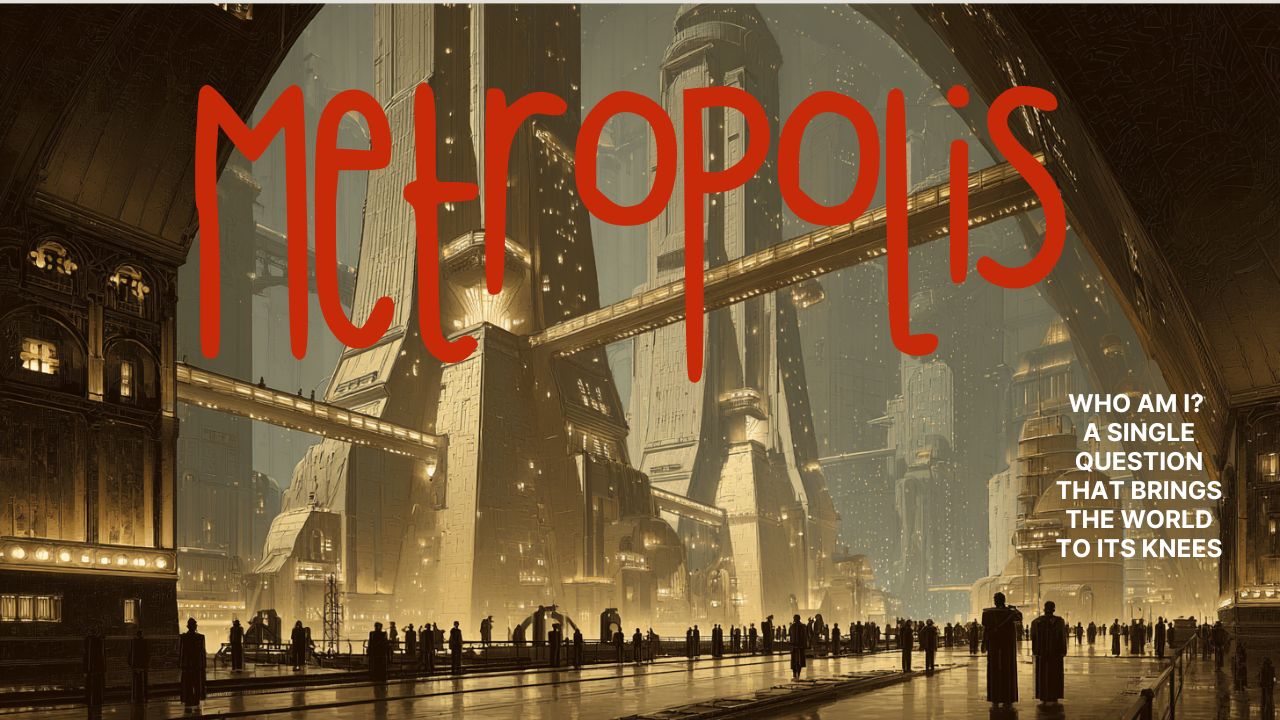
World where 1920-50s Art Deco design coexists with future city’s advanced technology—this unique aesthetic sense gives entire film dreamlike atmosphere.
Skyscraper groups, airships, robots, underground world’s dim factories—everything elaborated to details, creating one completed world.
CG and hand-drawn animation fusion also magnificent, character expression delicacy harmonizing with background grandeur.
World Colored by Jazz — Ray Charles Usage
Music also major attraction of this work. Particularly, using Ray Charles’s “I Can’t Stop Loving You” created memorable scene in film history.
This 1962 old country soul masterpiece playing during Tima’s collapse scene creates deep emotional impact.
Future city yet old jazz and soul playing—this anachronistic music choice conversely evokes universal emotion.
Tezuka Characters Co-starring — Fan Service
This work features “cameo appearances” from Tezuka’s other works’ characters.
- Higeoyaji (appearing in Astro Boy and many works)
- Acetylene Lamp (Astro Boy)
- Skunk Kusai (Astro Boy)
These characters part of “star system” Tezuka created—same character playing different roles in different works.
Adopting this system in film emphasizes homage to Tezuka.
Related Articles
- Metropolis Database – Synopsis & Production Details
- Rintaro – Filmmaker Profile
はじめに
手塚治虫が問い続けた「命とは何か」——巨匠の遺志を継ぐSF叙事詩
2月9日は、「漫画の神様」手塚治虫の命日です。1989年のこの日、手塚は60歳で亡くなりました。彼の死後、この日は「漫画の日」あるいは「治虫忌」として、日本の漫画文化の礎を築いた巨匠を偲ぶ日となっています。
手塚治虫は生涯で700作品以上、約15万ページの漫画を描き、日本の漫画・アニメーション文化の基盤を作りました。『鉄腕アトム』『火の鳥』『ブラック・ジャック』『ジャングル大帝』など、彼の作品は今なお多くの人々に読み継がれ、映像化されています。
この特別な日に観る作品として、りんたろう監督による2001年のアニメーション映画『メトロポリス』を取り上げます。
本作は、手塚が1949年(21歳)に発表した初期の漫画『メトロポリス』を原作としています。手塚の死後、大友克洋が脚本を手がけ、りんたろう監督によって壮大なSF叙事詩として映像化されました。原作から大幅に膨らまされたストーリーは、手塚治虫が生涯問い続けたテーマ——「命とは何か」「人間とは何か」「科学技術は人類を幸せにするのか」を、現代的な視点から再解釈した作品となっています。
治虫忌にこの映画を観ることで、漫画の神様が私たちに遺したメッセージを改めて受け止める機会としたいと思います。
基本情報・あらすじ
→ あらすじや製作情報はデータベース記事へ
監督: りんたろう
製作年: 2001年
上映時間: 108分
制作: マッドハウス
記念日: 漫画の日・治虫忌(2月9日)
あらすじ: 人間とロボットが共存する未来都市メトロポリス。探偵の伴俊作(声:富田耕生)と甥のケンイチ(声:小林桂)が違法ロボット製造を調査するため訪れます。メトロポリスは鋭く分断されています:富裕層は地上の高層ビルに住み、労働者は地下で働きます。二人は科学者ロートン博士が創造した謎の過去を持つ少女ティマ(声:清水由花)と出会います。しかし、ティマは自分がロボットだと知りません。レッド公の養子ロック(声:岡田浩暉)はティマを破壊しようとします。ティマとケンイチの友情を通じて、映画は問いかけます:人間とロボットを分けるものは何か?「心」を持つことの定義は? 科学技術は真の幸せをもたらせるのか? 手塚の精神を継ぐ壮大なSF叙事詩。
予備知識
手塚治虫という巨人
手塚治虫(1928-1989)は、日本の漫画・アニメーション文化の創始者と言っても過言ではありません。
主な業績:
- ストーリー漫画の確立(映画的手法の導入)
- 虫プロダクション設立(テレビアニメの先駆)
- 医学博士号取得(生命への深い洞察)
- 反戦・人権のメッセージ(一貫したテーマ)
代表作:
- 『鉄腕アトム』(1952-68):ロボットと人間の共存
- 『火の鳥』(1954-88):生命と輪廻の壮大な物語
- 『ブラック・ジャック』(1973-83):生命倫理と医療
- 『ブッダ』(1972-83):宗教と人間性
- 『アドルフに告ぐ』(1983-85):戦争と歴史
手塚治虫の主要テーマ:
- 生命の尊厳:すべての生命は平等に尊い
- 反戦・平和:戦争の愚かさと平和の価値
- 科学技術の両義性:科学は人を幸せにも不幸にもする
- 差別との闘い:人種、性別、種族を超えた平等
- ロボットと人間:「心」とは何かの探求
原作漫画『メトロポリス』(1949年)
手塚治虫が21歳の時に発表した初期の作品です。全1巻の読み切り作品で、当時としては斬新なSF設定と社会批評が含まれていました。
原作の特徴:
- 少年探偵ケンイチ(ヒゲオヤジの甥)が主人公
- 人造人間ミッチィ(映画のティマに相当)の物語
- 階級社会への批判
- ロボットの人権問題
映画版との違い: 映画は原作のプロットを大幅に膨らませ、手塚治虫の他の作品のテーマも取り入れています。大友克洋の脚本により、原作にはない「ティマの自己認識の葛藤」「ロボット革命」「ジグラットの崩壊」などが加えられました。
つまり、映画『メトロポリス』は、原作への忠実な映像化というよりも、手塚治虫の精神を現代的に再解釈した作品と言えます。
フリッツ・ラング版『メトロポリス』(1927)との関係
手塚治虫は、1927年のドイツSF映画の傑作『メトロポリス』(フリッツ・ラング監督)に影響を受けて、自分の漫画のタイトルを『メトロポリス』としました。
共通点:
- 未来都市メトロポリスが舞台
- 階級社会(地上の富裕層 vs 地下の労働者)
- ロボット(人造人間)が重要な役割
- 科学技術の暴走
ただし、手塚版はラング版のストーリーを直接借用したわけではなく、設定とテーマを参照しつつ独自の物語を創造しました。
2001年の映画版は、手塚版とラング版の両方にオマージュを捧げつつ、さらに独自の解釈を加えた三重構造の作品となっています。
大友克洋の脚本
本作の脚本を手がけたのは、『AKIRA』で知られる漫画家・映画監督の大友克洋です。
大友は手塚治虫の作品世界を深く理解しつつ、自身の社会批評的な視点を加えました。特に、ロボットの自己認識というテーマは、原作にはあまり深く描かれていなかった要素を大友が膨らませたものです。
また、レトロフューチャーの美学——1950年代風のデザインと未来技術の融合——も、大友の美意識が強く反映されています。
りんたろう監督
りんたろう(本名:林重行)は、『銀河鉄道999』や『幻魔大戦』などで知られるベテランアニメ監督です。
本作では、手塚治虫の丸みを帯びたキャラクターデザインと、大友克洋の重厚な世界観を見事に融合させました。CGと手描きアニメーションを組み合わせた映像は、2001年当時としては革新的でした。
優れている点
レトロフューチャーの圧倒的映像美
本作の最大の優れた点は、そのレトロフューチャーの美学です。
1920-50年代のアールデコ調のデザインと、未来都市の高度なテクノロジーが共存する世界——この独特の美意識が、映画全体に夢のような雰囲気を与えています。
高層ビル群、飛行船、ロボットたち、地下世界の薄暗い工場——すべてが細部まで作り込まれ、一つの完成された世界を作り上げています。
CGと手描きアニメーションの融合も見事で、キャラクターの表情の繊細さと、背景の壮大さが調和しています。
ジャズが彩る世界——レイ・チャールズの使用
音楽もまた、本作の大きな魅力です。特に、レイ・チャールズの「I Can’t Stop Loving You」の使用は、映画史に残る名シーンを作り出しました。
この1962年の古いカントリー・ソウルの名曲が、ティマの崩壊シーンで流れることで、深い感情的インパクトを生み出しています。
未来都市でありながら、古いジャズやソウルが流れる——この時代錯誤的な音楽選択が、かえって普遍的な感情を呼び起こします。
手塚キャラクターの共演——ファンサービス
本作には、手塚治虫の他の作品からのキャラクターが「カメオ出演」しています。
- ヒゲオヤジ(『鉄腕アトム』など多数の作品に登場)
- アセチレン・ランプ(『鉄腕アトム』)
- スカンク草井(『鉄腕アトム』)
これらのキャラクターは、手塚治虫が創造した「スターシステム」——同じキャラクターが異なる作品で異なる役を演じる——の一部です。
映画でこのシステムを採用することで、手塚治虫へのオマージュが強調されています。
関連記事
- Metropolis データベース – あらすじ・製作情報
- りんたろう – 監督プロフィール