

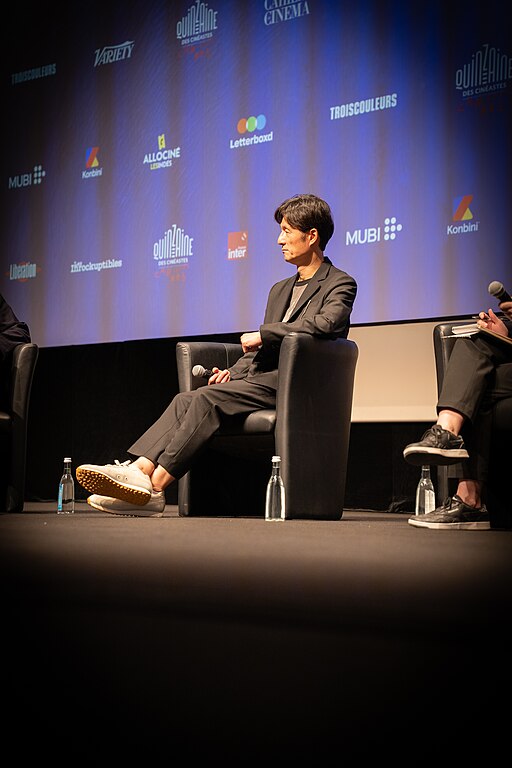
Profile | プロフィール
Born / 出身
December 6, 1974 | Morioka, Iwate, Japan
Age / 年齢
50 years old (as of 2025)
Occupation / 職業
Film Director, Screenwriter
映画監督、脚本家
Ethnicity / 民族
Zainichi Korean (在日韓国人)
Biography | 経歴
[English] Lee Sang-il is a Japanese filmmaker of Korean descent who has become one of contemporary Japanese cinema’s most critically acclaimed directors. Born in Morioka to Zainichi Korean parents, Lee studied at Waseda University’s School of Political Science and Economics before entering the film industry. He began his career as an assistant director and screenwriter before making his directorial debut with Chong (2000). His breakthrough came with 69 sixty nine (2004), which established him as a promising young director. Lee achieved mainstream success with Hula Girls (2006), winning the Japan Academy Prize for Best Picture. He followed this with Villain (2010), a crime drama based on Shuichi Yoshida’s novel, which earned widespread critical acclaim. His masterwork Rage (2016), another Yoshida adaptation, further solidified his reputation for exploring themes of trust, prejudice, and human connection through powerful ensemble performances. Known for his sensitive portrayals of marginalized individuals and meticulous character development, Lee Sang-il has established himself as one of Japan’s most important contemporary filmmakers, bridging the gap between artistic depth and mainstream appeal.
[日本語] 李相日(リ・サンイル)は、現代日本映画界において最も高い評価を受ける映画監督の一人です。岩手県盛岡市に在日韓国人三世として生まれ、早稲田大学政治経済学部を卒業後、映画の世界へ足を踏み入れました。2000年に『CHONG』で監督デビューを果たし、2004年の『69 sixty nine』で若手実力派監督としての地位を確立します。
2006年、福島県いわき市の炭鉱娘たちの奮闘を描いた『フラガール』で日本アカデミー賞最優秀作品賞を受賞し、興行・批評の両面で大きな成功を収めました。その後、作家・吉田修一氏との初タッグとなった『悪人』(2010)で人間の根源的な業を描き出し、再び日本アカデミー賞を席巻。さらに、クリント・イーストウッドの名作を明治時代の日本に置き換えた『許されざる者』(2013)、そして信頼と疑念の極限を描いた傑作『怒り』(2016)など、常に時代を象徴する作品を世に送り出してきました。
社会的弱者への繊細な眼差し、アイデンティティへの深い洞察、そして俳優から魂の叫びを引き出す妥協なき演出で知られる李監督。最新作『国宝』においても、吉田修一氏の原作を圧倒的な映像美で描き切り、日本の伝統と人間の情念を世界へと知らしめました。芸術的な深みとエンターテインメント性を高次元で融合させる、現代日本を代表する映像作家です。
Highlights / 主な歩み:
- 2004: 69 sixty nine released; breakthrough film; Ryu Murakami adaptation. / 『69 sixty nine』公開。村上龍原作の出世作。
- 2006: Hula Girls released; Japan Academy Prize Best Picture 🏆; ¥1.4 billion. / 『フラガール』公開。日本アカデミー賞最優秀作品賞🏆。興収14億円。
- 2010: Villain released; Japan Academy Prize Best Picture 🏆; critical acclaim. / 『悪人』公開。日本アカデミー賞最優秀作品賞🏆。高評価。
- 2013: Unforgiven released; Ken Watanabe; Western reimagined in Meiji Japan. / 『許されざる者』公開。渡辺謙主演。明治時代の西部劇。
- 2016: Rage released; Japan’s Oscar submission; ensemble masterwork. / 『怒り』公開。オスカー日本代表🌟。アンサンブルの傑作。
- 2018: Killing for the Prosecution released; Takuya Kimura; legal thriller. / 『検察側の罪人』公開。木村拓哉主演。法廷スリラー。
Filmography | 主な作品
As Director / 監督作品
| Year | Title (English / Japanese) | Budget | Box Office | Award | Note |
|---|---|---|---|---|---|
| 2000 | Chong / CHONG | — | — | Directorial debut / Short film / Student work | |
| 2004 | 69 sixty nine / 69 sixty nine | — | ¥2.3B | Multiple awards 🌟 | Breakthrough / Also wrote / Satoshi Tsumabuki / Ryu Murakami novel / 1969 Nagasaki / Coming-of-age |
| 2006 | Hula Girls / フラガール | — | ¥1.4B | Japan Academy Prize (Picture, Director) 🏆🏆 | Also wrote / Yu Aoi / Yasuko Matsuyuki / Etsushi Toyokawa / 1960s Fukushima / Coal mining / Cultural phenomenon |
| 2009 | Villon’s Wife / ヴィヨンの妻 〜桜桃とタンポポ〜 | — | ¥500M | Multiple awards 🌟 | Also wrote / Tadanobu Asano / Takako Matsu / Osamu Dazai novel / Post-war Japan |
| 2010 | Villain / 悪人 | — | ¥1.9B | Japan Academy Prize (Picture, Director) 🏆🏆 | Also wrote / Satoshi Tsumabuki / Eri Fukatsu / Shuichi Yoshida novel / Crime drama / Fukuoka-Nagasaki |
| 2013 | Unforgiven / 許されざる者 | — | ¥1.0B | Multiple nominations 🌟 | Also wrote / Ken Watanabe / Akira Emoto / Remake of Clint Eastwood’s film / Meiji-era Japan / Western reimagined |
| 2016 | Rage / 怒り | — | ¥2.3B | Multiple Japan Academy Prizes 🏆 | Also wrote / Satoshi Tsumabuki / Kenichi Matsuyama / Aoi Miyazaki / Suzu Hirose / Shuichi Yoshida novel / Japan’s Oscar submission / Ensemble drama |
| 2018 | Killing for the Prosecution / 検察側の罪人 | — | ¥2.9B | Box office success | Also wrote / Takuya Kimura / Kazunari Ninomiya / Legal thriller / Courtroom drama |
| 2020 | Red / Red | — | ¥360M | Also wrote / Satoshi Tsumabuki / Masatoshi Nagase / Keiichiro Hirano’s Island series / Mystery | |
| 2023 | Teki Cometh / 来る | — | — | Also wrote / Horror / Based on novel by Ichi Sawamura |
As Screenwriter / 脚本家
| Year | Title | Credit | Award | Note |
|---|---|---|---|---|
| 2004 | 69 sixty nine | Writer | Also directed / Ryu Murakami adaptation | |
| 2006 | Hula Girls | Writer | Japan Academy Prize (Screenplay) 🏆 | Also directed |
| 2009 | Villon’s Wife | Writer | Also directed / Osamu Dazai adaptation | |
| 2010 | Villain | Writer | Japan Academy Prize (Screenplay) 🏆 | Also directed / Shuichi Yoshida adaptation |
| 2013 | Unforgiven | Writer | Also directed / Adaptation of American film | |
| 2016 | Rage | Writer | Japan Academy Prize (Screenplay) 🏆 | Also directed / Shuichi Yoshida adaptation |
| 2018 | Killing for the Prosecution | Writer | Also directed | |
| 2020 | Red | Writer | Also directed |
Awards & Recognition | 受賞歴
Japan Academy Prize (日本アカデミー賞)
Won (受賞): 8 Japan Academy Prizes 🏆×8
Best Picture (最優秀作品賞):
- Hula Girls (2007) 🏆
- Villain (2011) 🏆
Best Director (最優秀監督賞):
- Hula Girls (2007) 🏆
- Villain (2011) 🏆
Best Screenplay (最優秀脚本賞):
- Hula Girls (2007) 🏆
- Villain (2011) 🏆
- Rage (2017) 🏆
Other Awards:
- Rage won multiple Japan Academy Prizes including acting awards 🏆
Nominated (ノミネート):
- Multiple nominations for 69 sixty nine, Villon’s Wife, Unforgiven, Killing for the Prosecution
Blue Ribbon Awards (ブルーリボン賞)
Won (受賞):
- Best Director – Hula Girls (2007) 🏆
- Best Director – Villain (2011) 🏆
Kinema Junpo Awards (キネマ旬報ベスト・テン)
Won (受賞):
- Best Film – Hula Girls (2007) 🏆
- Best Director – Hula Girls (2007) 🏆
- Best Film – Villain (2011) 🏆
Mainichi Film Awards (毎日映画コンクール)
Won (受賞):
- Best Film – Hula Girls (2007) 🏆
- Best Director – Villain (2011) 🏆
Yokohama Film Festival (ヨコハマ映画祭)
Won (受賞):
- Best Director – Villain (2011) 🏆
Nikkan Sports Film Award (日刊スポーツ映画大賞)
Won (受賞):
- Best Director – Hula Girls (2007) 🏆
- Best Director – Villain (2011) 🏆
Other Major Honors
- Japan’s submission for Academy Award for Best Foreign Language Film – Rage (2017) 🌟
- Cultural impact of Hula Girls – Revitalized Iwaki city tourism and hula culture in Japan
- One of the most commercially successful Japanese directors of the 21st century
- Total box office: Over ¥12 billion across major films
- Known for: Literary adaptations (Murakami, Yoshida, Dazai, Hirano)
- Frequent collaborator: Satoshi Tsumabuki (4+ films)
- Themes: Identity, discrimination, Zainichi Korean experience, marginalized individuals
- Recognition: One of the most awarded directors in contemporary Japanese cinema
- Versatility: Drama, crime thriller, period film, legal thriller, horror