

Choose Your Language / 言語を選択:
Introduction
Clean Energy Transition Urgency — Warning from Desperate Youth
January 26 is “International Day of Clean Energy.” This relatively new international day, established by UN General Assembly in 2023, aims to accelerate transition from fossil fuels to renewable energy, worldwide recognizing urgency of addressing climate change. Clean energy like solar, wind, hydro is essential for sustainable future, and as countries worldwide aim for 2050 carbon neutrality, this energy transition has become one of humanity’s most important challenges.
However, is transition progressing fast enough?
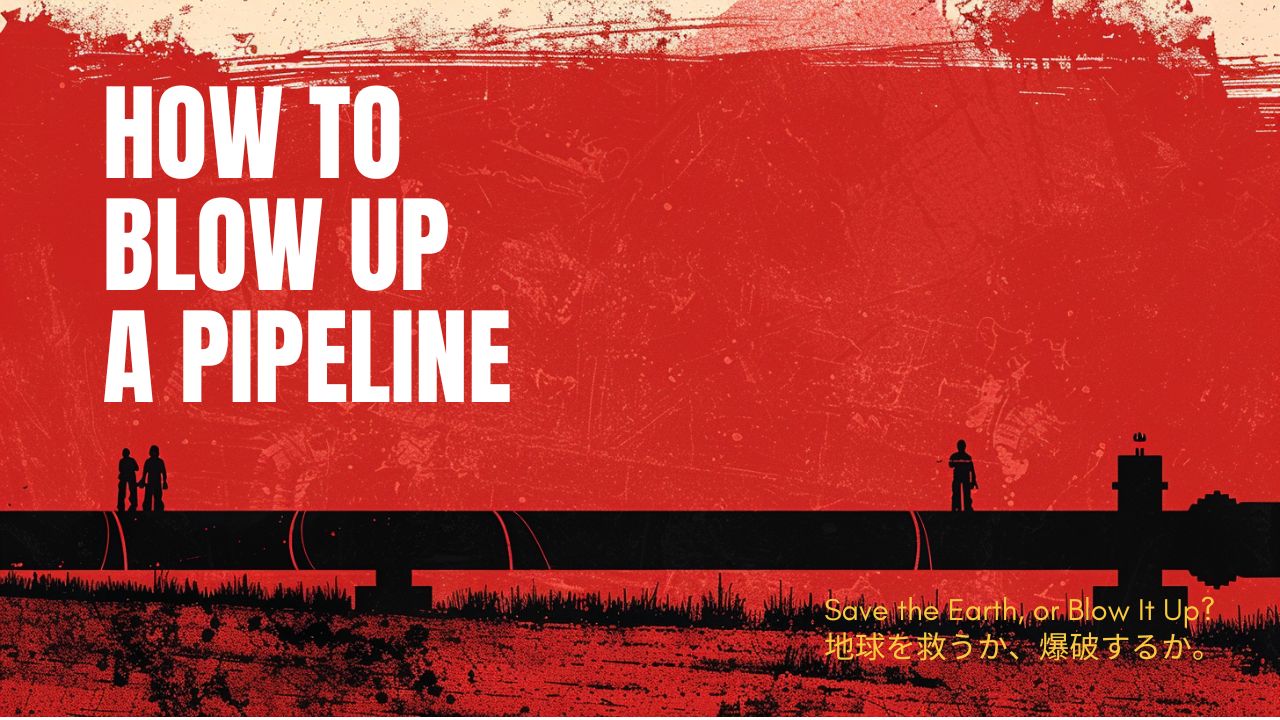
Work attempting to answer this question in most radical form is Daniel Goldhaber’s 2022 film How to Blow Up a Pipeline. This work, inspired by Andreas Malm’s 2021 nonfiction book of same name, has shocking content of eight young people executing plan to blow up oil pipeline, premiered at 2022 Toronto International Film Festival, receiving 94% support rate from critics (Rotten Tomatoes).
Important preface: This film does not promote violence or terrorism. However, this work depicts despair and anger of young people who feel climate change cannot be stopped through legal means, throwing fundamental question to audience: “Why did such film have to be made in 2022?”
Watching this challenging work on International Day of Clean Energy—day celebrating clean energy transition ideals—provides opportunity to reconsider how much we understand urgency, how much crisis younger generation feels. The more clean energy transition delays, more young people despair, begin justifying more radical means—this film functions as warning to such dangerous future.
Basic Information & Synopsis
→ For synopsis and production information, see our Database Article
Director: Daniel Goldhaber
Year: 2022
Runtime: 104 minutes
Production: Spacemaker Productions, How Dare We Films
Commemorative Day: International Day of Clean Energy (January 26)
Background Knowledge
Source Material: Andreas Malm’s Controversial Work
This work is inspired by nonfiction How to Blow Up a Pipeline of same name, published in 2021 by Verso Books by Swedish human geographer Andreas Malm.
Malm’s argument: Climate crisis is extremely urgent, peaceful protest alone is insufficient. Examining social justice movement history, property destruction is effective tactic in pursuing environmental justice.
This argument naturally sparked intense controversy. From criticism “justifying environmental terrorism” to support “understanding climate change urgency.”
Important point: neither Malm himself nor filmmakers support violence against human life. What they advocate is “property destruction”—destroying “things” like oil pipelines and SUVs.
After film release, Malm himself stated: “This film will reach broader audience than my book. I hope it starts dialogue rather than directly encouraging imitation.”
Inspiration from Actual Incidents
Screenwriters drew inspiration from actual climate activists and incidents.
Jessica Reznicek and Ruby Montoya incident: From 2016 to 2017, two female activists sabotaged Dakota Access Pipeline. They were arrested, sentenced to prison. This true story became film’s foundation.
Indigenous land rights: Michael’s character is based on actual land rights violations by pipeline construction occurring in North Dakota indigenous reservations. In fact, actor Forrest Goodluck himself is of indigenous descent, parts of film were shot on reservation where his family lives.
Health damage from pollution: Theo’s character was inspired by director’s friend living near chemical factory developing leukemia.
19-Month Speed Production
According to director Daniel Goldhaber, this work’s production period from conception to completion/premiere was only 19 months. Screenplay completed in 4 months, filming only 22 days, mainly in New Mexico.
Reason for this exceptional speed production was urgency of political debate surrounding climate change. Producers believed “no time to slowly make film. Need to contribute to cultural dialogue immediately.”
Also, 2022 Toronto International Film Festival screening opportunity became factor accelerating schedule.
Explosion Scene Production
Film’s climax explosion scene was created combining practical effects and CGI.
Production team actually detonated 150-foot (approximately 46 meters) tall model structure made from industrial cardboard and lumber, creating explosion and fire effects. This practical approach gives film reality.
Interestingly, production team collaborated with government contractors specializing in counterterrorism, realistically depicting bomb-making scenes. However, specific procedures were intentionally omitted to prevent actual imitation.
16mm Film Shooting
In digital-dominated era, this work was shot on 16mm film. This was to capture desirable texture in daytime outdoor scenes, give footage more cinematic atmosphere.
Shooting ratio averaged 21-22:1, luxurious film use.
Music — Hitting Oil Drums
Composer Gavin Brivik flew to shooting location collecting music samples. Among them, sound of hitting oil drums in desert. This sound became foundation of film’s opening song.
Brivik drew inspiration from early Michael Mann works and musique concrète. Score fuses raw oil drum recordings with distorted synthesizers, musically reflecting film’s gritty filming technique.
Brivik stated this film’s score was “most challenging ever.”
What Makes It Exceptional
Completion as Suspenseful Heist Thriller
This work’s greatest strength is depicting heavy theme of environmental terrorism as extremely tense heist thriller.
Critics evaluated this work as “resembling Steven Soderbergh’s style,” “reminiscent of Quentin Tarantino’s Reservoir Dogs.” Peter Bradshaw (The Guardian) called it “intensely gripping thriller,” pointing to “interesting genre twist” that unlike traditional heist movies, pipeline saboteurs are depicted as “good guys.”
Indeed, film’s structure is classic heist movie itself—planning, recruiting members, unexpected obstacles, internal traitor, execution. However, instead of “stealing,” they “destroy,” and enemy is not bank but oil industry.
Complex Antiheroes
This work’s another strength is not depicting characters as simple heroes or villains.
Each of eight members has different motivations:
Xochitl: Anger and revenge for mother’s death
Theo: Urgency not wanting to waste own death
Dwayne: Personal grudge over stolen family land
Michael: Anger at historical injustice as indigenous person
Rowan: Complex position as FBI informant
They aren’t perfect activists. During planning they drink alcohol, fail, feel fear, have doubts. Rowan is traitor, but she herself is forced to choose for survival.
Critics highly valued this complexity. Rotten Tomatoes critics consensus called it “high-stakes eco-thriller ignited by complex antiheroes.”
Related Articles
How to Blow Up a Pipeline Database – Synopsis & Production Details
はじめに
クリーンエネルギー転換の緊急性——絶望する若者からの警告
1月26日は「国際クリーンエネルギーデー」(International Day of Clean Energy)です。2023年に国連総会で制定されたこの比較的新しい国際デーは、化石燃料から再生可能エネルギーへの移行を加速させ、気候変動に対処する緊急性を世界中で認識することを目的としています。太陽光、風力、水力などのクリーンエネルギーは、持続可能な未来のために不可欠であり、世界各国が2050年カーボンニュートラルを目指す中で、このエネルギー転換は人類の最重要課題の一つとなっています。
しかし、移行は十分に速く進んでいるのでしょうか?
この問いに、最も過激な形で答えようとした作品が、ダニエル・ゴールドハーバー監督による2022年の映画『How to Blow Up a Pipeline』(パイプラインの壊し方)です。本作は、アンドレアス・マルムの同名の2021年のノンフィクション著作にインスパイアされ、8人の若者が石油パイプラインを爆破する計画を実行するという衝撃的な内容で、2022年トロント国際映画祭でプレミア上映され、批評家から94%の支持率(Rotten Tomatoes)を獲得しました。
重要な前置き:この映画は、暴力やテロリズムを推奨するものではありません。 しかし本作は、合法的な手段では気候変動を止められないと感じる若者たちの絶望と怒りを描くことで、「なぜこのような映画が2022年に作られなければならなかったのか」という根本的な問いを観客に投げかけます。
国際クリーンエネルギーデーという、エネルギー転換の理念を祝う日に、この挑戦的な作品を観ることは、私たちがどれだけ緊急性を理解しているか、そして若い世代がどれほどの危機感を抱いているかを改めて考える機会となるでしょう。クリーンエネルギーへの移行が遅れれば遅れるほど、より多くの若者が絶望し、より過激な手段を正当化し始める――この映画は、そうした危険な未来への警告として機能しています。
基本情報・あらすじ
→ あらすじや製作情報はデータベース記事へ
監督: ダニエル・ゴールドハーバー
製作年: 2022年
上映時間: 104分
制作: スペースメイカー・プロダクションズ、ハウ・デア・ウィー・フィルムズ
記念日: 国際クリーンエネルギーデー(1月26日)
予備知識
原作:アンドレアス・マルムの論争的な著作
本作は、スウェーデンの人文地理学者アンドレアス・マルム(Andreas Malm)が2021年にVerso Booksから出版した同名のノンフィクション『How to Blow Up a Pipeline』に着想を得ています。
マルムの主張: 気候危機は極めて緊急であり、平和的な抗議活動だけでは不十分である。社会正義運動の歴史を検証すると、財産破壊(property destruction)は環境正義を追求する上で有効な戦術である。
この主張は、当然ながら激しい論争を呼びました。「環境テロリズムを正当化している」という批判から、「気候変動の緊急性を理解している」という支持まで。
重要なのは、マルム自身も映画製作者たちも、人命への暴力は決して支持していないということです。彼らが主張しているのは「財産破壊」であり、石油パイプラインやSUVといった「物」の破壊です。
映画公開後、マルム自身は「この映画は私の本よりも広く観客に届くだろう。直接的に模倣を促すのではなく、対話を始めることを望む」と述べています。
実際の事件からの着想
脚本家たちは、実際の気候活動家や事件から着想を得ています。
ジェシカ・レズニチェクとルビー・モントーヤの事件: 2016年から2017年にかけて、二人の女性活動家がダコタ・アクセス・パイプライン(Dakota Access Pipeline)を破壊工作で妨害しました。彼らは逮捕され、懲役刑を宣告されました。この実話が、映画の基盤となっています。
先住民の土地権利: マイケルのキャラクターは、ノースダコタの先住民居留地で実際に起きた、パイプライン建設による土地侵害の事例に基づいています。実際、俳優フォレスト・グッドラック(Forrest Goodluck)自身が先住民出身で、映画の一部は彼の家族が住む居留地で撮影されました。
汚染による健康被害: テオのキャラクターは、監督の友人が化学工場の近くに住んでいて白血病を発症した実体験に触発されています。
19ヶ月のスピード制作
監督ダニエル・ゴールドハーバーによれば、本作の制作期間は構想から完成・プレミア上映までわずか19ヶ月でした。脚本は4ヶ月で完成し、撮影はわずか22日間、主にニューメキシコ州で行われました。
この異例のスピード制作の理由は、気候変動をめぐる政治的議論の緊急性でした。製作者たちは、「ゆっくり映画を作っている時間はない。今すぐ文化的対話に貢献する必要がある」と考えたのです。
また、2022年トロント国際映画祭での上映機会も、スケジュールを加速させる要因となりました。
爆発シーンの製作
映画のクライマックスである爆発シーンは、実用効果(practical effects)とCGIの組み合わせで作られました。
製作チームは、産業用段ボールと木材で作られた高さ150フィート(約46メートル)の模型構造物を実際に爆破し、爆発と火災の効果を作り出しました。この実用的なアプローチが、映画にリアリティを与えています。
興味深いことに、製作チームは対テロリズムを専門とする政府請負業者と協力し、爆弾製造シーンをリアルに描写しました。ただし、実際に模倣されないよう、特定の手順は意図的に省略されています。
16mmフィルム撮影
デジタル全盛の時代に、本作は16mmフィルムで撮影されました。これは、昼間の屋外シーンで望ましい質感を捉え、映像により映画的な雰囲気を与えるためです。
撮影比率は平均21~22対1で、フィルムの贅沢な使い方をしています。
音楽――石油ドラム缶を叩く
作曲家ガヴィン・ブリヴィック(Gavin Brivik)は、撮影現場に飛んで音楽サンプルを収集しました。その中には、砂漠で石油ドラム缶を叩く音が含まれています。この音が、映画のオープニング曲の基盤となりました。
ブリヴィックは、初期のマイケル・マン作品とミュジーク・コンクレート(musique concrète、具体音楽)からインスピレーションを得ました。スコアは、生の石油ドラム缶の録音と歪んだシンセサイザーを融合させ、映画のグリッティな撮影技法を音楽的に反映しています。
ブリヴィックは、この映画のスコアを「これまでで最も挑戦的だった」と述べています。
優れている点
サスペンスフルなヒーストスリラーとしての完成度
本作の最大の優れた点は、環境テロリズムという重いテーマを、極めて緊張感のあるヒーストスリラーとして描いていることです。
批評家たちは、本作を「スティーブン・ソダーバーグのスタイルに似ている」「クエンティン・タランティーノの『レザボア・ドッグス』を思わせる」と評価しました。ピーター・ブラッドショー(The Guardian)は「激しく見応えのあるスリラー」と呼び、伝統的なヒーストムービーと異なり、パイプライン破壊者たちが「善玉」として描かれていることを「興味深いジャンルのひねり」と指摘しています。
実際、映画の構造は古典的なヒーストムービーそのものです――計画、メンバーの招集、予期せぬ障害、内部の裏切り者、そして実行。しかし「盗む」のではなく「破壊する」、そして敵は銀行ではなく石油産業です。
複雑なアンチヒーローたち
本作のもう一つの優れた点は、登場人物たちを単純な英雄や悪役として描いていないことです。
8人のメンバーそれぞれに、異なる動機があります:
ソチトル: 母親の死への怒りと復讐
テオ: 自分の死を無駄にしたくない切迫感
ドウェイン: 家族の土地を奪われた個人的恨み
マイケル: 先住民としての歴史的不正義への怒り
ローワン: FBI情報提供者としての複雑な立場
彼らは完璧な活動家ではありません。計画中にアルコールを飲み、失敗し、恐怖を感じ、疑問を抱きます。ローワンは裏切り者ですが、彼女自身も生き残るために選択を迫られています。
批評家たちは、この複雑性を高く評価しました。Rotten Tomatoesの批評家コンセンサスは「複雑なアンチヒーローたちによって点火された、ハイステークスなエコスリラー」と評しています。
関連記事
How to Blow Up a Pipeline データベース – あらすじ・製作情報