

Choose Your Language / 言語を選択:
Introduction
Digital Privacy and Whistleblower’s Conscience — Warning to Surveillance Society
January 28 is “Data Privacy Day” established by Council of Europe. This international day was established to commemorate “Convention for the Protection of Individuals with regard to Automatic Processing of Personal Data (Convention 108)” enacted in Europe on January 28, 1981. As first legally binding international document regarding data protection, this convention established personal privacy and data protection rights, becoming foundation of fundamental human rights in modern digital society. Initially started as “Data Protection Day,” as it spread from US to countries worldwide, it came to be called “Data Privacy Day,” with related events and awareness activities held even in Japan.
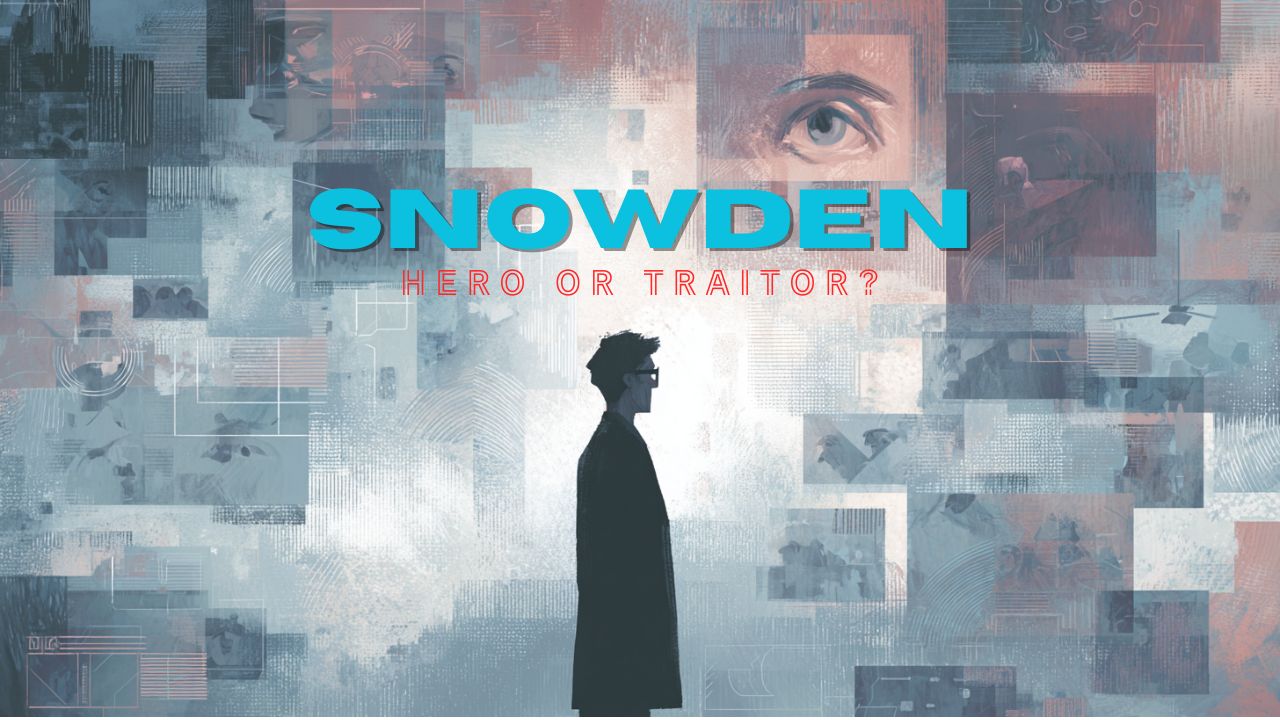
For this special day, Oliver Stone’s 2016 Snowden comes highly recommended. This work, based on 2013 incident that shocked world—former CIA employee Edward Snowden’s whistleblowing of NSA’s massive surveillance program—depicts social drama of one patriotic young man becoming whistleblower after conscience conflict.
Edward Snowden’s anguish, played by Joseph Gordon-Levitt, goes beyond mere political suspense, raising universal themes deeply related to Data Privacy Day ideals: individual privacy rights in digital era, balance between national security and civil liberties, transparency and accountability in democratic society. Whistleblowing process recreated through Oliver Stone’s sharp social critique and meticulous direction becomes important work deeply impressing audience how our individual digital privacy is actually threatened.
Basic Information & Synopsis
→ For synopsis and production information, see our Database Article
Director: Oliver Stone
Year: 2016
Runtime: 134 minutes
Production: Endgame Entertainment, Wild Bunch
Commemorative Day: Data Privacy Day (January 28)
Background Knowledge
True Story Background and Convention 108 Connection
Edward Snowden, born 1983, is former CIA employee and NSA contractor who whistleblew US government’s massive surveillance program in 2013. Documents he exposed numbered tens of thousands, revealing worldwide surveillance activities reality by intelligence alliance called “Five Eyes”—US, UK, Canada, Australia, New Zealand.
Interestingly, Snowden’s whistleblowing content materialized concerns warned by 1981 Convention 108 (Personal Information Protection Convention). This convention aimed to protect individual privacy rights amid computer technology development making personal data automatic processing easier, protecting fundamental human rights and freedoms in cross-border data flow.
NSA’s PRISM program and XKeyscore exposed by Snowden were extreme examples of “rights violation through automatic personal information processing” that Convention 108 feared. These systems collected and analyzed citizens’ communications, location information, search history, social media posts indiscriminately—without court warrants, without limiting to specific suspects.
Film Production Background — Hollywood-Taboo Subject
Production hesitation: Director Oliver Stone initially hesitated when approached to direct this film. Previously, he made film W. (2008) about George W. Bush but was criticized for insufficient critical perspective. Therefore, he became cautious about tackling another controversial political subject. Nevertheless, through series of events and persuasion, he ultimately accepted direction.
Contact with Snowden: Journalist Glenn Greenwald, who exposed Snowden incident with Laura Poitras, sought Stone’s advice. Months later, Snowden’s Russian lawyer Anatoly Kucherena contacted Stone through producer, requesting meeting.
Kucherena, wanting to sell book about Snowden, arranged meeting in Moscow at safe location Stone wouldn’t disclose. It was fictional book, but Stone was interested, calling it “precisely Fyodor Dostoevsky-esque”—meaning completely unrealistic. Not knowing if Snowden would cooperate, Stone couldn’t decide whether to make fictional film with unknown protagonist or depict realistic story as possible.
Cooperation with Snowden himself: Stone began meeting Snowden from January 2014. Initially, Snowden was cautious about idea of filming his life. Stone met Snowden two more times in late May that year, Snowden ultimately agreed to idea, deciding to participate.
Important point: although Snowden became involved in project, he didn’t receive script approval rights nor film appearance fee. Compensation was paid to Guardian newspaper. Snowden was fascinated after seeing part of Oliver Stone’s The Untold History of the United States. Columbia Pictures already held rights to Greenwald’s book about incident.
Rights acquisition and production decision: June 2, 2014, Stone and Moritz Borman acquired rights to Luke Harding’s nonfiction book The Snowden Files, announcing Stone would write screenplay and direct film based on it. Film about Martin Luther King Jr. was canceled because Stone promised to direct Snowden instead.
Eight days later, June 10, 2014, Stone also acquired rights to Kucherena’s book Time of the Octopus. Stone used both books as screenplay sources. November 6, 2014, Open Road Films acquired US rights to film, Wild Bunch handled overseas sales.
Production difficulties — US company refusals: Before production start in 2015, Stone and Joseph Gordon-Levitt met Snowden in Moscow. However, companies affiliated with US refused involvement in project, no supporting studio existed. Ultimately, funding raised from France and Germany, film shot in Germany as German production, contract signed just 8 days before production start.
This production background tells how politically sensitive Snowden’s whistleblowing was as subject matter, taboo even in Hollywood. Fact that US companies refused involvement proves surveillance and censorship problems film depicts are reality, not fiction.
What Makes It Exceptional
Joseph Gordon-Levitt’s Delicate Performance
This work’s greatest strength is Joseph Gordon-Levitt’s delicate yet persuasive performance as Snowden. For difficult challenge of playing real person, he thoroughly studied Snowden’s speech patterns, posture, even glasses-wearing style, achieving surprising similarity.
Particularly impressive is expressing psychological change through delicate facial expressions and restrained acting—patriotic idealistic youth gradually recognizing system flaws, suffering conscience conflict, ultimately making life-risking decision. Snowden’s introverted intellectual character, fear and courage when confronting enormous power are magnificently depicted.
Realistic Surveillance Technology Depiction
This work’s another strength is surprisingly realistic depiction of NSA surveillance technology and systems. Director Oliver Stone focused on technical accuracy, obtaining actual whistleblowing documents and expert cooperation, visualizing operation of actual surveillance programs like PRISM and XKeyscore.
Technical concepts difficult for general audience to understand—remote surveillance through webcams, mobile phone location tracking, human relationship visualization through metadata analysis—are clearly explained through footage and drama. Scenes where Snowden plants “backdoor” in Japanese infrastructure, depiction of massive server groups in underground NSA facility in Hawaii effectively convey surveillance scale and technical capability.
Oliver Stone’s Social Critique
Director Oliver Stone’s sharp social critique perspective is also this work’s major strength. Consistently depicting power corruption and individual conscience through Platoon, JFK, Nixon, he maintains uncompromising stance in Snowden.
Director succeeds in presenting surveillance state dangers not preach-like but rather as thrilling drama. Depiction of NSA’s massive underground facility, countless monitor screens, inhuman system treating people worldwide as “data points” creates visually powerful impression.
Related Articles
- Snowden Database – Synopsis & Production Details
- Oliver Stone – Filmmaker Profile
- Joseph Gordon-Levitt – Actor Profile
はじめに
デジタルプライバシーと内部告発者の良心——監視社会への警告
1月28日は、欧州評議会により制定された「データプライバシーデー」(Data Privacy Day)です。この国際デーは、1981年1月28日にヨーロッパで「個人情報の自動処理に係る個人の保護のための条約(Convention 108)」が制定されたことを記念して設けられました。データ保護に関する初の法的拘束力のある国際文書として、個人のプライバシーとデータ保護の権利を確立したこの条約は、現代のデジタル社会における基本的人権の礎となっています。当初は「データ保護デー」として始まりましたが、米国から世界各国に広まるにつれ「データプライバシーデー」と呼ばれるようになり、日本でも関連イベントや啓発活動が行われています。
この特別な日に観るべき作品として、オリバー・ストーン監督による2016年の『スノーデン』(Snowden)を強く推奨します。本作は、2013年に世界を震撼させた元CIA職員エドワード・スノーデンによる米国家安全保障局(NSA)の大規模監視プログラムの内部告発事件を基に、一人の愛国的な青年が良心との葛藤の末に内部告発者となる過程を描いた社会派ドラマです。
ジョセフ・ゴードン=レヴィット演じるエドワード・スノーデンの苦悩は、単なる政治サスペンスを超えて、デジタル時代における個人のプライバシーの権利、国家安全保障と市民的自由のバランス、民主主義社会における透明性と説明責任といった、データプライバシーデーの理念に深く関わる普遍的なテーマを提起しています。オリバー・ストーンの鋭い社会批評と緻密な演出により再現された内部告発に至る過程は、私たち一人ひとりのデジタル上のプライバシーが現実にどのように脅かされているかを観客に深く印象づける重要作となっています。
基本情報・あらすじ
→ あらすじや製作情報はデータベース記事へ
監督: オリバー・ストーン
製作年: 2016年
上映時間: 134分
制作: エンドゲーム・エンターテインメント、ワイルド・バンチ
記念日: データプライバシーデー(1月28日)
予備知識
実話の背景とConvention 108との関連
エドワード・スノーデンは1983年生まれの元CIA職員・NSA契約職員で、2013年に米国政府による大規模な監視プログラムを内部告発しました。彼が暴露した文書は数万点にのぼり、米国だけでなく英国、カナダ、オーストラリア、ニュージーランドによる「ファイブ・アイズ」と呼ばれる諜報同盟による世界規模の監視活動の実態が明らかになりました。
興味深いことに、スノーデンの告発内容は、1981年の**Convention 108(個人情報保護条約)**が警告していた懸念を現実化したものでした。この条約は、コンピュータ技術の発達により個人データの自動処理が容易になる中で、個人のプライバシー権を保護し、国境を越えたデータの流れにおける基本的人権と自由を守ることを目的としていました。
スノーデンが暴露したNSAのPRISMプログラムやXKeyscoreは、まさにConvention 108が懸念していた「個人情報の自動処理による権利侵害」の極端な例でした。これらのシステムは、裁判所の令状なしに、また特定の容疑者に限定されることなく、無差別に市民の通信、位置情報、検索履歴、ソーシャルメディアの投稿などを収集・分析していました。
映画化の背景——ハリウッドでタブー視された題材
製作への躊躇: オリバー・ストーン監督は、この映画の監督を最初に打診されたとき、躊躇していました。以前、彼は映画『W.』(2008年)でジョージ・W・ブッシュを題材にしましたが、批判的な視点が不十分だと指摘されていました。そのため、再び物議を醸す政治的題材に取り組むことに慎重になっていたのです。それでも、一連の出来事と説得により、最終的に監督を引き受けることになります。
スノーデンとの接触: ローラ・ポイトラスとともにスノーデンの事件を暴露したジャーナリスト、グレン・グリーンウォルドがストーンに助言を求めました。数か月後、スノーデンのロシア人弁護士、アナトリー・クチェレナがプロデューサーを通じてストーンに連絡を取り、面会を申し込みました。
スノーデンに関する著書を売りたいと考えていたクチェレナは、モスクワで、ストーンが明かさない安全な場所で会合を設定しました。それは架空の本でしたが、ストーンはそれに興味を持ち、「まさにフョードル・ドストエフスキー的」と評しました——つまり、全く現実離れしているという意味です。スノーデンが協力してくれるかどうか分からなかったストーンは、無名の登場人物を主人公にした架空の映画を作るか、それとも可能な限り現実的な物語を描くか、決めかねていました。
スノーデン本人との協力: ストーンは2014年1月からスノーデンと会い始めました。当初、スノーデンは自分の人生を映画化するという考えに慎重でした。ストーンはその年の5月下旬にさらに2度スノーデンに会い、スノーデンは最終的にその考えに同意し、参加することにしました。
重要なのは、スノーデンはプロジェクトに関わるようになったものの、脚本の承認権は得られず、映画の出演料も受け取らなかったという点です。報酬はガーディアン紙に支払われました。スノーデンはオリバー・ストーンの『語られざるアメリカ合衆国の歴史』の一部を見て、魅了されていました。コロンビア・ピクチャーズはすでにこの事件に関するグリーンウォルドの本の権利を保有していました。
権利取得と製作決定: 2014年6月2日、ストーンとモーリッツ・ボーマンがルーク・ハーディングのノンフィクション書籍『スノーデンのファイル』の権利を取得し、ストーンがそれに基づいて映画の脚本と監督を行うことが発表されました。マーティン・ルーサー・キング・ジュニアに関する映画は、ストーンが代わりにスノーデンを監督すると約束されたため、中止されました。
8日後の2014年6月10日、ストーンはクチェレナの著書『オクトパスの時間』の権利も取得しました。ストーンは両方の本を脚本のソースとして使用しました。2014年11月6日、オープン・ロード・フィルムズが映画の米国での権利を取得し、ワイルド・バンチが海外での販売を担当することになりました。
製作の困難——米国企業の拒否: 製作開始前の2015年、ストーンとジョセフ・ゴードン=レヴィットはモスクワでスノーデンと会いました。しかし、米国と提携している企業がこのプロジェクトへの関与を拒否し、支援するスタジオもありませんでした。最終的に、フランスとドイツから資金が調達され、映画はドイツでドイツプロダクションとして撮影されることになり、制作開始のわずか8日前に契約が締結されました。
この製作背景は、スノーデンの告発がいかに政治的にセンシティブな題材であり、ハリウッドでさえタブー視されていたかを物語っています。米国企業が関与を拒否したという事実は、映画が描く監視と検閲の問題が、フィクションではなく現実であることを証明しています。
優れている点
ジョセフ・ゴードン=レヴィットの繊細な演技
本作の最大の優れた点は、ジョセフ・ゴードン=レヴィットのスノーデン役での繊細かつ説得力のある演技です。実在の人物を演じるという困難な課題に対し、彼はスノーデンの話し方、姿勢、眼鏡のかけ方まで徹底的に研究し、驚くほどの類似性を実現しています。
特に印象的なのは、愛国的で理想主義的な青年が、次第にシステムの欠陥を認識し、良心との葛藤に苦しみ、最終的に人生を賭けた決断に至るまでの心理的変化を、繊細な表情と抑制された演技で表現している点です。スノーデンの内向的で知的な性格、そして巨大な権力に立ち向かう時の恐怖と勇気が、見事に描き出されています。
リアルな監視技術の描写
本作のもう一つの優れた点は、NSAの監視技術とシステムの驚くほどリアルな描写です。オリバー・ストーン監督は、技術的な正確性にこだわり、実際の内部告発文書と専門家の協力を得て、PRISMやXKeyscoreといった実在する監視プログラムの動作を視覚化しています。
ウェブカメラを通じた遠隔監視、携帯電話の位置追跡、メタデータ分析による人間関係の可視化など、一般の観客には理解しづらい技術的概念が、映像とドラマを通じて分かりやすく説明されています。スノーデンが日本のインフラに「バックドア」を仕込む場面や、ハワイの地下NSA施設での膨大なサーバー群の描写は、監視の規模と技術的能力を効果的に伝えています。
オリバー・ストーンの社会批評
オリバー・ストーン監督の鋭い社会批評の視点も、本作の大きな強みです。『プラトーン』『JFK』『ニクソン』など、一貫して権力の腐敗と個人の良心を描いてきた彼は、『スノーデン』でも妥協のない姿勢を貫いています。
監督は、監視国家の危険性を説教臭くなく、むしろスリリングなドラマとして提示することに成功しています。NSAの巨大な地下施設、無数のモニター画面、そして世界中の人々を「データポイント」として扱う非人間的なシステムの描写は、視覚的に強烈な印象を与えます。