
Choose Your Language / 言語を選択:
Introduction
“Hope” as Weapon Man Who Fought — Record of Most Radical Revolution: Living as True Self
March 1 is “Zero Discrimination Day.”
Established 2014 by Joint United Nations Programme on HIV/AIDS (UNAIDS), this international day promotes everyone’s right to equally respected, living without discrimination regardless of gender, race, sexual orientation, gender identity, age, disability, religion, nationality.
Discrimination tramples human dignity. It exists deeply rooted in laws, institutions, social norms, people’s hearts, restricting and hurting countless people’s lives.
However, throughout history, people confronted discrimination, fought for equality. They tried creating better world not only for their own dignity but for next generations.
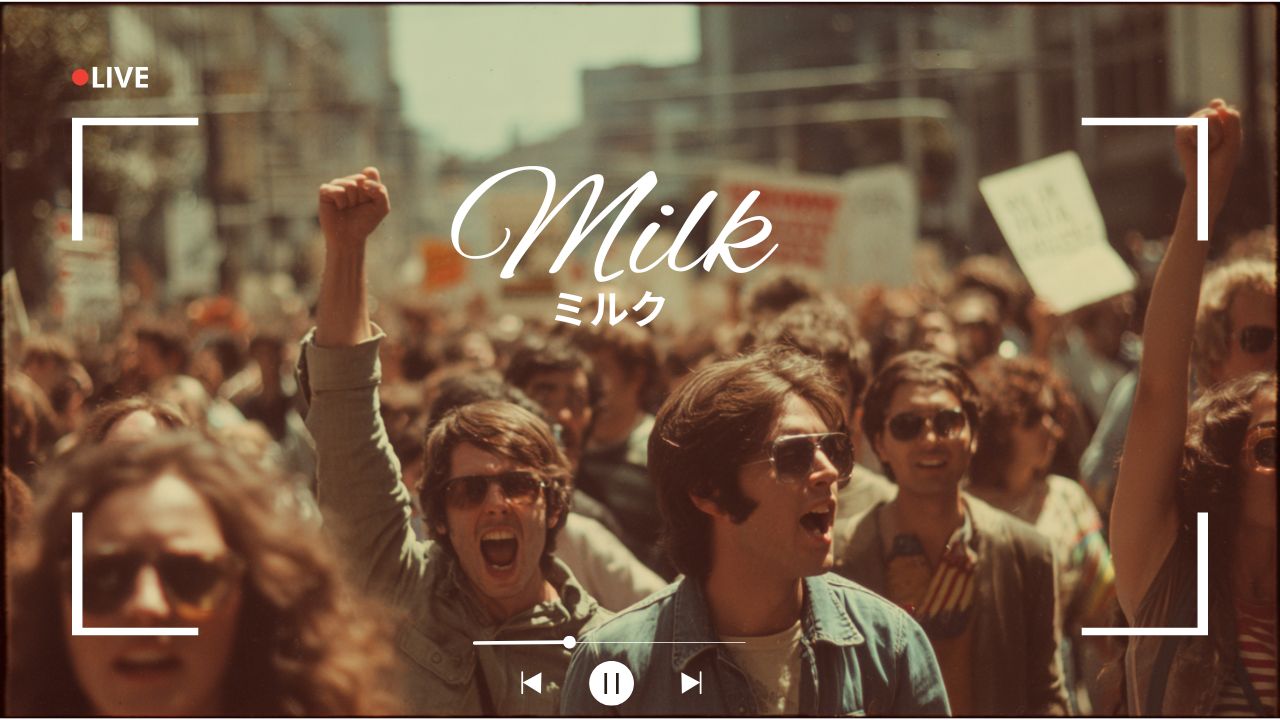
For this special day, recommending 2008 release Milk.
This work depicts true story of Harvey Milk—1970s San Francisco politician, America’s first openly gay elected public official.
Harvey Milk fought for LGBTQ+ community rights, confronted discrimination and prejudice, proclaimed “hope” message. And November 27, 1978, assassinated age 48.
Director Gus Van Sant of Good Will Hunting, Elephant. Starring Sean Penn. This role, Sean Penn won 2009 Academy Award Best Actor.
This work nominated Academy Awards 8 categories, won Best Actor and Best Original Screenplay. Acclaimed by critics and audiences, remains one of most important films depicting LGBTQ+ rights, continuing influencing many people.
Basic Information & Synopsis
→ For synopsis and production information, see our Database Article
Director: Gus Van Sant
Year: 2008
Runtime: 128 minutes
Production: Focus Features
Commemorative Day: Zero Discrimination Day (March 1)
Background Knowledge
Harvey Milk As Person
Harvey Bernard Milk born May 22, 1930, Woodmere, New York. Raised Jewish American middle-class family.
After graduating New York State University, enlisted Navy, served Korean War. After discharge, worked various jobs: teacher, securities analyst.
Early 1970s, Harvey moved San Francisco, opened camera shop in Castro District. And began political activities.
He charismatic, humorous, inspiring speaker. His message was “hope.”
San Francisco and Castro District
1970s San Francisco one of America’s most liberal cities. Castro District developed as gay community center.
From across nation, gay people migrated to San Francisco. They sought freedom and acceptance unavailable in other cities.
Castro became not mere residential area but political base. And Harvey Milk became this community’s leader.
Proposition 6 (Briggs Initiative)
Proposition 6 was 1978 California ballot measure proposal allowing public school teachers and other school staff fired for being gay or supporting gay rights.
This bill proposed by state legislator John Briggs. Briggs inspired by Anita Bryant’s “Save Our Children” campaign.
Harvey Milk led opposition campaign against Proposition 6, spoke throughout California. Interestingly, conservative symbol and future president Ronald Reagan also clearly opposed Proposition 6 from perspective respecting individual freedom. Reagan’s opposition based on conservatism’s original logic: “government shouldn’t interfere in individual privacy and occupational freedom.”
November 7, 1978 referendum, Proposition 6 defeated 58% to 42%. This important victory in LGBTQ+ rights movement.
Path to Film Adaptation
Harvey Milk’s story first filmed 1984 as documentary The Times of Harvey Milk. This documentary won Academy Award Best Documentary Feature.
Dramatic film project began 1990s. Initially planned with director Oliver Stone, star Robin Williams, but unrealized.
2008, finally produced with director Gus Van Sant, star Sean Penn.
Screenwriter Dustin Lance Black, then only 34-year-old emerging talent, conducted extensive research, wrote screenplay based on actual audio tapes, footage, interviews. He won Academy Award Best Original Screenplay for this script.
Box Office Performance and Acclaim
This work November 2008 limited release, January 2009 nationwide US expansion.
Against approximately $20 million production budget, worldwide box office approximately $54 million.
Critically acclaimed. Rotten Tomatoes achieved 93% approval rating, many critics evaluated “one of 2008’s best films.”
What Makes It Exceptional
Sean Penn’s Overwhelming Performance
This work’s greatest excellence is Sean Penn’s performance.
Sean Penn perfectly embodies Harvey Milk complex person. He magnificently expressed Harvey’s charisma, humor, passion, inner loneliness.
Penn conducted thorough research for role. Watched Harvey’s actual footage repeatedly, studied speaking style, walking style, gestures. Also interviewed people who knew Harvey, tried deeply understanding his personality.
Particularly impressive are speech scenes. Penn perfectly recreates Harvey’s speech power and passion. His speeches possess power inspiring audience even through screen.
Also, Penn delicately performs Harvey’s private moments. Relationship with Scott, political setbacks, assassination premonition—these scenes, Penn brings into relief Harvey’s humanity.
Sean Penn won Academy Award Best Actor for this role (second win). Awards ceremony speech, Penn stated “I know living in world still needing Harvey Milk’s spirit,” advocated LGBTQ+ rights.
Gus Van Sant’s Direction
Gus Van Sant known as openly gay film director, handled numerous works dealing with LGBTQ+ themes.
This work, Van Sant depicted Harvey Milk’s story not as mere biographical film but as universal human drama.
Van Sant’s direction restrained, sincere. He avoided sensational depiction, carefully wove fact-based story.
Also, Van Sant magnificently recreated 1970s San Francisco atmosphere. Filmed on location in actual Castro District, faithfully recreated period clothing, music, visuals.
This work includes actual news footage and archival footage. This gives film historical authenticity, simultaneously acquiring documentary impact.
Dustin Lance Black’s Screenplay
Screenwriter Dustin Lance Black won Academy Award Best Original Screenplay for this work.
Black’s screenplay based on extensive research. He wrote many dialogues based on Harvey’s actual audio tapes, especially will recorded before assassination.
Screenplay structure also magnificent. Film begins with Harvey recording will, progresses reviewing past. This structure makes audience watch story knowing Harvey’s fate from beginning.
This “tragedy-foreshadowing structure” gives story deep emotional weight.
Also, Black depicted Harvey not as perfect hero but as human with flaws. Harvey sometimes self-centered, failed in romantic relationships, made wrong political judgments.
This human depiction makes Harvey more approachable and more moving person.
Ensemble Cast Performance
This work shows wonderful acting not only Sean Penn but entire ensemble cast.
James Franco (Scott Smith role) performs Harvey’s first partner. Franco delicately expressed Scott’s dedication and their relationship breaking process due to Harvey’s political activities.
Emile Hirsch (Cleve Jones role) passionately performs young activist. Cleve is Harvey’s most faithful supporter, person embodying movement’s passion.
Josh Brolin (Dan White role) performs assassin. Brolin depicted White not as mere villain but as mentally cornered complex person.
Diego Luna (Jack Lira role) performs Harvey’s later partner. Luna expressed Jack’s instability and love for Harvey.
These performances combined, this work becomes not only Harvey individual’s story but entire community’s story.
1970s San Francisco Recreation
This work’s art, costumes, cinematography magnificently recreate 1970s San Francisco.
Filmed in actual Castro District, used period Castro Theatre, Castro Camera location.
Costume designer Danny Glicker faithfully recreated 1970s fashion. Harvey’s casual style—jeans, T-shirts, trademark navy jacket—expresses his common people image.
Cinematographer Harris Savides recreated 70s film texture. This work filmed on film becomes nostalgic, warm imagery.
Hope Message
This work’s most important element is “hope” message.
Harvey Milk repeatedly stated “You gotta give them hope.”
He received letters from gay youth considering suicide. And wanted telling them—you’re not alone, future changes, have hope.
This work powerfully conveys this hope message. Harvey assassinated but his message lived on. And actually world changed.
This hope message makes this work not mere historical film but universal work connecting to present.
Related Articles
- Milk Database – Synopsis & Production Details
- Gus Van Sant – Filmmaker Profile
- Sean Penn – Actor Profile
はじめに
「希望」を武器に闘った男—— ありのままの自分として生きるという、最も過激な革命の記録
3月1日は、「Zero Discrimination Day(差別ゼロの日)」です。
2014年、国連合同エイズ計画(UNAIDS)によって制定されたこの国際デーは、すべての人が性別、人種、性的指向、ジェンダーアイデンティティ、年齢、障害、宗教、国籍に関わらず、平等に尊重され、差別なく生きる権利を促進する日です。
差別は、人間の尊厳を踏みにじります。それは、法律、制度、社会規範、そして人々の心の中に根深く存在し、無数の人々の人生を制限し、傷つけてきました。
しかし、歴史の中には、差別に立ち向かい、平等のために闘った人々がいます。彼らは、自分自身の尊厳だけでなく、次の世代のために、より良い世界を作ろうとしました。
この特別な日に観る作品として、2008年公開の『ミルク』を推奨します。
本作は、ハーヴェイ・ミルク——1970年代のサンフランシスコで、アメリカ初の公然とゲイであることを公表して公職に選出された政治家——の実話を描いた伝記映画です。
ハーヴェイ・ミルクは、LGBTQ+コミュニティの権利のために闘い、差別と偏見に立ち向かい、「希望」というメッセージを掲げました。そして、1978年11月27日、48歳で暗殺されました。
監督は、『グッド・ウィル・ハンティング/旅立ち』『エレファント』のガス・ヴァン・サント。主演は、ショーン・ペン。この役で、ショーン・ペンは2009年アカデミー賞主演男優賞を受賞しました。
本作は、アカデミー賞で8部門にノミネートされ、主演男優賞と脚本賞を受賞しました。批評家と観客から絶賛され、LGBTQ+の権利を描いた映画の中で最も重要な作品の一つとして、今も多くの人々に影響を与え続けています。
基本情報・あらすじ
→ あらすじや製作情報はデータベース記事へ
監督: ガス・ヴァン・サント
製作年: 2008年
上映時間: 128分
制作: フォーカス・フィーチャーズ
記念日: 差別ゼロの日(3月1日)
予備知識
ハーヴェイ・ミルクという人物
ハーヴェイ・バーナード・ミルクは、1930年5月22日、ニューヨーク州ウッドメアで生まれました。ユダヤ系アメリカ人の中流家庭で育ちました。
彼は、ニューヨーク州立大学を卒業後、海軍に入隊し、朝鮮戦争に従軍しました。除隊後、教師、証券アナリストなど様々な仕事をしました。
1970年代初頭、ハーヴェイはサンフランシスコに移住し、カストロ地区でカメラ店を開きました。そして、政治活動を始めました。
彼は、カリスマ的で、ユーモアがあり、人々を鼓舞する演説家でした。彼のメッセージは、「希望」でした。
サンフランシスコとカストロ地区
1970年代のサンフランシスコは、アメリカで最もリベラルな都市の一つでした。カストロ地区は、ゲイコミュニティの中心地として発展しました。
全米から、ゲイの人々がサンフランシスコに移住してきました。彼らは、他の都市では経験できない自由と受容を求めていました。
カストロは、単なる居住地ではなく、政治的な拠点となりました。そして、ハーヴェイ・ミルクは、このコミュニティのリーダーとなったのです。
Proposition 6(ブリッグス・イニシアチブ)
Proposition 6は、1978年にカリフォルニア州で提案された住民投票案で、公立学校の教師やその他の学校職員が、ゲイであることやゲイの権利を支持することを理由に解雇できるようにするものでした。
この法案は、州議会議員ジョン・ブリッグスが提案しました。ブリッグスは、アニタ・ブライアントの「Save Our Children(子供たちを救おう)」キャンペーンに触発されました。
ハーヴェイ・ミルクは、Proposition 6に反対する運動の先頭に立ち、カリフォルニア州中で演説しました。興味深いことに、保守派の象徴であり、後に大統領となるロナルド・レーガンも、個人の自由を尊重する観点から、明確にProposition 6への反対を表明しました。レーガンの反対は、「政府が個人のプライバシーや職業の自由に介入すべきではない」という保守主義本来の論理に基づいていました。
1978年11月7日の住民投票で、Proposition 6は58%対42%で否決されました。これは、LGBTQ+の権利運動における重要な勝利でした。
映画化までの道のり
ハーヴェイ・ミルクの物語は、1984年にドキュメンタリー『The Times of Harvey Milk』として映画化されました。このドキュメンタリーは、アカデミー賞長編ドキュメンタリー賞を受賞しました。
劇映画版の企画は、1990年代から始まりました。当初、オリバー・ストーン監督、ロビン・ウィリアムズ主演で企画されましたが、実現しませんでした。
2008年、ガス・ヴァン・サント監督、ショーン・ペン主演で、ついに製作されました。
脚本家ダスティン・ランス・ブラックは、当時まだ34歳の新鋭でしたが、膨大なリサーチを行い、実際の音声テープ、映像、インタビューを元に脚本を書きました。彼は、この脚本でアカデミー賞脚本賞を受賞しました。
興行成績と評価
本作は、2008年11月に限定公開され、2009年1月に全米拡大公開されました。
製作費約2000万ドルに対し、全世界興行収入は約5400万ドルでした。
批評的には大絶賛されました。Rotten Tomatoesでは93%の支持率を獲得し、多くの批評家が「2008年最高の映画の一つ」と評価しました。
優れている点
ショーン・ペンの圧倒的な演技
本作最大の優れた点は、ショーン・ペンの演技です。
ショーン・ペンは、ハーヴェイ・ミルクという複雑な人物を、完璧に体現しています。彼は、ハーヴェイのカリスマ、ユーモア、情熱、そして内面の孤独を見事に表現しました。
ペンは、役作りのために徹底的なリサーチを行いました。ハーヴェイの実際の映像を何度も見て、話し方、歩き方、仕草を研究しました。また、ハーヴェイを知る人々にインタビューし、彼の性格を深く理解しようとしました。
特に印象的なのは、演説シーンです。ペンは、ハーヴェイの演説の力強さと情熱を完璧に再現しています。彼の演説は、画面を通しても、観客を鼓舞する力を持っています。
また、ペンは、ハーヴェイの私的な瞬間も繊細に演じています。スコットとの関係、政治的な挫折、暗殺の予感——これらの場面で、ペンはハーヴェイの人間性を浮き彫りにしています。
ショーン・ペンは、この役でアカデミー賞主演男優賞を受賞しました(2度目の受賞)。授賞式のスピーチで、ペンは「私は、ハーヴェイ・ミルクの精神がまだ必要とされる世界に住んでいることを知っている」と述べ、LGBTQ+の権利を訴えました。
ガス・ヴァン・サントの演出
ガス・ヴァン・サントは、オープンリー・ゲイの映画監督として知られ、LGBTQ+のテーマを扱った作品を数多く手がけてきました。
本作で、ヴァン・サントは、ハーヴェイ・ミルクの物語を、単なる伝記映画ではなく、普遍的な人間ドラマとして描きました。
ヴァン・サントの演出は、控えめで、誠実です。彼は、センセーショナルな描写を避け、事実に基づいた物語を丁寧に紡ぎました。
また、ヴァン・サントは、1970年代のサンフランシスコの雰囲気を見事に再現しました。実際のカストロ地区でロケを行い、当時の服装、音楽、ヴィジュアルを忠実に再現しました。
本作には、実際のニュース映像やアーカイブ映像が挿入されています。これにより、映画は歴史的な真実性を持ち、同時にドキュメンタリー的な迫力を獲得しています。
ダスティン・ランス・ブラックの脚本
脚本家ダスティン・ランス・ブラックは、本作でアカデミー賞脚本賞を受賞しました。
ブラックの脚本は、膨大なリサーチに基づいています。彼は、ハーヴェイの実際の音声テープ、特に暗殺される前に録音した遺言を元に、多くのセリフを書きました。
脚本の構成も見事です。映画は、ハーヴェイが遺言を録音する場面から始まり、過去を振り返る形で進行します。この構成により、観客は最初から、ハーヴェイの運命を知りながら物語を見ることになります。
この「悲劇を予感させる構成」は、物語に深い感情的な重みを与えています。
また、ブラックは、ハーヴェイを完璧なヒーローとして描くのではなく、欠点も持つ人間として描きました。ハーヴェイは、時に自己中心的で、恋愛関係で失敗し、政治的な判断を誤ることもありました。
この人間的な描写が、ハーヴェイをより親しみやすく、そしてより感動的な人物にしています。
アンサンブル・キャストの演技
本作は、ショーン・ペンだけでなく、アンサンブル・キャスト全体が素晴らしい演技を見せています。
ジェームズ・フランコ(スコット・スミス役)は、ハーヴェイの最初のパートナーを演じています。フランコは、スコットの献身と、ハーヴェイの政治活動によって二人の関係が壊れていく過程を繊細に表現しました。
エミール・ハーシュ(クリーヴ・ジョーンズ役)は、若い活動家を熱演しています。クリーヴは、ハーヴェイの最も忠実な支持者であり、運動の情熱を体現する人物です。
ジョシュ・ブローリン(ダン・ホワイト役)は、暗殺者を演じています。ブローリンは、ホワイトを単なる悪役としてではなく、精神的に追い詰められた複雑な人物として描きました。
ディエゴ・ルナ(ジャック・リラ役)は、ハーヴェイの後のパートナーを演じています。ルナは、ジャックの不安定さと、ハーヴェイへの愛を表現しました。
これらの演技が合わさって、本作はハーヴェイ個人の物語だけでなく、コミュニティ全体の物語となっています。
1970年代サンフランシスコの再現
本作の美術、衣装、撮影は、1970年代のサンフランシスコを見事に再現しています。
実際のカストロ地区で撮影が行われ、当時のカストロ・シアター、カストロ・カメラの場所などが使用されました。
衣装デザイナーのダニー・グリッカーは、1970年代のファッションを忠実に再現しました。ハーヴェイのカジュアルなスタイル——ジーンズ、Tシャツ、そしてトレードマークのネイビージャケット——は、彼の庶民的なイメージを表現しています。
撮影監督のハリス・サヴィデスは、70年代の映画の質感を再現しました。フィルムで撮影された本作は、ノスタルジックで温かみのある映像となっています。
希望のメッセージ
本作の最も重要な要素は、「希望」というメッセージです。
ハーヴェイ・ミルクは、「You gotta give them hope(人々に希望を与えなければならない)」と繰り返し語りました。
彼は、ゲイの若者たちが自殺を考えているという手紙を受け取っていました。そして、彼らに伝えたかったのです——あなたは一人ではない、未来は変わる、希望を持って、と。
本作は、この希望のメッセージを力強く伝えています。ハーヴェイは暗殺されましたが、彼のメッセージは生き続けました。そして、実際に世界は変わりました。
この希望のメッセージこそが、本作を単なる歴史映画ではなく、現代にも通じる普遍的な作品にしています。
関連記事
- ミルク データベース – あらすじ・製作情報
- ガス・ヴァン・サント – 監督プロフィール
- ショーン・ペン – 俳優プロフィール