
Choose Your Language / 言語を選択:
Introduction
Social Structure as Plumbing System — Water Flows Downward, Sewage Accumulates Below
March 11 is “World Plumbing Day.”
Established 2010 by World Plumbing Council, this international day recognizes plumbing’s critical role in protecting public health, solving water problems, achieving economic prosperity. Celebrating plumbing systems’ importance and plumbing professionals’ contributions, aiming society where people worldwide enjoy safe water and proper sanitary environment.
For this special day, strongly recommending Bong Joon-ho director’s 2019 Parasite. This film starring Song Kang-ho, Lee Sun-kyun, Cho Yeo-jeong, Choi Woo-shik, set in modern Korea, sharply depicts class disparity and social inequality masterpiece.
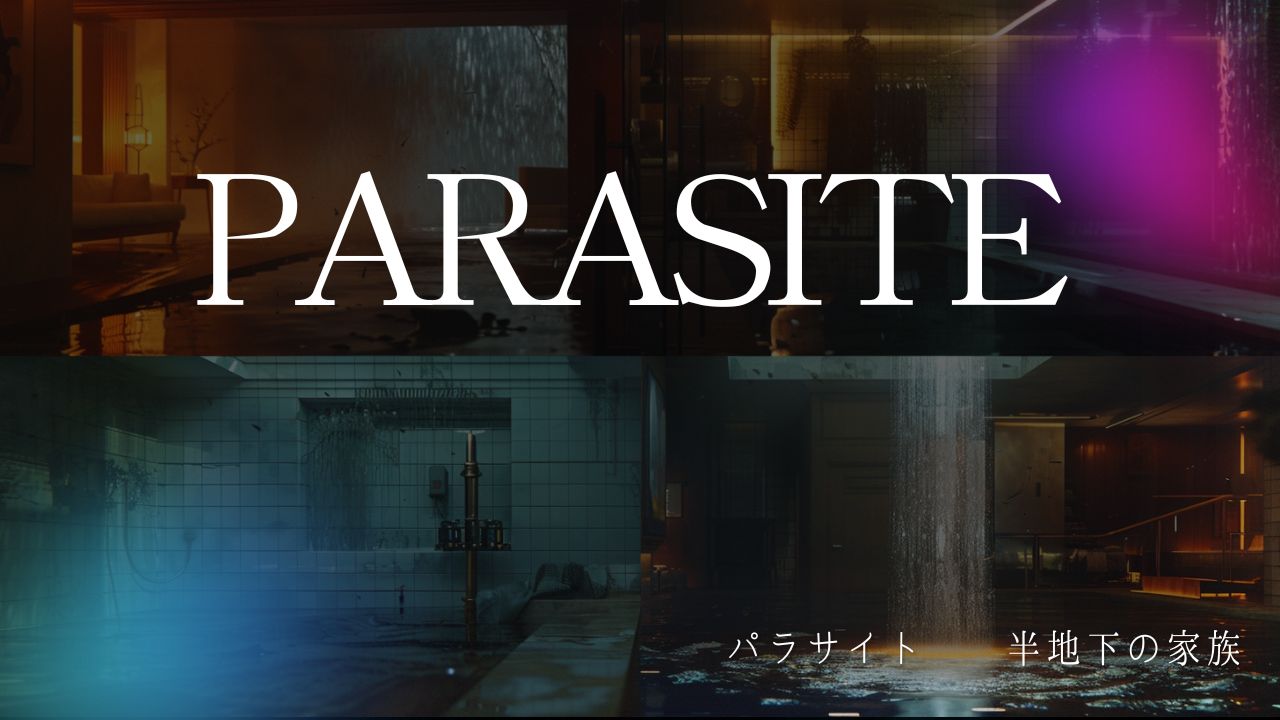
Superficially enjoyable as black comedy or thriller, but its core lies “plumbing equipment presence/absence divides life/death and dignity” serious social issue. Film depicts semi-basement housing drainage problems, heavy rain sewage backflow, figure desperately smoking cigarette above toilet—all these narrate proper plumbing/sanitation equipment access not mere comfort matter but relates to human dignity itself.
For Park family living hilltop mansion, rain blessing moistening garden, but for semi-basement Kim family, disaster destroying life. Same water becomes “blessing” or “calamity” through plumbing system difference—this contrast precisely painfully depicts importance of “society where all people access clean water and sanitation facilities” World Plumbing Day advocates.
Watching this work on World Plumbing Day, we can deeply understand plumbing/sanitation infrastructure not mere technical problem but fundamental right directly linked to social justice and human dignity.
Basic Information & Synopsis
→ For synopsis and production information, see our Database Article
Director: Bong Joon-ho
Year: 2019
Runtime: 132 minutes
Production: Barunson E&A, CJ Entertainment
Commemorative Day: World Plumbing Day (March 11)
Background Knowledge
Bong Joon-ho Director’s Social Film Lineage and Parasite Creative Background
Bong Joon-ho director, through Memories of Murder (2003), The Host (2006), Mother (2009), Snowpiercer (2013), consistently sharply depicted social issues filmmaker. Parasite can be called culminating work fusing social criticism perspective and entertainment cultivated through previous works at high dimension.
Parasite conception began 2013, during Snowpiercer production when theater actor friend recommended writing play. Director recalled experience tutoring at Seoul wealthy household in early 20s, thought about dramatizing that unique sensation. Director reflecting on that time states, “I felt sensation like infiltrating completely unknown person’s private life. Going their house weekly, I thought how fun if infiltrating friends one by one into house,” this idea becoming film’s core concept.
Work skillfully weaves various cinematic influences. From 1960 Korean film The Housemaid, inherited “domestic gothic” structure where middle-class family stability threatened by intruder. Akira Kurosawa director’s High and Low (1963) gave important influence through spatial composition utilizing elevation difference, visual concepts of looking down/up. Also gained story construction hints from past actual incidents, details reflecting director’s real experiences. Film’s peach allergy setting derives from Bong Joon-ho’s university friend actually having this allergy, leading to realistic depiction.
“Parasite” Dual Meaning
Director in 2020 Q&A revealed title has deep meaning of mutual parasitic relationship. “Superficially poor Kim family appears parasitic, but wealthy Park family also parasitic in labor aspect. Cannot wash dishes or drive car, living by absorbing poor family’s labor force. Meaning, both families in this film are parasites.” This insight into interdependent class relationship becomes work’s social criticism core.
What Makes It Exceptional
Visual Expression Power of Class Disparity
This work’s greatest strength is directorial power visually expressing class disparity. As Bong director himself calls Parasite “staircase film,” staircases function as important motif, symbolically expressing each family’s social positioning in Kim house, Park house, underground shelter.
Through vertical spatial design of semi-basement, hilltop, basement, social hierarchical structure becomes composition understandable at glance. Kim family’s semi-basement housing constantly depicted from below looking-up viewpoint, Park family’s mansion filmed from high position looking-down viewpoint. This spatial expression of hierarchical structure transcends mere visual effect, becomes excellent directorial technique making modern society’s disparity problem intuitively understandable.
Song Kang-ho’s Multilayered Performance
Song Kang-ho performing Ki-taek, masterpiece by Korea cinema’s national actor. Building career from 1990s, winning Best Actor at Cannes International Film Festival and Venice International Film Festival, Korea’s representative accomplished actor demonstrating excellent acting ability in this work.
Magnificently performs multilayered character superficially friendly family-loving father yet internally harboring complex emotions. From comedy scenes’ light friendly performance to gradually shown minute facial expression changes, naturally imperceptible to audience yet actually meticulously calculated performance precision overwhelming.
Particularly excellent is emotional expression when receiving class discrimination. Technique expressing humiliation and anger accumulating internally through slight facial expression changes and gestures while superficially behaving as if nothing happened, can be called national actor’s acting ability backed by years of experience. His performance naturally differentiating emotional fluctuations gives this complex story persuasiveness and depth.
Exquisite Balance of Social Criticism and Entertainment
Parasite while handling heavy theme, maintains entertainment drawing audiences to end. Front half comedy elements, middle suspense, latter half thriller development, screenplay skillfulness naturally weaving social issues while crossing genres magnificent.
Not becoming preachy while raising social issues, composition allowing audiences naturally deepening consideration can be called this film’s greatest success factor.
Related Articles
- Parasite Database – Synopsis & Production Details
- Bong Joon-ho – Filmmaker Profile
- Song Kang-ho – Actor Profile
はじめに
配管システムとしての社会構造——水は上から下へ、汚水は下に溜まる
3月11日は「世界配管の日(World Plumbing Day)」です。
2010年に世界配管評議会(World Plumbing Council)によって制定されたこの国際デーは、配管が公衆衛生の保護、水問題の解決、経済的繁栄において果たす重要な役割を認識する日です。配管システムの重要性と配管専門家の貢献を称え、世界中の人々が安全な水と適切な衛生環境を享受できる社会の実現を目指しています。
この特別な日に観る作品として、ポン・ジュノ監督による2019年の『パラサイト 半地下の家族』を強く推奨します。ソン・ガンホ、イ・ソンギュン、チョ・ヨジョン、チェ・ウシクが出演するこの映画は、現代韓国を舞台に、階級格差と社会的不平等を鋭く描いた傑作です。
表面的にはブラックコメディやスリラーとして楽しめる作品ですが、その核心にあるのは**「配管設備の有無が生死と尊厳を分ける」**という深刻な社会問題です。映画で描かれる半地下住宅の排水問題、豪雨による下水の逆流、トイレの上で絶望的にタバコを吸う姿——これらすべてが、適切な配管・衛生設備へのアクセスが、単なる快適さの問題ではなく、人間の尊厳そのものに関わることを物語っています。
高台の豪邸に住むパク家にとって雨は庭を潤す恵みですが、半地下のキム家にとっては生活を破壊する災害です。同じ水が、配管システムの違いによって「恵み」にも「災厄」にもなる——この対比こそが、世界配管の日が訴える「すべての人が清潔な水と衛生設備にアクセスできる社会」の重要性を、映画は痛烈に描き出しています。
世界配管の日という記念日にこの作品を観ることで、私たちは配管・衛生インフラが単なる技術的問題ではなく、社会正義と人間の尊厳に直結する基本的権利であることを深く理解できるでしょう。
基本情報・あらすじ
→ あらすじや製作情報はデータベース記事へ
監督: ポン・ジュノ
製作年: 2019年
上映時間: 132分
制作: Barunson E&A、CJ Entertainment
記念日: 世界配管の日(3月11日)
予備知識
ポン・ジュノ監督の社会派映画の系譜と『パラサイト』の創作背景
ポン・ジュノ監督は、『殺人の追憶』(2003年)、『グエムル -漢江の怪物-』(2006年)、『母なる証明』(2009年)、『スノーピアサー』(2013年)など、一貫して社会問題を鋭く描いてきた映画作家です。『パラサイト』は、これまでの作品で培われた社会批判の視点とエンターテイメント性を高次元で融合させた集大成的作品といえます。
『パラサイト』の構想は2013年、『スノーピアサー』制作中に友人の演劇俳優から戯曲執筆を勧められたことから始まりました。監督は20代前半にソウルの裕福な家庭で家庭教師をしていた体験を思い起こし、その時の独特な感覚を作品化しようと考えます。監督は当時を振り返り、「全く知らない人の私生活に潜入しているような感覚を覚えました。毎週彼らの家に行き、友達全員を一人ずつ家に潜入させたらどんなに楽しいだろうと考えていました」と語っており、この発想が映画の核となるアイデアとなりました。
作品には様々な映画的影響が巧妙に織り込まれています。1960年の韓国映画『下女』からは、中流家庭の安定が侵入者によって脅かされる「ドメスティック・ゴシック」の構造を継承しました。黒澤明監督の『天国と地獄』(1963年)からは、高低差を利用した空間構成や、見下ろす・見上げるといった視覚的コンセプトが重要な影響を与えています。また、過去の実際の事件からも物語構成のヒントを得ており、細部にも監督の実体験が反映されています。劇中の桃アレルギーの設定は、ポン・ジュノの大学時代の友人が実際にこのアレルギーを持っていたことに由来しており、リアリティのある描写につながっています。
「パラサイト」の二重の意味
監督は2020年の質疑応答で、タイトルには相互的な寄生関係という深い意味があると明かしました。「表面的には貧しいキム家が寄生虫に見えますが、裕福なパク家も労働の面で寄生虫です。皿洗いも車の運転もできず、貧しい家族の労働力を吸い上げて生きている。つまり、この映画の家族はどちらも寄生虫なんです」。この相互依存的な階級関係の洞察こそが、作品の社会批判の核心となっています。
優れている点
階級格差の視覚的表現力
本作最大の優れた点は、階級格差を視覚的に表現する演出力です。ポン監督自身が『パラサイト』を「階段映画」と呼んでいるように、階段が重要なモチーフとして機能し、キム家、パク家、そして地下シェルターにおける各家族の社会的位置づけを象徴的に表現しています。
半地下と高台、地下室という垂直的な空間設計により、社会の階層構造が一目で理解できる構成になっています。キム家の半地下住宅は常に下から見上げる視点で描かれ、パク家の豪邸は高い位置から見下ろす視点で撮影されています。この階層構造の空間的表現は、単なる映像的効果を超えて、現代社会の格差問題を直感的に理解させる優れた演出手法です。
ソン・ガンホの多層的な演技
ソン・ガンホ演じるギテクの演技は、韓国映画界の国民俳優による傑作です。1990年代からキャリアを積み重ね、カンヌ国際映画祭やベネチア国際映画祭で主演男優賞を受賞した韓国を代表する実力派俳優である彼が、この作品でも卓越した演技力を発揮しています。
表面的には人懐っこい家族思いの父親でありながら、内面では複雑な感情を抱える多層的な人物を見事に演じています。コメディシーンでの軽妙で親しみやすい演技から、徐々に見せる微細な表情変化まで、観客が気づかないほど自然でありながら、実は計算し尽くされた演技の緻密さは圧巻です。
特に優れているのは、階級差別を受けた時の感情表現です。表面上は何事もないように振る舞いながら、内面に蓄積されていく屈辱や怒りを、わずかな表情の変化や仕草で表現する技術は、長年の経験に裏打ちされた国民俳優ならではの演技力といえるでしょう。感情の振れ幅を自然に演じ分ける彼の演技は、この複雑な物語に説得力と深みを与えています。
社会批判とエンターテイメントの絶妙なバランス
『パラサイト』は重いテーマを扱いながらも、観客を最後まで引き込むエンターテイメント性を保持しています。前半のコメディ要素、中盤のサスペンス、後半のスリラー展開と、ジャンルを横断しながら社会問題を自然に織り込む脚本の巧妙さは見事です。
説教的にならずに社会問題を提起し、観客が自然に考察を深められる作りになっていることが、この映画の最大の成功要因といえるでしょう。
関連記事
- パラサイト 半地下の家族 データベース – あらすじ・製作情報
- ポン・ジュノ – 監督プロフィール
- ソン・ガンホ – 俳優プロフィール