
Choose Your Language / 言語を選択:
Introduction
Ideas Are Bulletproof — Masked Revolutionary Fighting Totalitarianism Questions Free Speech and Resistance
March 12 is “World Day Against Cyber Censorship” established 2008 by Reporters Without Borders and Amnesty International.
This day protests internet censorship conducted in countries including China and Middle Eastern nations, aims requesting cessation from countries and companies conducting censorship and blocking. Reporters Without Borders lists countries conducting internet censorship as “Enemies of the Internet,” continuing activities protecting freedom of expression and access-free internet.
Today’s digital era, free information flow forms democratic foundation element. However, government net censorship, SNS intervention, fake news dissemination, surveillance society expansion—these seriously intensifying worldwide.
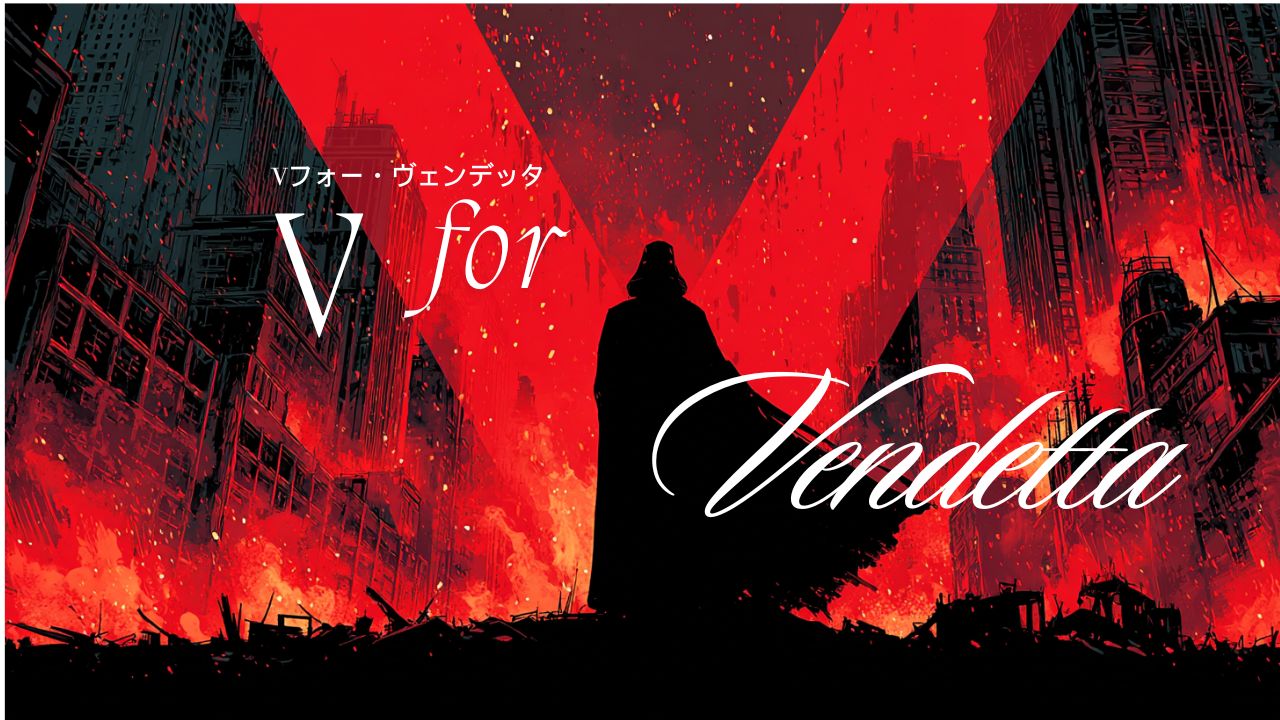
For this special day, recommending James McTeigue director, Wachowski siblings (at film release; now Lana and Lilly Wachowski) screenplay’s 2005 V for Vendetta. This work set in near-future Britain dominated by fascist totalitarianism, depicts mysterious revolutionary “V” wearing Guy Fawkes mask confronting state media control and surveillance society political suspense masterpiece.
Power as Symbol: This work most suitable for World Day Against Cyber Censorship because film itself became real resistance movement symbol. Hacker group “Anonymous” beginning activities around 2006 adopted Guy Fawkes mask appearing in this film as symbol. Subsequently, this mask used in worldwide anti-censorship movements, democratization demos, Occupy movement, becoming “international symbol of resistance and anonymity.”
Film’s core lies in message embedded in V’s symbolic line—”Ideas are bulletproof.” Power can kill humans but cannot kill ideas. Even attempting controlling information cannot stop people’s will seeking truth. This universal theme perfectly overlaps with digital-era free speech battles.
Starring Natalie Portman, Hugo Weaving, Stephen Rea, John Hurt in tense drama, first-class entertainment while deeply questioning viewers “what’s freedom” “what’s justice” philosophical work.
Basic Information & Synopsis
→ For synopsis and production information, see our Database Article
Director: James McTeigue
Year: 2005
Runtime: 132 minutes
Production: Warner Bros. Pictures, Silver Pictures
Commemorative Day: World Day Against Cyber Censorship (March 12)
Note: Screenplay written by Wachowski siblings, credited at film release as “Wachowski Brothers.” Lana and Lilly Wachowski later transitioned and now work as sisters.
Background Knowledge
Digital Era Free Speech
Internet diffusion enabled everyone disseminating information. However simultaneously, government surveillance and censorship also advanced. Biometric authentication, AI monitoring, SNS censorship, fake news dissemination—digital technology used both for freedom and oppression.
Guy Fawkes and Gunpowder Plot
Historical Background:
November 5, 1605, Catholic group planned planting massive gunpowder under Parliament building attempting simultaneous assassination of English King James I and Parliament members. This “Gunpowder Plot.”
Guy Fawkes (1570-1606):
Guy Fawkes was plot executor. Rebelling against Catholic persecution, participated in explosion plan, but plan discovered through tip-off. Executed January 31, 1606 for high treason.
Modern Revaluation:
Though executed as “traitor” at that time, later eras revaluated Guy Fawkes as “person confronting power.” Particularly Alan Moore’s graphic novel V for Vendetta depicted Guy Fawkes as resistance symbol, giving modern meaning.
Guy Fawkes Night:
Even now Britain annually holds “Guy Fawkes Night” (Bonfire Night) November 5 celebrating plot failure. Traditional event celebrating with fireworks and bonfires.
Alan Moore’s Graphic Novel
Original Birth:
V for Vendetta graphic novel by Alan Moore (script) and David Lloyd (artwork). Serialized 1982-1985 in British comic magazine Warrior, subsequently complete edition published by DC Comics.
Thatcher Era Criticism:
Original written under 1980s Britain, Margaret Thatcher government. Moore criticized Thatcher government’s neoliberal policies and authoritarian tendencies, contrasted political extremes “Fascism vs Anarchism.”
Moore’s Film Dissatisfaction:
Alan Moore rejected film adaptation, demanded removing his name from credits. Reasons:
- Dissatisfaction with past film adaptations (From Hell, League of Extraordinary Gentlemen)
- Not permitted script involvement
- Original theme altered: Moore depicted “Anarchism vs Fascism,” film criticized as becoming “American Neo-con vs Liberalism”
Moore stated: “No mention of anarchy whatsoever. Fascism completely defanged.”
David Lloyd’s Support:
Conversely, illustrator David Lloyd supported film, evaluated “screenplay very good.” 2021, Lloyd revealed Moore initially wanted film adaptation when conceiving comic.
Wachowski Siblings Screenplay and Direction Intent
Matrix Team Reunion:
V for Vendetta produced by Matrix series team:
- Screenplay/Producers: Wachowski siblings (then credited as brothers; now Lana & Lilly Wachowski)
- Director: James McTeigue (Matrix trilogy assistant director, directorial debut)
- Producer: Joel Silver
1990s First Draft:
Wachowskis wrote screenplay faithful to original in mid-1990s, before Matrix production. During Matrix 2nd/3rd postproduction, reviewed screenplay, attempted modernizing and simplifying while preserving original themes.
Bush Administration Criticism:
Film strongly conscious of mid-2000s America under George W. Bush administration:
- Abu Ghraib prison: Bags Larkhill prisoners wear evoke Abu Ghraib torture
- Patriot Act and surveillance society: Government mass surveillance
- “War on Terror”: Political control using fear
- Media control: BTN satirizes Fox News etc.
McTeigue director stated: “BTN not just Fox. Everyone complicit in this kind of thing. Could be Britain’s Sky News.”
Universal Theme:
However production team emphasizes film handles universal theme transcending specific administration criticism. McTeigue states:
“Novel showed importance of society not controlled by government but government functioning as people’s voice. Not such great leap that when leaders stop listening to people’s voices, this can happen.”
Casting Brilliance
Hugo Weaving (V role):
Initially James Purefoy cast as V role, but dropped after 6 weeks filming. Then reported “wearing mask constantly difficult,” but later Purefoy himself revealed “creative disagreement about how to play V.”
Hugo Weaving employed as replacement, refilmed Purefoy’s scenes, also dubbed all voices. Weaving played Agent Smith in Matrix, already worked with Wachowskis.
What Makes It Exceptional
Mask Direction Genius
This work’s most daring direction is protagonist V wearing mask throughout entire film. Expressionless protagonist—this great challenge for film, but this constraint conversely gives work multilayered meaning.
V as Symbol:
According to official website, “V’s use of Guy Fawkes mask and persona functions as story’s practical and symbolic element. He wears mask to hide physical scars, by hiding identity—he becomes idea itself.”
Who’s under mask doesn’t matter. V not individual but idea embodiment. Therefore film’s last, Evey says—”He was all of us.”
Hugo Weaving’s Voice Performance:
V wears mask throughout entire film, cannot act with facial expressions. Cannot use expressions, Weaving must express V’s intelligence, humor, sadness, anger, tenderness only through voice and body movement. His performance wonderful, even wearing mask, audiences deeply understand V’s emotions. However, mask muffles voice, all Weaving’s lines re-recorded in postproduction.
Visual Style and Symbolism
Retrofuture Design:
Film intentionally has “retrofuture” appearance. Heavy gray tones dominate, giving totalitarian London stagnation and gloom.
Shadow Gallery:
Largest set created for film is V’s hideout “Shadow Gallery.” Designed as space combining catacombs and underground chapel. This space filled with banned artworks, books, films, music symbolizes V’s intelligence and cultural love.
Parliament Explosion Scene:
Film climax Parliament explosion directed like fireworks matching Tchaikovsky’s “1812 Overture.” This scene depicting destruction as beauty visualizes complex relationship between violence and art, ending and rebirth.
Natalie Portman’s Transformation Performance
Evey Hammond’s story transformation from girl dominated by fear to woman freed from fear. Natalie Portman magnificently performs this internal journey.
Shaved Head Decision:
In film, Evey tortured, hair shaved. For this scene, Portman actually shaved head. Portman actually going bald not only demonstrates role dedication but had effect realistically conveying Evey’s trauma and liberation to audiences.
Screenplay Multilayered — Action, Suspense, Philosophical Questions
Wachowski screenplay while maintaining entertainment film action and suspense, throws deep ideological/philosophical questions.
As Philosophical/Political Questions:
- Where’s boundary between terrorism and revolution?
- Is violence permitted for justice?
- Where’s balance between freedom and security?
- How does fear change humans?
- Are ideas truly “bulletproof”?
Film doesn’t force answers. Makes audiences think.
Related Articles
- V for Vendetta Database – Synopsis & Production Details
- James McTeigue – Filmmaker Profile
- Hugo Weaving – Actor Profile
はじめに
アイデアは防弾だ——全体主義と闘う仮面の革命家が問いかける、言論の自由と抵抗の物語
3月12日は、国境なき記者団(Reporters Without Borders)とアムネスティ・インターナショナル(Amnesty International)によって2008年に制定された「世界反サイバー検閲デー」(World Day Against Cyber Censorship)です。
この日は、中国や中東諸国をはじめとする世界各国で行われているインターネット検閲に抗議し、検閲や遮断を行っている国や企業に対して中止を要請することを目的としています。国境なき記者団は、インターネット検閲を行っている国を「インターネットの敵」としてリスト化し、表現の自由とアクセス自由なインターネットを守るための活動を続けています。
デジタル時代の今日、情報の自由な流通は民主主義の根幹を成す要素です。しかし、政府によるネット検閲、SNSへの介入、フェイクニュースの流布、監視社会の拡大——これらは世界中で深刻化しています。
この特別な日に観る作品として、ジェームズ・マクティーグ監督、ウォシャウスキー姉妹(映画公開時は兄弟名義、現在はラナ&リリー・ウォシャウスキー)脚本による2005年の『Vフォー・ヴェンデッタ』(V for Vendetta)を推奨します。本作は、ファシズム全体主義に支配された近未来のイギリスを舞台に、ガイ・フォークスの仮面をつけた謎の革命家「V」が、国営メディアの支配と監視社会に立ち向かう姿を描いた政治サスペンス大作です。
象徴としての力:本作が世界反サイバー検閲デーに最もふさわしい理由は、映画そのものが現実の抵抗運動の象徴となったことです。2006年頃から活動を始めたハッカー集団「アノニマス」は、この映画に登場するガイ・フォークスマスクをシンボルとして採用しました。以降、このマスクは世界中の反検閲運動、民主化デモ、オキュパイ運動で使用され、「抵抗と匿名の国際的シンボル」となりました。
映画の核心にあるのは、Vの象徴的なセリフ——「アイデアは防弾だ(Ideas are bulletproof)」——に込められたメッセージです。権力は人間を殺すことはできても、アイデアを殺すことはできない。情報を統制しようとしても、真実を求める人々の意志を止めることはできない。この普遍的なテーマが、デジタル時代の言論の自由をめぐる闘いと完璧に重なり合います。
ナタリー・ポートマン、ヒューゴ・ウィーヴィング、スティーヴン・レイ、ジョン・ハートという豪華キャストが織りなす緊迫のドラマは、娯楽映画としても一級品でありながら、観る者に「自由とは何か」「正義とは何か」を深く問いかける思想的作品となっています。
基本情報・あらすじ
→ あらすじや製作情報はデータベース記事へ
監督: ジェームズ・マクティーグ
製作年: 2005年
上映時間: 132分
制作: Warner Bros. Pictures、Silver Pictures
記念日: 世界反サイバー検閲デー(3月12日)
注記: 脚本はウォシャウスキー姉妹によるものですが、映画公開時は「ウォシャウスキー兄弟」名義でクレジットされていました。ラナ&リリー・ウォシャウスキーは後に性別移行を経て、現在は姉妹として活動しています。
予備知識
デジタル時代の言論の自由
インターネットの普及により、誰もが情報を発信できるようになりました。しかし同時に、政府による監視と検閲も高度化しています。生体認証、AIによる監視、SNS検閲、フェイクニュースの流布——デジタル技術は、自由のためにも抑圧のためにも使われます。
ガイ・フォークスと火薬陰謀事件(Gunpowder Plot)
歴史的背景:
1605年11月5日、イングランド国王ジェームズ1世と国会議員を一斉に殺害するため、カトリック教徒のグループが国会議事堂の地下に大量の火薬を仕掛けるという陰謀が計画されました。これが火薬陰謀事件(Gunpowder Plot)です。
ガイ・フォークス(1570-1606):
ガイ・フォークスは陰謀の実行役でした。カトリック教徒への弾圧に反発し、爆破計画に参加しましたが、計画は密告により発覚。1606年1月31日、大逆罪で処刑されました。
現代における再評価:
当時は「反逆者」として処刑されたガイ・フォークスですが、後の時代に「権力に立ち向かう人物」として再評価されるようになりました。特にアラン・ムーアのグラフィックノベル『Vフォー・ヴェンデッタ』が、ガイ・フォークスを抵抗のシンボルとして描き、現代的な意味を与えました。
ガイ・フォークス・ナイト:
現在でもイギリスでは毎年11月5日に、ガイ・フォークスの陰謀失敗を祝う「ガイ・フォークス・ナイト」(Bonfire Night)が行われます。花火や焚き火で祝う伝統的な行事です。
アラン・ムーアのグラフィックノベル
原作の誕生:
『Vフォー・ヴェンデッタ』は、アラン・ムーア(脚本)とデビッド・ロイド(作画)によるグラフィックノベルです。1982年から1985年にかけて、イギリスのコミック雑誌『Warrior』で連載され、その後DC Comicsから完全版が出版されました。
サッチャー時代への批判:
原作は1980年代のイギリス、マーガレット・サッチャー政権下で書かれました。ムーアは、サッチャー政権の新自由主義的政策と権威主義的傾向を批判し、「ファシズム vs アナーキズム」という政治的両極を対置させました。
ムーアの映画への不満:
アラン・ムーアは映画化を拒否し、自分の名前をクレジットから外すよう要求しました。理由は:
- 過去の映画化作品への不満
- 脚本への関与が認められなかったこと
- 原作のテーマが変質したこと:ムーアは「アナーキズム vs ファシズム」を描いたが、映画は「アメリカのネオコン vs リベラリズム」になったと批判
ムーアは言いました:「アナーキーへの言及はまったくなかった。ファシズムも完全に牙を抜かれていた」
デビッド・ロイドの支持:
一方、イラストレーターのデビッド・ロイドは映画を支持し、「脚本は非常に良い」と評価しました。2021年、ロイドはムーアが当初、コミック構想時に映画化を望んでいたことを明かしています。
ウォシャウスキー姉妹の脚本と演出意図
『マトリックス』チームの再結集:
『Vフォー・ヴェンデッタ』は、『マトリックス』シリーズを手がけたチームによって制作されました:
- 脚本・プロデューサー:ウォシャウスキー姉妹(当時は兄弟名義、現在はラナ&リリー・ウォシャウスキー)
- 監督:ジェームズ・マクティーグ(『マトリックス』三部作の助監督。本作が初監督作品)
- プロデューサー:ジョエル・シルバー
1990年代の初稿:
ウォシャウスキーは1990年代半ば、『マトリックス』制作前に、原作に忠実な脚本を書いていました。『マトリックス』2作目・3作目のポストプロダクション中に脚本を見直し、現代化と簡素化を図りながら、原作のテーマを保とうとしました。
ブッシュ政権への批判:
映画は2000年代半ば、ジョージ・W・ブッシュ政権下のアメリカを強く意識しています:
- アブグレイブ刑務所:ラークヒルの囚人が被る袋は、アブグレイブでの拷問を連想させる
- 愛国者法と監視社会:政府による大規模監視
- 「対テロ戦争」:恐怖を利用した政治支配
- メディア統制:BTNはFox Newsなどを風刺
マクティーグ監督は言いました:「BTNはFoxだけではない。誰もがこの種のことに加担している。イギリスのSky Newsでもよかった」
普遍的なテーマ:
しかし制作陣は、映画が特定の政権批判を超えた普遍的なテーマを扱っていることを強調しています。マクティーグは語ります:
「小説は、社会が政府に支配されるのではなく、政府が人々の声として機能することの重要性を示していた。指導者が人々の声を聞かなくなった時、このようなことが起こりうるというのは、それほど大きな飛躍ではない」
キャスティングの妙
ヒューゴ・ウィーヴィング(V役):
当初、ジェームズ・ピュアフォイがV役にキャストされていましたが、6週間の撮影後に降板しました。当時は「マスクをずっとつけるのが困難だった」と報道されましたが、後にピュアフォイ自身が「Vをどう演じるかについての創造的な意見の相違」だったと明かしています。
ヒューゴ・ウィーヴィングが代役として起用され、ピュアフォイのシーンを再撮影し、声も全て吹き替えました。ウィーヴィングは『マトリックス』でエージェント・スミスを演じ、ウォシャウスキーと既に仕事をしていました。
優れている点
仮面という演出の天才性
本作の最も大胆な演出は、主人公Vが全編を通じて仮面をつけたままであることです。表情が見えない主人公——これは映画にとって大きな挑戦ですが、この制約が逆に、作品に多層的な意味を与えています。
象徴としてのV:
公式ウェブサイトによれば、「Vがガイ・フォークスマスクとペルソナを使用することは、物語の実用的かつ象徴的な要素として機能する。彼はマスクを物理的な傷跡を隠すために着用し、アイデンティティを隠すことで——彼はアイデア自身になる」
仮面の下に誰がいるかは重要ではありません。Vは個人ではなく、アイデアの体現です。だからこそ、映画のラストでイーヴィーは言います——「彼は私たち全員だった」
ヒューゴ・ウィーヴィングの声の演技:
Vは全編を通じて仮面をつけているため、表情での演技ができません。表情が使えないため、ウィーヴィングは声と身体の動きだけで、Vの知性、ユーモア、悲しみ、怒り、優しさを表現しなければなりませんでした。彼の演技は素晴らしく、仮面をつけたままでも、観客はVの感情を深く理解できます。ただし、マスクが声をこもらせるため、ウィーヴィングの全ての台詞はポストプロダクションで再録音されたものです。
視覚的スタイルと象徴性
レトロフューチャー的デザイン:
映画は意図的に「レトロフューチャー」な外観を持っています。重い灰色のトーンが支配的で、全体主義的ロンドンに停滞感と陰鬱さを与えています。
シャドウ・ギャラリー:
映画のために作られた最大のセットは、Vのアジト「シャドウ・ギャラリー」です。これは地下墓所と地下礼拝堂を掛け合わせたような空間として設計されました。禁止された芸術作品、書籍、映画、音楽で満たされたこの空間は、Vの知性と文化への愛を象徴しています。
国会議事堂爆破シーン:
映画のクライマックスである国会議事堂の爆破は、チャイコフスキーの「1812年序曲」に合わせて花火のように演出されます。破壊が美として描かれるこのシーンは、暴力と芸術、終焉と新生の複雑な関係を視覚化しています。
ナタリー・ポートマンの変容の演技
イーヴィー・ハモンドの物語は、恐怖に支配された少女から、恐怖から解放された女性への変容です。ナタリー・ポートマンは、この内面的な旅を見事に演じています。
坊主頭の決断:
映画の中で、イーヴィーは拷問を受け、髪を剃られます。このシーンのために、ポートマンは実際に頭を丸刈りにしました。ポートマンが実際に坊主頭にしたことは、役への献身を示すだけでなく、イーヴィーのトラウマと解放を観客にリアルに伝える効果を持ちました。
脚本の多層性——アクション、サスペンス、哲学的問い
ウォシャウスキーの脚本は、娯楽映画としてのアクションとサスペンスを維持しながら、深い思想的・哲学的問いを投げかけています。
哲学的・政治的問いとして:
- テロリズムと革命の境界はどこか?
- 暴力は正義のために許されるのか?
- 自由と安全のバランスはどこにあるのか?
- 恐怖は人間をどう変えるのか?
- アイデアは本当に「防弾」なのか?
映画は答えを押し付けません。観客に考えさせます。