
Choose Your Language / 言語を選択:
Introduction
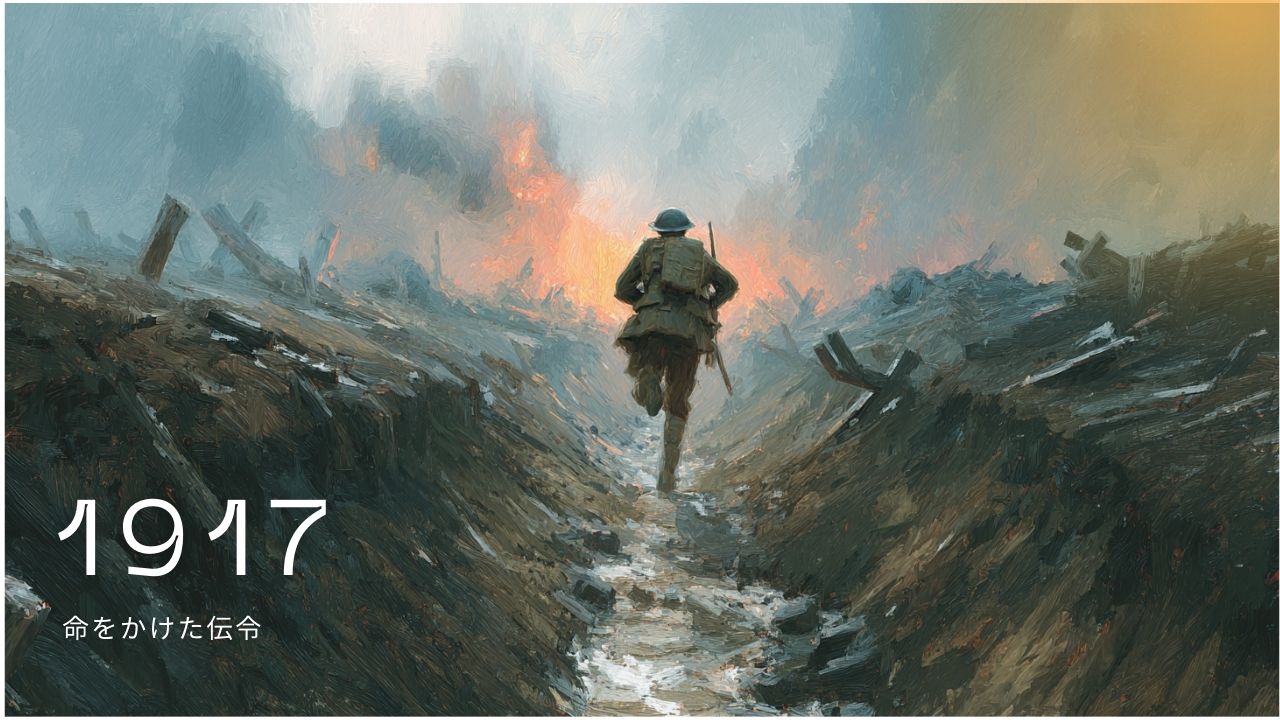
One-Cut-Style Filming Depicting Two Soldiers’ Desperate Messenger Mission Racing Across Battlefield
March 16, 1917 was historical turning point day in World War I.
This day, German army began large-scale strategic withdrawal called “Operation Alberich” (Unternehmen Alberich). Shortening approximately 40 kilometers Western Front, retreating to newly constructed strong defensive line “Hindenburg Line,” WWI history’s largest planned withdrawal operation.
Film set approximately 3 weeks after this operation start, April 6, 1917, is Sam Mendes director’s 1917. War film masterpiece making entire film appear shot as if “one-cut” using innovative visual technique, letting audiences experience real-time two British Army lance corporals’ desperate mission crossing enemy lines delivering message.
Confusion period Operation Alberich created, British Army judged “German army retreated” planned pursuit, but actually German army set trap waiting. Film depicts two young lance corporals racing across battlefield attempting stopping this mistaken attack, saving 1,600 soldiers’ lives.
Sam Mendes director’s own grandfather served WWI messenger soldier experience basis, co-writing screenplay with Scottish screenwriter Krysty Wilson-Cairns, this work nominated 10 Academy Award categories, won Cinematography, Visual Effects, Sound Mixing. Also won Golden Globe Best Motion Picture (Drama) and Best Director, BAFTA British Academy Film Awards won most 7 categories, receiving film history remaining evaluation.
March 16, watching this work on Operation Alberich beginning day, can experience unprecedented realism WWI Western Front historical turning point and soldiers risking lives executing missions amid that confusion.
Basic Information & Synopsis
→ For synopsis and production information, see our Database Article
Director: Sam Mendes
Year: 2019
Runtime: 119 minutes
Production: DreamWorks Pictures, New Republic Pictures
Historical Context: Operation Alberich (March 16)
Background Knowledge
Sam Mendes Director and Grandfather’s Story
Sam Mendes director (American Beauty, Skyfall, Spectre etc.) dedicates this work to own grandfather Alfred H. Mendes.
Alfred, Trinidad origin, 5 feet 4 inches (approximately 163cm) small stature. Served Western Front British Army (Rifle Brigade, Duke of Cornwall’s Light Infantry) messenger soldier, small stature selected for messenger duties. No man’s land fog often drifted approximately 6 feet (approximately 183cm) height, Alfred running 5 feet half (approximately 168cm) hidden in fog invisible.
Alfred until mid-70s rarely spoke war experienced as teenager. However late years, told grandson Sam, winter 1916 dusk, ordered crossing no man’s land carrying single message mission story. This story deeply engraved Mendes director’s heart, 50 years later crystallized as film 1917.
However, film characters and specific mission creative fiction. Mendes director clearly states “not film based on my grandfather’s story. Inspired by ‘fragments’ and ‘spirit’ of story grandfather told.”
Co-Screenwriter Krysty Wilson-Cairns
This work’s screenplay co-written Mendes director and Scottish screenwriter Krysty Wilson-Cairns (born 1987). Glasgow origin, studied film Royal Conservatoire of Scotland and National Film and Television School, 2014 screenplay “Aether” selected Blacklist gaining attention.
Writing 1917 screenplay, Wilson-Cairns visited Northern France battlefield sites and cemeteries with mother, read frontline soldier diaries Imperial War Museum London, conducted thorough research. She states “never thought young woman would get chance writing war film.”
Mendes and Wilson-Cairns stated “took calculated risk.” Despite WWI “war fundamentally paralysis and stagnation,” adopted paradoxical approach generating energy by continuously moving protagonists forward in story.
Their screenplay highly evaluated, nominated Academy Award Best Original Screenplay, Writers Guild of America Award, won BAFTA Award Outstanding British Film.
Filming Locations and Battlefield Recreation
1917 filming actually not France but primarily within Britain.
Southern Britain terrain—rolling plains, green farmland, hills—very similar Northern France Western Front. Main filming locations Wiltshire’s Salisbury Plain, Surrey’s Hankley Common, Scotland’s Glasgow vicinity.
Salisbury Plain filming, conservationists raised concerns excavating near Stonehenge area possibly damaging undiscovered ruins. Production team responded conducting surveys before set construction.
River scenes filmed near Low Force, River Tees, Northern England. This river chosen as reference Greek mythology underworld river “River Styx.” Production staff had to install warning signs so walkers wouldn’t be alarmed seeing artificial corpses and body parts.
Ruined French town scenes filmed Shepperton Studios sound stages.
What Makes It Exceptional
Innovative “One-Cut-Style” Filming Technique
This work’s greatest strength innovative visual technique making entire film appear shot as two continuous long-take shots. Actually, numerous shots seamlessly connected through clever editing, but audiences experience as uninterrupted “one-cut.”
1917‘s one-cut-style filming was innovative attempt film history.
Works known true one-cut films include Alfred Hitchcock’s Rope (1948), Alejandro González Iñárritu’s Birdman or (The Unexpected Virtue of Ignorance) (2014). However, these primarily indoor or limited space filming.
1917‘s challenge connecting diverse locations—vast battlefields, trenches, ruined towns, rivers, forests—as if continuous shot. This required precise choreography, hundreds extras’ precise timing, perfect lighting and camerawork.
Mendes director and Deakins cinematographer conducted thorough rehearsals beforehand, planning all camera movements and extra positions. Filming site, single take spanning several minutes, must execute perfectly start to finish. Single mistake ruins everything.
“One-cut-style” filming not mere technical experiment but also functions as means completely immersing audiences in story. No cuts, audiences experience journey same timeline as protagonists, sharing same tension and fear. No break or breathing time, audiences experience real-time everything protagonists experience.
Film has single screen blackout approximately 1 hour 6 minutes point. Scene where Schofield faints, wakes nightfall. Mendes director explained wanted dividing film into two movements “afternoon to dusk” and “night to dawn.” This changes film tone from daytime realistic terror to nighttime hallucinatory nightmare-like terror.
Particularly impressive is light usage. Daytime natural light to nighttime flare-illuminated eerie scenery transition dramatically changes film tone. Silhouettes against burning town, cherry blossoms reflected in river, explosion flashes—all simultaneously express battlefield beauty and terror.
Cinematographer Roger Deakins (won Academy Award Best Cinematography Blade Runner 2049), fourth collaboration Mendes director. Deakins received 15th Academy Award Best Cinematography nomination this work, achieving second win. This work used Arri Alexa Mini LF digital cinema camera prototype. Primarily used 40mm lens, 35mm emphasizing trench and dugout claustrophobia, 47mm river scene background blur.
George MacKay and Dean-Charles Chapman’s Acting
Lead actors George MacKay and Dean-Charles Chapman’s acting also this work’s major strength.
Chapman’s Blake emotional impulsive character with clear motivation saving elder brother. His youth and idealism symbolize first half hope. Conversely, MacKay’s Schofield veteran experienced Somme Battle, more calm realistic. Initially unenthusiastic about mission, but after Blake’s death, desperately keeps running continuing his will.
Particularly MacKay’s acting wonderful, expressing everything—fatigue, fear, determination, final liberation—through facial expressions and body. Long-take filming, actors cannot redo multiple times, demanding perfect acting every moment. MacKay magnificently meets that demand.
Sound Design Creating Immersion
This work won Academy Award Best Sound Mixing, sound design also excellent.
Trench soldiers’ murmur, distant artillery sounds, footsteps walking mud, breathing, wind sounds—all draw audiences into battlefield. Particularly impressive silence and explosion contrast. Eerie silence advancing no man’s land, suddenly transitioning to explosion and gunfire moment, audiences receive same shock as protagonist.
Thomas Newman’s music also magnificently integrated with sound, sometimes indistinguishable whether music or environmental sound. Music never imposes emotion, rather heightens tension, deepening audience immersion.
Related Articles
- 1917 Database – Synopsis & Production Details
- Sam Mendes – Filmmaker Profile
- Roger Deakins – Cinematographer Profile
はじめに
ワンカット風撮影で描く、戦場を駆け抜ける二人の兵士の決死の伝令任務
1917年3月16日は、第一次世界大戦において歴史的転換点となった日です。
この日、ドイツ軍は「アルベリヒ作戦」(Unternehmen Alberich)と呼ばれる大規模な戦略的撤退を開始しました。約40キロメートルにわたる西部戦線を短縮し、新たに建設された強固な防衛線「ヒンデンブルク線」へと後退する、第一次世界大戦史上最大規模の計画的撤退作戦でした。
この作戦開始から約3週間後の1917年4月6日を舞台にした映画が、サム・メンデス監督の『1917 命をかけた伝令』(原題:1917)です。全編をあたかも「ワンカット」で撮影したかのように見せる革新的な映像技法で、二人のイギリス軍伍長が敵陣を横断して伝令を届ける決死の任務を、リアルタイムで追体験させる戦争映画の傑作です。
アルベリヒ作戦によって生じた混乱期、イギリス軍は「ドイツ軍が撤退した」と判断し追撃を計画しますが、実際にはドイツ軍は罠を仕掛けて待ち構えていました。映画は、この誤った攻撃を阻止するために、1,600人の兵士の命を救うべく、二人の若い伍長が戦場を駆け抜ける姿を描いています。
サム・メンデス監督自身の祖父が第一次世界大戦で伝令兵として従軍した経験をもとに、スコットランド人脚本家クリスティ・ウィルソン=ケアンズと共同で脚本を執筆した本作は、アカデミー賞10部門にノミネートされ、撮影賞・視覚効果賞・音響賞を受賞しました。また、ゴールデングローブ賞では作品賞(ドラマ部門)と監督賞を受賞し、BAFTA英国アカデミー賞では最多7部門を受賞するなど、映画史に残る評価を得ています。
3月16日、アルベリヒ作戦が始まったこの日に本作を観ることで、第一次世界大戦の西部戦線で起きた歴史的転換と、その混乱の中で命をかけて任務を遂行した兵士たちの姿を、かつてない臨場感で体験することができるでしょう。
基本情報・あらすじ
→ あらすじや製作情報はデータベース記事へ
監督: サム・メンデス
製作年: 2019年
上映時間: 119分
制作: DreamWorks Pictures、New Republic Pictures
歴史的背景: アルベリヒ作戦開始(3月16日)
予備知識
サム・メンデス監督と祖父の物語
サム・メンデス監督(『アメリカン・ビューティー』『007 スカイフォール』『007 スペクター』など)は、本作を自身の祖父アルフレッド・H・メンデスに捧げています。
アルフレッドは、トリニダード出身で身長5フィート4インチ(約163センチ)という小柄な体格でした。西部戦線でイギリス軍(ライフル旅団、王子付属連隊)の伝令兵として従軍し、その小柄な体格ゆえに伝令任務に選ばれました。無人地帯では霧が地上約6フィート(約183センチ)の高さに漂うことが多く、5フィート半(約168センチ)で走るアルフレッドは霧に隠れて見えなかったのです。
アルフレッドは70代半ばになるまで、10代で経験した戦争の話をほとんどしませんでした。しかし晩年、孫のサムに、1916年の冬の夕暮れ、無人地帯を一通のメッセージを携えて横断するよう命じられた任務の話をしました。この話がメンデス監督の心に深く刻まれ、50年後に映画『1917』として結実しました。
ただし、映画の登場人物や具体的な任務は創作です。メンデス監督は「私の祖父の話に基づいた映画ではない。祖父が語った物語の『断片』や『精神』に触発されたのだ」と明言しています。
共同脚本家クリスティ・ウィルソン=ケアンズ
本作の脚本は、メンデス監督とスコットランド人脚本家クリスティ・ウィルソン=ケアンズ(1987年生まれ)が共同で執筆しました。グラスゴー出身の彼女は、Royal Conservatoire of ScotlandとNational Film and Television Schoolで映画を学び、2014年に脚本「Aether」がブラックリストに選ばれたことで注目されました。
『1917』の脚本執筆にあたり、ウィルソン=ケアンズは母親と共に北フランスの戦場跡と墓地を訪れ、ロンドンの帝国戦争博物館で前線兵士の日記を読むなど、徹底的なリサーチを行いました。彼女は「若い女性が戦争映画を書くチャンスは決してないと思っていた」と語っています。
メンデスとウィルソン=ケアンズは、「計算されたリスクを取った」と述べています。第一次世界大戦は「麻痺と停滞が根本にある戦争」であるにもかかわらず、物語の中で主人公を前進させ続けることでエネルギーを生み出すという、逆説的なアプローチを採用しました。
二人の脚本は高く評価され、アカデミー賞脚本賞、全米脚本家組合賞にノミネートされ、BAFTA賞では英国映画賞を受賞しました。
撮影地と戦場の再現
『1917』の撮影は、実際にはフランスではなく、主にイギリス国内で行われました。
イギリス南部の地形——なだらかな平原、緑の農地、丘陵——は、北フランスの西部戦線と非常によく似ています。主な撮影地は、ウィルトシャー州のソールズベリー平原、サリー州のハンクリー・コモン、そしてスコットランドのグラスゴー近郊でした。
ソールズベリー平原での撮影については、保護活動家から、ストーンヘンジ近くの地域を掘削することで未発見の遺跡を損傷する可能性があるとの懸念が提起されました。製作チームは、セット建設前に調査を行うことで対応しました。
川のシーンは、イングランド北部のティーズ川のロウ・フォース付近で撮影されました。この川は、ギリシャ神話の冥界を流れる三途の川「ステュクス川」への言及として選ばれました。製作スタッフは、ウォーキングをする人々が人工の死体や身体の部品を見ても驚かないよう、警告標識を設置しなければなりませんでした。
廃墟となったフランスの町のシーンは、シェパートン・スタジオのサウンドステージで撮影されました。
優れている点
革新的な「ワンカット風」撮影技法
本作の最大の優れた点は、全編が2つの連続した長回しショットで撮影されたかのように見える革新的な映像技法です。実際には、巧妙な編集により多数のショットがシームレスに繋がれていますが、観客には切れ目のない「ワンカット」として体験されます。
『1917』のワンカット風撮影は、映画史において革新的な試みでした。
真のワンカット映画として知られる作品には、アルフレッド・ヒッチコックの『ロープ』(1948年)やアレハンドロ・ゴンサレス・イニャリトゥの『バードマン あるいは(無知がもたらす予期せぬ奇跡)』(2014年)などがあります。しかし、これらは主に室内や限られた空間での撮影でした。
『1917』の挑戦は、広大な戦場、塹壕、廃墟の町、川、森といった多様なロケーションを、あたかも一続きのショットのように繋げることでした。これには、精密な振り付け、何百人ものエキストラの正確なタイミング、そして完璧な照明とカメラワークが必要でした。
メンデス監督とディーキンス撮影監督は、事前に徹底的なリハーサルを行い、すべてのカメラの動きとエキストラの位置を計画しました。撮影現場では、一つのテイクが数分に及ぶため、最初から最後まで完璧に実行しなければなりませんでした。一つのミスが全体を台無しにしてしまうのです。
「ワンカット風」の撮影は、単なる技術的な実験ではなく、観客を物語の中に完全に没入させるための手段としても機能しています。カットがないことで、観客は主人公たちと同じ時間軸で旅を体験し、同じ緊張と恐怖を共有します。休憩や息継ぎの時間がなく、主人公が経験するすべてを、観客もリアルタイムで経験するのです。
映画には約1時間6分の時点で一度だけ画面が暗転します。スコフィールドが気絶し、夜になって目を覚ますシーンです。メンデス監督は、映画を「午後から夕暮れ」と「夜から夜明け」という2つの楽章に分けたかったと説明しています。これにより、昼の現実的な恐怖から夜の幻覚的で悪夢のような恐怖へと、映画のトーンが変化します。
特に印象的なのは、光の使い方です。昼間の自然光から、夜の照明弾に照らされた不気味な光景への移行は、映画のトーンを劇的に変化させます。燃える町を背景にしたシルエット、川に映る桜の花びら、爆発の閃光——これらすべてが、戦場の美しさと恐怖を同時に表現しています。
撮影監督は、メンデス監督と4度目のコラボレーションとなるロジャー・ディーキンス(『ブレードランナー 2049』でアカデミー賞撮影賞受賞)。ディーキンスは本作で15度目のアカデミー賞撮影賞ノミネートとなり、2度目の受賞を果たしました。本作では、Arri Alexa Mini LFデジタルシネマカメラのプロトタイプを使用しました。レンズは主に40mmを使用し、塹壕や地下壕の閉所恐怖症を強調するために35mm、川のシーンでは背景をぼかすために47mmを使用しました。
ジョージ・マッケイとディーン=チャールズ・チャップマンの演技
主演のジョージ・マッケイとディーン=チャールズ・チャップマンの演技も本作の大きな強みです。
チャップマン演じるブレイクは、兄を救いたいという明確な動機を持つ、感情的で衝動的なキャラクターです。彼の若さと理想主義が、映画前半の希望を象徴しています。一方、マッケイ演じるスコフィールドは、ソンム戦を経験した古参兵で、より冷静で現実的です。最初は任務に乗り気ではありませんが、ブレイクの死後、彼の遺志を継ぐために必死で走り続けます。
特にマッケイの演技は素晴らしく、疲労、恐怖、決意、そして最後の解放感まで、すべてを表情と身体で表現しています。長回しの撮影では、俳優は何度もやり直しができないため、一瞬一瞬に完璧な演技が要求されます。マッケイはその要求に見事に応えています。
没入感を生み出す音響デザイン
本作はアカデミー賞音響賞を受賞しており、音響デザインも卓越しています。
塹壕の中の兵士たちのざわめき、遠くの砲撃の音、泥を歩く足音、呼吸、風の音——これらすべてが、観客を戦場の中に引き込みます。特に印象的なのは、静寂と爆音の対比です。無人地帯を進む時の不気味な静けさから、突然の爆発や銃撃へと移行する瞬間、観客は主人公と同じ衝撃を受けます。
トーマス・ニューマンの音楽も見事に音響と統合されており、時には音楽なのか環境音なのか区別がつかないほどです。音楽は決して感情を押し付けず、むしろ緊張感を高め、観客の没入を深める役割を果たしています。
関連記事
- 1917 データベース – あらすじ・製作情報
- サム・メンデス – 監督プロフィール
- ロジャー・ディーキンス – 撮影監督プロフィール