
Choose Your Language / 言語を選択:
Introduction
Daily Routine Becoming Poetry — Discovering Dignity in Unremarkable Life
March 18 is “Transit Driver Appreciation Day”—American origin commemorative day expressing gratitude to public transportation drivers like buses and subways.
Daily, millions people travel by bus and subway. Morning commute, hospital visits, shopping, school—our daily life cannot function without public transportation.
And supporting that public transportation are drivers.
They daily drive same routes. Safely transport passengers to destinations. Sometimes handle rough passengers, sometimes caught in traffic, sometimes feeling loneliness.
It’s unnoticed work. Rarely appreciated, treated as granted. However, without this work, cities cannot function.
Jim Jarmusch director’s Paterson precisely shines light on this “unnoticed but society-supporting work.”
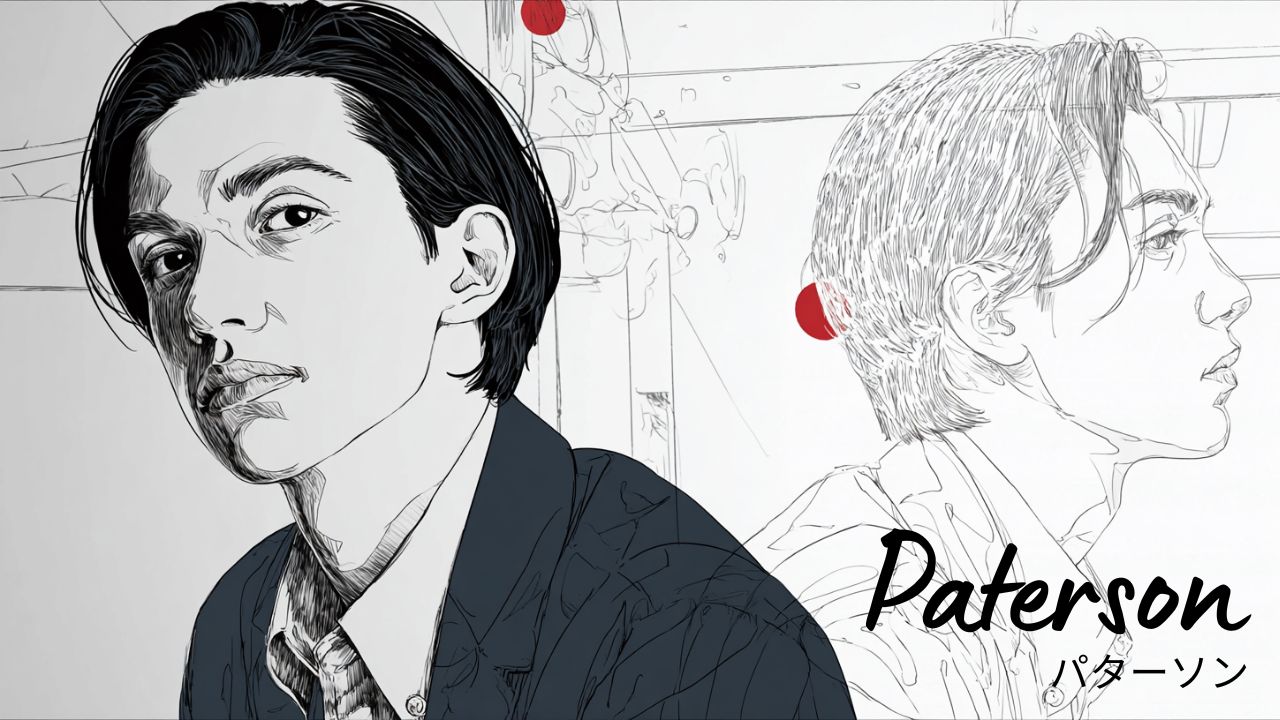
Protagonist Paterson (Adam Driver) NJ Transit bus driver Paterson City, New Jersey. He daily wakes same time, drives same route, drinks one at same bar.
However, this film not merely depicting laborer’s daily life work.
This story discovering poetry within daily life. Story finding beauty in repetition. Story granting dignity to unremarkable life.
And perhaps, among films depicting public transportation driver profession, most beautiful, most profound work.
Basic Information & Synopsis
→ For synopsis and production information, see our Database Article
Director: Jim Jarmusch
Year: 2016
Runtime: 118 minutes
Production: K5 International, Le Pacte
Commemorative Day: Transit Driver Appreciation Day (March 18)
Background Knowledge
Jim Jarmusch — Independent Film Master
Jim Jarmusch American film director born 1953.
He known director having unique style distinct from Hollywood commercial films. Representative works include Stranger Than Paradise (1984), Down by Law (1986), Mystery Train (1989), Dead Man (1995), Broken Flowers (2005), Only Lovers Left Alive (2013).
Jarmusch’s films often have following characteristics:
Minimal narratives
Repetition and daily life
Focus on outsiders and marginal figures
Poetic imagery and stillness
Fusion of humor and melancholy
Paterson perfectly embodies all these elements.
William Carlos Williams and Poem “Paterson”
This work’s title and protagonist name derive from American poet William Carlos Williams (1883-1963) long poem Paterson.
Williams poet who wrote poetry while working physician Rutherford, New Jersey (neighboring Paterson City). His poetry focuses everyday language and everyday landscapes.
Long poem Paterson (1946-1958) 5-volume work depicting Paterson City and its residents. Industrial city landscapes, laborer lives, Great Falls—Williams attempted capturing this city’s soul through poetry.
Jarmusch inherits Williams’ spirit in this work—discovering poetry within daily life, granting dignity to ordinary people’s lives.
Ron Padgett — Poet Who Wrote Film’s Poetry
Poetry appearing this work written by poet Ron Padgett.
Padgett American poet born 1942, known as New York School poet. His poetry uses everyday language, simple yet possessing deep insight.
Padgett wrote 3 new poems for this work, additionally provided 4 existing poems.
Representative poem “Love Poem” plays important role in film:
We have plenty of matches in our house.
We keep them on hand always.
Currently our favorite brand is Ohio Blue Tip,
though we used to prefer Diamond Brand.
That was before we discovered Ohio Blue Tip matches.
They are available at most corner stores for a modest price.
It is a good feeling to know that you can strike a match at any time.
We have plenty of matches in our house.
This poem written about trivial thing matches. However, it’s love poem—”reassurance can strike match anytime” metaphor for reassurance being with loved one.
Padgett’s poetry perfectly embodies this work’s theme—discovering deep meaning within daily trivialities.
Adam Driver — Actor Who Obtained Bus Driver License
Adam Driver actually obtained commercial bus driver license for this work.
He received several weeks training, became able actually driving bus. Bus driving scenes in film, all himself driving.
This realism gives this work authenticity. Driver looks like real bus driver—steering wheel grip method, mirror check method, brake stepping method—all natural.
Driver stated in interview: “By driving bus, could understand Paterson’s daily life. Meditative nature driving same route daily.”
What Makes It Exceptional
Daily Life Poetics — Beauty in Repetition
Paterson‘s greatest virtue converting daily repetition into poetic rhythm.
Modern society constantly seeks “new things.” Change, stimulation, excitement. Same thing repetition deemed boring, something avoiding.
Paterson’s daily almost same. Wake, work, poetry, walk, bar, return home.
However, Jarmusch not depicting this repetition as boring. Rather, finding beauty within repetition.
Every morning, Paterson wakes same time. However, every morning, Laura dreams different dream—black and white circle patterns, twin babies, mountain of muffins.
Daily, Paterson drives same route. However, daily, different passengers board—elementary students debating anarchism, youth speaking love troubles, Method Man (himself) performing improvised rap.
And daily, Paterson walks dog. However, Marvin wants going different places daily.
Repetition not monotony. Repetition is structure. Within that structure, small changes—poetry—born.
Jarmusch visualizes William Carlos Williams’ aesthetics—”In the everyday, the miraculous.”
Repetition not boring. Repetition is depth.
Poetry and Image Fusion — Visual Poetry
And this work visually expresses poetry.
When Paterson writes poetry, screen appears poetry words. Handwritten font, synchronized with his thoughts.
This not mere text display. This visualization of poetry writing act itself—process searching words, combining, creating rhythm.
Furthermore, imagery itself poetic.
Twins—twin girls on bus, twin brothers bar regulars, twins Laura dreams—repeatedly appear.
Circular patterns—Laura’s clothes, cupcakes, bus wheels, waterfall water vortex—repeat as visual motifs.
Matchbox—Paterson’s poem “Love Poem” subject—appears various scenes.
These visual elements visualize poetry structure—repetition, patterns, images.
Adam Driver’s Acting — Quiet Presence
Adam Driver’s acting this work’s core.
Paterson doesn’t speak much. He introverted, quiet, observer.
However, Driver expresses Paterson’s interior without words.
While driving bus, listening passenger conversations expression—subtle smile, empathy, curiosity.
Writing poetry concentration—moment world disappears, only words remain.
Listening Laura’s dreams gentleness—loves her but doesn’t completely understand her dreams complexity.
Driver conveys maximum emotion with minimum expression. This very difficult acting.
Paterson City — Place’s Soul
This work’s another “protagonist” Paterson City itself.
Paterson City industrial city New Jersey. Once prospered silk industry, currently declining.
William Carlos Williams loved this city. His long poem Paterson love declaration to this city.
Jarmusch also depicts this city with love.
This work filmed 30 days autumn 2015. Most scenes actually filmed Paterson City, New Jersey.
Jarmusch insisted using this city’s actual landscapes—streets, bus stops, waterfalls, bars. These places not beautified. However, poetic.
And important—Jarmusch respects this city’s people.
Bus passengers, bar regulars, street people—they not mere background. They people each having lives.
Cinematographer Frederick Elmes extensively used natural light, creating soft, poetic imagery.
Laura’s Existence — Dream and Reality Balance
Golshifteh Farahani’s Laura opposite Paterson.
Paterson quiet, introverted, realistic. Laura bright, extroverted, dreamer.
Paterson writes poetry but shows nobody. Laura speaks dreams, attempts executing—becoming country singer, starting cupcake business, repainting all furniture black and white.
This contrast gives film vitality.
And important—Jarmusch not depicting Laura as mere comic relief or dreamer.
Laura’s dreams may seem ridiculous. However, she actually acts. She practices guitar, bakes cupcakes, designs.
Meanwhile, Paterson writes poetry but does nothing. Doesn’t attempt publishing. Doesn’t even copy.
Related Articles
- Paterson Database – Synopsis & Production Details
- Jim Jarmusch – Filmmaker Profile
- Adam Driver – Actor Profile
はじめに
日常の繰り返しが詩になる——目立たない人生に尊厳を見出す物語
3月18日は、Transit Driver Appreciation Day——アメリカ発祥の記念日で、バスや地下鉄など公共交通の運転手に感謝を伝える日です。
毎日、何百万人もの人々が、バスや地下鉄で移動します。朝の通勤、病院への通院、買い物、学校——私たちの日常は、公共交通なしには成り立ちません。
そして、その公共交通を支えているのが、運転手たちです。
彼らは毎日、同じルートを運転します。乗客を安全に目的地へ運びます。時には乱暴な乗客に対応し、時には渋滞に巻き込まれ、時には孤独を感じながら。
それは、目立たない仕事です。感謝されることは少なく、当然のように扱われます。しかし、この仕事がなければ、都市は機能しません。
ジム・ジャームッシュ監督の『パターソン』は、まさにこの「目立たないけれど社会を支える仕事」に光を当てた映画です。
主人公パターソン(アダム・ドライバー)は、ニュージャージー州パターソン市のNJ Transitのバス運転手です。彼は毎日、同じ時間に起き、同じルートを運転し、同じバーで一杯飲みます。
しかし、この映画は、単なる労働者の日常を描いた作品ではありません。
これは、日常の中に詩を見出す物語です。繰り返しの中に美しさを発見する物語です。目立たない人生に尊厳を与える物語です。
そして、おそらく、公共交通運転手という職業を描いた映画の中で、最も美しく、最も深い作品です。
基本情報・あらすじ
→ あらすじや製作情報はデータベース記事へ
監督: ジム・ジャームッシュ
製作年: 2016年
上映時間: 118分
制作: K5 International、Le Pacte
記念日: Transit Driver Appreciation Day(3月18日)
予備知識
ジム・ジャームッシュ——インディー映画の巨匠
ジム・ジャームッシュは、1953年生まれのアメリカの映画監督です。
彼は、ハリウッドの商業映画とは一線を画した、独自のスタイルを持つ監督として知られています。代表作に『ストレンジャー・ザン・パラダイス』(1984)、『ダウン・バイ・ロー』(1986)、『ミステリー・トレイン』(1989)、『デッドマン』(1995)、『ブロークン・フラワーズ』(2005)、『オンリー・ラヴァーズ・レフト・アライヴ』(2013)などがあります。
ジャームッシュの映画は、しばしば次のような特徴を持っています:
ミニマルな物語
反復と日常性
アウトサイダーや周縁的な人物への焦点
詩的な映像と静けさ
ユーモアと哀愁の融合
『パターソン』は、これらすべての要素を完璧に体現した作品です。
William Carlos Williams と詩『Paterson』
本作のタイトルと主人公の名前は、アメリカの詩人William Carlos Williams(1883-1963)の長編詩『Paterson』に由来しています。
Williamsは、ニュージャージー州ラザフォード(パターソン市の隣)で医師として働きながら、詩を書いた詩人です。彼の詩は、日常の言葉と日常の風景に焦点を当てています。
長編詩『Paterson』(1946-1958)は、パターソン市とその住民を描いた全5巻の作品です。工業都市の風景、労働者の生活、Great Fallsの滝——Williamsは、詩を通じて、この都市の魂を捉えようとしました。
ジャームッシュは、Williamsの精神を本作に引き継いでいます——日常の中に詩を見出すこと、普通の人々の人生に尊厳を与えること。
Ron Padgett ——映画の詩を書いた詩人
本作に登場する詩は、詩人Ron Padgettによって書かれました。
Padgettは、1942年生まれのアメリカの詩人で、ニューヨーク派の詩人として知られています。彼の詩は、日常の言葉を使い、シンプルで、しかし深い洞察を持っています。
Padgettは、本作のために3篇の新しい詩を書き、さらに既存の4篇の詩を提供しました。
代表的な詩の一つ、”Love Poem”は、映画の中で重要な役割を果たします:
We have plenty of matches in our house.
We keep them on hand always.
Currently our favorite brand is Ohio Blue Tip,
though we used to prefer Diamond Brand.
That was before we discovered Ohio Blue Tip matches.
They are available at most corner stores for a modest price.
It is a good feeling to know that you can strike a match at any time.
We have plenty of matches in our house.
この詩は、マッチという些細なものについて書かれています。しかし、それは愛の詩です——「いつでもマッチを擦れるという安心感」は、愛する人と一緒にいる安心感の隠喩です。
Padgettの詩は、本作のテーマを完璧に体現しています——日常の些細なものの中に、深い意味を見出すこと。
Adam Driver ——バス運転免許を取得した俳優
アダム・ドライバーは、本作のために商用バス運転免許を実際に取得しました。
彼は、数週間の訓練を受け、実際にバスを運転できるようになりました。映画の中のバス運転シーンは、すべて彼自身が運転しています。
このリアリズムが、本作に真実味を与えています。ドライバーは、本物のバス運転手のように見えます——ハンドルの握り方、ミラーの確認の仕方、ブレーキの踏み方——すべてが自然です。
ドライバーは、インタビューで次のように語っています——「バスを運転することで、パターソンの日常を理解できた。毎日同じルートを運転することの瞑想的な性質を」
優れている点
日常の詩学——繰り返しの中の美しさ
『パターソン』の最大の美徳は、日常の繰り返しを、詩的なリズムに変換したことです。
現代社会は、常に「新しいもの」を求めます。変化、刺激、興奮。同じことの繰り返しは、退屈であり、避けるべきものとされます。
パターソンの毎日は、ほぼ同じです。起床、仕事、詩、散歩、バー、帰宅。
しかし、ジャームッシュは、この繰り返しを退屈なものとして描いていません。むしろ、繰り返しの中に美しさを見出しています。
毎朝、パターソンは同じ時間に目を覚まします。しかし、毎朝、ローラは違う夢を見ています——黒と白の円のパターン、双子の赤ちゃん、マフィンの山。
毎日、パターソンは同じルートを運転します。しかし、毎日、違う乗客が乗ってきます——無政府主義について議論する小学生、恋の悩みを語る若者、ラップを即興で披露するMethod Man(本人役)。
そして、毎日、パターソンは犬を散歩に連れて行きます。しかし、マーヴィンは毎日違う場所に行きたがります。
繰り返しは、単調ではありません。繰り返しは、構造です。その構造の中で、小さな変化——詩——が生まれます。
ジャームッシュは、William Carlos Williamsの美学を映像化しています——「普通のものの中に、驚くべきものがある(In the everyday, the miraculous)」
繰り返しは、退屈ではありません。繰り返しは、深さです。
詩と映像の融合——視覚的な詩
そして、本作は、詩を視覚的にも表現しています。
パターソンが詩を書く時、画面に詩の言葉が現れます。手書きのフォントで、彼の思考と同期して。
これは、単なるテキストの表示ではありません。これは、詩を書くという行為そのものの視覚化です——言葉を探し、組み合わせ、リズムを作る過程。
さらに、映像自体が詩的です。
双子——バスの中の双子の少女、バーの常連の双子の兄弟、ローラが夢に見る双子——が繰り返し登場します。
円形のパターン——ローラの服、カップケーキ、バスの車輪、滝の水の渦——が、視覚的なモチーフとして反復されます。
マッチ箱——パターソンの詩”Love Poem”の主題——が、様々な場面に登場します。
これらの視覚的要素は、詩の構造——反復、パターン、イメージ——を映像化しています。
Adam Driverの演技——静かな存在感
アダム・ドライバーの演技は、本作の核心です。
パターソンは、多くを語りません。彼は内向的で、静かで、観察者です。
しかし、ドライバーは、言葉なしで、パターソンの内面を表現しています。
バスを運転しながら、乗客の会話を聞いている時の表情——微妙な笑み、共感、好奇心。
詩を書いている時の集中——世界が消え、言葉だけが残る瞬間。
ローラの夢を聞いている時の優しさ——彼女を愛しているが、その夢を完全には理解していない複雑さ。
ドライバーは、最小限の表現で、最大限の感情を伝えています。これは、非常に難しい演技です。
パターソンという都市——場所の魂
本作のもう一人の「主人公」は、パターソン市そのものです。
パターソン市は、ニュージャージー州の工業都市です。かつては絹産業で栄えましたが、現在は衰退しています。
William Carlos Williamsは、この都市を愛しました。彼の長編詩『Paterson』は、この都市への愛の宣言です。
ジャームッシュも、この都市を愛を持って描いています。
本作は、2015年秋、30日間で撮影されました。ほとんどのシーンは、ニュージャージー州パターソン市で実際に撮影されています。
ジャームッシュは、この都市の実際の風景——通り、バス停、滝、バー——を使うことにこだわりました。これらの場所は、美化されていません。しかし、詩的です。
そして、重要なのは——ジャームッシュが、この都市の人々を尊重していることです。
バスの乗客、バーの常連客、通りの人々——彼らは、単なる背景ではありません。彼らは、それぞれに人生を持った人々です。
撮影監督のフレデリック・エルムスは、自然光を多用し、柔らかく、詩的な映像を作り出しました。
ローラという存在——夢と現実のバランス
ゴルシフテ・ファラハニが演じるローラは、パターソンの対極です。
パターソンは静かで、内向的で、現実的です。ローラは明るく、外向的で、夢想家です。
パターソンは詩を書きますが、誰にも見せません。ローラは夢を語り、実行しようとします——カントリー歌手になる、カップケーキのビジネスを始める、家具をすべて白黒に塗り替える。
この対比は、映画に活力を与えています。
そして、重要なのは——ジャームッシュが、ローラを単なるコミックリリーフや夢想家として描いていないことです。
ローラの夢は、バカげているように見えるかもしれません。しかし、彼女は実際に行動します。彼女はギターを練習し、カップケーキを焼き、デザインします。
一方、パターソンは詩を書きますが、何もしません。出版しようとしません。コピーすらしません。
関連記事
- パターソン データベース – あらすじ・製作情報
- ジム・ジャームッシュ – 監督プロフィール
- アダム・ドライバー – 俳優プロフィール