
Choose Your Language / 言語を選択:
Introduction
Head Trauma Memory Impairment Reality and Human Identity Depicted Through Revolutionary Visual Technique Masterpiece
March 20 is “World Head Injury Awareness Day” globally advocating head trauma prevention, understanding, support importance.
This day recognizes serious impact head injury—from minor head bump to severe traumatic brain injury (TBI)—gives individual life and society, aims deepening international understanding prevention strategy promotion, early diagnosis/treatment importance, patient-family support. Head trauma often called “invisible disability,” cognitive dysfunction, memory impairment, personality changes not visible externally seriously impact patient daily life, strongly requiring societal understanding and support.
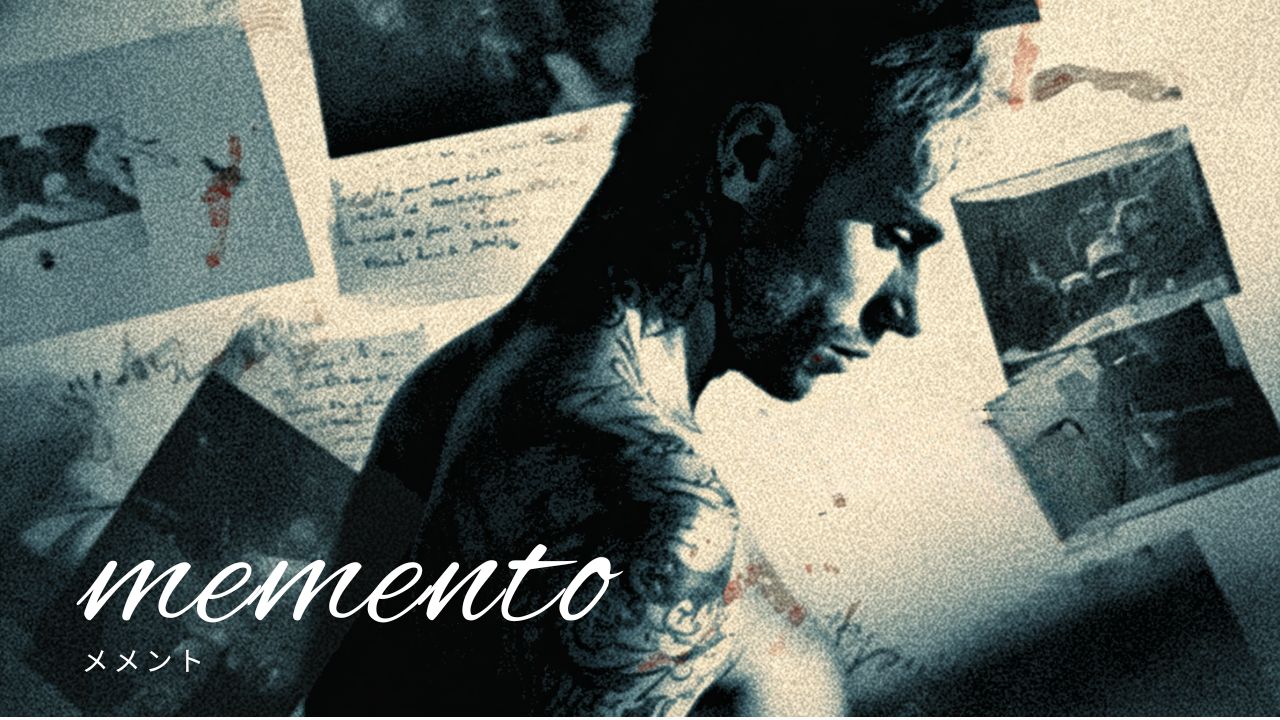
For this important commemorative day, recommending Christopher Nolan director’s 2000 Memento. This work psychological thriller starring Guy Pearce, depicting man suffering anterograde amnesia (memory impairment) from head trauma constructing unique memory system searching wife’s killer, masterpiece depicting through revolutionary reverse chronological structure.
This film’s most important value: realistic head trauma memory impairment depiction, cognitive dysfunction impact on daily life, memory-identity deep relationship, head trauma patient psychological-social difficulties—World Head Injury Awareness Day’s core themes—letting audiences experientially understand through film history’s most revolutionary visual technique. Guy Pearce’s excellent acting and Nolan director’s genius composition become work deeply understanding head trauma “invisible disability,” making viewers realize patient empathy and support importance.
Basic Information & Synopsis
→ For synopsis and production information, see our Database Article
Director: Christopher Nolan
Year: 2000
Runtime: 113 minutes
Production: Newmarket Films, Team Todd
Commemorative Day: World Head Injury Awareness Day (March 20)
Background Knowledge
Production Background
This work’s original concept began Jonathan Nolan (Christopher Nolan’s younger brother) getting idea hint from university general psychology class. Jonathan told idea to brother Christopher during Chicago to Los Angeles road trip, Christopher immediately enthused.
Christopher repeatedly requesting first draft, Jonathan finally complies months later. Two months later, Christopher thought “telling story reverse order” idea, began screenplay writing. Jonathan simultaneously completed short story, brothers polished work sending each other revision versions. Christopher first wrote story chronological order, completed script method “rearranging reverse checking screen logic.”
Jonathan’s short story “Memento Mori” (published 2001 Esquire magazine) has same basic elements as film yet vastly different, protagonist depicted mental hospital patient. Note, “John G.” character name homage to John Glavin, Jonathan’s Georgetown University screenplay professor at that time.
Nolan also received inspiration from Jorge Luis Borges’ short story “Funes the Memorious”—stating “story of man remembering everything, forgetting nothing. Memento is its strange cousin.”
Screenplay handed Newmarket Films’ Aaron Ryder, evaluated “probably most revolutionary screenplay ever read,” option contract signed $4.5 million budget. After filming, multiple studios including Miramax’s Harvey Weinstein declined distribution stating “too difficult for audiences to accept.” However film director Steven Soderbergh publicly strongly defending this work gathered attention, Newmarket decided distributing themselves. Result, domestic box office $25 million far exceeding budget success, Weinstein later offered buying.
This work premiered Venice International Film Festival, nominated Academy Award, Golden Globe Award screenplay categories. This work, Christopher Nolan’s second feature film, breakthrough work elevating him to worldwide filmmaker.
Anterograde Amnesia and Head Trauma Relationship
Film’s depicted anterograde amnesia actually symptom developing from hippocampus-temporal lobe damage due to head trauma. Hippocampus plays important role forming new memories, this area damage prevents consolidating new information as long-term memory.
Real cases, H.M. (Henry Molaison) most famous, 1953 surgery removed both hippocampi, subsequently 47 years couldn’t form new memories. Film’s Leonard symptoms set based such actual medical cases.
Traumatic Brain Injury (TBI) Current Status
World Health Organization (WHO) annually approximately 50 million people experience head trauma, causing various degree brain damage from mild to severe. Traffic accidents, falls, sports trauma, violence becoming major causes.
Even mild traumatic brain injury (mTBI/concussion), sequelae like memory impairment, attention decline, emotional regulation disorder can persist long-term, “invisible disability” lacking social understanding currently. Early diagnosis, appropriate treatment, continuing rehabilitation importance recognized. Many head traumas preventable through helmet wearing, seatbelt use, safe environment creation, World Head Injury Awareness Day also opportunity widely conveying such prevention measure importance to society.
Cognitive Rehabilitation and Memory Aid Technology
Actual head trauma treatment, cognitive rehabilitation plays important role. Memory Aids utilize electronic devices, smartphone apps, diaries, alarms, contributing patient daily life function improvement.
Leonard’s used photograph-note recording system depicted as extreme example methods used actual treatment settings, showing external memory aid importance.
What Makes It Exceptional
Guy Pearce’s Excellent Acting
This work’s greatest strength Guy Pearce’s excellent acting as memory impairment patient role. Film critic Berardinelli praises Guy Pearce showing “amazing… tight, thoroughly convincing performance.” He magnificently expresses complex emotions—confusion, anxiety, determination, despair—as fragmentary, discontinuous psychological state characteristic memory impairment.
Particularly impressive: naturally convincingly embodying head trauma patient realistic psychological states—bewilderment facing new information each time, dependence on memory aid system, distrust toward others and loneliness.
Revolutionary Reverse Chronological Structure
Film critic Berardinelli praises film’s retrograde narrative, stating “what really makes this movie stand out is its brilliantly innovative composition.” Christopher Nolan director’s reverse chronological structure transcends mere visual technique, revolutionary method conveying memory impairment subjective experience to audiences.
This film composed two timelines: color sequences and black-white sequences alternately displayed. Black-white sequences arranged chronological order, while color sequences actually arranged reverse order. Chronologically, black-white sequences first, color sequences later.
Using numbering method Andy Klein proposed, film arrangement becomes “Opening Credits (reverse display), 1, V, 2, U, 3, T, 4, S, …, 22/A, Credits.” During Polaroid photograph development, smooth transition occurs from black-white sequence 22 to color sequence A.
This fragmentary reverse sequence purpose: making audiences empathetically experience situation where Leonard lacks ability forming new long-term memories, cannot recall previous events. Audiences forgetting previous context each scene, experiencing same confusion anxiety as Leonard.
This structure deepens understanding cognitive dysfunction from head trauma, naturally generates empathetic understanding toward patients. Epoch-making approach balancing cinematic entertainment value and medical educational value.
Related Articles
- Memento Database – Synopsis & Production Details
- Christopher Nolan – Filmmaker Profile
- Guy Pearce – Actor Profile
はじめに
頭部外傷による記憶障害の現実と人間のアイデンティティを革新的映像技法で描いた傑作
3月20日は、「世界頭部外傷啓発デー」(World Head Injury Awareness Day)として、頭部外傷の予防、理解、そして支援の重要性を世界に訴える記念日です。
この日は、軽微な頭部打撲から重篤な外傷性脳損傷(TBI:Traumatic Brain Injury)まで、頭部外傷が個人の生活と社会に与える深刻な影響を認識し、予防策の推進、早期診断・治療の重要性、患者・家族への支援について国際的な理解を深めることを目的としています。頭部外傷は「見えない障害」と呼ばれることが多く、外見では分からない認知機能障害、記憶障害、人格変化などが患者の日常生活に深刻な影響を与えており、社会全体での理解と支援が強く求められています。
この重要な記念日に観る作品として、クリストファー・ノーラン監督による2000年の『メメント』(Memento)を推奨します。本作は、ガイ・ピアース主演のサイコロジカル・スリラーで、頭部外傷により前向性健忘症(記憶障害)を患った男性が、妻を殺した犯人を探すために独自の記憶システムを構築する物語を、革新的な逆時系列構造で描いた傑作です。
この映画の最も重要な価値は、頭部外傷による記憶障害の現実的描写、認知機能障害が日常生活に与える影響、記憶とアイデンティティの深い関係性、頭部外傷患者の心理的・社会的困難といった、世界頭部外傷啓発デーの核心的テーマを、映画史上最も革新的な映像技法により観客に体感させる点です。ガイ・ピアースの卓越した演技とノーラン監督の天才的な構成により、頭部外傷の「見えない障害」について深く理解し、患者への共感と支援の重要性を実感させる作品となっています。
基本情報・あらすじ
→ あらすじや製作情報はデータベース記事へ
監督: クリストファー・ノーラン
製作年: 2000年
上映時間: 113分
制作: Newmarket Films、Team Todd
記念日: 世界頭部外傷啓発デー(3月20日)
予備知識
制作背景
本作の原案は、クリストファー・ノーランの弟ジョナサン・ノーランが大学の一般心理学の授業からヒントを得たアイデアに始まります。ジョナサンはシカゴからロサンゼルスへのロードトリップ中に兄クリストファーにそのアイデアを話し、クリストファーは即座に熱狂しました。
クリストファーが繰り返し初稿を求める中、ジョナサンは数ヶ月後にようやく応じます。その2ヶ月後、クリストファーは「物語を逆順で語る」というアイデアを思いつき、脚本執筆を開始しました。ジョナサンは同時進行で短編小説を書き上げ、兄弟は互いに改稿版を送り合いながら作品を磨いていきました。クリストファーはまず物語を時系列通りに書き、「それを逆に並べ直してスクリーン上の論理を確認する」という方法でスクリプトを完成させました。
ジョナサンの短編「メメント・モリ」(2001年にEsquire誌に掲載)は映画と同じ基本要素を持ちながら大きく異なっており、主人公は精神病院の患者として描かれています。なお、「John G.」というキャラクター名は、当時ジョナサンが通っていたジョージタウン大学の脚本の教授ジョン・グラヴィンへのオマージュです。
ノーランはホルヘ・ルイス・ボルヘスの短編「記憶の人フネス」からもインスピレーションを受けています——「何もかも覚えていて、何も忘れられない男の物語。『メメント』はその奇妙な従兄弟だ」と語っています。
脚本はニューマーケット・フィルムズのアーロン・ライダーに渡り、「これまで読んだ中でおそらく最も革新的な脚本」と評され、450万ドルの予算でオプション契約が結ばれました。撮影後、ミラマックスのハーヴェイ・ワインスタインを含む複数のスタジオが「難解すぎて観客に受け入れられない」として配給を断りました。しかし映画監督スティーヴン・ソダーバーグが公の場で本作を強く擁護したことで注目が集まり、ニューマーケット自身が配給するという決断に踏み切ります。結果、国内興収2,500万ドルという予算をはるかに超える成功を収め、ワインスタインが後から買い取りを申し出たほどでした。
本作はヴェネチア国際映画祭で初上映され、アカデミー賞・ゴールデングローブ賞の脚本賞にノミネートされました。クリストファー・ノーランにとっては長編2作目となる本作が、彼を世界的な映画作家として押し上げた出世作です。
前向性健忘症と頭部外傷の関係
映画で描かれる前向性健忘症(Anterograde Amnesia)は、頭部外傷による海馬・側頭葉損傷の結果として実際に発症する症状です。海馬は新しい記憶の形成に重要な役割を果たしており、この部位の損傷により新しい情報を長期記憶として定着させることができなくなります。
現実の症例では、H.M.(ヘンリー・モレゾン)が最も有名で、彼は1953年の手術により両側海馬を除去され、以後47年間新しい記憶を形成できませんでした。映画のレナードの症状は、このような実際の医学的症例に基づいて設定されています。
外傷性脳損傷(TBI)の現状
**世界保健機関(WHO)**によると、年間約5,000万人が頭部外傷を経験しており、軽度から重度まで様々な程度の脳損傷を引き起こします。交通事故、転倒、スポーツ外傷、暴力などが主要な原因となっています。
軽度外傷性脳損傷(mTBI/脳震盪)でも、記憶障害、注意力低下、感情調節障害などの後遺症が長期間持続することがあり、「見えない障害」として社会的理解が不足している現状があります。早期診断、適切な治療、継続的なリハビリテーションの重要性が認識されています。多くの頭部外傷はヘルメット着用、シートベルト使用、安全な環境づくりなどにより予防可能であり、世界頭部外傷啓発デーは、こうした予防策の重要性を広く社会に伝える機会でもあります。
認知リハビリテーションと記憶補助技術
現実の頭部外傷治療では、認知リハビリテーションが重要な役割を果たしています。記憶補助技術(Memory Aids)として、電子機器、スマートフォンアプリ、日記、アラームなどが活用されており、患者の日常生活機能の改善に貢献しています。
映画でレナードが使用する写真とメモによる記録システムは、実際の治療現場で使用される手法の極端な例として描かれており、外的記憶補助の重要性を示しています。
優れている点
ガイ・ピアースの卓越した演技
本作の最大の優れた点は、ガイ・ピアースの記憶障害患者役での卓越した演技です。映画評論家ベラルディネリは、ガイ・ピアースが「驚異的な…緊密で徹底的に説得力のある演技」を見せていると称賛しています。彼は混乱、不安、決意、絶望などの複雑な感情を、記憶障害特有の断片的で非連続的な心理状態として見事に表現しています。
特に印象的なのは、新しい情報に直面する度の困惑、記憶補助システムへの依存、他者への不信と孤独感などの、頭部外傷患者の現実的な心理状態を自然で説得力のある演技で体現していることです。
革新的な逆時系列構造
映画評論家ベラルディネリは映画の逆行的な物語を称賛し、「この映画を本当に際立たせているのはその輝かしく革新的な構成だ」と述べています。クリストファー・ノーラン監督の逆時系列構造は、単なる映像技法を超えて、記憶障害の主観的体験を観客に伝達する革新的な手法です。
この映画は二つのタイムラインで構成されています:カラーシークエンスと白黒シークエンスが交互に表示されます。白黒シークエンスは時系列順に並べられているのに対し、カラーシークエンスは実際には逆順に並べられています。時系列的には、白黒シークエンスが先で、カラーシークエンスが後となります。
アンディ・クラインが提案した番号付け方式を使用すると、映画の配置は「オープニング・クレジット(逆順表示)、1、V、2、U、3、T、4、S、…、22/A、クレジット」となります。ポラロイド写真の現像中に、白黒シークエンス22からカラーシークエンスAへのスムーズな移行が発生します。
この断片的な逆順シークエンスの目的は、レナードが新たな長期記憶を形成する能力に欠陥があり、以前の出来事を思い出せないという状況を、観客に共感的に体験させることにあります。観客は各シーンで前の文脈を忘れており、レナードと同じ混乱と不安を体験します。
この構造により、頭部外傷による認知機能障害への理解が深まり、患者への共感的理解が自然に生まれます。映画的娯楽性と医学教育的価値を両立させた画期的なアプローチです。
関連記事
- メメント データベース – あらすじ・製作情報
- クリストファー・ノーラン – 監督プロフィール
- ガイ・ピアース – 俳優プロフィール