
Choose Your Language / 言語を選択:
Introduction
Water Rights Corruption and Inequality — Masterpiece Noir Depicting Water Inequality Connecting to Modern Times
March 22 is “World Water Day.”
Established 1992 UN General Assembly as international day, purpose “thinking together with people worldwide about water’s great importance and importance making clean safe water usable.”
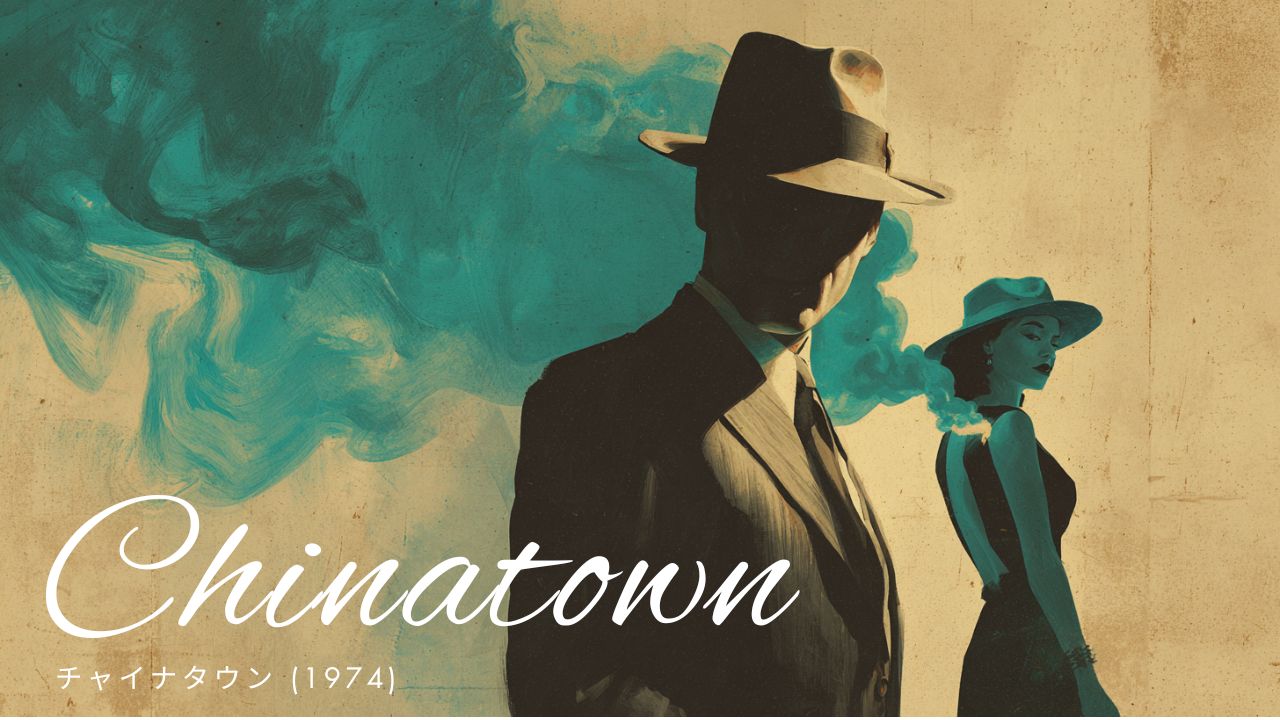
For this special day, recommending Roman Polanski director’s 1974 Chinatown. Starring Jack Nicholson, Faye Dunaway, John Huston, this film set 1930s Los Angeles, immortal masterpiece depicting water rights corruption and conspiracy.
Superficially known film noir masterpiece, but core theme: universal “those controlling water gain power.” Film’s depicted public resource water privatization, political corruption profit pursuit, people’s tragedy manipulated by power highlights fundamental problems humanity continues facing transcending time and place.
Watching this work on World Water Day, we can deeply consider water’s political-social meaning as life source, gaining new perspective on power-resource relationship.
Basic Information & Synopsis
→ For synopsis and production information, see our Database Article
Director: Roman Polanski
Year: 1974
Runtime: 130 minutes
Production: Paramount Pictures, Long Road Productions
Commemorative Day: World Water Day (March 22)
Background Knowledge
Production Background
Screenwriter Robert Towne, while struggling writing different work 1971, reading 1969 Los Angeles Times article “Raymond Chandler’s L.A.”—feature recreating 1930s city with modern photographs—inspired, began conceiving period drama protagonist Philip Marlowe-style private detective.
Towne brought this project to Paramount producer Robert Evans. Despite Evans offering $175,000 different screenplay, Towne proposed writing Chinatown for merely $25,000. Evans consented conditionally appointing Roman Polanski director, began production as his first personal production.
Screenplay written with Jack Nicholson in mind. Title and film dialogue “What did you do in Chinatown?” / “As little as possible” inspired by Hungarian police officer words working Los Angeles Chinatown—in Chinatown where complex dialects and gangs intermixed, police intervention couldn’t even judge whether helping victims or further exploiting them. Film’s theme core “well-intentioned actions invite tragedy” condensed in this title origin.
Polanski learned screenplay existence through Nicholson. Evans expected Polanski’s “European perspective viewing America more darkly cynically.” However Polanski hesitated returning Los Angeles—just few years prior, his wife Sharon Tate murdered by Manson Family (cult group) in this city. Finally persuaded by screenplay power, consented.
Towne’s initial draft written over 18 months exceeded 180 pages masterpiece. Producer Evans evaluated “genius but incomprehensible,” Polanski also demanded drastic cuts and reorganization. Narration deleted, reworked structure where audience and Gittes solve mystery simultaneously.
Major production conflict one involved ending direction. Towne and Polanski fiercely debated, but finally Polanski’s judged ending adopted. Towne initially strongly opposed, but later admitted “Roman was right”—that ending precisely factor elevating this work from mere genre film to masterpiece, today’s film history proves.
During filming, Polanski himself cameo appeared small-time crook role—scene cutting Gittes’ nose. Using special knife, slightly mishandling could have actually cut Nicholson’s nose, reported dangerous.
Filming October 1973 to January 1974, 3 months. June 1974 release coincided merely 1 week after Watergate Senate investigation report announcement, this work released into era atmosphere where national distrust toward government and power reached peak.
Academy Awards nominated 11 categories yet won only Towne’s Best Original Screenplay—Best Picture and Best Director both lost to The Godfather Part II. However, critical and commercial great success, 1991 registered Library of Congress National Film Registry as “culturally, historically, aesthetically significant work.” Rotten Tomatoes critic approval rating 98%, Towne’s screenplay continues read worldwide as film school textbook today.
Film Production Background and Historical Foundation
Chinatown inspired by actual “California Water Wars” (early 1900s) occurring Los Angeles. Film character Hollis Mulwray modeled real person William Mulholland (1855-1935). Mulholland, Los Angeles Department of Water and Power superintendent and chief engineer, supervised 233-mile (375km) aqueduct construction carrying water Owens Valley to Los Angeles. This 233-mile engineering feat brought water necessary city expansion to Los Angeles constrained growth by Los Angeles River limits.
However, film divides real Mulholland’s character into “virtuous Water Department Chief Hollis Mulwray” and “violent Claude Mulvihill.” Also, land speculation group members abusing inside information from personal desire consolidated into single monstrous figure “Noah Cross.”
Film’s Mulwray opposing “Alto Vallejo Dam” construction alludes 1928 March 12 St. Francis Dam disaster. Real Mulholland, when dam keeper discovered foundation cracks and brown water leakage raising safety concerns, inspected dam around 10:30 AM declaring “no structural problems.” However, that night dam experienced massive collapse, flood attacked Santa Clara River basin and Santa Paula town, killing at least 431 people. This accident effectively ended Mulholland’s career.
What Makes It Exceptional
Film Noir Tradition and Innovation
Chinatown inherits 1940s flourishing film noir (dark film) tradition while adding new elements as 1970s film. Classic noir elements—cynical private detective, mysterious woman, city darkness, fateful tragedy—skillfully woven.
However, this work not mere noir revival. Reflecting 1970s America facing Watergate scandal, Vietnam War quagmire, rising government distrust, depicts power corruption more systematically massively. Classic noir centered personal crimes, but Chinatown problematizes entire social system corruption.
Perfect Screenplay Structure
Robert Towne’s screenplay widely recognized as one film history’s finest scenarios. Structure beginning superficial adultery investigation gradually revealing massive conspiracy continues captivating audiences until end.
Particularly excellent: technique presenting complex conspiracy understandably. Water rights, land speculation, political corruption multilayered problems naturally explained along Gittes’ investigation. Audiences understanding truth same pace as Gittes, can maintain tension until final shock.
Also, magnificent structure skillfully linking personal tragedy (Evelyn and Katherine problem) and social conspiracy (water rights corruption). Noah Cross person becoming both tragedies’ source, depicted as fearsome power where personal evil and social system corruption unified.
Jack Nicholson’s Overwhelming Acting
Lead Jake Gittes performed by Jack Nicholson, one his career’s finest performances. Superficially confident private detective yet carrying past wounds, gradually made realize own powerlessness, magnificently performs complex character.
Particularly impressive: bandage on his nose. Gittes’ nose cut by thug mid-film, this prop becomes effective staging symbolizing his powerlessness and humiliation. Man pretending perfect detective actually cannot control situation, wounded—this contrast convincingly expressed through Nicholson’s acting.
Faye Dunaway’s Complex Female Character
Faye Dunaway performing Evelyn Cross Mulwray also remarkable acting. Classic noir “femme fatale” (fatal woman) elements while actually also victim manipulated by power, magnificently performs complex role.
Related Articles
- Chinatown Database – Synopsis & Production Details
- Roman Polanski – Filmmaker Profile
- Jack Nicholson – Actor Profile
はじめに
水利権をめぐる腐敗と格差—現代にも通じる水の不平等を描いた傑作ノワール
3月22日は「世界水の日」です。1992年(平成4年)に「水がとても大切であること、きれいで安全な水を使えるようにすることの重要性について世界中の人々と一緒に考える」ことを目的として国連総会で定められた国際デーのひとつです。
この特別な日に観る作品として、ロマン・ポランスキー監督による1974年の『チャイナタウン』を推奨します。ジャック・ニコルソン、フェイ・ダナウェイ、ジョン・ヒューストンが出演するこの映画は、1930年代のロサンゼルスを舞台に、水利権をめぐる腐敗と陰謀を描いた不朽の名作です。
表面的にはフィルム・ノワールの傑作として知られていますが、その核心にあるのは「水を支配する者が権力を握る」という普遍的なテーマです。映画で描かれる公共資源としての水の私物化、政治腐敗による利益追求、権力に翻弄される人々の悲劇は、時代と場所を超えて人類が直面し続けてきた根本的な問題を浮き彫りにしています。
世界水の日という記念日にこの作品を観ることで、私たちは水という生命の源が持つ政治的・社会的な意味について深く考察し、権力と資源の関係について新たな視点を得ることができるでしょう。
基本情報・あらすじ
→ あらすじや製作情報はデータベース記事へ
監督: ロマン・ポランスキー
製作年: 1974年
上映時間: 130分
制作: Paramount Pictures、Long Road Productions
記念日: 世界水の日(3月22日)
予備知識
制作背景
本作の脚本を手がけたロバート・タウンは、1971年に別の作品の執筆難航中、1969年のロサンゼルス・タイムズに掲載された記事「レイモンド・チャンドラーのLA」——1930年代の街を現代の写真で再現した特集——に着想を得て、フィリップ・マーロウ風の私立探偵を主人公とした時代劇の構想を温め始めました。
タウンはこの企画をパラマウントのプロデューサー、ロバート・エヴァンスに持ち込みます。エヴァンスから175,000ドルで別の脚本を依頼されていたにもかかわらず、タウンはわずか25,000ドルで『チャイナタウン』を書くと申し出ました。エヴァンスはロマン・ポランスキーを監督に迎えることを条件に承諾し、自身初のパーソナル・プロダクションとして製作を開始します。
脚本はジャック・ニコルソンを念頭に書かれました。タイトルと映画中の台詞「チャイナタウンでは何をした?」「できる限り何もしないようにした」は、ロサンゼルスのチャイナタウンで働いたハンガリー系の警察官の言葉から着想を得ています——複雑な方言とギャングが入り混じるチャイナタウンでは、警察が介入することで被害者を助けているのか、さらに搾取しているのかさえ判断できない、という言葉です。映画のテーマである「善意の行動が悲劇を招く」という核心が、このタイトルの由来に凝縮されています。
ポランスキーはニコルソンを通じて脚本の存在を知ります。エヴァンスはポランスキーが持つ「アメリカをより暗くシニカルに見るヨーロッパ的な視点」を期待していました。しかしポランスキーはロサンゼルスへの帰還をためらっていました——わずか数年前に、彼の妻シャロン・テートがマンソン・ファミリー(カルト集団)によって殺害されたのがこの街だったからです。最終的に脚本の力に説得され、承諾します。
タウンが18ヶ月かけて書き上げた初稿は180ページを超える大作でした。プロデューサーのエヴァンスは「天才的だが理解不能」と評し、ポランスキーも大幅なカットと再構成を要求します。ナレーションを削除し、観客とギテスが同時に謎を解いていく構造へと作り直されました。
制作上の大きな対立の一つは結末の方向性をめぐるものでした。タウンとポランスキーは激しく議論を交わしましたが、最終的にポランスキーの判断した結末が採用されました。タウンは当初強く反対しましたが、後に「ロマンが正しかった」と認めています——その結末こそが本作を単なるジャンル映画から傑作へと押し上げた要因であることは、今日の映画史が証明しています。
撮影中、ポランスキー自身も小悪党の役でカメオ出演しています——ギテスの鼻を切りつける場面です。使用した特殊なナイフの扱いを少しでも誤ればニコルソンの鼻を本当に切ってしまう危険があったと伝えられています。
撮影は1973年10月から1974年1月の3ヶ月間。1974年6月の公開はウォーターゲート事件の上院調査報告書の発表のわずか1週間後と重なり、政府と権力への国民的不信感が頂点に達した時代の空気の中に本作は放たれました。
アカデミー賞では11部門にノミネートされながらタウンの脚本賞のみの受賞にとどまりました——作品賞・監督賞はいずれも『ゴッドファーザー PART II』に敗れました。しかし批評的・商業的には大成功を収め、1991年には米国議会図書館の国立映画登録簿に「文化的・歴史的・美学的に重要な作品」として登録されています。Rotten Tomatoesでの批評家支持率は98%で、タウンの脚本は今日も映画学校の教科書として世界中で読み継がれています。
映画制作の背景と歴史的基盤
『チャイナタウン』は、実際にロサンゼルスで起きた「カリフォルニア水戦争」(1900年代初頭)にインスピレーションを得ています。映画の登場人物ホリス・マルレイは、実在の人物ウィリアム・マルホランド(1855-1935)をモデルにしています。マルホランドはロサンゼルス水道電力局の局長兼主任技師として、オーエンス・バレーからロサンゼルスまで水を運ぶ233マイル(375km)の水路建設を監督しました。この233マイルの工学的偉業は、ロサンゼルス川の限界により成長が制約されていたロサンゼルスに、都市拡張に必要な水をもたらしました。
しかし映画では、実在のマルホランドの人物像を「高潔な水道局長ホリス・マルレイ」と「暴力的なクロード・マルビル」に分割して描いています。また、個人的な欲望から内部情報を悪用した土地投機グループのメンバーたちは、「ノア・クロス」という一人の怪物的な人物に集約されています。
映画でマルレイが建設に反対する「アルト・バジェホ・ダム」は、1928年3月12日に起きたセント・フランシス・ダム災害を暗示しています。実際のマルホランドは、ダムの管理人が基礎部分のひび割れと茶色い水の漏出を発見して安全性を懸念した際、朝10時30分頃にダムを検査し「構造に問題なし」と宣言しました。しかし、その日の深夜にダムは大規模な崩壊を起こし、サンタクララ川流域とサンタポーラの町を洪水が襲い、少なくとも431人が死亡しました。この事故によりマルホランドのキャリアは事実上終焉を迎えました。
優れている点
フィルム・ノワールの伝統と革新
『チャイナタウン』は、1940年代に隆盛を極めたフィルム・ノワール(暗黒映画)の伝統を受け継ぎながら、1970年代の映画として新たな要素を加えた作品です。古典的なノワールの要素であるcynicalな私立探偵、謎めいた女性、都市の闇、そして運命的な悲劇などが巧妙に織り込まれています。
しかし、本作は単なるノワールの復活ではありません。1970年代のアメリカが直面していたウォーターゲート事件、ベトナム戦争の泥沼化、そして政府への不信の高まりといった時代背景を反映し、権力の腐敗をより体系的で巨大なものとして描いています。古典的ノワールでは個人的な犯罪が中心でしたが、『チャイナタウン』では社会システム全体の腐敗が問題となっています。
完璧な脚本構成
ロバート・タウンによる脚本は、映画史上最も優れたシナリオの一つとして広く認められています。表面的な不倫調査から始まって段階的に巨大な陰謀が明かされていく構成は、観客を最後まで引き込み続けます。
特に優れているのは、複雑な陰謀を理解しやすく提示する技法です。水利権、土地投機、政治腐敗という複層的な問題を、ギテスの調査に沿って自然に説明していきます。観客はギテスと同じペースで真実を理解していくため、最後の衝撃まで緊張感を保ち続けることができます。
また、個人的な悲劇(イヴリンとキャサリンの問題)と社会的な陰謀(水利権の不正)を巧妙に結びつける構成も見事です。ノア・クロスという人物が、両方の悲劇の源泉となることで、個人の邪悪さと社会システムの腐敗が一体化した恐るべき権力として描かれています。
ジャック・ニコルソンの圧巻の演技
主人公ジェイク・ギテスを演じるジャック・ニコルソンの演技は、彼のキャリアの中でも最高の出来栄えの一つです。表面的には自信に満ちた私立探偵でありながら、過去の傷を抱え、徐々に自分の無力さを思い知らされていく複雑な人物を見事に演じています。
特に印象的なのは、彼の鼻にかけられた絆创膏です。これは映画の中盤でギテスが暴漢に鼻を切られた傷ですが、この小道具が彼の無力感と屈辱を象徴する効果的な演出となっています。完璧な探偵を気取る男が、実際には状況をコントロールできずに傷つけられている—この対比がニコルソンの演技により説得力を持って表現されています。
フェイ・ダナウェイの複雑な女性像
イヴリン・クロス・マルレイを演じるフェイ・ダナウェイの演技も特筆すべきものです。古典的ノワールの「ファム・ファタル」(運命の女)の要素を持ちながら、実際には権力に翻弄される被害者でもあるという複雑な役柄を見事に演じ分けています。
関連記事
- チャイナタウン データベース – あらすじ・製作情報
- ロマン・ポランスキー – 監督プロフィール
- ジャック・ニコルソン – 俳優プロフィール