
Choose Your Language / 言語を選択:
Introduction
People Fighting for Freedom Story — Truth History Must Not Forget
March 25 is “International Day of Remembrance of the Victims of Slavery and the Transatlantic Slave Trade.”
Established 2007 UN General Assembly, this international day commemorates transatlantic slave trade victims, remembers slavery history, renews determination fighting racism.
Transatlantic slave trade humanity’s largest forced migration. 15th to 19th centuries, estimated over 12 million Africans transported as slaves to North and South American continents. Among them approximately 2 million lost lives harsh “Middle Passage.”
Slavery system completely denying human dignity. People bought and sold as commodities, separated from families, names taken, languages forbidden, cultures destroyed. They suffered violence, sexual abuse, harsh labor.
And its impact continues today. Racism, economic disparity, social inequality—many these slavery legacy.
However, history also had people fighting for freedom. Resisting, escaping, rebelling people—their courage and dignity must never be forgotten.
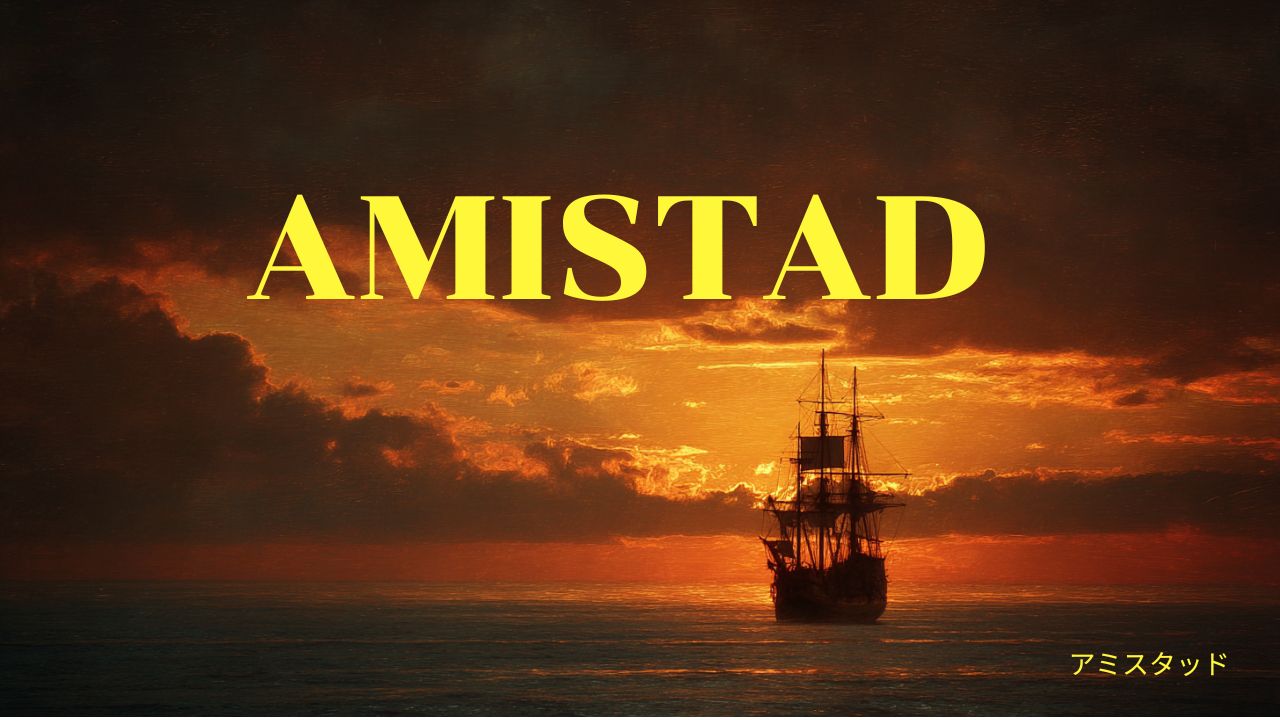
For this special day, recommending 1997 released Amistad.
This work Steven Spielberg director’s historical film, depicting 1839 Amistad revolt incident.
Africans being transported as slaves seized Spanish slave ship Amistad, seeking freedom fought legal battle in America—this true story vividly depicts slavery cruelty and struggle defending human dignity.
This work stars Djimon Hounsou. Cinqué he plays revolt leader, embodying indomitable spirit seeking freedom.
Also, Matthew McConaughey, Morgan Freeman, Anthony Hopkins (playing former President John Quincy Adams) luxurious cast appears.
This work nominated 4 categories 1998 Academy Awards, received high critic praise.
Learning slavery history, commemorating victims, and remembering people fighting for freedom and dignity—important moving work suitable this day.
Basic Information & Synopsis
→ For synopsis and production information, see our Database Article
Director: Steven Spielberg
Year: 1997
Runtime: 155 minutes
Production: DreamWorks Pictures
Commemorative Day: International Day of Remembrance of the Victims of Slavery and the Transatlantic Slave Trade (March 25)
Background Knowledge
Amistad Revolt Historical Facts
Amistad revolt actually occurred historical incident.
1839 June, 53 Africans seized Spanish slave ship Amistad off Cuba coast.
Leader Cinqué (historically known as Sengbe Pieh or Joseph Cinqué) Mende rice farmer.
After revolt, ship drifted 2 months, ultimately captured American East Coast.
Trial continued 1839 to 1841, ultimately Supreme Court ruled freedom.
1842, 35 survivors returned Africa.
This incident greatly influenced American slavery abolition movement.
Middle Passage
“Middle Passage” refers voyage Africa to America in transatlantic slave trade.
Slave ship holds extremely harsh environment. People packed unable move, chained.
Sanitary conditions worst, diseases spread. Food and water insufficient. Violence and sexual abuse routinely conducted.
Mortality rate reached 10% to 20%, sometimes more per voyage.
Middle Passage one humanity’s most cruel forced migrations.
John Quincy Adams
John Quincy Adams (1767-1848) America’s 6th President (1825-1829).
After presidential retirement, he became House representative, one few politicians supporting slavery abolition.
Amistad case, 73-year-old Adams defended Africans Supreme Court, won.
This considered one his political career’s most proud achievements.
Spielberg’s Historical Films
Steven Spielberg created numerous historical films like Schindler’s List, Saving Private Ryan, Lincoln.
This work also one. Spielberg attempting conveying important messages modern audiences by depicting history’s dark chapters.
Production and Release
This work released nationwide America December 1997. Production cost approximately $40 million, worldwide box office approximately $44 million, commercially fell below expectations.
However, critically highly evaluated. Academy Awards nominated 4 categories: Best Supporting Actor (Anthony Hopkins), Cinematography, Costume Design, Original Score.
What Makes It Exceptional
Middle Passage Depiction
This work’s greatest strength: depicting Middle Passage cruelty uncompromisingly.
Film’s middle part, scene where Cinqué testifies court, Middle Passage scene depicted as flashback.
This scene very painful watching. However, conveying historical truth, Spielberg didn’t compromise.
Hundreds Africans chained narrow ship hold. Unable move, covered in excrement.
Crew members, fearing revolt, saving food, begin throwing sick or weakened into sea.
Still chained, dozens people submerged sea. Their screams, water splashes, and silence—.
This scene vividly depicts slave trade terror. It’s not beautified, not romanticized. Just cruel truth exists.
Djimon Hounsou’s Overwhelming Acting
Djimon Hounsou’s Cinqué this work’s heart.
Hounsou Benin origin actor, this work film debut. He learned Mende language, magnificently embodied Cinqué’s dignity and strength.
Cinqué character with few lines. Film’s major part, he cannot speak English. However, Hounsou’s expressions, gestures, and eye acting tell everything.
Particularly impressive: revolt scene and court testimony scene.
Revolt scene, Cinqué removes chains, liberates companions. His expression mixes anger, determination, and despair.
Court testimony, Cinqué speaks Middle Passage terror. His voice trembles, tears flow. However, his eyes hold indomitable spirit.
Hounsou’s this acting should have been Academy Award nominated, but unfortunately passed over. However, many critics evaluated this as one 1997’s finest performances.
Courtroom Drama Tension
This work simultaneously historical film and excellent courtroom drama.
Matthew McConaughey’s Baldwin initially takes case from monetary interest. However, gradually realizes this case’s importance and Africans’ humanity.
Baldwin’s legal arguments clever. He doesn’t attack slavery itself (that was impossible in contemporary America), argues Africans were “illegally enslaved.”
This strategy was only method liberating Africans within slavery-recognizing society.
Courtroom scenes filled with tension. Testimony, cross-examination, arguments—all determine Africans’ fate.
Historical Accuracy Dedication
Spielberg dedicated to historical accuracy.
Costumes, sets, ships—all carefully created recreating 1830s.
Also, Spielberg cooperated with historians, created fact-based story. Of course, parts dramatized for cinematic drama, but basic facts preserved.
Filming conducted Newport, Rhode Island, Puerto Rico and elsewhere. Slave ship set created full-scale.
John Williams’ Music
Composer John Williams Spielberg work regular. This work also composed powerful moving music.
Particularly impressive: African theme. Music using percussion and chorus expresses Africans’ culture and spirit.
Also, courtroom scenes, tension-heightening music effectively used.
Williams nominated Academy Award Best Original Score for this music.
Related Articles
- Amistad Database – Synopsis & Production Details
- Steven Spielberg – Filmmaker Profile
- Djimon Hounsou – Actor Profile
はじめに
自由を求めて闘った人々の物語——歴史が忘れてはならない真実
3月25日は、「奴隷制及び大西洋間奴隷貿易犠牲者追悼国際デー(International Day of Remembrance of the Victims of Slavery and the Transatlantic Slave Trade)」です。
2007年、国連総会で制定されたこの国際デーは、大西洋間奴隷貿易の犠牲者を追悼し、奴隷制度の歴史を記憶し、人種差別と闘う決意を新たにする日です。
大西洋間奴隷貿易は、人類史上最大の強制移住でした。15世紀から19世紀にかけて、推定1200万人以上のアフリカ人が、奴隷として南北アメリカ大陸に運ばれました。そのうち約200万人が、過酷な「中間航路(Middle Passage)」で命を落としました。
奴隷制度は、人間の尊厳を完全に否定するシステムでした。人々は商品として売買され、家族から引き離され、名前を奪われ、言語を禁じられ、文化を破壊されました。彼らは、暴力、性的虐待、過酷な労働に苦しみました。
そして、その影響は今も続いています。人種差別、経済格差、社会的不平等——これらの多くは、奴隷制度の遺産です。
しかし、歴史の中には、自由を求めて闘った人々もいました。抵抗し、逃亡し、反乱を起こした人々——彼らの勇気と尊厳は、決して忘れられてはなりません。
この特別な日に観る作品として、1997年公開の『アミスタッド』を推奨します。
本作は、スティーヴン・スピルバーグ監督による歴史映画で、1839年に起きたアミスタッド号反乱事件を描いています。
奴隷として輸送されていたアフリカ人たちが、スペインの奴隷船アミスタッド号を乗っ取り、自由を求めてアメリカで法廷闘争を繰り広げた——この実話は、奴隷制度の残酷さと、人間の尊厳を守るための闘いを鮮烈に描いています。
本作の主演は、ジャイモン・フンスー。彼が演じるシンケは、反乱のリーダーであり、自由を求める不屈の精神を体現しています。
また、マシュー・マコノヒー、モーガン・フリーマン、アンソニー・ホプキンス(元大統領ジョン・クインシー・アダムズ役)など、豪華なキャストが出演しています。
本作は、1998年アカデミー賞で4部門にノミネートされ、批評家から高い評価を受けました。
奴隷制度の歴史を学び、犠牲者を追悼し、そして自由と尊厳のために闘った人々を記憶する——この日にふさわしい、重要で感動的な作品です。
基本情報・あらすじ
→ あらすじや製作情報はデータベース記事へ
監督: スティーヴン・スピルバーグ
製作年: 1997年
上映時間: 155分
制作: DreamWorks Pictures
記念日: 奴隷制及び大西洋間奴隷貿易犠牲者追悼国際デー(3月25日)
予備知識
アミスタッド号反乱事件の史実
アミスタッド号反乱事件は、実際に起きた歴史的事件です。
1839年6月、53人のアフリカ人が、キューバ沖でスペインの奴隷船アミスタッド号を乗っ取りました。
リーダーのシンケ(歴史的にはシンケ・ピエまたはジョセフ・シンケとして知られる)は、メンデ族の米農家でした。
反乱の後、船は2ヶ月間漂流し、最終的にアメリカ東海岸で拿捕されました。
裁判は、1839年から1841年まで続き、最終的に最高裁判所が自由を認める判決を下しました。
1842年、35人の生存者がアフリカに帰還しました。
この事件は、アメリカの奴隷制廃止運動に大きな影響を与えました。
中間航路(Middle Passage)
「中間航路」とは、大西洋間奴隷貿易における、アフリカからアメリカへの航海を指します。
奴隷船の船倉は、極めて過酷な環境でした。人々は、身動きできないほど詰め込まれ、鎖で繋がれていました。
衛生状態は最悪で、病気が蔓延しました。食料と水は不十分でした。暴力と性的虐待が日常的に行われました。
死亡率は、航海によって10%から20%、時にはそれ以上に達しました。
中間航路は、人類史上最も残酷な強制移住の一つでした。
ジョン・クインシー・アダムズ
ジョン・クインシー・アダムズ(1767-1848)は、アメリカ第6代大統領(1825-1829)でした。
大統領退任後、彼は下院議員となり、奴隷制廃止を支持する数少ない政治家の一人として活動しました。
アミスタッド事件で、73歳のアダムズは最高裁判所でアフリカ人たちを弁護し、勝訴しました。
これは、彼の政治生涯における最も誇るべき業績の一つとされています。
スピルバーグの歴史映画
スティーヴン・スピルバーグは、『シンドラーのリスト』『プライベート・ライアン』『リンカーン』など、数々の歴史映画を手がけてきました。
本作も、その一つです。スピルバーグは、歴史の暗い章を描くことで、現代の観客に重要なメッセージを伝えようとしています。
製作と公開
本作は、1997年12月に全米公開されました。製作費は約4000万ドル、全世界興行収入は約4400万ドルで、興行的には期待を下回りました。
しかし、批評的には高く評価されました。アカデミー賞では、助演男優賞(アンソニー・ホプキンス)、撮影賞、衣装デザイン賞、作曲賞の4部門にノミネートされました。
優れている点
中間航路の描写
本作最大の優れた点は、中間航路の残酷さを妥協なく描いていることです。
映画の中盤、シンケが法廷で証言する場面で、フラッシュバックとして中間航路の場面が描かれます。
このシーンは、観るのが非常に辛いです。しかし、歴史の真実を伝えるために、スピルバーグは妥協しませんでした。
何百人ものアフリカ人が、狭い船倉に鎖で繋がれています。身動きできず、排泄物にまみれています。
船員たちは、反乱を恐れ、食料を節約するために、病気の者や弱った者を海に投げ捨て始めます。
鎖で繋がれたまま、何十人もの人々が海に沈められます。彼らの叫び声、水しぶき、そして沈黙——。
このシーンは、奴隷貿易の恐怖を生々しく描いています。それは、美化されず、ロマンチック化されていません。ただ、残酷な真実があるだけです。
ジャイモン・フンスーの圧倒的な演技
ジャイモン・フンスーが演じるシンケは、本作の心臓部です。
フンスーは、ベナン出身の俳優で、本作が映画デビュー作でした。彼は、メンデ語を学び、シンケの尊厳と強さを見事に体現しました。
シンケは、セリフが少ないキャラクターです。映画の大部分で、彼は英語を話せません。しかし、フンスーの表情、身振り、そして目の演技が、すべてを語ります。
特に印象的なのは、反乱のシーンと、法廷での証言のシーンです。
反乱のシーンで、シンケは鎖を外し、仲間たちを解放します。彼の表情には、怒り、決意、そして絶望が混ざっています。
法廷での証言で、シンケは中間航路の恐怖を語ります。彼の声は震え、涙が流れます。しかし、彼の目には、不屈の精神が宿っています。
フンスーのこの演技は、アカデミー賞にノミネートされるべきでしたが、残念ながら見送られました。しかし、多くの批評家が、これを1997年最高の演技の一つとして評価しました。
法廷ドラマとしての緊張感
本作は、歴史映画であると同時に、優れた法廷ドラマでもあります。
マシュー・マコノヒーが演じるボールドウィンは、最初は金銭的な興味で事件を引き受けます。しかし、次第に、この事件の重要性と、アフリカ人たちの人間性に気づいていきます。
ボールドウィンの法律論は、巧妙です。彼は、奴隷制度そのものを攻撃するのではなく(それは当時のアメリカでは不可能でした)、アフリカ人たちが「違法に奴隷にされた」ことを主張します。
この戦略は、奴隷制度を認めている社会の中で、アフリカ人たちを解放する唯一の方法でした。
法廷シーンは、緊張感に満ちています。証言、反対尋問、弁論——すべてが、アフリカ人たちの運命を左右します。
歴史的正確性へのこだわり
スピルバーグは、歴史的正確性にこだわりました。
衣装、セット、船——すべてが、1830年代を再現するために丁寧に作られました。
また、スピルバーグは、歴史家と協力し、事実に基づいた物語を作りました。もちろん、映画としてのドラマのために脚色された部分もありますが、基本的な事実は守られています。
撮影は、ロードアイランド州のニューポート、プエルトリコなどで行われました。奴隷船のセットは、実物大で作られました。
ジョン・ウィリアムズの音楽
作曲家ジョン・ウィリアムズは、スピルバーグ作品の常連です。本作でも、力強く感動的な音楽を作曲しました。
特に印象的なのは、アフリカのテーマです。打楽器とコーラスを使った音楽は、アフリカ人たちの文化と精神を表現しています。
また、法廷シーンでは、緊張感を高める音楽が効果的に使用されています。
ウィリアムズは、この音楽でアカデミー賞作曲賞にノミネートされました。