
Profile | プロフィール
Born / 生年月日
March 31, 1932 | Kyoto, Japan
Died / 没年月日
January 15, 2013 | Fujisawa, Kanagawa, Japan (aged 80)
Occupation / 職業
Film Director, Screenwriter, Producer, Television Presenter, Author
映画監督、脚本家、プロデューサー、テレビ司会者、著作家
Nationality / 国籍
Japanese (日本)
Active Years / 活動期間
1959–2000
Biography | 経歴
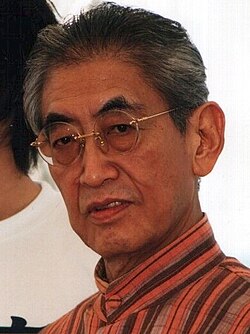
[English] Nagisa Oshima was the most formally radical and politically serious filmmaker of the Japanese New Wave. His artistry was defined by a sustained rebellion against the conventions of Japanese studio cinema and a fearless engagement with the most contested questions of postwar society—including imperialism, racial discrimination against Korean residents, and the intersection of sexuality and political violence. From his political declaration in Night and Fog in Japan (1960) to the Brechtian complexity of Death by Hanging (1968), Oshima pushed the medium to its radical limits. His international landmark In the Realm of the Senses (1976) remains one of the most serious inquiries into passion and power, while Merry Christmas, Mr. Lawrence (1983) stands as his commercial and international summit. Oshima’s aggregate career constitutes the most formally daring individual record of directorial practice in the history of Japanese cinema.
[日本語] 大島渚は、日本ヌーヴェルヴァーグにおいて最も形式的に急進的であり、かつ政治的に真剣な問いを投げかけ続けた映画作家でした。彼の作家性は、旧来の日本映画(撮影所システム)の慣習に対する持続的な反抗と、戦後日本社会が抱える最も困難な問題——帝国主義の遺産、在日朝鮮人への差別、そして「性と政治的暴力」の交錯——への果敢な介入によって定義されます。
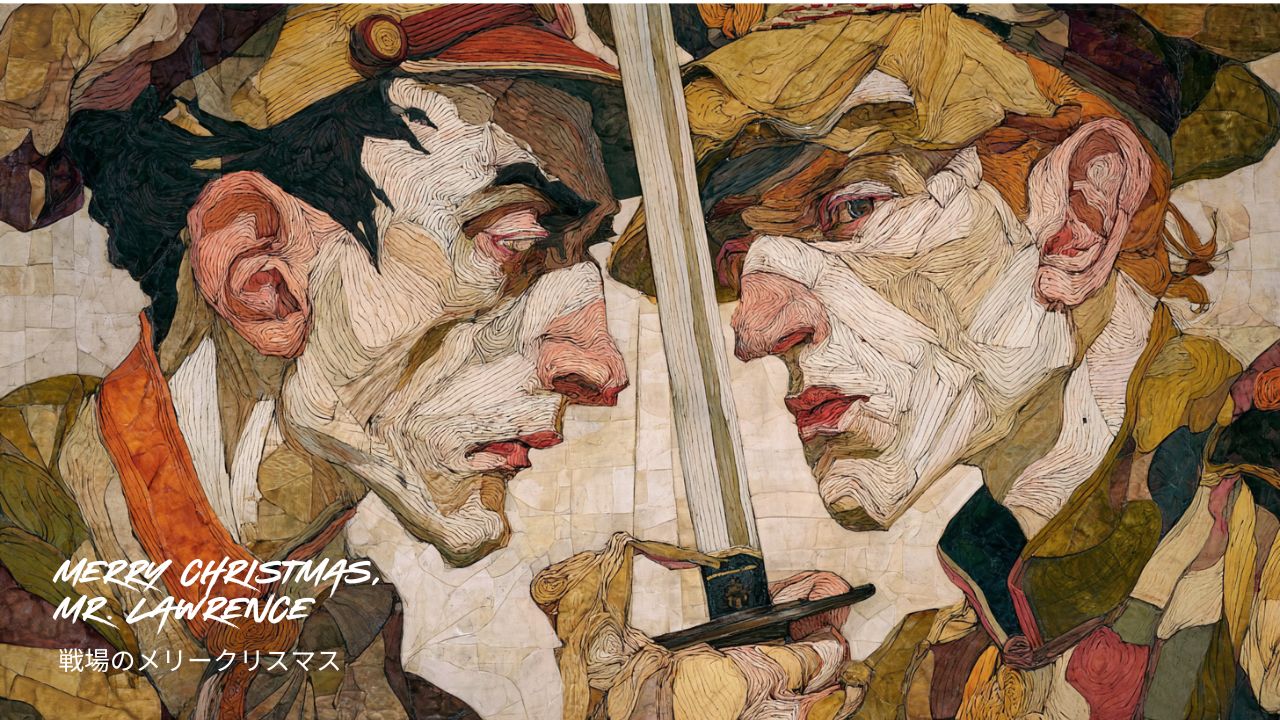
政治的宣言となった***『日本の夜と霧』(1960年)や、差別と国家を問うた形式的頂点『絞死刑』(1968年)を経て、世界を震撼させた『愛のコリーダ』(1976年)に至るまで、彼は常に映像表現の限界を押し広げました。デヴィッド・ボウイと坂本龍一を配した『戦場のメリークリスマス』(1983年)は、彼のキャリアにおける国際的・商業的な頂点であり、その全生涯は、日本映画史上最も大胆で知的な「反逆の記録」として刻まれています。
Filmography | 監督作品
Feature Films as Director — Selected (監督長編作品 — 主要作品)
|
Year |
Title (English / Japanese) |
Awards/Note |
|---|---|---|
|
1959 |
A Town of Love and Hope / 愛と希望の街 |
Shochiku / Working-class teenager / Pigeon / Career debut / Social realism |
|
1960 |
Cruel Story of Youth / 青春残酷物語 |
Miyuki Kuwano / Yusuke Kawazu / Youth / Sexual violence / Shochiku |
|
1960 |
The Sun’s Burial / 太陽の墓場 |
Osaka slums / Youth gangs / Shochiku |
|
1960 |
Night and Fog in Japan / 日本の夜と霧 |
1960 Anpo protests / Japanese left / Continuous sequence / Banned by Shochiku 4 days after release / Oshima’s departure from studio / Formal and political announcement |
|
1961 |
The Catch / 飼育 |
Oshima Productions / Black American POW / Rural Japan / Race |
|
1965 |
Pleasures of the Flesh / 悦楽 |
Sozosha / Embezzlement / Desire |
|
1966 |
Violence at Noon / 白昼の通り魔 |
Sozosha / Serial killer / Sexual violence / Most formally complex editing |
|
1967 |
Sing a Song of Sex / 日本春歌考 |
Sozosha / Students / Sexuality / National anthem |
|
1968 |
Death by Hanging / 絞死刑 |
Sozosha / Korean resident / Death penalty / Brecht / Most formally radical Japanese New Wave film / Racial discrimination / Identity |
|
1968 |
Diary of a Shinjuku Thief / 新宿泥棒日記 |
Sozosha / Documentary hybrid / Theft / Sexuality / Shinjuku |
|
1969 |
Boy / 少年 |
Sozosha / Child / Insurance fraud / Family / Road film |
|
1971 |
The Ceremony / 儀式 |
Sozosha / Family / Ritual / Postwar Japan / Most formally accomplished domestic drama |
|
1972 |
Dear Summer Sister / 夏の妹 |
Sozosha / Okinawa / Siblings / Postwar |
|
1976 |
In the Realm of the Senses / Ai no Corrida / 愛のコリーダ |
France/Japan co-production / Sada Abe / Eiko Matsuda / Tatsuya Fuji / Unsimulated sex / Cannes Competition 🌟 / Most internationally celebrated / Most formally controversial / Career signature work |
|
1978 |
Empire of Passion / Ai no borei / 愛の亡霊 |
Cannes Best Director 🏆 / Tatsuya Fuji / Kazuko Yoshiyuki / Ghost story / Murder / Sexual desire |
|
1983 |
David Bowie / Ryuichi Sakamoto / Tom Conti / Takeshi Kitano / Cannes Competition 🌟 / WWII Java POW camp / Japan-West / Career commercial summit / Most internationally recognized |
|
|
1986 |
Max, Mon Amour / マックス、モン・アムール |
Charlotte Rampling / Anthony Higgins / French-Japanese / Chimpanzee / Bourgeois marriage |
|
1999 |
Taboo / Gohatto / 御法度 |
Takeshi Kitano / Ryuhei Matsuda / Shinsengumi / Homosexuality / Meiji era / Final film |
Awards & Recognition | 受賞歴
Cannes Film Festival (カンヌ国際映画祭)
Winner: 1 🏆
- Best Director (Prix de la mise en scène) – Empire of Passion (Ai no borei, 1978) 🏆
Cannes Competition:
- In the Realm of the Senses (Ai no Corrida, 1976) — Competition
- Merry Christmas, Mr. Lawrence (1983) — Competition
- Taboo (Gohatto, 1999) — Competition
Japan Academy Prize (日本アカデミー賞)
- Merry Christmas, Mr. Lawrence — Multiple Japan Academy Prize recognition
Blue Ribbon Awards (ブルーリボン賞)
Winner: Multiple 🏆
- Best Director – Multiple wins across his career for the most formally significant Japanese domestic films
Kinema Junpo Awards (キネマ旬報賞)
Winner: Multiple 🏆
- Multiple Kinema Junpo Best Director awards recognized by the most prestigious Japanese film criticism institution