

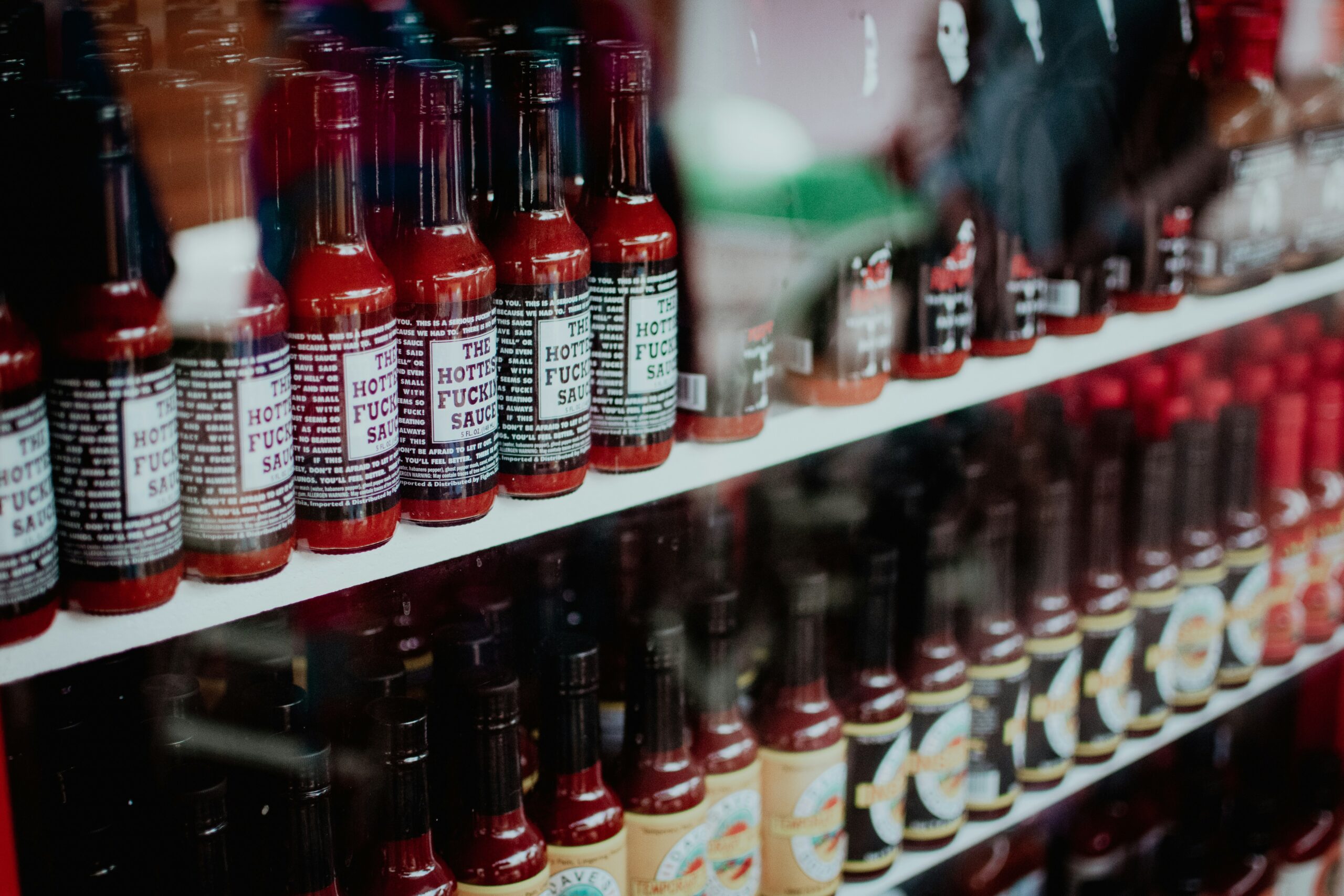
ナショナル・ホットソース・デー
Basic Info / 基本情報
| 項目 | English | 日本語 |
|---|---|---|
| 記念日名 | National Hot Sauce Day | ナショナル・ホットソース・デー |
| 日付 | January 22 (Annual) | 1月22日(毎年) |
| 設立年 | Unknown (modern celebration) | 不明(現代的祝賀) |
| 設立者 | Unknown | 不明 |
| カテゴリ | Food / Culinary Culture / Spice / Health | 食品 / 料理文化 / スパイス / 健康 |
Introduction: A Celebration of Fiery Flavor
はじめに:燃えるような風味の祝典
English: National Hot Sauce Day, celebrated every January 22nd, is a vibrant tribute to one of the world’s most beloved and transformative condiments. More than just a source of heat, hot sauce represents a global culinary bridge, connecting ancient traditions with modern gastronomy. This day encourages enthusiasts to move beyond their comfort zones and explore the intricate balance of spice, acidity, and aroma that a single drop can provide, transforming an ordinary meal into a sensory adventure.
日本語: 毎年1月22日に祝われる「ナショナル・ホットソース・デー」は、世界で最も愛され、料理を劇的に変える力を持つ調味料の一つに捧げられた活気ある祭典です。単なる「辛さ」の源であることを超え、ホットソースは古代の伝統と現代の美食を繋ぐ世界的な架け橋となっています。この日は、愛好家たちがコンフォートゾーン(安住の地)を抜け出し、一滴のソースがもたらすスパイス、酸味、そして香りの複雑なバランスを探求し、日常の食事を五感を刺激するアドベンチャーへと変えることを奨励しています。
The Genesis: From Ancient Paste to Global Industry
誕生の背景:古代のペーストから世界的産業へ
English: The history of hot sauce spans over 6,000 years, originating with indigenous peoples in Central and South America who first combined chili peppers with water to create potent pastes. Following the Columbian Exchange in the 16th century, these fiery fruits spread with remarkable speed across Europe, Africa, and Asia, evolving into regional staples like Sriracha, Harissa, and Gochujang. The modern commercial era began in the 19th century, notably with the 1868 launch of Tabasco, which standardized bottled heat and paved the way for today’s multi-billion dollar craft industry.
日本語: ホットソースの歴史は6,000年以上に及び、中央・南アメリカの先住民がチリペッパーと水を組み合わせて強力なペーストを考案したことに始まります。16世紀のコロンブス交換を経て、これらの刺激的な果実は驚くべき速さでヨーロッパ、アフリカ、アジアへと広まり、シラチャ、ハリッサ、コチュジャンといった地域独自の定番へと進化しました。現代の商業化時代は19世紀に始まり、特に1868年のタバスコの発売によってボトル詰めされた「熱量」が標準化され、今日の数十億ドル規模のクラフト産業への道が切り拓かれました。
The Science of Spice: Understanding the Scoville Scale
辛味の科学:スコヴィル値を理解する
English: The intensity of hot sauce is quantified by the Scoville Scale, established in 1912 by pharmacist Wilbur Scoville. This scale measures the concentration of capsaicin—the chemical compound responsible for the burning sensation—in Scoville Heat Units (SHU). From the mild Jalapeño (approx. 5,000 SHU) to the record-breaking Carolina Reaper (over 2,000,000 SHU), the scale provides a scientific framework for the heat experience. Modern High-Performance Liquid Chromatography (HPLC) has since refined this measurement, ensuring consistency in an industry where heat levels can vary based on soil, climate, and genetics.
日本語: ホットソースの強度は、1912年に薬剤師ウィルバー・スコヴィルによって確立された「スコヴィルスケール」によって数値化されます。このスケールは、燃えるような感覚を引き起こす化学化合物であるカプサイシンの濃度を、スコヴィル・ヒート・ユニット(SHU)で測定します。マイルドなハラペーニョ(約5,000 SHU)から記録破りのカロライナ・リーパー(2,000,000 SHU以上)まで、このスケールは熱体験に科学的な枠組みを提供します。現代では高速液体クロマトグラフィー(HPLC)によって測定が洗練され、土壌や気候、遺伝子によって変動しやすい「熱レベル」の一貫性が保たれています。
Physiological Benefits: Heat as Medicine
生理学的恩恵:薬としての熱
English: Consuming hot sauce triggers a fascinating physiological response. Capsaicin interacts with pain receptors on the tongue, prompting the brain to release endorphins and dopamine—natural “feel-good” chemicals that create a mild euphoria often called a “chili high.” Beyond the mood boost, hot sauce offers tangible health benefits, including metabolic acceleration, improved cardiovascular circulation, and anti-inflammatory properties. Furthermore, chili peppers are extraordinarily rich in Vitamin C and antioxidants, supporting immune resilience during the winter months.
日本語: ホットソースの摂取は、興味深い生理学的反応を引き起こします。カプサイシンが舌の痛み受容体と反応すると、脳はエンドルフィンやドーパミンといった天然の「快楽物質」を放出し、「チリ・ハイ」と呼ばれる穏やかな多幸感をもたらします。気分を高揚させるだけでなく、ホットソースには代謝の促進、心血管の循環改善、抗炎症作用など、目に見える健康上の恩恵があります。さらに、チリペッパーはビタミンCと抗酸化物質が非常に豊富で、冬の時期の免疫力をサポートします。
Essential Guidelines: Handling the Heat
重要なガイドライン:熱の取り扱い
English: While exploring hot sauce is rewarding, it requires caution and respect for individual tolerance. The golden rule for heat is “start low and go slow,” allowing the palate to acclimate before moving to extreme SHU levels. Safety is paramount when handling high-heat peppers; wearing gloves and avoiding contact with the eyes is essential. For those who overindulge, remember that water often intensifies the burn by spreading capsaicin; dairy products containing casein are the most effective way to neutralize the chemical reaction and find relief.
日本語: ホットソースの探求はやりがいのあるものですが、個人の許容度に対する注意と尊重が必要です。辛さに関する黄金律は「低から始めてゆっくり進む」ことであり、極端なSHUレベルに移行する前に味覚を慣らすことが大切です。高刺激のペッパーを扱う際は安全が最優先であり、手袋の着用や目への接触を避けることが不可欠です。万が一、辛さに耐えられなくなった場合、水はカプサイシンを広げて刺激を強めてしまうことが多いため、カゼインを含む乳製品が化学反応を中和し、痛みを和らげる最も効果的な手段となります。
Pepper Heat Rankings / ペッパー熱ランキング
| Heat Level / 辛さ | Example Pepper / 代表的なペッパー | Scoville Units (SHU) / スコヴィル値 |
| No Heat (0) | Bell Pepper / ピーマン | 0 |
| Mild | Shishito / ししとう | 50 – 200 |
| Medium | Jalapeño / ハラペーニョ | 2,500 – 8,000 |
| Hot | Tabasco / タバスコ | 30,000 – 50,000 |
| Very Hot | Habanero / ハバネロ | 100,000 – 350,000 |
| Extremely Hot | Ghost Pepper / ゴーストペッパー | 850,000 – 1,000,000+ |
| The Record | Carolina Reaper / カロライナ・リーパー | 1,400,000 – 2,200,000+ |
Related Film / 関連映画
English Review
[National Hot Sauce Day] The Secret Sauce—Passion Rediscovered in a Food Truck
日本語レビュー
【ナショナル・ホットソース・デー】秘伝のソース——フードトラックで取り戻した情熱