

Basic Info / 基本情報
| 項目 | English | 日本語 |
|---|---|---|
| 記念日名 | National Popcorn Day | ナショナル・ポップコーンデー |
| 日付 | January 19 (Annual) | 1月19日(毎年) |
| 設立年 | 1970s (first observed), January 19, 2003 (date established) | 1970年代(初の観察)、2003年1月19日(日付確立) |
| 設立団体 | Origin unknown; supported by The Popcorn Board and cinema industry | 起源不明;ポップコーンボードと映画産業によって支援 |
| カテゴリ | Food / Entertainment / Cinema Culture / American Tradition | 食品 / エンターテインメント / 映画文化 / アメリカの伝統 |
Introduction: A Cultural Icon of Cinema
はじめに:映画界の文化的アイコン
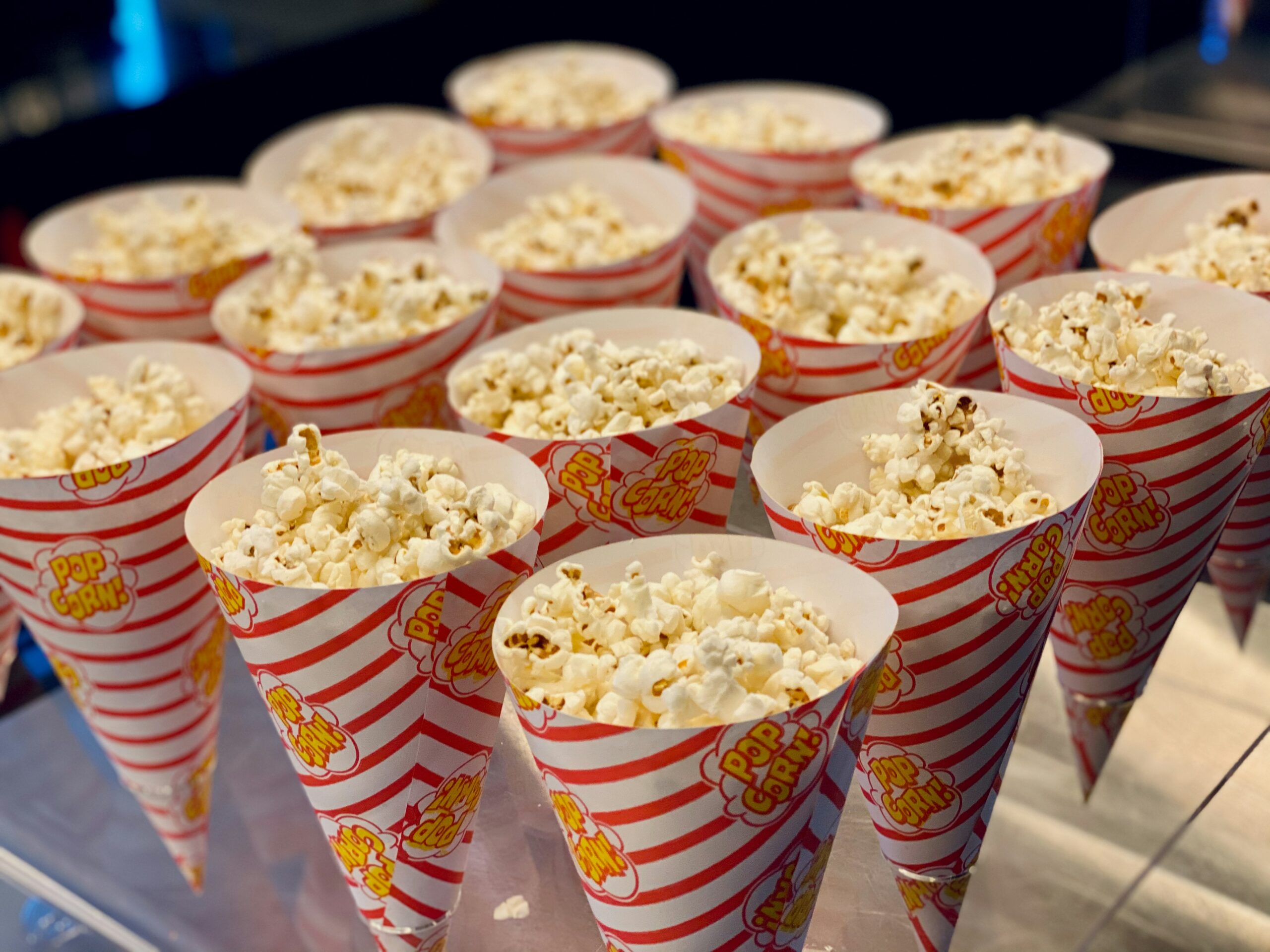
National Popcorn Day, observed annually on January 19th, celebrates America’s quintessential movie snack and its remarkable journey from an ancient grain to a cultural icon. The day honors the deep, century-old bond between popcorn and cinema—a relationship forged during the Great Depression that literally saved the American movie theater industry from collapse. Today, this snack remains a staple of entertainment, with Americans consuming approximately 13 billion quarts of popcorn every year.
毎年1月19日に祝われる「ナショナル・ポップコーンデー」は、アメリカを代表する映画のスナックと、古代の穀物から文化的アイコンへと至るその驚くべき旅を称える日です。この日は、ポップコーンと映画の間に築かれた1世紀にわたる深い絆を祝います。大恐慌時代に築かれたこの関係は、文字通りアメリカの映画館産業を崩壊の危機から救いました。今日、このスナックはエンターテインメントに欠かせない定番であり続け、アメリカ人は毎年約130億クォートものポップコーンを消費しています。
From Sacred Grain to Street Food
神聖な穀物から路上の食べ物へ
Popcorn is one of humanity’s oldest snacks, with archaeological evidence in New Mexico dating back 5,600 years. Indigenous peoples, including the Aztecs, cultivated this unique variety of maize (Zea mays everta) for both food and ceremonial use. By the late 19th century, the invention of the first steam-powered popcorn machine by Charles Cretors allowed the snack to move from kitchens to the streets. Mobile wagons filled the air with a buttery aroma at circuses and fairs, making popcorn a popular treat long before it ever stepped foot inside a theater.
ポップコーンは人類最古のスナックの一つであり、ニューメキシコ州では約5,600年前の考古学的証拠も見つかっています。アステカ人を含む先住民は、このユニークなトウモロコシ(Zea mays everta)を食用だけでなく、儀式用としても栽培していました。19世紀後半、チャールズ・クレトールが最初の蒸気式ポップコーンマシンを発明したことで、ポップコーンは台所から街頭へと飛び出しました。移動式のワゴンがサーカスや見本市でバターの香りを漂わせ、映画館に入るずっと前から、ポップコーンは人気の娯楽食となっていたのです。
The Era of Exclusion: Why Theaters Banned Popcorn
排除の時代:なぜ映画館はポップコーンを禁止したのか
In the early 20th century, movie theaters were opulent “palaces” designed to mimic European opera houses, featuring ornate ceilings and expensive carpets. During this era, theater owners strictly banned popcorn, viewing it as a messy, “lowbrow” street food that would soil their elegant interiors and distract audiences during silent films. Signs often instructed patrons to check their popcorn at the door alongside their coats, as owners fought to maintain a sophisticated, high-culture atmosphere.
20世紀初頭、映画館はヨーロッパのオペラハウスを模した豪華な「宮殿」であり、華やかな天井や高価なカーペットを備えていました。当時の劇場オーナーは、ポップコーンを「低俗で散らかりやすい路上の食べ物」と見なし、優雅な内装を汚し、サイレント映画の鑑賞を妨げるものとして厳格に禁止していました。高尚で洗練された雰囲気を維持しようとするオーナーたちの意向により、入口にはコートと一緒にポップコーンを預けるよう促す看板が掲げられていたほどです。
Saving the Silver Screen: The Great Depression and WWII
銀幕を救った救世主:大恐慌と第二次世界大戦
The Great Depression changed everything. As theaters faced bankruptcy, owners realized that popcorn—an affordable luxury at 5 to 10 cents a bag—could provide a critical lifeline. Enterprising owners who allowed popcorn stands in their lobbies saw profits soar, while those who refused often went out of business. World War II solidified this bond when sugar rationing limited candy production, leaving popcorn as the primary treat available. By 1945, half of all popcorn consumed in America was eaten in movie theaters, forever linking the buttery crunch to the magic of the silver screen.
すべてを変えたのは大恐慌でした。劇場が倒産の危機に直面する中、オーナーたちは1袋5〜10セントという「手頃な贅沢」であるポップコーンが、重要な命綱になることに気づきました。ロビーにスタンドを設置した進取的な劇場の利益は急増し、逆に拒否した劇場は閉鎖に追い込まれました。さらに第二次世界大戦中、砂糖の配給制でキャンディの生産が制限されると、ポップコーンが主役のおやつとしての地位を確立しました。1945年までに、全米で消費されるポップコーンの半分が映画館で食べられるようになり、バターの香りとカリカリとした食感は、銀幕の魔法と永遠に結びついたのです。
Related Review / 関連レビュー
🔗 English Review
・[National Popcorn Day] The Film That Saved Theaters—Pure Blockbuster Joy
🔗 日本語レビュー
・【ナショナル・ポップコーンデー】劇場を救った映画——純粋なブロックバスターの喜び