
Choose Your Language / 言語を選択:
Introduction
Snow Culture and Winter Sports That Connect Generations
Third Sunday of January annually is World Snow Day. In 2026, January 18 marks this anniversary.
World Snow Day is international commemoration established by International Ski Federation (FIS) in 2012, aiming to convey joy of snow and winter sports to children and families worldwide. On this day, snow play events, ski/snowboard experience sessions, snow mountain festivals are held globally, advocating winter sports promotion and snow culture preservation.
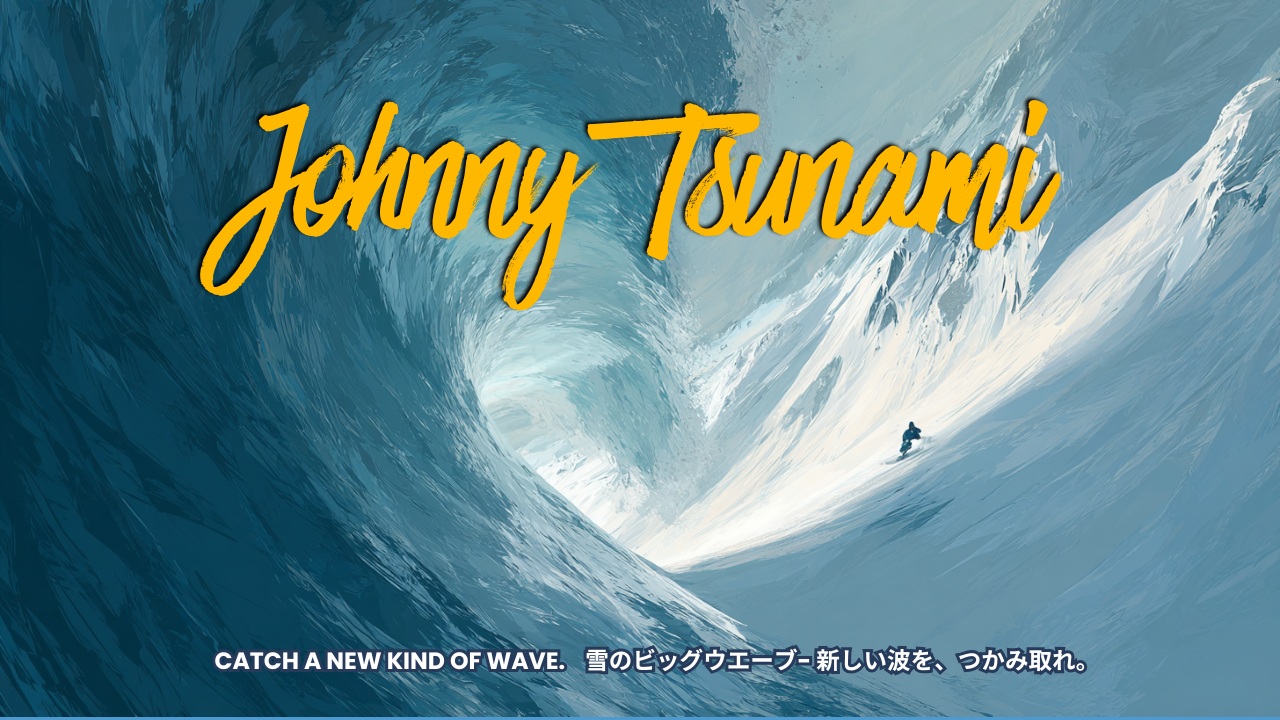
Perfect film for watching on World Snow Day is 1999 Disney Channel Original Movie Johnny Tsunami (Japanese title: Yuki no Big Wave).
This film is coming-of-age drama where 13-year-old Hawaiian surfer boy Johnny Kapahala, due to father’s job transfer, moves to Vermont snow mountains, challenging transition from surfing to snow sport—snowboarding.
Johnny, carrying teachings of grandfather Johnny Tsunami (legendary surfer), builds friendships in new environment, challenges “snow’s big wave” on snowboard. Film depicts conflict between skiers and snowboarders, father-son relationship struggles, and fusion of different cultures.
Johnny Tsunami embodies World Snow Day’s core messages: joy of snow and winter sports, cross-generational snow culture inheritance, application of surfing techniques to snowboarding, and snow mountain community solidarity.
Through this film, let’s consider winter sports charm, snow mountain beauty, and snow-loving culture.
Basic Information & Synopsis
→ For detailed synopsis and production information, see our Database Article
Director: Steve Boyum
Year: 1999
Runtime: 88 minutes
Production: Disney Channel
Commemorative Day: World Snow Day (Third Sunday of January)
Background Knowledge
Production Background: World-Class Athlete Director’s Challenge
Steve Boyum: From Extreme Sports Master to Film Director
Johnny Tsunami director Steve Boyum’s career is story as interesting as film itself. Like Johnny transferring surfing skills to snowboarding, he applied his own skills from extreme sports to filmmaking.
Boyum was born September 4, 1952, in Los Angeles. From childhood, he was world-class athlete: surfer, ski racer, ski instructor, motocross racer. In these sports, he reached elite level.
In 1975, after graduating from Agoura High School and Pierce College, Boyum entered Hollywood’s stunt industry. His extreme sports experience—overcoming fear, precise body control, composure in high-risk environments—translated perfectly to stunt work. Over 25 years, Boyum executed dangerous stunts in over 60 films: Apocalypse Now (1979), The Blues Brothers (1980), Predator (1987), Lethal Weapon 2 (1989), True Lies (1994).
In 1980s, Boyum expanded career as stunt coordinator and second unit director. In D2/D3: The Mighty Ducks (1994, 1996), Jingle All the Way (1996), George of the Jungle (1997), he was responsible for action scene design and coordination.
Why Johnny Tsunami Was Born
In 1999, when Disney Channel decided to produce film about Hawaiian surfer becoming snowboarder in Vermont, Boyum was only director candidate. He himself was surfer and skier, literally living skill transfer Johnny experiences. Moreover, with over 25 years stunt experience, he knew exactly how to design action scenes safe yet thrilling.
Actually, Boyum had made Hollywood feature film directorial debut with Meet the Deedles in 1998. This film was story of Hawaiian surfer twin brothers (starring Paul Walker) becoming Yellowstone National Park rangers, interestingly sharing many commonalities with Johnny Tsunami—Hawaiian surfers, adapting to new environment, extreme sports.
Though critically and commercially failed (Rotten Tomatoes 10%, $4.4 million box office against $24 million budget), Disney saw Boyum’s core talent. While critics criticized Meet the Deedles‘ script and comedy, they praised stunt scenes and extreme sports filming. Boyum’s helicopter filming, whitewater stunts, capturing Yellowstone’s spectacular landscapes were professional.
Disney Channel gave Boyum second chance with TV movie format instead of theatrical release. This time, work focusing on his strengths—authentic board sports knowledge, stunt expertise, extreme sports filming. Budget drastically reduced from $24 million to approximately $4 million, but this worked in Boyum’s favor. He could compete in his specialty areas: actual location shooting and real stunts rather than CGI or special effects.
Boyum’s experience and creativity enabled film to achieve visual quality far exceeding budget: beautiful location shooting in Hawaii (Oahu North Shore) and Utah (Brighton Ski Resort), authentic action by professional stuntmen, efficient shooting schedule (February-March 1999), emphasis on practical effects.
And Boyum learned from Meet the Deedles. This time, simple, sincere story rather than forced comedy or complex plot. And that was key to success.
Success and Recognition
Johnny Tsunami premiered on Disney Channel July 24, 1999, at 7:00 PM (Eastern Time). Film was instant success, airing 15 times in 1999 alone.
In 2000, nominated for Humanitas Prize in children’s live-action category, widely recognized as one of DCOM history’s greatest works: Complex magazine ranked it #2 in 25 Best DCOMs, Entertainment Weekly #10 in Top 30 DCOMs, Collider #30 in all DCOMs.
Film’s success led to 2007 sequel Johnny Kapahala: Back on Board. Brandon Baker starred again, this time returning to Hawaii to challenge dirt boarding. Unusually long eight-year gap for DCOM sequel, but original Johnny Tsunami‘s legacy was strong enough to justify that long wait.
What Makes It Exceptional
Snowboarding and Surfing Filming—Board Sports Sensuality
Johnny Tsunami‘s finest point is snowboarding and surfing filming. Director Steve Boyum—himself world-class surfer and skier—lovingly captures board sports beauty. Boyum literally lived skill transfer Johnny experiences, and this authenticity permeates every frame.
Hawaiian Surfing Scenes—Blue Ocean and Perfect Waves:
Film’s opening, camera captures Oahu North Shore waves. Clear blue ocean, white sand beach, golden sun—and perfect waves. Camera captures spray, muscle movement, concentrated expressions. This isn’t mere “sports filming.” This is dialogue with ocean.
Because Boyum is actual surfer, he knows exactly what makes surfing beautiful. Camera angles, timing, light—all perfect.
Utah Snowboarding Scenes—White Snow and Spectacular Mountains:
Vermont (actually Utah’s Brighton Ski Resort) scenes, camera captures snow mountain grandeur. Powder snow glistens under sun, mountains tower against blue sky.
Filming captures snowboarding beauty’s full spectrum, from beginner falls to expert fluid gliding. Camerawork perfectly expresses snow texture, speed sensation, mountain vastness. Professional stuntmen’s precise technical control balances realism and power.
Snow becomes waves, mountains become ocean. Boyum’s filming visually proves surfing and snowboarding share same philosophy, same beauty. This isn’t “pretending sports film”—this is love letter to authentic sports by authentic athlete.
Brandon Baker: Perfect Actor for Role
Lead actor Brandon Baker was 13 during filming. Disney Channel cast him because he was actual surfer. His Southern California beach surfing experience brought authenticity to Johnny’s wave-riding scenes.
Before filming, Baker received snowboarding training, learning basic techniques. Johnny’s learning curve reflected Baker’s own learning curve. In 2007 Entertainment Weekly interview, Baker reflected: “Playing Johnny was fun. He was definitely my favorite character—at least character closest to childhood me.”
Baker also emphasized importance of, as multi-ethnic actor (English, German, Hawaiian, Filipino roots), authentically playing Hawaiian character. “As multi-ethnic actor, getting roles close to yourself is difficult. Happy to play authentic Hawaiian character in board sports.”
Cary-Hiroyuki Tagawa—Perfect Transition from Villain to Warm Grandfather
Cary-Hiroyuki Tagawa’s Johnny “Tsunami” Kapahala role is film’s emotional core. And this was surprising casting.
Tagawa’s “Villain” Career:
In 1999, Tagawa was known in Hollywood as ruthless villain: drug lord in Licence to Kill, evil sorcerer Shang Tsung in Mortal Kombat, Admiral Isoroku Yamamoto in Pearl Harbor. Tagawa’s villains were ruthless, emotionless, his sharp eyes and low voice conveying fear and authority.
Johnny Tsunami‘s Bold Gamble:
That’s why casting Tagawa as warm, wise, charming grandfather was bold choice. But Boyum and casting director were right—Tagawa brought dignity and charisma to Tsunami. This was 180-degree turn from Tagawa’s usual image, surprising audiences while proving his acting range—brilliant casting.
Tagawa’s performance shows surf legend’s wisdom transcends generations. His scenes with grandson Brandon Baker (Johnny) overflow with genuine warmth and love. When Tsunami tells Johnny “Go where your heart takes you,” these aren’t mere words but life philosophy based on lived experience.
This casting succeeded because Tagawa brought authority and gravitas earned from villain roles, but redirected toward warmth and mentorship rather than menace. Result is grandfather character who is both powerful and loving—perfect mentor for young Johnny.
Related Articles
- Johnny Tsunami Database – Synopsis & Production Details
- Steve Boyum – Filmmaker Profile
はじめに
世代を超えてつなぐ雪文化とウィンタースポーツ
毎年1月の第3日曜日は国際雪の日(World Snow Day)です。2026年は1月18日がこの記念日にあたります。
国際雪の日は、国際スキー連盟(FIS)が2012年に制定した国際的な記念日で、世界中の子供や家族に雪とウィンタースポーツの楽しさを伝えることを目的としています。この日は、世界各地で雪遊びイベント、スキー・スノーボード体験会、雪山フェスティバルが開催され、冬季スポーツの普及と雪文化の保存を訴えています。
この国際雪の日に観るのに最適な映画が、1999年のディズニー・チャンネル・オリジナル・ムービー『ジョニー・ツナミ』(原題: Johnny Tsunami、日本語タイトル: 雪のビッグ・ウェーブ)です。
この映画は、ハワイの13歳のサーファー少年ジョニー・カパハラが、父親の転勤でバーモント州の雪山に引っ越し、サーフィンから雪のスポーツ——スノーボードへと挑戦する青春ドラマです。
ジョニーは、祖父ジョニー・ツナミ(伝説的なサーファー)の教えを胸に、新しい環境で友情を築き、スノーボードで「雪のビッグウェーブ」に挑みます。映画は、スキーヤーとスノーボーダーの対立、父子関係の葛藤、そして異なる文化の融合を描きます。
『ジョニー・ツナミ』は、雪とウィンタースポーツの楽しさ、世代を超えた雪文化の継承、サーフィン技術のスノーボードへの応用、そして雪山でのコミュニティの連帯という、国際雪の日の中核的なメッセージを体現しています。
この映画を通じて、ウィンタースポーツの魅力、雪山の美しさ、そして雪を愛する文化について考えてみませんか。
基本情報・あらすじ
→ 詳しいあらすじや製作情報はデータベース記事へ
監督: スティーブ・ボーヤム
製作年: 1999年
上映時間: 88分
制作: ディズニー・チャンネル
記念日: 国際雪の日(1月第3日曜日)
予備知識
制作背景:世界的アスリート監督の挑戦
スティーブ・ボーヤム:極限スポーツのマスターから映画監督へ
『ジョニー・ツナミ』の監督スティーブ・ボーヤムの経歴は、映画そのものと同じくらい興味深い物語です。彼は、ジョニーがサーフィンからスノーボードへ技術を転用したように、極限スポーツから映画制作へと自身の技術を応用した人物です。
ボーヤムは1952年9月4日、ロサンゼルスで生まれました。幼少期から、彼は世界クラスのアスリートでした:サーファー、スキーレーサー、スキーインストラクター、モトクロスレーサー。これらのスポーツで、彼はエリートレベルに達していました。
1975年、ボーヤムはアゴラ高校とピアース・カレッジを卒業後、ハリウッドのスタント業界に入りました。彼の極限スポーツでの経験——恐怖心の克服、精密な身体制御、高リスク環境での冷静さ——は、スタントワークに完璧に翻訳されました。25年以上にわたり、ボーヤムは60本以上の映画で危険なスタントを実行しました:『地獄の黙示録』(1979)、『ブルース・ブラザース』(1980)、『プレデター』(1987)、『リーサル・ウェポン2』(1989)、『トゥルーライズ』(1994)など。
1980年代、ボーヤムはスタントコーディネーターと第二班監督としてキャリアを拡大しました。『D2/D3: マイティ・ダック』(1994、1996)、『ジングル・オール・ザ・ウェイ』(1996)、『ジャングル・ジョージ』(1997)などで、アクションシーンの設計と調整を担当しました。
『ジョニー・ツナミ』が生まれた理由
1999年、ディズニー・チャンネルがハワイのサーファーがバーモントでスノーボーダーになる物語の映画を制作することを決定したとき、ボーヤムが唯一の監督候補でした。彼自身がサーファーでありスキーヤーであり、ジョニーが経験する技術の転用を文字通り生きていたのです。さらに、25年以上のスタント経験により、安全でありながらスリリングなアクションシーンを設計する方法を正確に知っていました。
実は、ボーヤムは前年の1998年に『Meet the Deedles』でハリウッド長編映画の監督デビューを果たしていました。この映画は、ハワイのサーファー双子の兄弟(ポール・ウォーカー主演)がイエローストーン国立公園のレンジャーになる物語で、興味深いことに『ジョニー・ツナミ』と多くの共通点がありました——ハワイのサーファー、新しい環境への適応、極限スポーツ。
批評的にも興行的にも失敗しましたが(Rotten Tomatoes 10%、予算2,400万ドルに対して興行収入440万ドル)、ディズニーはボーヤムの才能の核心を見抜いていました。批評家たちは、『Meet the Deedles』の脚本とコメディは批判しましたが、スタントシーンと極限スポーツの撮影については賞賛しました。ボーヤムのヘリコプター撮影、急流でのスタント、イエローストーンの壮大な風景の捉え方は、プロフェッショナルでした。
ディズニー・チャンネルは、劇場公開作品ではなくテレビ映画という形式で、ボーヤムに二度目のチャンスを与えました。今度は、彼の強み——本物のボードスポーツ知識、スタントの専門性、極限スポーツの撮影——に焦点を当てた作品です。予算も2,400万ドルから約400万ドルへと大幅に削減されましたが、これはボーヤムにとって有利に働きました。彼は、CGIや特殊効果ではなく、実際のロケーション撮影と本物のスタントという自分の得意分野で勝負できたのです。
ボーヤムの経験と創造性により、映画は予算をはるかに超える視覚的品質を達成しました:ハワイ(オアフ島ノースショア)とユタ州(ブライトン・スキー・リゾート)の美しいロケーション撮影、プロのスタントマンによる本格的なアクション、効率的な撮影スケジュール(1999年2月から3月)、実用的な効果の重視。
そして、ボーヤムは『Meet the Deedles』から学びました。今度は、無理なコメディや複雑なプロットではなく、シンプルで誠実な物語にしました。そして、それが成功への鍵でした。
成功と評価
『ジョニー・ツナミ』は、1999年7月24日午後7時(東部時間)にディズニー・チャンネルで初放送されました。映画は即座に成功し、1999年だけで15回放送されました。
2000年、ヒューマニタス賞(Humanitas Prize)の児童向け実写カテゴリーにノミネートされ、DCOM史上最高の作品の一つとして広く認識されました:Complex誌が25本のベストDCOMで第2位、Entertainment Weeklyがトップ30DCOMで第10位、Colliderが全DCOMで第30位にランク付けしました。
映画の成功により、2007年に続編『ジョニー・カパハラ: Back on Board』が制作されました。ブランドン・ベイカーが再び主演し、今度はハワイに戻ってダートボードに挑戦します。DCOM続編としては異例の8年という長い間隔でしたが、オリジナルの『ジョニー・ツナミ』のレガシーは、その長い待機を正当化するほど強力でした。
優れている点
スノーボードとサーフィンの撮影——ボードスポーツの官能性
『ジョニー・ツナミ』の最も優れた点は、スノーボードとサーフィンの撮影です。監督スティーブ・ボーヤム——自身が世界クラスのサーファーでありスキーヤー——は、ボードスポーツの美しさを愛情を持って捉えます。ボーヤムは、ジョニーが経験する技術の転用を文字通り生きていた人物であり、この真正性が映画のすべてのフレームに浸透しています。
ハワイのサーフィンシーン——青い海と完璧な波:
映画の冒頭、カメラはオアフ島ノースショアの波を捉えます。透明な青い海、白い砂浜、黄金色の太陽——そして完璧な波。カメラは、水しぶき、筋肉の動き、集中した表情を捉えます。これは単なる「スポーツの撮影」ではありません。これは、海との対話です。
ボーヤムは実際のサーファーなので、サーフィンの何が美しいかを正確に知っています。カメラアングル、タイミング、光——すべてが完璧です。
ユタ州のスノーボードシーン——白い雪と壮大な山々:
バーモント(実際にはユタ州のブライトン・スキー・リゾート)のシーンでは、カメラは雪山の壮大さを捉えます。パウダースノーが太陽の下で輝き、山々が青空に聳え立ちます。
撮影は、初心者の転倒から熟練者の流れるような滑走まで、スノーボードの美しさの全スペクトラムを捉えています。カメラワークは、雪の質感、スピード感、そして山の広大さを完璧に表現します。プロのスタントマンによる精密な技術コントロールが、リアリティと迫力を両立させています。
雪は波になり、山は海になります。ボーヤムの撮影は、サーフィンとスノーボードが同じ哲学、同じ美しさを共有していることを視覚的に証明しています。これは「スポーツ映画のふり」ではなく、本物のアスリートによる、本物のスポーツへのラブレターです。
ブランドン・ベイカー:役に最適な俳優
主演のブランドン・ベイカーは、撮影時13歳でした。ディズニー・チャンネルが彼をキャスティングしたのは、彼が実際のサーファーだったからです。南カリフォルニアのビーチでサーフィンをしていた経験が、ジョニーの波乗りシーンに真正性をもたらしました。
撮影前、ベイカーはスノーボードのトレーニングを受け、基本的な技術を学びました。ジョニーの学習曲線は、ベイカー自身の学習曲線を反映していました。2007年のEntertainment Weeklyのインタビューで、ベイカーは「ジョニーを演じることは楽しかった。彼は間違いなく僕のお気に入りのキャラクターだった——少なくとも子供の頃の僕に最も近いキャラクターだった」と振り返りました。
ベイカーはまた、多民族の俳優(イングランド、ドイツ、ハワイ、フィリピンのルーツ)として、ハワイアンキャラクターを本物に演じることができたことの重要性を強調しました。「多民族の俳優として、自分自身に近い役を得ることは難しい。本物のハワイアンキャラクターをボードスポーツで演じることができて嬉しかった」
ケイリー=ヒロユキ・タガワ——悪役から温かい祖父への完璧な転換
ケイリー=ヒロユキ・タガワのジョニー・”ツナミ”・カパハラ役は、映画の感情的な核心です。そして、これは驚くべきキャスティングでした。
タガワの「悪役」としてのキャリア:
1999年当時、タガワはハリウッドで冷酷な悪役として知られていました:『007 消されたライセンス』の麻薬王、『モータル・コンバット』の邪悪な魔術師シャン・ツン、『パール・ハーバー』の山本五十六提督。タガワの悪役は冷酷で、感情を見せず、彼の鋭い目と低い声は恐怖と権威を伝えました。
ジョニー・ツナミの大胆な賭け:
だからこそ、タガワを温かく、知恵のある、チャーミングな祖父としてキャスティングすることは、大胆な選択でした。しかし、ボーヤムとキャスティングディレクターは正しかった——タガワは、ツナミに尊厳とカリスマをもたらしました。これはタガワの通常のイメージからの180度の転換であり、観客を驚かせると同時に、彼の演技の幅広さを証明する見事なキャスティングとなりました。
タガワの演技は、サーフの伝説の知恵が世代を超えることを示しています。孫のブランドン・ベイカー(ジョニー)とのシーンは、本物の温かさと愛情に溢れています。ツナミがジョニーに「心が連れて行くところへ行け」と告げる時、これは単なる言葉ではなく、生きた経験に基づく人生哲学です。
このキャスティングが成功したのは、タガワが悪役の役から得た権威と重厚さを持ち込みながら、それを脅威ではなく温かさとメンターシップへと向け直したからです。結果として、強力でありながら愛情深い祖父キャラクターが生まれました——若きジョニーにとって完璧なメンターです。
関連記事
- 雪のビッグウェーブ データベース – 詳細あらすじ・製作情報
- スティーブ・ボーヤム – 監督プロフィール