
Choose Your Language / 言語を選択:
Introduction
From Somali Nomad to Top Model — Woman’s Courage Story Advocating FGM Eradication
February 6 is “International Day of Zero Tolerance to Female Genital Mutilation” established by United Nations in 2003. This international day aims to eradicate Female Genital Mutilation (FGM), harmful practice. FGM is partial or total removal of female genitalia without medical reason, primarily conducted in parts of Africa, Asia, Middle East. According to UNICEF’s 2024 estimates, approximately 230 million women and girls worldwide have undergone FGM, many performed before age 5.
This practice causes serious health damage: intense pain during procedure, massive bleeding, infection, chronic pain, urinary/menstrual difficulties, childbirth complications, sometimes death. No medical benefits recognized. Nevertheless, against background of gender inequality, control of female sexuality, concepts regarding virginity/modesty/beauty, religious beliefs, this practice has continued.
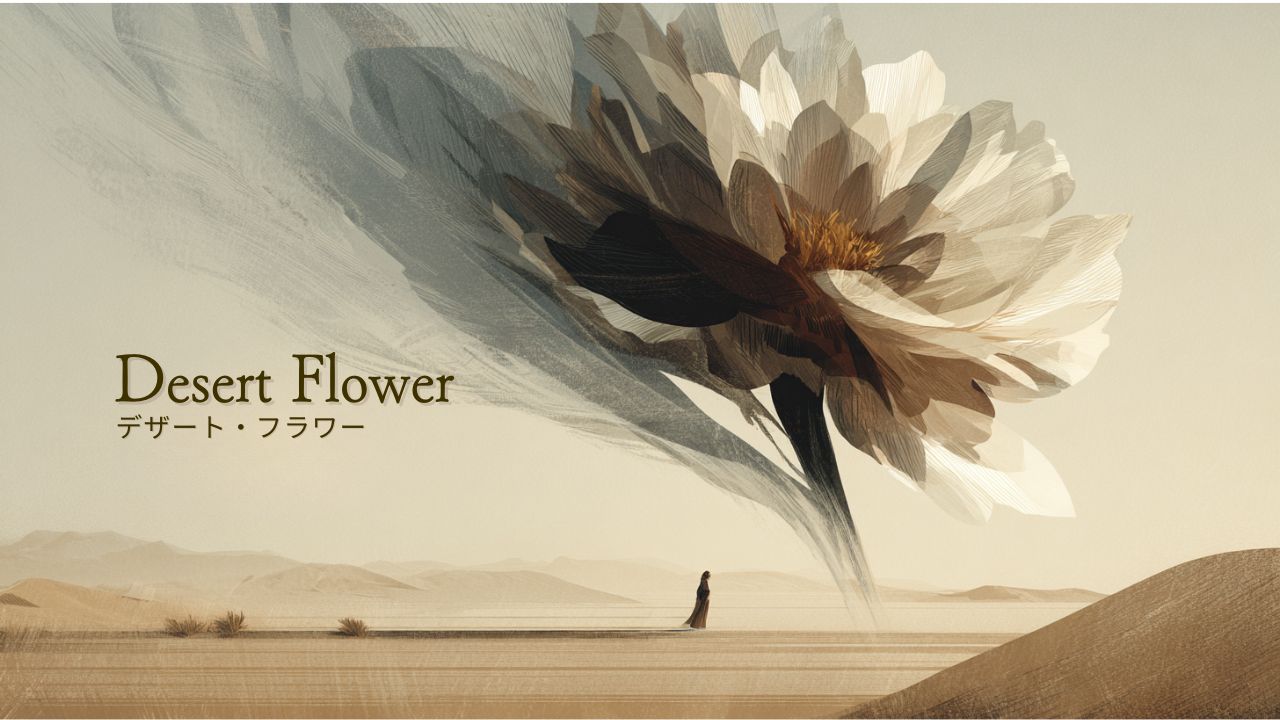
For this important commemorative day, Sherry Hormann’s 2009 Desert Flower (Wüstenblume) recommended. This work is biographical film starring Liya Kebede, based on autobiography of Somali-born supermodel Waris Dirie. Co-starring talented actors Sally Hawkins, Timothy Spall.
This film’s most important value: through real female activist’s life, revealing hidden FGM issue to world, powerfully depicting victims’ pain and courage, transformation possibility. Amazing life from girl born and raised in Somali desert, escaping forced marriage at 13, becoming homeless in London, eventually achieving success as international top model, finally raising voice for FGM eradication as UN Special Ambassador—moving story showing one woman’s courage can change world.
Basic Information & Synopsis
→ For synopsis and production information, see our Database Article
Director: Sherry Hormann
Year: 2009
Runtime: 120 minutes
Production: Desert Flower Film Production
Commemorative Day: International Day of Zero Tolerance to Female Genital Mutilation (February 6)
Synopsis: 1997, top model Waris Dirie (Liya Kebede) granted cover of Vogue magazine and BBC documentary. However, she carries painful past. Born in Somalia, underwent FGM at age 5. At 13, fled forced marriage to 60-year-old man, walked alone through desert to Mogadishu. Reached London as mother’s relative’s maid. Living as illegal immigrant, worked at McDonald’s, discovered by photographer. Became international top model. Film depicts Waris’s extraordinary journey through two timelines—childhood in Somalia and success in London—questioning: How can one woman’s voice change world? What price does courage demand? How can traditions rooted in culture transform?
Background Knowledge
Original Work: Waris Dirie’s Autobiography Desert Flower
Film’s original work is autobiography Desert Flower: The Extraordinary Journey of a Desert Nomad published 1998 by Waris Dirie co-authored with nonfiction writer Kathleen Miller. This book became international bestseller, selling over 11 million copies worldwide, translated into over 50 languages. Particularly in Germany sold 3 million copies, reached #1 on Der Spiegel bestseller list 1999.
This book’s success made FGM subject of international discussion, triggering legal framework progress in many countries.
Real Waris Dirie’s Activities
Real Waris Dirie served as UN Special Ambassador for FGM Eradication 1997-2003. In 2002, established “Desert Flower Foundation” in Vienna, continuing FGM eradication and FGM victim support activities.
Through her activities, 2006 European Union (EU) officially took up FGM countermeasures as agenda, many European countries strengthened laws, prevention measures initiated. 2007, invited to Arab satellite broadcaster Al Jazeera’s popular talk show, first time on Arab channel spoke about FGM taboo topic before over 100 million viewers.
2010, appointed “African Ambassador for Peace and Security” by African Union. She received numerous awards including 2007 French government’s Legion of Honour, 2019 Korea’s Sunhak Peace Prize.
Desert Flower Center Establishment
Waris’s foundation established medical centers for FGM victims across Europe:
- 2013: Opened world’s first comprehensive FGM treatment center at Berlin’s Waldfriede Hospital
- 2014: Established surgical training center in Amsterdam
- 2015: Opened Scandinavian center at Stockholm’s Karolinska University Hospital
- 2017: Opened center in Paris-Saint-Denis (visited by French President Macron December 2017)
These centers provide medical care, counseling, reconstructive surgery as needed for FGM victims.
Film Production Background
Film Desert Flower scripted and directed by German female director Sherry Hormann, produced by Oscar-winning producer Peter Herrmann. Ethiopian-born international supermodel Liya Kebede cast as lead because she herself from Africa, serving as WHO Goodwill Ambassador as maternal health activist.
Film received world premiere at Venice Film Festival September 2009, receiving standing ovation. Subsequently won Audience Award (Best European Film category) at San Sebastián Film Festival, won Best Film at Bavarian Film Awards 2010. Also nominated for German Film Award “Outstanding Feature Film” category.
True Story of Saving Young Waris Actress
Girl who played young Waris undergoing FGM scene in film, Safa Idris Noor, was girl from Djibouti. Still young during filming, her parents signed contract “never perform FGM on Safa” as condition for film appearance.
However, 2011, several years after film release, Waris received letter from girl. Letter from Safa, then around age 7, contained: “Grandmother performing many circumcisions at home, I heard girls screaming. Just like during film.” Family receiving pressure from neighborhood, began considering FGM implementation on Safa.
Waris immediately flew to Djibouti, discussed with family. Understanding breaking with tradition causing isolation from community, she supported family, persuaded father. Now, Safa’s father himself works as FGM eradication activist. This true story detailed in Waris’s book Saving Safa (2013).
Current FGM Situation
According to WHO and UNICEF’s 2024 estimates, approximately 230 million women and girls worldwide have undergone FGM (Africa 144 million, Asia 80 million, Middle East 6 million, others 1-2 million).
FGM primarily conducted in parts of Africa, Middle East, Asia, particularly showing high percentages in Somalia (98%), Guinea (97%), Djibouti (93%), Sierra Leone (90%), Mali (89%).
Despite international efforts, FGM eradication not progressing. Actually increased from 200 million in 2016 to 230 million in 2024, many countries showing stagnant or regressing progress.
What Makes It Exceptional
Power of True Story Itself
This film’s greatest strength lies not in cinematic techniques or directorial artistry but in overwhelming power of true story itself.
Waris Dirie’s life impossible to create as fiction. Girl born in Somali desert undergoing FGM at 5, escaping forced marriage at 13, walking alone through desert, reaching London, becoming homeless, discovered while working at McDonald’s, becoming international top model, finally standing as UN Special Ambassador—this trajectory so extraordinary that fiction would seem unbelievable.
However, this is real. This actually happened. One woman actually lived this life.
Film’s power comes from fact that audience knows “this is real.” Waris’s pain real pain. Her courage real courage. Her voice real voice changing world. This authenticity gives film emotional weight no fictional drama can match.
Particularly powerful is FGM scene. Young girl’s screaming, blood, pain—these aren’t dramatic exaggerations but reality millions of girls experience. Waris herself experienced this. Actress playing young Waris nearly experienced this. This reality makes scene not mere “shocking scene” but testimony demanding action.
One Woman’s Voice Actually Changed World
Film depicts not just Waris’s personal success story but concrete social change her courage brought.
Waris’s 1997 interview revealing her FGM experience became catalyst for international movement. Her autobiography selling 11 million copies worldwide made FGM—previously considered “cultural tradition” avoided discussion—subject of international human rights debate.
Through her activities, 2006 EU officially took up FGM countermeasures. Many European countries strengthened laws. Desert Flower Centers established in Berlin, Amsterdam, Stockholm, Paris providing medical care to thousands of FGM victims.
Even more miraculous: Safa, girl who played young Waris in film, saved from FGM. Safa’s father now works as FGM eradication activist. One woman’s courage created ripple effects changing other women’s lives.
Film shows this reality. Shows one person’s voice can actually change world. This isn’t feel-good message but documented fact.
Continuing Battle Depicted Honestly
Film doesn’t end with simple happy ending. Waris succeeded as model, became UN Ambassador, but FGM didn’t disappear.
Film’s final statistics show harsh reality: millions of girls still undergoing FGM annually. Battle far from over.
However, film also shows: change possible. Waris changed. Safa saved. Some communities abandoning tradition. Progress slow but real.
This honest depiction—showing both hope and ongoing difficulty—gives film lasting impact. Not entertainment to watch and forget but work demanding continued action.
Related Articles
- Desert Flower Database – Synopsis & Production Details
- Sherry Hormann – Filmmaker Profile
- Liya Kebede – Actor Profile
- Waris Dirie – Activist Profile
はじめに
ソマリアの遊牧民からトップモデルへ、FGM根絶を訴えた女性の勇気の物語
2月6日は、国連により2003年に制定された「女性器切除根絶のための国際デー」(International Day of Zero Tolerance to Female Genital Mutilation)です。この国際デーは、女性器切除(FGM: Female Genital Mutilation)という有害な慣習の根絶を目的としています。FGMは医学的理由のない女性器の部分的または全体的な切除であり、主にアフリカ、アジア、中東の一部の国々で行われてきました。ユニセフの2024年の推計によれば、世界で約2億3,000万人の女性と女児がFGMを受けており、その多くは5歳未満で施術されています。
この慣習は重大な健康被害をもたらします。施術時の激痛、大量出血、感染症、慢性的な痛み、排尿・月経時の困難、出産時の合併症、そして死亡に至るケースもあります。医学的利点は一切認められていません。それにもかかわらず、ジェンダー不平等、女性のセクシュアリティの統制、純潔・慎み・美に関する観念、宗教的信念などを背景に、この慣習は続けられてきました。
この重要な記念日に観る作品として、シェリー・ホーマン監督による2009年の『デザート・フラワー』(Desert Flower / Wüstenblume)を推奨します。本作は、リヤ・ケベデ主演の伝記映画で、ソマリア出身のスーパーモデル、ワリス・ディリーの自伝を原作としています。共演はサリー・ホーキンス、ティモシー・スポールなど実力派俳優が名を連ねています。
この映画の最も重要な価値は、実在の女性活動家の人生を通じて、FGMという隠されてきた問題を世界に明らかにし、被害者の痛みと勇気、そして変革の可能性を力強く描いている点です。ソマリアの砂漠で生まれ育った少女が、13歳で強制結婚から逃れ、ロンドンでホームレスとなり、やがて国際的なトップモデルとして成功を収め、最終的に国連特別大使としてFGM根絶のために声を上げるまでの驚くべき人生は、一人の女性の勇気が世界を変えうることを示す感動的な物語となっています。
基本情報・あらすじ
→ あらすじや製作情報はデータベース記事へ
監督: シェリー・ホーマン
製作年: 2009年
上映時間: 120分
制作: デザート・フラワー・フィルム・プロダクション
記念日: 女性器切除根絶のための国際デー(2月6日)
予備知識
原作:ワリス・ディリーの自伝『デザート・フラワー』
映画の原作は、ワリス・ディリーがノンフィクション作家キャスリーン・ミラーと共著で1998年に出版した自伝『Desert Flower: The Extraordinary Journey of a Desert Nomad』です。この本は国際的なベストセラーとなり、世界中で1,100万部以上を売り上げ、50以上の言語に翻訳されました。特にドイツでは300万部を売り上げ、1999年にシュピーゲル誌のベストセラーリストで第1位を獲得しました。
この本の成功により、FGMという問題が国際的な議論の対象となり、多くの国で法整備が進むきっかけとなりました。
実在のワリス・ディリーの活動
実在のワリス・ディリーは、1997年から2003年まで国連のFGM根絶特別大使を務めました。2002年には、ウィーンに「デザート・フラワー財団」(Desert Flower Foundation)を設立し、FGMの根絶とFGM被害者の支援活動を続けています。
彼女の活動により、2006年に欧州連合(EU)がFGM対策を正式な議題として取り上げ、多くのヨーロッパ諸国で法律が強化され、予防措置が開始されました。2007年には、アラブの衛星放送アルジャジーラの人気トークショーに招かれ、1億人以上の視聴者の前で、アラブのチャンネルでは初めてFGMというタブーな話題について語りました。
2010年には、アフリカ連合により「平和と安全のアフリカ大使」に任命されました。彼女は数多くの賞を受賞しており、その中には2007年のフランス政府からのレジオンドヌール勲章、2019年の韓国でのサンハク平和賞などが含まれます。
デザート・フラワー・センターの設立
ワリスの財団は、ヨーロッパ各地にFGM被害者のための医療センターを設立しています:
- 2013年:ベルリンのヴァルトフリーデ病院に世界初の包括的FGM治療センターを開設
- 2014年:アムステルダムに外科医療訓練センターを設立
- 2015年:ストックホルムのカロリンスカ大学病院にスカンジナビアセンターを開設
- 2017年:パリ・サンドニにセンターを開設(2017年12月にマクロン仏大統領が訪問)
これらのセンターでは、FGM被害者への医療ケア、カウンセリング、そして必要に応じた再建手術が提供されています。
映画の製作背景
映画『デザート・フラワー』は、ドイツの女性監督シェリー・ホーマンが脚本・監督を務め、オスカー受賞プロデューサーのペーター・ヘルマンが製作しました。エチオピア出身の国際的スーパーモデル、リヤ・ケベデが主演に抜擢されたのは、彼女自身がアフリカ出身であり、母子保健の活動家として WHO親善大使を務めていたためです。
映画は2009年9月にヴェネチア国際映画祭でワールドプレミアを迎え、スタンディングオベーションを受けました。その後、サンセバスティアン国際映画祭で観客賞(最優秀ヨーロッパ映画部門)を受賞し、2010年にはバイエルン映画賞で最優秀映画賞を獲得しました。ドイツ映画賞でも「優れた長編映画」部門にノミネートされました。
幼いワリス役の少女を救った実話
映画で幼いワリスがFGMを受ける場面を演じた少女、サファ・イドリス・ヌールは、ジブチ出身の女の子でした。撮影当時はまだ幼く、彼女の両親は映画出演の条件として「サファに決してFGMを施さない」という契約書に署名しました。
しかし、2011年、映画公開から数年後、ワリスは少女から手紙を受け取ります。当時7歳前後になっていたサファからの手紙には「祖母が家で多くの割礼を行っていて、女の子たちの叫び声を聞きました。映画の時と同じように」という内容が書かれていました。家族は近隣からの圧力を受け、サファへのFGM実施を検討し始めていたのです。
ワリスはすぐにジブチに飛び、家族と話し合いました。伝統との決別が地域社会からの孤立を招いていることを理解した彼女は、家族を支援し、父親を説得しました。今では、サファの父親自身がFGM根絶活動家として働いています。この実話は、ワリスの著書『Saving Safa』(2013年)に詳しく記されています。
FGMの現状
世界保健機関(WHO)とユニセフの2024年の推計によれば、世界で約2億3,000万人の女性と女児がFGMを受けています(アフリカ1億4,400万人、アジア8,000万人、中東600万人、その他100万〜200万人)。
FGMは主にアフリカ、中東、アジアの一部で行われており、特にソマリア(98%)、ギニア(97%)、ジブチ(93%)、シエラレオネ(90%)、マリ(89%)などで高い割合を示しています。
国際的な取り組みにもかかわらず、FGMの撲滅は進んでいません。実際、2016年の2億人から2024年には2億3,000万人へと増加しており、多くの国で進展が停滞または後退しています。
優れている点
実話そのものの強力さ
この映画の最大の強みは、映画技法や監督の芸術性ではなく、実話そのものの圧倒的な力にあります。
ワリス・ディリーの人生は、フィクションとして創作することが不可能です。ソマリアの砂漠で生まれ5歳でFGMを受け、13歳で強制結婚から逃れ、一人で砂漠を歩き、ロンドンに辿り着き、ホームレスとなり、マクドナルドで働きながら発見され、国際的なトップモデルになり、最終的に国連特別大使として立つ――この軌跡はあまりにも非凡で、フィクションなら信じられないと思われるでしょう。
しかし、これは現実です。実際に起こったことです。一人の女性が実際にこの人生を生きたのです。
映画の力は、観客が「これは現実だ」と知っているという事実から来ています。ワリスの痛みは本物の痛みです。彼女の勇気は本物の勇気です。彼女の声は世界を変えた本物の声です。この真実性が、どんなフィクション・ドラマも持ち得ない感情的な重みを映画に与えています。
特に強力なのは、FGMのシーンです。幼い少女の叫び声、血、痛み――これらは劇的な誇張ではなく、何百万もの少女たちが経験する現実です。ワリス自身がこれを経験しました。幼いワリスを演じた女優もこれを経験しかけました。この現実性が、シーンを単なる「ショッキングなシーン」ではなく、行動を要求する証言にしています。
一人の女性の声が実際に世界を変えた
映画はワリスの個人的な成功物語だけでなく、彼女の勇気がもたらした具体的な社会変化を描いています。
ワリスの1997年のインタビューでFGM体験を明かしたことは、国際的な運動のきっかけとなりました。彼女の自伝が世界中で1,100万部売れたことで、FGM――以前は「文化的伝統」として議論を避けられてきた――が国際的な人権議論の対象となりました。
彼女の活動を通じて、2006年にEUが正式にFGM対策を取り上げました。多くのヨーロッパ諸国が法律を強化しました。ベルリン、アムステルダム、ストックホルム、パリにデザート・フラワー・センターが設立され、何千人ものFGM被害者に医療ケアを提供しています。
さらに奇跡的なのは:映画で幼いワリスを演じた少女サファが、FGMから救われたことです。サファの父親は今、FGM根絶活動家として働いています。一人の女性の勇気が、他の女性たちの人生を変える波及効果を生み出したのです。
映画はこの現実を示しています。一人の声が実際に世界を変えられることを示しています。これは心地よいメッセージではなく、記録された事実です。
続く戦いを誠実に描く
映画は単純なハッピーエンドで終わりません。ワリスはモデルとして成功し、国連大使になりましたが、FGMは消えませんでした。
映画の最後の統計は厳しい現実を示します:毎年何百万もの少女たちがまだFGMを受けています。戦いはまだ終わっていません。
しかし、映画はまた示します:変化は可能です。ワリスは変わりました。サファは救われました。一部のコミュニティは伝統を放棄しています。進歩は遅いですが、現実です。
この誠実な描写――希望と続く困難の両方を示す――が、映画に永続的な影響を与えています。見て忘れる娯楽ではなく、継続的な行動を要求する作品です。