
Choose Your Language / 言語を選択:
Introduction
Hero’s Story Saving 75 Without Firing Single Shot
February 10, 1942, President Franklin D. Roosevelt awarded first Medal of Honor in World War II. Recipient was Second Lieutenant Alexander R. Nininger Jr.—young warrior who died after single-handedly charging Japanese positions at Battle of Bataan on January 12, 1942, killing at least 40 enemy soldiers with grenades and rifle. This Medal of Honor award became symbolic event giving hope and courage to American soldiers fighting in desperate situations.
Subsequently, numerous soldiers awarded Medal of Honor on Pacific and European fronts. And October 12, 1945, at large Medal of Honor ceremony held on White House lawn, President Harry S. Truman awarded Medal of Honor to one special soldier along with other recipients. That soldier, Desmond T. Doss, completely different type of hero from previous recipients—conscientious objector who never fired shot, didn’t even carry weapon, yet saved 75 lives at Hacksaw Ridge in Battle of Okinawa.
President Truman grasped Doss’s hand, stating: “I’m proud of you. You really deserve this. I consider this a greater honor than being President.”
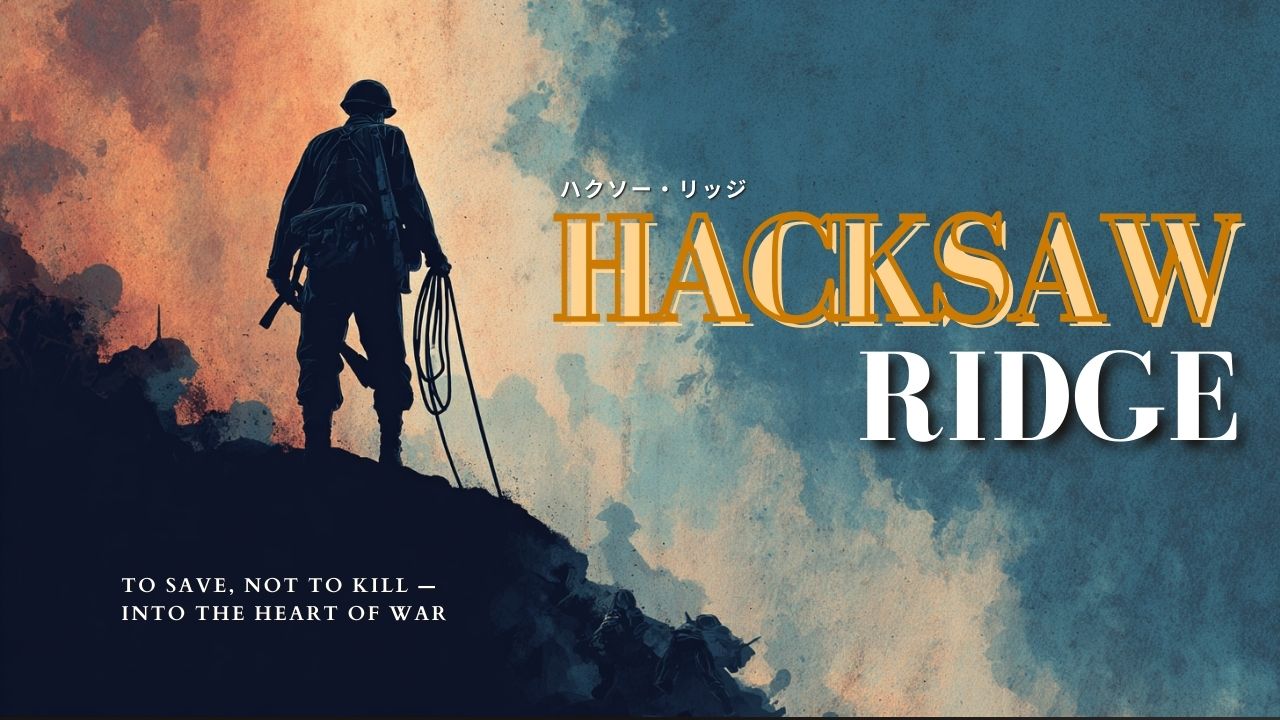
Mel Gibson’s Hacksaw Ridge (2016) biographical war film depicting this amazing true story of Desmond Doss. Andrew Garfield plays Doss, co-starring Sam Worthington, Luke Bracey, Teresa Palmer, Hugo Weaving, Rachel Griffiths, Vince Vaughn.
This work became film impressing Gibson’s “comeback” as director. He, whose career stagnated due to controversy, powerfully depicted themes of faith and violence again, receiving praise from both critics and fans.
Basic Information & Synopsis
→ For synopsis and production information, see our Database Article
Director: Mel Gibson
Year: 2016
Runtime: 139 minutes
Production: Cross Creek Pictures, Pandemonium Films
Commemorative Day: First WWII Medal of Honor Award Day (February 10)
Synopsis: Desmond Doss (Andrew Garfield), Seventh-day Adventist Christian from Lynchburg, Virginia, enlists after Pearl Harbor attack. However, due to religious conviction, refuses carrying weapon. Training camp comrades assault him, superior officers pressure him, faces court-martial. Only with father Tom’s (Hugo Weaving) intervention granted serving as unarmed medic. Deployed to Okinawa Battle’s Hacksaw Ridge, Desmond without weapon saves 75 wounded soldiers under hellish gunfire, winning comrades’ respect. Film questions: Can faith transcend violence? What’s true courage? How does one person’s conviction change world? Based on true story, depicting war’s horror and human courage.
Background Knowledge
Desmond Doss’s True Story
Desmond Thomas Doss born February 7, 1919, Lynchburg, Virginia. Second son of father William Thomas Doss (carpenter, WWI veteran) and mother Bertha Edward Doss, raised in Seventh-day Adventist church.
Home displayed framed “Ten Commandments” and “Lord’s Prayer,” Sixth Commandment “Thou shalt not kill” picture depicting Cain killing brother Abel. Young Desmond deeply moved by this, later stating: “Wondered how brother could do such thing. I understood Christ came to save life, chose life-saving medicine.” Furthermore, witnessing father drunkenly pointing gun at mother, this experience determined his conviction.
Desmond met Dorothy Schutte, selling Adventist books from Richmond at Lynchburg church, fell in love. August 17, 1942, they married (film depicts missing wedding due to court-martial, but actually marriage occurred before active duty).
April 1942, Desmond drafted. Shipyard draft deferment possible, but chose serving country. However, as unarmed medic. Assigned to 77th Infantry Division at Fort Jackson, South Carolina, Desmond refusing rifle and Saturday training faced intense persecution. Not yielding to comrade assaults, superior pressure, finally with church War Service Committee intervention, permitted serving as unarmed medic.
Battle of Okinawa and Hacksaw Ridge History
Battle of Okinawa Background
Battle of Okinawa (Operation Iceberg) lasted April 1 to June 23, 1945, Pacific War’s largest-scale amphibious operation. US forces tried securing Okinawa as forward base for Japan mainland invasion, Japanese forces tried defending Okinawa to death as homeland defense’s last fortress.
This battle called “Typhoon of Steel” for ferocity, causing enormous casualties both sides:
- US casualties: approximately 82,000 (approximately 12,000 deaths)
- Japanese military deaths: approximately 110,000
- Okinawan civilian casualties: approximately 100,000 (estimated)
Maeda Escarpment (Hacksaw Ridge)
Maeda Escarpment cliff near Urasoe Village (current Urasoe City) on Okinawa Main Island. US 96th Division called it “Maeda Escarpment,” 77th Division named it “Hacksaw Ridge” for summit’s devastated terrain.
This highland important stronghold of Japanese military’s Shuri defense line, maze-like tunnels and fortresses constructed underground over years. Cliff approximately 120 meters (400 feet) high, upper 35 feet overhanging, American soldiers needing cargo nets to climb.
April 26 to early May, Maeda Escarpment offensive-defensive particularly fierce, repeatedly American forces capturing summit then pushed back by Japanese counterattacks. 77th Division’s 307th Regiment deployed during this most intense period.
Road to Film Adaptation
Desmond Doss film project in development for 14 years. 2001, screenwriter-producer Gregory Crosby (Bing Crosby’s grandson) finally persuaded Doss himself, obtained film rights. 2004, documentary director Terry Benedict produced documentary about Doss The Conscientious Objector, simultaneously securing feature film rights. However, Doss died 2006, project long stagnated.
November 2014, finally Mel Gibson agreed directing. Gibson refused offer twice, but accepted this work as opportunity to again depict violence and faith fusion shown in The Passion of the Christ (2004). Same month, Andrew Garfield determined as Desmond Doss.
With $40 million budget, this work became US-Australia international co-production. Principal photography March 9 to May 3, 2015 in Germany, Austria, UK, Australia. Film premiered at Sundance Film Festival January 26, 2016, released in US November 4, 2016.
What Makes It Exceptional
Andrew Garfield’s Performance
Andrew Garfield magnificently plays Desmond Doss, man of conviction. He naturally fuses contradictory elements—gentleness and strength, faith and fear, pacifism and courage—depicting Desmond not as mere saint but flesh-and-blood human.
Garfield perfectly mastered Desmond’s Southern accent, reproducing distinctive mannerisms and expressions. Actual Desmond Doss Jr. (Desmond’s son) served as film consultant, highly praising Garfield’s performance.
Particularly impressive are Garfield’s eyes playing Desmond. His eyes hold firm conviction while simultaneously understanding anguish his choice brings to surroundings. Scene assaulted by comrades at training camp, scene asserting conviction at court-martial, scene saving wounded soldiers one after another at Hacksaw Ridge—Garfield convincingly expresses Desmond’s internal conflict and determination each moment.
This performance nominated Garfield for Academy Award Best Actor, Golden Globe Award, BAFTA Award.
Mel Gibson’s Direction
Hacksaw Ridge became work impressing Mel Gibson’s “comeback” as director. Gibson, whose Hollywood career stagnated after 2006 due to controversy, again proved ability as excellent filmmaker with this work.
Gibson’s direction skillfully combines two contrasting elements—gentleness and violence, silence and chaos, faith and fear. Film’s first half slowly carefully depicts Desmond’s conviction formation through family life, romance, training. Then second half, Hacksaw Ridge combat scenes, Gibson vividly depicts relentless violence.
This violence depiction not mere spectacle. Gibson emphasizes how courageous Desmond’s choice—decision standing on battlefield without weapon—by conveying war’s true horror to audience. Soldiers burned by flamethrowers, bodies torn apart, battlefield covered in mud and blood—these images thoroughly refuse war glorification.
Gibson also depicts Desmond’s faith without being preachy. Desmond doesn’t preach. He just lives following his conviction. And that way of living changes surrounding people.
Supporting Cast Performances
Vince Vaughn (Sergeant Howell)
Vince Vaughn, known as comedian, plays strict foul-mouthed sergeant, showing unexpected depth. Sergeant Howell initially despises Desmond as “coward,” but eventually changes attitude witnessing his courage. Vaughn convincingly plays this change.
Sam Worthington (Captain Glover)
Captain Glover one of people most strongly opposing Desmond, ultimately becomes his most powerful supporter. Worthington convincingly plays commander struggling between military duty and respecting one human’s conviction.
Hugo Weaving (Tom Doss)
Desmond’s father Tom complex figure suffering WWI trauma and alcoholism. Weaving delicately plays violent yet deeply loving father, adding emotional weight to film.
Teresa Palmer (Dorothy Schutte)
Palmer charmingly plays Dorothy unconditionally believing and supporting Desmond. Her presence becomes one reason Desmond survives battlefield.
Consideration for Historical Accuracy
Filmmakers努力 depicting Desmond Doss’s story as accurately as possible. Desmond Doss Jr. participated as consultant, ensuring detail accuracy.
Of course, film performs slight dramatization—for example, episode of Desmond missing wedding is creation. However, core events—Desmond’s conviction, training camp persecution, Hacksaw Ridge heroic acts—based on historical records.
Using actual Desmond Doss interview footage at film’s end particularly effective. Audience strongly impressed that events depicted in film not mere fiction but true story of real person.
Related Articles
- Hacksaw Ridge Database – Synopsis & Production Details
- Mel Gibson – Filmmaker Profile
- Andrew Garfield – Actor Profile
はじめに
一発も撃たずに75名を救った英雄の物語
1942年2月10日、フランクリン・D・ルーズベルト大統領は、第二次世界大戦で最初の名誉勲章を授与しました。受章者はアレクサンダー・R・ニンガー少尉(Alexander R. Nininger Jr.)——1942年1月12日、フィリピンのバターンの戦いで、日本軍陣地に単独で突撃し、手榴弾とライフルで少なくとも40名の敵兵を倒した後、戦死した若き勇士でした。この名誉勲章授与は、絶望的な戦況の中で戦うアメリカ兵たちに希望と勇気を与える象徴的な出来事となりました。
その後も、太平洋戦線とヨーロッパ戦線で数多くの兵士たちが名誉勲章を授与されました。そして1945年10月12日、ホワイトハウスの芝生で行われた大規模な名誉勲章授与式で、ハリー・S・トルーマン大統領は、他の受章者たちとともに、一人の特別な兵士に名誉勲章を授与しました。その兵士、デズモンド・ドス(Desmond T. Doss)は、これまでの受章者とは全く異なる種類の英雄でした——彼は一発も撃たず、武器すら持たなかった良心的兵役拒否者でありながら、沖縄戦のハクソー・リッジで75名の命を救ったのです。
トルーマン大統領はドスの手を握り、こう語りました。「君を誇りに思う。君は本当にこれを受け取るに値する。私はこれを大統領であることよりも大きな名誉だと思う」
メル・ギブソン監督による『ハクソー・リッジ』(Hacksaw Ridge, 2016年)は、このデズモンド・ドスの驚くべき実話を映画化した伝記戦争映画です。アンドリュー・ガーフィールドがドスを演じ、サム・ワーシントン、ルーク・ブレイシー、テレサ・パーマー、ヒューゴ・ウィーヴィング、レイチェル・グリフィス、ヴィンス・ヴォーンが共演しています。
本作は、ギブソンの監督としての「復活」を印象づける作品となりました。論争によってキャリアが低迷していた彼が、信仰と暴力という彼のテーマを再び力強く描き出し、批評家とファンの両方から称賛を受けたのです。
基本情報・あらすじ
→ あらすじや製作情報はデータベース記事へ
監督: メル・ギブソン
製作年: 2016年
上映時間: 139分
制作: クロス・クリーク・ピクチャーズ、パンデモニウム・フィルムズ
記念日: 第二次世界大戦初の名誉勲章授与記念日(2月10日)
あらすじ: バージニア州リンチバーグ出身のセブンスデー・アドベンチスト教徒デズモンド・ドス(アンドリュー・ガーフィールド)は、真珠湾攻撃後に入隊します。しかし、宗教的信念により武器携帯を拒否します。訓練キャンプの仲間は彼を暴行し、上官は圧力をかけ、軍法会議に直面します。父トム(ヒューゴ・ウィーヴィング)の介入でようやく武器を持たない衛生兵として従軍を認められます。沖縄戦のハクソー・リッジに配備され、デズモンドは武器なしで地獄のような銃火の下で75名の負傷兵を救い、仲間たちの尊敬を勝ち取ります。映画は問いかけます:信仰は暴力を超えられるのか? 真の勇気とは何か? 一人の信念はどう世界を変えるのか? 実話に基づき、戦争の恐怖と人間の勇気を描きます。
予備知識
デズモンド・ドスの実話
デズモンド・トーマス・ドス(Desmond Thomas Doss)は、1919年2月7日、バージニア州リンチバーグで生まれました。父ウィリアム・トーマス・ドス(大工、第一次世界大戦退役軍人)と母バーサ・エドワード・ドスの次男として、セブンスデー・アドベンチスト教会で育ちました。
家には「十戒」と「主の祈り」が描かれた額が飾られており、第六戒「汝、殺すなかれ」の絵には、カインが弟アベルを殺す場面が描かれていました。幼いデズモンドはこれに深く心を動かされ、「どうして兄弟がそんなことをできるのか不思議に思った。私はキリストが命を救うために来られたと理解し、命を救う医療を選んだ」と後に語っています。さらに、父が酒に酔って母に拳銃を向けた事件を目撃し、この経験が彼の信念を決定づけました。
デズモンドはリンチバーグの教会で、リッチモンドからアドベンチスト書籍を販売に来ていたドロシー・シュート(Dorothy Schutte)と出会い、恋に落ちます。1942年8月17日、二人は結婚しました(映画では軍法会議のために結婚式に間に合わなかったと描かれていますが、実際には結婚は現役に就く前に行われました)。
1942年4月、デズモンドは徴兵されました。造船所での徴兵延期も可能でしたが、国のために尽くすことを選びます。ただし、武器を持たない衛生兵としてです。サウスカロライナ州フォート・ジャクソンで第77歩兵師団に配属されたデズモンドは、ライフルを持つことと土曜日の訓練を拒否したため、激しい迫害を受けました。仲間からの暴行、上官からの圧力にも屈せず、最終的に教会の戦時サービス委員会の介入により、武器を持たない衛生兵として従軍することが認められました。
沖縄戦とハクソー・リッジの歴史
沖縄戦の背景
沖縄戦(Operation Iceberg)は、1945年4月1日から6月23日まで続いた、太平洋戦争最大規模の上陸作戦でした。アメリカ軍は日本本土侵攻の前哨基地として沖縄を確保しようとし、日本軍は本土防衛の最後の砦として沖縄を死守しようとしました。
この戦いは「鋼鉄の暴風」(Typhoon of Steel)と呼ばれるほど激烈で、双方に甚大な犠牲をもたらしました:
- アメリカ軍死傷者:約82,000名(死者約12,000名)
- 日本軍死者:約110,000名
- 沖縄住民犠牲者:約100,000名(推定)
前田高地(ハクソー・リッジ)
前田高地は沖縄本島の浦添村(現在の浦添市)近郊にある断崖です。アメリカ軍第96師団はこれを「マエダ・エスカープメント」(Maeda Escarpment)と呼び、第77師団は頂上の荒廃した地形から「ハクソー・リッジ」(Hacksaw Ridge = のこぎりの尾根)と名付けました。
この高地は、日本軍の首里防衛線の重要な要衝であり、何年もかけて地下に迷路のようなトンネルと要塞が構築されていました。高さ約120メートル(400フィート)の断崖で、上部35フィートがオーバーハング(張り出し)になっており、アメリカ兵は貨物ネットを使って登る必要がありました。
4月26日から5月初旬にかけて、前田高地の攻防戦は特に激しく、何度もアメリカ軍が頂上を奪取しては日本軍の反撃で押し戻されるという攻防が繰り返されました。第77師団第307連隊が投入されたのは、この最も激しい時期でした。
映画化の道のり
デズモンド・ドスの映画化プロジェクトは、14年間も開発段階にありました。2001年、脚本家・プロデューサーのグレゴリー・クロスビー(ビング・クロスビーの孫)が、ようやくドス本人を説得して映画化の権利を得ました。2004年、ドキュメンタリー監督テリー・ベネディクトがドスに関するドキュメンタリー『The Conscientious Objector』を制作し、同時に劇映画の権利も確保しました。しかし、2006年にドスが亡くなり、プロジェクトは長く停滞しました。
2014年11月、ついにメル・ギブソンが監督を引き受けることに同意しました。ギブソンは2度オファーを断っていましたが、『パッション』(The Passion of the Christ, 2004年)で見せた暴力と信仰の融合を再び描く機会として、本作を受け入れました。同月、アンドリュー・ガーフィールドがデズモンド・ドス役に決定しました。
製作費4,000万ドルで、本作はアメリカとオーストラリアの国際共同製作となりました。主要撮影は2015年3月9日から5月3日まで、ドイツ、オーストリア、イギリス、オーストラリアで行われました。映画は2016年1月26日にサンダンス映画祭でワールドプレミアを迎え、アメリカでは2016年11月4日に公開されました。
優れている点
アンドリュー・ガーフィールドの演技
アンドリュー・ガーフィールドは、デズモンド・ドスという信念の人を見事に演じきっています。彼は、優しさと強さ、信仰と恐怖、平和主義と勇気という相反する要素を自然に融合させ、デズモンドを単なる聖人ではなく、血の通った人間として描き出しています。
ガーフィールドはデズモンドの南部訛りを完璧にマスターし、その独特の身のこなしや表情を再現しています。実際のデズモンド・ドス・ジュニア(デズモンドの息子)は映画のコンサルタントを務め、ガーフィールドの演技について高く評価しています。
特に印象的なのは、ガーフィールドが演じるデズモンドの目です。彼の目には、確固たる信念と同時に、自分の選択が周囲にもたらす苦悩への理解が宿っています。訓練キャンプで仲間から暴行を受けるシーン、軍法会議で自分の信念を主張するシーン、そしてハクソー・リッジで負傷兵を次々と救うシーン——ガーフィールドは、それぞれの瞬間にデズモンドの内面の葛藤と決意を説得力を持って表現しています。
この演技により、ガーフィールドはアカデミー主演男優賞、ゴールデングローブ賞、BAFTA賞にノミネートされました。
メル・ギブソンの演出
『ハクソー・リッジ』は、メル・ギブソンの監督としての「復活」を印象づける作品となりました。2006年以降、論争によってハリウッドでのキャリアが低迷していたギブソンでしたが、本作で彼は再び優れた映画作家としての実力を証明しました。
ギブソンの演出は、二つの対照的な要素を巧みに組み合わせています——優しさと暴力、静寂と混沌、信仰と恐怖。映画の前半は、デズモンドの家族生活、ロマンス、訓練を通じて、彼の信念の形成をゆっくりと丁寧に描きます。そして後半、ハクソー・リッジの戦闘シーンでは、ギブソンは容赦ない暴力を生々しく描き出します。
この暴力描写は、単なるスペクタクルではありません。ギブソンは、戦争の真の恐怖を観客に伝えることで、デズモンドの選択——武器を持たずに戦場に立つという決断——がいかに勇敢であったかを強調しています。火炎放射器で焼かれる兵士、バラバラになる肉体、泥と血にまみれた戦場——これらの映像は、戦争の美化を徹底的に拒否しています。
ギブソンはまた、デズモンドの信仰を押しつけがましくなく描いています。デズモンドは説教をしません。彼はただ自分の信念に従って生きるだけです。そしてその生き方が、周囲の人々を変えていきます。
サポートキャストの演技
ヴィンス・ヴォーン(ハウエル軍曹)
コメディアンとして知られるヴィンス・ヴォーンは、厳格で口の悪い軍曹を演じ、予想外の深みを見せています。ハウエル軍曹は当初、デズモンドを「臆病者」として軽蔑しますが、やがて彼の勇気を目の当たりにして態度を変えます。ヴォーンは、この変化を説得力を持って演じています。
サム・ワーシントン(グローバー大尉)
グローバー大尉は、デズモンドを最も強く反対した人物の一人ですが、最終的には彼の最も強力な支持者となります。ワーシントンは、軍人としての義務と、一人の人間の信念を尊重することの間で葛藤する指揮官を説得力を持って演じています。
ヒューゴ・ウィーヴィング(トム・ドス)
デズモンドの父トムは、第一次世界大戦のトラウマとアルコール依存症に苦しむ複雑な人物です。ウィーヴィングは、暴力的でありながらも息子を深く愛する父親を繊細に演じ、映画に感情的な重みを加えています。
テレサ・パーマー(ドロシー・シュート)
パーマーは、デズモンドを無条件に信じ、支え続けるドロシーを魅力的に演じています。彼女の存在は、デズモンドが戦場で生き延びる理由の一つとなっています。
歴史的正確性への配慮
映画製作者たちは、デズモンド・ドスの物語を可能な限り正確に描こうと努力しました。デズモンド・ドス・ジュニアがコンサルタントとして参加し、細部の正確性を確保しました。
もちろん、映画は若干の脚色を行っています——例えば、デズモンドが結婚式に間に合わなかったというエピソードは創作です。しかし、核心となる出来事——デズモンドの信念、訓練キャンプでの迫害、ハクソー・リッジでの英雄的行為——は、歴史的記録に基づいています。
映画の最後に実際のデズモンド・ドスのインタビュー映像を使用したことは、特に効果的です。観客は、映画で描かれた出来事が単なるフィクションではなく、実在の人物の実話であることを強く印象づけられます。