
Choose Your Language / 言語を選択:
Introduction
“We Didn’t Fight Enemy. We Fought Ourselves”
March 29 “National Vietnam War Veterans Day.”
March 29, 1973, US Military Assistance Command Vietnam (MACV) dismantled, last US military combat units withdrew Vietnam. Same day, “Operation Homecoming” completed, last 591 POWs repatriated America.
9-year war put period this day. However, returning soldiers awaiting not blessings. Nation-dividing war anger and shame—many veterans spat on streets, cursed “baby killers,” carrying unspeakable memories alone, lived lonely decades.
This memorial day established (2012 Obama presidential proclamation, 2017 Trump officially legislated) breaking that long silence—”You have stories deserving telling. We have obligation listening.”
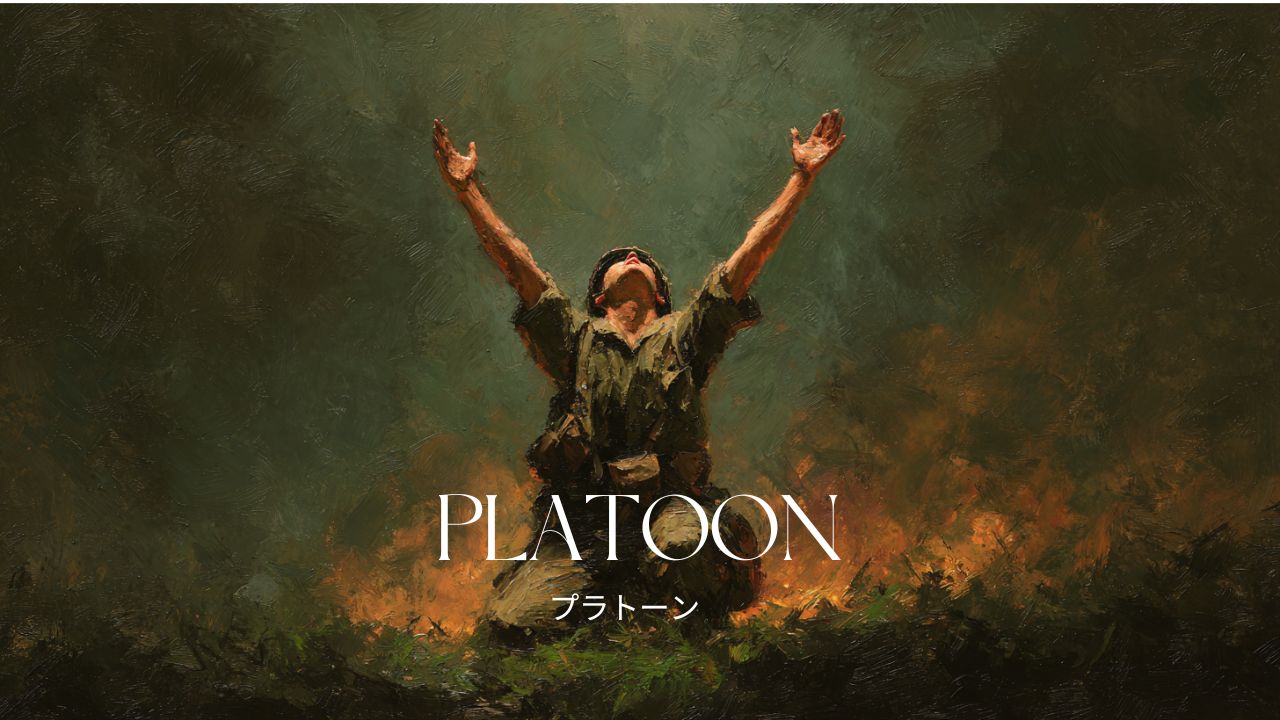
For this special day, recommending Oliver Stone director’s 1986 film Platoon.
This work first Hollywood film actually Vietnam War experienced director wrote and shot—not veteran memory but experience. Set 1967-68 Vietnam, through new recruit Chris Taylor’s (Charlie Sheen) eyes depicted not heroic tale nor anti-war message but “what happened there” record: mud, blood, fear, guilt.
This work 59th Academy Awards won Best Picture, Best Director, Best Film Editing, Best Sound 4 categories. Roger Ebert called “1986’s finest film,” evaluated “perhaps best film among all Vietnam War works.” Rotten Tomatoes 89%, Metacritic 92 points (“universal acclaim”).
Basic Information & Synopsis
→ For synopsis and production information, see our Database Article
Director: Oliver Stone
Year: 1986
Runtime: 120 minutes
Production: Hemdale Film Corporation, Cinema 86
Commemorative Day: National Vietnam War Veterans Day (March 29)
Background Knowledge
Oliver Stone and Vietnam
Most important fact understanding this work: director Oliver Stone actual Vietnam veteran.
Stone dropped Yale University, 1967 enlisted army deployed Vietnam. Infantry 15 months participated combat, twice wounded received Purple Heart, brave action Bronze Star. After returning, spent nearly 10 years writing screenplay, every studio continued declining production.
“College dropout volunteering reason, first day felt fear, village events, comrade deaths—all my actual experience or witnessed actual experience,” Stone states. Barnes and Elias based two real sergeants, Chris Stone’s own projection.
Academy Awards ceremony Stone stated—”Through this award, you recognizing Vietnam veterans. And saying first time truly, understanding what happened there.” Those words, venue veterans shed tears.
Hell Boot Camp
Before filming, Stone imposed real military training entire cast. Military advisor Dale Dye (film played Captain Harris) guidance, 2-week boot camp—Philippines jungle marching, trench digging, rain camping, food restriction.
Charlie Sheen stated “lost 10 pounds one week before filming,” Willem Dafoe recalled “after filming finished, for while, felt really returned from battlefield.”
Stone intended cast exhausted, actually experiencing sleeplessness, hunger, discomfort—”emotion cannot create. Born from physical reality.”
This work features 22-year-old Johnny Depp as major supporting role (soldier Lerner)—Depp’s first major film role.
Vietnam War Film Lineage Position
Before this work’s 1986 release, most Hollywood films handling Vietnam took different approaches. Rambo: First Blood Part II (1985) revenge fantasy “fight again could win this time.” Apocalypse Now (1979) depicted war as existential-philosophical quest. The Deer Hunter (1978) focused post-return psychological destruction.
However none “Vietnam seen through eyes soldiers actually there battlefield.” Stone brought that perspective—no heroes no demons, just infantry advancing jungle perspective.
After release, Vietnam veterans rushed theaters. Many stated “first time our experience honestly visualized,” some screening venues PTSD attacks reported. Veterans memories couldn’t find words finally given form—that this work’s social role.
What Makes It Exceptional
Ground Zero Level Perspective
This work doesn’t overlook.
General’s operations room, politician’s speech, anti-war demonstration crowds don’t appear film. Perspective always ground—height Chris crawls mud. Enemy invisible. Order meaning unknown. Why someone died here unknown.
This “unknown” state battlefield reality Stone states. Film’s filming style similar, battle scene cameras always shake, flee, confuse—shot from where unknown, soldier’s perception confusion, imagery embodies.
Beyond Barnes-Elias Dichotomy
This work’s superficial structure good-evil dichotomy—good Elias vs evil Barnes. However Stone consciously avoids that simplification.
Barnes not “bad person.” He acts own logic keeping subordinates alive. “You don’t kill you get killed. That’s all”—these words cruel but not lies. Barnes’ logic functions inside jungle.
Elias also not “saint.” Smokes marijuana, ignores rules, yet doesn’t abandon humanity—he continues ethical not because special strength but continues choosing.
Chris torn between these two veterans most empathized point—”inside me also had both Barnes and Elias.”
Silence Usage
This work extremely restrained music usage—battle scenes no grand orchestra flows. Instead heard: insect voices, distant explosion sounds, rain, and silence.
Samuel Barber’s “Adagio for Strings” used several times, each time linking death and grief scenes, engraving film’s heaviest moments memory. Not using music doubles moment music used weight—Stone’s calculated choice.
Related Articles
- Platoon Database – Synopsis & Production Details
- Oliver Stone – Filmmaker Profile
- Charlie Sheen – Actor Profile
はじめに
「私たちは敵と戦ったのではなかった。私たち自身と戦っていた」
3月29日は、「ナショナル・ベトナム戦争ベテランズ・デー(National Vietnam War Veterans Day)」です。
1973年3月29日、米軍支援司令部ベトナム(MACV)が解体され、最後の米軍戦闘部隊がベトナムから撤退しました。同日、「オペレーション・ホームカミング」が完了し、最後の591名の捕虜がアメリカへ送還されました。
9年間の戦争が、この日に一区切りをつけました。しかし帰還した兵士たちを待っていたのは、祝福ではありませんでした。国中を引き裂いた戦争への怒りと羞恥——多くの帰還兵が路上で唾を吐きかけられ、「ベイビーキラー」と罵倒され、誰にも語れない記憶を抱えたまま、何十年も孤独に生きました。
この記念日が制定された(2012年のオバマ大統領宣言、2017年にトランプ大統領が正式に法制化)のは、その長年の沈黙を破るためでした——「あなたたちは、語るべき話を持っている。それを聞く義務が、私たちにはある」。
この特別な日に観る作品として、オリバー・ストーン監督による1986年の映画『プラトーン』(Platoon)をお薦めします。
本作は、ベトナム戦争を実際に経験した監督が書き、撮った最初のハリウッド映画です——帰還兵の記憶ではなく、経験として。1967〜68年のベトナムを舞台に、新兵クリス・テイラー(チャーリー・シーン)の目を通して描かれるのは、英雄譚でも反戦メッセージでもなく、「あそこで何が起きたか」という、泥と血と恐怖と罪の記録です。
本作は第59回アカデミー賞で作品賞・監督賞・編集賞・音響賞の4部門を受賞。ロジャー・イーバートは「1986年最高の映画」と呼び、「ベトナム戦争に関するあらゆる作品の中で最もすぐれた映画かもしれない」と評しました。Rotten Tomatoesで89%、Metacriticで92点(「満場一致の絶賛」)を獲得しています。
基本情報・あらすじ
→ あらすじや製作情報はデータベース記事へ
監督: オリバー・ストーン
製作年: 1986年
上映時間: 120分
制作: Hemdale Film Corporation、Cinema 86
記念日: ナショナル・ベトナム戦争ベテランズ・デー(3月29日)
予備知識
オリバー・ストーンとベトナム
本作を理解する上で最も重要な事実は、監督のオリバー・ストーンが実際のベトナム帰還兵であるということです。
ストーンはイェール大学を中退し、1967年に陸軍に入隊してベトナムに派遣されました。歩兵として15ヶ月にわたり実戦に参加し、二度の負傷でパープルハート章(紫心章)を、また勇敢な行動に対して銅星章(ブロンズスター)を受章しています。帰国後、彼は10年近くかけてこの脚本を書きましたが、どのスタジオも製作を断り続けました。
「大学を中退して志願した理由、初日に感じた恐怖、村での出来事、仲間の死——すべては私の実体験か、私が目撃した実体験だ」とストーンは言っています。バーンズとエライアスは実在した二人の軍曹を元にしており、クリスはストーン自身の投影です。
アカデミー賞授賞式でストーンは語りました——「この賞を通じて、あなたたちはベトナム帰還兵たちを認めている。そして初めて本当に、あそこで何が起きたかを理解したと言っている」。その言葉に、会場の帰還兵たちが涙を流しました。
地獄のブートキャンプ
撮影前、ストーンはキャスト全員に本物の軍事訓練を課しました。軍事顧問デイル・ダイ(映画ではハリス大尉を演じた)の指導のもと、2週間のブートキャンプ——フィリピンのジャングルでの行軍、塹壕掘り、雨の中での野宿、食料制限。
チャーリー・シーンは「撮影前に一週間で10ポンド痩せた」と語り、ウィレム・デフォーは「撮影が終わった後、しばらくの間、自分が本当に戦場から帰ってきた気分だった」と振り返っています。
ストーンはキャストが疲弊し、不眠と空腹と不快感を実際に経験することを意図していました——「感情は作れない。肉体的な現実から生まれる」。
本作には主要脇役として22歳のジョニー・デップが出演しています(兵士レナー役)——デップにとって初の主要映画役です。
ベトナム戦争映画の系譜における位置づけ
本作が公開された1986年以前、ベトナムを扱ったハリウッド映画の多くは、別のアプローチを取っていました。『ランボー2』(1985年)は「もう一度戦えば今度は勝てる」というリベンジ・ファンタジーでした。『地獄の黙示録』(1979年)は戦争を存在論的・哲学的な探求として描きました。『ディア・ハンター』(1978年)は帰還後の心理的破壊に焦点を当てました。
しかしどれも「実際に戦場にいた兵士の目で見たベトナム」ではありませんでした。ストーンが持ち込んだのは、その視点——英雄も悪魔もなく、ただジャングルを進む歩兵の視点です。
公開後、ベトナム帰還兵たちは映画館に殺到しました。多くが「初めて自分たちの経験が正直に映像化された」と語り、一部の上映会場ではPTSDの発作が起きたとも伝えられています。帰還兵たちは言葉を持てなかった記憶に、ようやく形が与えられた——それが本作の社会的な役割でした。
優れている点
地上高度ゼロの視点
本作は、俯瞰しません。
将軍の作戦室も、政治家の演説も、反戦デモの群衆も、映画には登場しません。視点は常に地面——クリスが泥の中に這いつくばる高さです。敵が見えない。命令の意味がわからない。なぜここで誰かが死んだのかわからない。
この「わからない」状態が、戦場の実態だとストーンは言います。映画の撮影スタイルも同様で、戦闘シーンのカメラは常に揺れ、逃げ回り、混乱します——どこから撃たれているかわからない、という兵士の認識の混乱を、映像が体現します。
バーンズとエライアスの二項対立を越えて
本作の表面的な構造は、善悪の二項対立です——善のエライアスvs悪のバーンズ。しかしストーンはその単純化を意識的に避けています。
バーンズは「悪い人間」ではありません。彼は部下たちを生かすために、自分なりの論理で行動しています。「お前が殺さなければお前が殺される。それだけだ」——この言葉は残酷ですが、嘘ではありません。バーンズの論理はジャングルの中では機能します。
エライアスもまた、「聖人」ではありません。大麻を吸い、規則を無視し、しかし人間性を捨てない——彼が倫理的であり続けられるのは、何か特別な強さがあるからではなく、選択し続けているからです。
この二人の間で引き裂かれるクリスの姿が、帰還兵たちが最も共感したポイントでした——「自分の中にも、バーンズとエライアスが両方いた」。
静寂の使い方
本作は音楽の使い方が極めて節制されています——戦闘シーンに壮大なオーケストラは流れません。代わりに聞こえるのは、虫の声、遠くの爆発音、雨、そして沈黙。
サミュエル・バーバーの「アダージョ・フォー・ストリングス」が数回使われますが、そのたびに死と悲嘆の場面と結びつき、映画の最も重い瞬間を記憶に刻みます。音楽を使わないことで、音楽が使われる瞬間の重みが倍加する——ストーンの計算された選択です。
関連記事
- プラトーン データベース – あらすじ・製作情報
- オリバー・ストーン – 監督プロフィール
- チャーリー・シーン – 俳優プロフィール