
Choose Your Language / 言語を選択:
Introduction
When World Left, One Man Didn’t Close Door
April 7 “International Day of Reflection on the 1994 Genocide against the Tutsi in Rwanda.”
2003, UN General Assembly adopted resolution A/RES/58/234, established April 7 as official memorial day. 2018 resolution revised, officially specified “Genocide against Tutsi”—part word-level battle not permitting genocide denial and historical revisionism. Memorial day name itself resistance against denial and revisionism.
April 7, 1994, Rwanda President Juvénal Habyarimana assassination triggered, Hutu extremist regime’s systematic Tutsi massacre began. Over 100 days, over 1 million Tutsi systematically killed, moderate Hutu opposing massacre also lost lives. One late 20th century’s largest genocides.
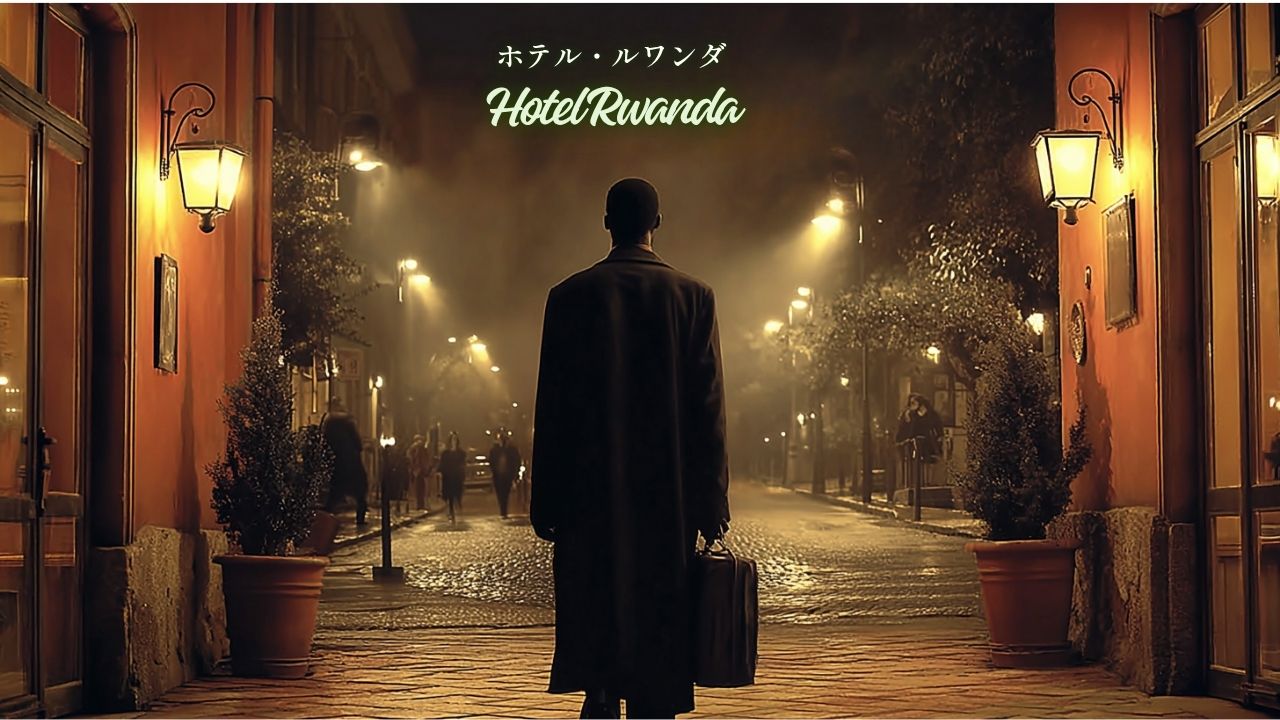
For this memorial day, recommending Terry George director’s 2004 film Hotel Rwanda.
This work story set Rwanda capital Kigali luxury hotel “Mille Collines (Thousand Hills Hotel).” Based true story Hutu manager Paul Rusesabagina protecting 1,268 lives fled hotel amid genocide storm. Stage solely this hotel—quietly yet surely depicts 100 days people gathered there.
This work nominated Academy Awards Best Actor (Don Cheadle), Best Supporting Actress (Sophie Okonedo), Best Screenplay 3 categories, received Rotten Tomatoes 91% high evaluation. Also selected AFI (American Film Institute) “100 Most Inspiring Movies.” Japan initially multiple distributors continued declining “not profitable,” but when released reportedly lines waiting hours formed—quiet retaliation from audiences against those underestimating film’s power.
Basic Information & Synopsis
→ For synopsis and production information, see our Database Article
Director: Terry George
Year: 2004
Runtime: 121 minutes
Production: United Artists, Lions Gate Films
Commemorative Day: International Day of Reflection on the 1994 Genocide against the Tutsi in Rwanda (April 7)
Background Knowledge
Genocide Background — Colonial Rule Created “Ethnic” Division
Rwanda Hutu-Tutsi conflict not “ancient tribal hatred.” Root holds Belgian colonial rule.
Belgium early 20th century governed Rwanda, introduced system recording “Hutu” “Tutsi” ethnic classification on identity cards. Originally wealthy pastoral class Tutsi, agricultural class Hutu division, both lived same land, spoke same language, believed same religion, many inter-ethnic marriages. Belgium favored Tutsi as “more elegant ethnic group” administration, placed Hutu inferior. This discriminatory institutionalization solidified fluid social groups, created hatred foundation.
1959 Hutu seized power, now Tutsi persecution began, hundreds thousands fled abroad. After independence anti-Tutsi violence repeated, 1994 genocide extension line.
Rusesabagina later wrote autobiography An Ordinary Man—”Rwanda failed step by step. Starting European rulers’ divide-and-rule strategy failure, Rwandan people’s failure forming true coalition government, Western nations’ intervention failure, America’s failure avoiding using word genocide, UN’s failure fulfilling responsibility—all these failures originated word usage mistakes.”
Film opening, Rwanda journalist explains US journalist—”Belgians favored Tutsi, so Hutu came hate Tutsi.” This one sentence concisely shows colonial rule’s negative legacy.
RTLM Radio — Words Most Effective Weapon
Genocide execution, radio role decisive. “Radio Télévision Libre des Mille Collines (RTLM)” continued calling Tutsi “inyenzi (cockroaches),” broadcast specific individuals’ names and locations, continued inciting massacre everyday language. “Cut tall trees,” “Clean neighborhood,” “Fulfill duty”—anyone-understandable code instructed slaughter, escapees live-broadcasted.
Rusesabagina wrote autobiography—”Among humanity’s arsenal, words most effective weapon taking lives.” One morning, he went outside, 7-year neighbor wore military uniform holding dripping machete. “He simply cool guy. Kind children, compassionate—that morning, I saw him wearing military uniform holding blood-dripping machete. Witnessing my neighbor’s transformation like seeing summer blue sky instantly turn purple.”
Words change people. Radio makes murderers. Film opening RTLM broadcast voice foretells this film’s underlying question.
UN and International Community Inaction
UNAMIR (United Nations Assistance Mission for Rwanda) commander Romeo Dallaire General continued reporting crisis signs UN Security Council before genocide began. However Security Council refused reinforcement, when massacre began even ordered troop withdrawal. America intentionally avoided calling Rwanda events “genocide”—recognizing so would create action obligation under UN Genocide Convention.
Film Colonel Oliver tells Paul words based historical fact—”Western superpowers you believe think you not worth saving. You Africans. So military withdraws.”
Former President Bill Clinton later stated “not intervening one greatest presidential mistakes.” However 1994 Rwanda, that “mistake” price paid Rwandan people.
Production Background
1999, American screenwriter Keir Pearson contacted Rusesabagina, with Terry George wrote screenplay through repeated interviews.
Terry George director stated about international community non-intervention reasons—”Simple thing. African lives not valued as much as European or American lives.” Simultaneously he stated produced while considering question “will this film understood American provincial cities, sufficiently mainstream”—that word exudes will and conflict delivering genocide subject matter as “watchable film” worldwide audiences.
What Makes It Exceptional
Don Cheadle’s Acting
Cheadle’s acting excellence: not depicting Paul as “hero.”
Connections and negotiation skills lived practical person, swept situation, gradually bearing more people’s lives—process Paul not determined hero but one person fluctuating between fear, helplessness, obsession. Humiliation pleading general. Despair phone not connecting. Quiet voice must tell Tatiana “jump from roof.” Cheadle’s method not showing emotion largely, suppressing inside gives Paul character overwhelming reality.
Violence “Not Showing” Staging Weight
This work doesn’t directly show massacre imagery.
Car running fog notices road something spread, slowly stops—Paul goes outside confirms, collapses there. Those countless bodies left audience imagination. However this “not showing” choice conversely amplifies atrocity. When audience themselves imagine what not shown screen, that weight amplifies. Brain-burned imagery more vivid than actually shown.
Film conveys massacre not directly but indirectly, as sound, as presence, as people’s faces. Flames seen through hotel windows, gunshots heard from distance, child’s crying voice hallway—these accumulating, outside world’s hell surely reaches audience.
Making International Community Inaction “Visible”
This work’s one most important achievements: delivering international community inaction regarding Rwanda Genocide not as abstract historical fact but as concrete emotion to audience.
Scene foreigners boarding buses leaving. Scene Colonel Oliver tells “cannot intervene.” Scene Jack journalist says “people continue eating dinner saying terrible.” These not cinematic exaggeration but accurately show what happened’s essence.
Audiences watching this film unknowingly questioned—”Weren’t you side continuing eating dinner?”
Related Articles
- Hotel Rwanda Database – Synopsis & Production Details
- Terry George – Filmmaker Profile
- Don Cheadle – Actor Profile
はじめに
世界が去っていったとき、一人の男はドアを閉めなかった
4月7日は、「ルワンダのツチ族に対する1994年ジェノサイド反省の国際デー(International Day of Reflection on the 1994 Genocide against the Tutsi in Rwanda)」です。
2003年、国連総会は決議A/RES/58/234を採択し、4月7日を公式な記念日として制定しました。2018年には決議が改訂され、正式に「ツチ族に対するジェノサイド」と明記されました——ジェノサイドの否定や歴史修正主義を許さないための、言葉の上での戦いの一環として。記念日の名称そのものが、否定と修正主義への抵抗です。
1994年4月7日、ルワンダ大統領ジュヴェナル・ハビャリマナの暗殺を引き金に、フツ族過激派政権によるツチ族への組織的な虐殺が始まりました。100日余りの間に、100万人以上のツチ族が系統的に殺され、虐殺に反対した穏健なフツ族も命を落としました。20世紀後半に起きた最大のジェノサイドの一つです。
この記念日に観る作品として、テリー・ジョージ監督による2004年の映画『ホテル・ルワンダ』(Hotel Rwanda)をお薦めします。
本作は、ルワンダの首都キガリにある高級ホテル「ミル・コリーヌ(千の丘ホテル)」を舞台にした物語です。フツ族の支配人ポール・ルセサバギナが、ジェノサイドの嵐の中でホテルに逃げ込んだ1,268人の命を守り抜いた実話をもとにしています。舞台はあくまでこのホテル——そこに集まった人々の100日間を、静かに、しかし確実に描き切った作品です。
本作はアカデミー賞主演男優賞(ドン・チードル)、助演女優賞(ソフィー・オコネドー)、脚本賞の3部門にノミネートされ、Rotten Tomatoesで91%という高い評価を受けました。AFI(アメリカ映画協会)の「最も感動的な映画100本」にも選出されています。日本では当初、「採算が合わない」と複数の配給会社に断られ続けましたが、公開されると入場まで数時間待ちの行列ができたと伝えられています——映画の力を見くびった者への、観客からの静かな反撃として。
基本情報・あらすじ
→ あらすじや製作情報はデータベース記事へ
監督: テリー・ジョージ
製作年: 2004年
上映時間: 121分
制作: United Artists、Lions Gate Films
記念日: ルワンダのツチ族に対する1994年ジェノサイド反省の国際デー(4月7日)
予備知識
ジェノサイドの背景——植民地支配が生んだ「民族」の分断
ルワンダのフツ族とツチ族の対立は、「古来からの部族間の憎悪」ではありません。その根には、ベルギーによる植民地支配があります。
ベルギーは20世紀初頭にルワンダを統治し、身分証明書に「フツ」「ツチ」という民族分類を記載する制度を導入しました。もともとは牧畜を営む富裕層がツチ族、農耕民がフツ族とされた区分で、両者は同じ土地に住み、同じ言語を話し、同じ宗教を信じ、民族間の結婚も多くありました。ベルギーはツチ族を「より優雅な民族」として行政に重用し、フツ族を下位に置きました。この差別的な制度化が、流動的だった社会集団を固定化し、憎悪の根拠を作り出しました。
1959年にフツ族が権力を握ると、今度はツチ族への迫害が始まり、数十万人が国外に逃れました。独立後も反ツチ族の暴力は繰り返され、1994年のジェノサイドはその延長線上にありました。
ルセサバギナは後に自伝『ホテル・ルワンダの男』の中で書いています——「ルワンダはひとつひとつの段階で失敗を重ねていた。ヨーロッパの支配者たちの分断と統治という戦略の失敗から始まり、真の連合政府を形成できなかったルワンダ人の失敗、介入しなかった西欧諸国の失敗、ジェノサイドという言葉を使おうとしなかったアメリカの失敗、責務を果たさなかった国連の失敗——これらのすべての失敗は、言葉の使い方を誤ったことに原因があった」と。
映画の冒頭で、あるルワンダ人記者が米国人記者に説明する場面があります——「ベルギー人がツチ族を優遇したから、フツ族がツチ族を憎むようになった」。この一言が、植民地支配の負の遺産を簡潔に示しています。
RTLMラジオ——言葉という最も効果的な武器
ジェノサイドの実行において、ラジオの役割は決定的でした。「千の丘ラジオ・テレビ(RTLM)」はツチ族を「inyenzi(ゴキブリ)」と呼び続け、具体的な個人の名前と居場所を放送し、虐殺を日常語で煽り続けました。「背の高い木を切れ」「近隣を清掃せよ」「義務を果たせ」——誰にでもわかる暗号で殺戮を指示し、逃げる者があれば実況中継されました。
ルセサバギナは自伝にこう書いています——「人類の兵器庫の中で、言葉は命を奪うのに最も効果的な武器である」。ある朝、彼が外に出ると、7年来の隣人が軍服を着て血の滴る鉈を手にしていました。「彼はとにかくいかした男だった。子供に優しく、思いやりがあり——その朝、私は彼が軍服を着て血の滴る鉈を手にしているのを見た。自分の隣人のこんな変貌を目のあたりにするのは、夏の青空があっという間に紫色に変わるのを目にするようなものだった」。
言葉が人を変える。ラジオが人を殺人者にする。映画の冒頭で流れるRTLMの放送の声が、この映画の底流にある問いを予告しています。
国連と国際社会の不作為
UNAMIR(国連ルワンダ支援団)司令官ロメオ・ダレール将軍は、ジェノサイドが始まる前から危機の兆候を国連安全保障理事会に報告し続けていました。しかし安保理は増派を拒否し、虐殺が始まると部隊の撤退すら命じました。アメリカはルワンダで起きていることを「ジェノサイド」と呼ぶことを意図的に避けました——そう認定すれば、国連ジェノサイド条約に基づく行動義務が生じるからです。
映画でオリヴィエ大佐がポールに告げる言葉は、史実に基づいています——「君が信じている西側の超大国は、君たちは救う値打ちがないと思っている。君たちはアフリカ人だ。だから軍は撤退する」。
ビル・クリントン元大統領は後に「介入しなかったことは、大統領としての最大の過ちの一つだ」と述べています。しかし1994年のルワンダで、その「過ち」の代価を支払わされたのはルワンダの人々でした。
制作背景
1999年、アメリカ人脚本家キア・ピアソンがルセサバギナに連絡を取り、テリー・ジョージと共に本人への取材を重ねながら脚本を執筆しました。
テリー・ジョージ監督は国際社会が介入しなかった理由についてこう述べています——「単純なことだ。アフリカ人の命は、ヨーロッパ人やアメリカ人の命ほど価値があるとは見なされていないのだ」。同時に彼は「この映画はアメリカの地方都市でも理解されるだろうか、十分に主流だろうか」という問いを念頭に置きながら製作したと語っています——ジェノサイドという題材を、世界の観客に「見てもらえる映画」として届けることへの意志と葛藤がその言葉に滲んでいます。
優れている点
ドン・チードルの演技
チードルの演技の卓越さは、ポールを「英雄」として描かないことにあります。
コネと交渉術で生きてきた実務家が、状況に押し流されながら、少しずつより多くの人々の命を引き受けていく——その過程でのポールは、決意に満ちた英雄ではなく、恐怖と無力感と執念の間を揺れ動く一人の人間です。将軍に懇願する場面での屈辱。電話が繋がらないときの絶望。タチアナに「屋上から身を投げろ」と言わなければならないときの静かな声。感情を大きく見せず、内側に抑え込んだまま演じるチードルの手法が、ポールという人物に圧倒的なリアリティを与えています。
暴力を「見せない」演出の重さ
本作は、虐殺の映像を直接には見せません。
霧の中を走る車が、道路に何か敷き詰められているものに気づき、ゆっくりと止まる——ポールが外に出て確かめ、その場に崩れ落ちる。それが無数の遺体であることは、観客の想像に委ねられます。しかしこの「見せない」という選択が、かえって凄惨さを増幅させます。画面に映らないものを観客自身が想像するとき、その重さは増幅されます。脳裏に焼き付く映像は、実際に映し出されたものよりも鮮明です。
映画は虐殺を、直接ではなく間接的に、音として、気配として、人々の顔として伝えます。ホテルの窓越しに見える炎、遠くから聞こえてくる銃声、廊下で泣く子供の声——これらが積み重なることで、外の世界の地獄が確実に観客に届きます。
国際社会の不作為を「見える化」する
本作の最も重要な功績の一つは、ルワンダ・ジェノサイドにおける国際社会の不作為を、抽象的な歴史的事実としてではなく、具体的な感情として観客に届けたことです。
外国人たちがバスに乗り込んで去っていく場面。オリヴィエ大佐が「介入できない」と告げる場面。ジャック記者が「人々はひどいと言いながら夕食を食べ続けるだけだ」と言う場面。これらは映画的な誇張ではなく、当時起きたことの本質を正確に示しています。
観客はこの映画を観ながら、知らず知らずのうちに問われています——「あなたは、夕食を食べ続けた側にいたのではないか」と。
関連記事
- ホテル・ルワンダ データベース – あらすじ・製作情報
- テリー・ジョージ – 監督プロフィール
- ドン・チードル – 俳優プロフィール