

Choose Your Language / 言語を選択:
Introduction
What a Mother with Two Months Left Gave — Love Is Decided by the One Who Gives It
May 10 is Mother’s Day.
The observance traces its origins to 1908, when Anna Jarvis distributed white carnations in memory of her late mother, and was designated as a national holiday in the United States in 1914. In Japan, the custom arrived after World War II, taking hold as a day to give red carnations in thanks.
But “Mother’s Day” carries more than flowers and gratitude can hold. The relationship between mother and child is not simple enough to be captured by sentiment alone. The mother who gave birth, the mother who raised, the mother who left, the mother who was lost — many forms of “mother” converge on this one day.
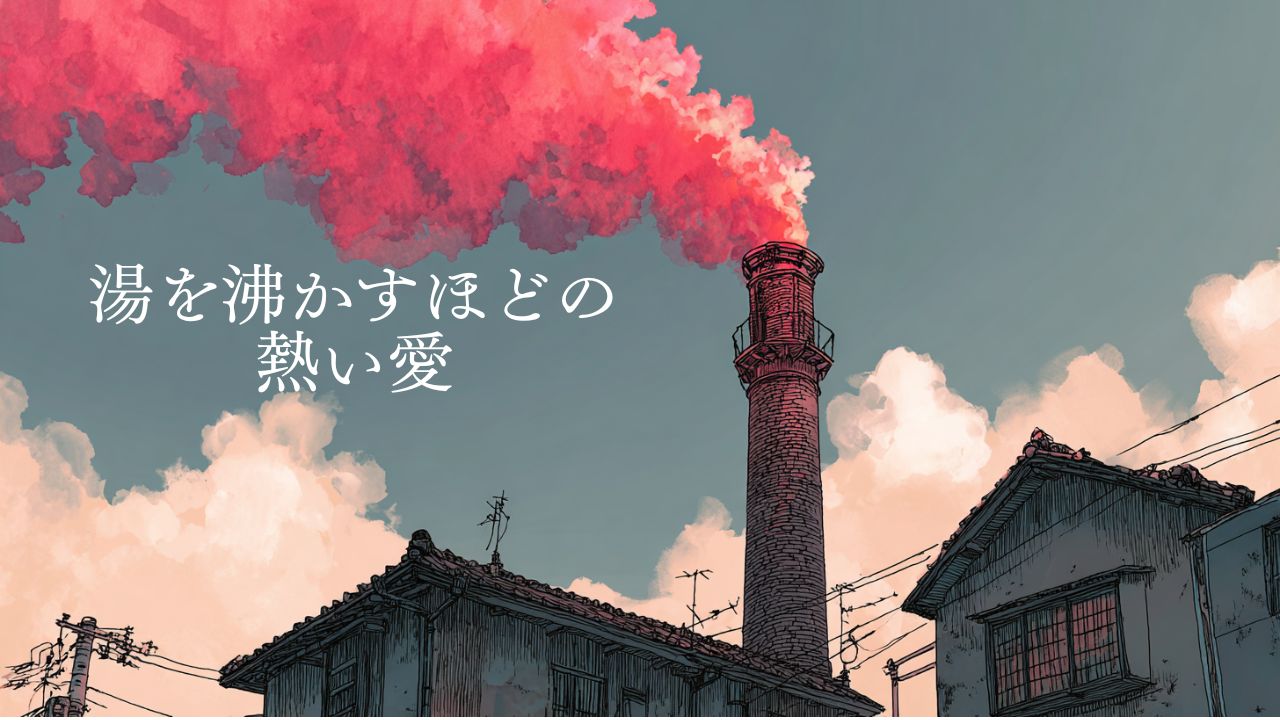
For this day, the film to watch is One Warm Summer (湯を沸かすほどの熱い愛, Yu wo Wakasuhodo no Atsui Ai), directed by Ryōta Nakano, released in 2016.
This may be the most fitting film to watch on Mother’s Day. But the love it depicts is not sentimental — it is the kind that requires making difficult decisions, that acts rather than declares, that sometimes costs the person giving it everything they have.
The film won six awards at the 40th Japan Academy Film Prize, including Best Actress (Rié Miyazawa) and Best Supporting Actress (Hana Sugisaki). It swept the major domestic film awards including the Hochi Film Awards and the Takasaki Film Festival.
Basic Information & Synopsis
→ For synopsis and production information, see our Database Article
Director: Ryōta Nakano
Year: 2016
Runtime: 125 minutes
Production: Hakuhodo DY Music & Pictures
Commemorative Day: Mother’s Day (May 10)
Background Knowledge
Ryōta Nakano’s Debut
One Warm Summer was Ryōta Nakano’s commercial debut feature. Born in 1973 and raised in Kyoto, he graduated from the Japan Film School and worked as an assistant director and television director before his independent film Let Me Take a Photo (2012) brought him wider attention. The director has described “what is a family?” as a consistent preoccupation, adding: “There is no single answer. But I think there are good forms that individual families find for themselves.”
On choosing a bathhouse as the setting: “Strangers enter the same tub together and connect, communicate. If a stranger spoke to you in a coffee shop, you’d be surprised. In a sento, it doesn’t feel strange. The fundamentals of how people live seem to exist in the bathhouse.” He also noted a desire to convey what is distinctly Japanese to international audiences through this particular institution.
Nakano admitted to crying three times during production and attended screenings himself throughout the film’s run to observe audience reactions. “I can’t feel like I’ve made a film without knowing the response directly. I’m no master filmmaker.”
The Casting of Rié Miyazawa
Miyazawa agreed to the role immediately upon reading the script. The director had sent the offer half-expecting a refusal and later said: “Once she agreed, the project began to run.”
Two things were essential to Nakano in casting Futaba: the actor should be someone who had genuinely been a mother, and someone who would understand what it means to be in the position of a dying one. Miyazawa had raised a daughter and had lost her own mother several years earlier. “I felt, entirely on my own, that something connected us to this project,” Nakano said.
Miyazawa won the Japan Academy Film Prize for Best Actress. The critical consensus noted her ability to convey “the strength of an ordinary mother rather than a superwoman” — and it is precisely that ordinariness, and the strength within it, that the film is built around. Odagiri Jo, who plays the husband, reportedly agreed to appear immediately on reading the script, saying it was the most carefully constructed screenplay he had encountered.
The Bathhouse — A Final Record
The interior scenes were shot in a real Tokyo bathhouse called Tsuki no Yu (Moon Bath). The bathhouse was scheduled to close and be demolished at the end of May 2015, but agreed to wait for the production. The three-week shoot concluded in June; the building was demolished in July. “We were able to record its final appearance,” Nakano said. “I felt a real connection with Tsuki no Yu in terms of timing.” The exterior scenes were shot at Hana no Yu in Ashikaga, Tochigi Prefecture.
The Theme Song — “Ai no Yukue” by Kinoko Teikoku
The theme song, “Ai no Yukue” (愛のゆくえ — Where Love Goes), was written by the band Kinoko Teikoku at the director’s specific request: “Write it from the perspective of those who remain.” The song was adjusted to the second of the final scene’s timing. Vocalist Satō has said that reading the script sent her emotions ahead of her — she had already written the song and brought it to her first meeting with the director.
What Makes It Exceptional
A Story of an Ordinary Person Becoming Strong — Not a Strong Mother
The film’s most important quality is that Futaba does not begin as a strong mother.
She collapses. She cries. She gets angry and puts her fist through a window. There are moments when she seems about to give up. What keeps her moving is not supernatural composure but the conviction that there are things she must do. She does not hide her anger or her grief. That human reality is what makes the emotion of the film genuine.
It is not the selfless, saintly devotion that appears in conventional mother narratives. It is something more demanding and more honest: a person, facing an end she did not choose, deciding what she can still make happen.
Humor Within a Heavy Subject
The film carries significant weight — a dying mother, weeks remaining, a family in need of repair. And it is also frequently funny. Audiences have consistently noted the absence of manipulative emotional technique: no swelling music cued to force tears, no meaningful slow motion. The conventions of the “tearjerker” genre are refused.
By not insisting on grief, the film allows it to arrive naturally. The distinction viewers describe — “I wasn’t made to cry; I cried” — is the result of this discipline. The humor is not relief from the subject. It is part of how the film insists that life and death are not separate registers.
Rié Miyazawa and Hana Sugisaki
Miyazawa’s Futaba makes herself felt not through raised voices or displayed tears but through the quality of her presence — a will that is simply there, visible in how she looks directly at the camera, at the people around her, at the choices in front of her. The character’s fear and her determination to act anyway exist in the same moment, and Miyazawa holds both.
Sugisaki’s Azumi moves from a girl who cannot stand up for herself to someone beginning to inherit her mother’s way of acting in the world. The scene in which she arrives at school in her gym uniform and demands her actual clothes back — a defiance learned directly from Futaba — is the moment the film’s central transmission becomes legible. Both performances are difficult in similar ways: they require the actor to show a change without announcing it. Both succeed.
Related Articles
- One Warm Summer Database – Synopsis & Production Details
- Ryōta Nakano – Filmmaker Profile
- Rié Miyazawa – Actor Profile
はじめに
余命2ヶ月の母が残したもの——愛とは、する側が決めるものだ
5月10日は、「母の日(Mother’s Day)」です。
母の日の起源は20世紀初頭のアメリカにあります。1908年、アンナ・ジャービスが亡き母を偲んで白いカーネーションを配ったことが始まりとされ、1914年にアメリカで国民の祝日として制定されました。日本では第二次世界大戦後にアメリカの習慣が伝わり、赤いカーネーションを母に贈る文化として定着しました。
しかし「母の日」という言葉の重さは、赤いカーネーションや「いつもありがとう」という言葉では収まりきらないものを含んでいます。母と子の関係は、愛情だけで語れるほど単純ではありません。産んだ母、育てた母、離れた母、失った母——様々な「母」の形が、この一日に交差します。
この特別な日に観る作品として、中野量太監督による2016年の日本映画**『湯を沸かすほどの熱い愛』**をお薦めします。
「母の日」に観るべき映画として、これ以上ふさわしい作品はないかもしれません。しかし本作が描く「母の愛」は、感動的であると同時に、「愛とは何か」という問いを根底から揺さぶります。
第40回日本アカデミー賞で最優秀主演女優賞(宮沢りえ)・最優秀助演女優賞(杉咲花)をはじめ6部門受賞。報知映画賞、高崎映画祭など国内主要映画賞を席巻した本作は、中野量太監督の商業映画デビュー作でもあります。
基本情報・あらすじ
→ あらすじや製作情報はデータベース記事へ
監督: 中野量太
製作年: 2016年
上映時間: 125分
制作: 博報堂DYミュージック&ピクチャーズ
記念日: 母の日(5月10日)
予備知識
中野量太監督のデビュー作
本作は中野量太監督の商業映画デビュー作です。1973年生まれの京都府育ちで、日本映画学校卒業後に助監督やテレビディレクターを経て、自主映画『チチを撮りに』(2012年)で注目を集めました。監督は「家族とは何か」を一貫したテーマとして掲げ、「そこに答えは絶対にない。でも、家族であることの喜び、1つひとつの家族の良い形はあるんだろうなと思う」と語っています。
銭湯を舞台にした理由について、「知らない人同士が1つの湯船に入って、繋がって、コミュニケーションをとる。喫茶店で知らない人から話しかけられたら驚くけど、銭湯なら違和感がない。人と人が生きる基本が銭湯にあるような気がする」と述べています。また「極めて日本的な場所である銭湯を通して、海外の人へ日本らしさを伝えたい」という意図もあったと語っています。
撮影中に3度泣いたと告白した中野監督は、本作の試写会に自ら足を運び観客の反応を確かめることを続けました。「反応をちゃんと知っておかないと映画を撮った気にならない。僕は巨匠でもないですから」という言葉に、監督としての姿勢が表れています。
宮沢りえの起用——「縁を感じた」
主演の宮沢りえは、脚本を読んで即座に出演を決めたと言われています。監督は「半分ダメ元だったオファーだったが、そこからこの企画は走り出した」と振り返っています。
双葉役の起用にあたって、中野監督には2つのこだわりがありました。「ちゃんとお母さんをしている人であること」「死にゆく母の話なので、その点を理解している人に出演してほしかった」という2点です。宮沢りえは娘を育てており、なおかつ数年前に実母を亡くしていた。「今、宮沢さんがこの役を演じたら絶対すごいことになると、勝手に縁を感じていた」と監督は語っています。
宮沢りえは本作で第40回日本アカデミー賞最優秀主演女優賞を受賞しました。「決してスーパーウーマンではない普通の母親の強さ、たくましさを表現した」という評価が多く、その「普通さの中の強さ」こそが本作の核心です。なお、オダギリジョーも「こんなに練られた脚本は見たことがない」と出演を即決したと言われています。
撮影の舞台裏——廃業直前の銭湯で
銭湯の内部撮影は、東京都内の実在の銭湯「月の湯」で行われました。月の湯は2015年5月末での廃業と取り壊しが決まっていましたが、映画撮影のために待ってもらいました。2015年6月の3週間で撮影を終えた直後の7月に、月の湯は取り壊されています。「本当に最後の姿を記録することができた。タイミング的にも月の湯とはすごく縁があった」と監督は語っています。なお外観は栃木県足利市の「花の湯」で撮影されました。
きのこ帝国「愛のゆくえ」
主題歌は、きのこ帝国が書き下ろした「愛のゆくえ」です。監督から「残された側の視点で作ってほしい」というオーダーを受けて制作され、ラストシーンのイメージに合わせて秒単位で調整されました。ボーカルの佐藤は「台本を読んだら感情が先走っちゃった」と語っており、監督との顔合わせの際にはすでに曲を作って持参していたといいます。
優れている点
「強い母」ではなく「普通の人間が強くなる」物語
本作の最も優れた点は、双葉を最初から「強い母親」として描かないことです。
彼女は倒れ、泣き、怒り、窓ガラスを割ります。諦めそうになる瞬間もあります。しかし「やるべきことがある」という確信が、彼女を動かし続けます。
感動的な母親映画にありがちな「聖母のような無私の献身」ではありません。双葉は自分の怒りも悲しみも隠しません。その人間的なリアリティが、映画の感動を本物にしています。
重いテーマをユーモアで包む演出
「死にゆく母と、残される家族が紡ぎ出す愛」という重いテーマを描きながら、本作には随所にユーモアがあります。視聴者から「いやらしさがなく安心して泣ける」「泣かせ映画にありがちな過剰な演出がない」という声が多数寄せられているのは、中野監督がこのバランスを意識して作っているからです。
涙を強制するような過剰な音楽、意味ありげなスローモーション——そういったお涙頂戴の定型を排除することで、観客は構えることなく物語に入り込めます。だからこそ、感情が動く場面で自然に泣けます。「泣かされた」ではなく「泣いた」という感覚が残る映画です。
宮沢りえと杉咲花の演技
宮沢りえが体現する双葉の強さは、声を荒げることでも涙を流すことでもなく、ただそこに存在する圧倒的な意志として伝わります。カメラを真っ直ぐに見返すその目に、余命2ヶ月の恐怖と、それでも動き続ける選択が宿っています。
杉咲花演じる安澄は、気弱ないじめられっ子から、少しずつ母の意志を受け継いでいく少女へと変化します。体操服のまま登校し、下着一枚になって制服を要求するシーンの演技は、彼女が本作でブレイクした理由を一瞬で理解させます。二人は本作でそれぞれ日本アカデミー賞最優秀主演女優賞・最優秀助演女優賞を受賞していますが、その受賞は数字以上の説得力を持っています。
関連記事
- 湯を沸かすほどの熱い愛 データベース – あらすじ・製作情報
- 中野量太 – 監督プロフィール
- 宮沢りえ – 俳優プロフィール