
Choose Your Language / 言語を選択:
Introduction
Commemorating the History of Vaccination — A Science Fiction Masterpiece on Medicine’s Light and Shadow
May 14 is known as Vaccination Day.
On May 14, 1796, the British physician Edward Jenner successfully administered the world’s first vaccination — inoculating a boy with material from a cowpox lesion, demonstrating that it provided protection against smallpox. Jenner had spent twenty years developing this method, inspired by the folk observation that milkmaids who contracted cowpox rarely fell ill with smallpox. In 1980, the World Health Organization declared smallpox eradicated — the only infectious disease in human history to be completely eliminated.
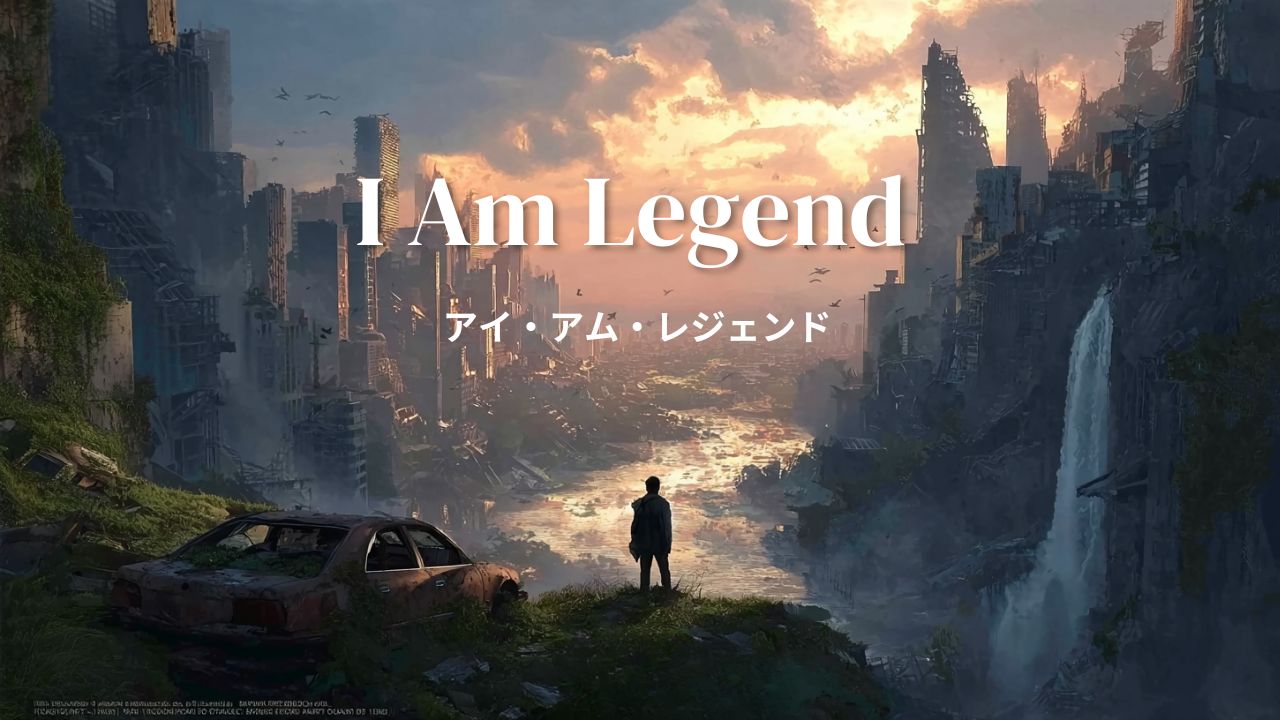
For this day, the film to watch is I Am Legend (2007), directed by Francis Lawrence.
Will Smith plays Robert Neville, a military virologist who may be the last surviving human in New York City. A virus engineered to cure cancer mutated, killed most of the world’s population, and transformed most of the survivors into creatures that cannot tolerate daylight. Neville spends his days searching for a cure and his nights barricading himself against what the world has become.
Based on Richard Matheson’s 1954 novel I Am Legend (known in Japan as The Last Man on Earth), the film addresses the light and shadow of medical progress, the importance and danger of vaccine development, a scientist’s sense of mission, and the oscillation between hope and despair for humanity — themes that resonate deeply with the meaning of Vaccination Day. Just as Jenner used a vaccine to save humanity, Neville’s relentless pursuit of a new vaccine to rescue mankind reflects both reverence for medicine’s historical achievements and belief in the power of science.
Basic Information & Synopsis
→ For synopsis and production information, see our Database Article
Director: Francis Lawrence
Year: 2007
Runtime: 101 minutes
Production: Warner Bros. Pictures
Commemorative Day: Vaccination Day (May 14)
Background Knowledge
The Source Novel and Previous Adaptations
I Am Legend is based on I Am Legend, a 1954 novel by science fiction writer Richard Matheson — long known in Japan as Chikyu Saigo no Otoko (The Last Man on Earth) before being retitled to match the 2007 film. The novel is considered a foundational work for the modern zombie genre.
Matheson’s novel has been adapted three times: The Last Man on Earth (1964), The Omega Man (1971), and this 2007 version. In the original novel, the protagonist ultimately becomes a legendary figure of terror to the new dominant species — humanity transformed — a darkly ironic conclusion. The 2007 version changes this to a more hopeful, spiritually inflected ending that carries a contemporary interpretation of the material.
The Scientific Background
The Krippin Virus depicted in the film is grounded in actual virology. Gene therapy using modified measles virus is genuinely being researched in the field of cancer treatment, giving the film’s premise a degree of scientific plausibility. The production team conducted extensive research into the medical dimensions — the process of vaccine development and realistic depictions of infectious disease management.
The dramatic transformation of the virus to alter host behavior so radically is science fiction embellishment. Notably, during the COVID-19 pandemic in 2021, some people cited this film as a reason to refuse vaccination, prompting the screenwriter to publicly clarify: “This is a movie.” The episode illustrates the importance of distinguishing between cinematic fiction and real medical knowledge.
Will Smith’s Performance and Preparation
Smith signed on to play Robert Neville in April 2006, drawn to the film’s potential to combine audience appeal with uncompromising artistic integrity — qualities he compared to Gladiator and Forrest Gump. The role became his most demanding acting challenge since playing Muhammad Ali in Ali (2001).
To prepare, Smith visited the Centers for Disease Control in Georgia and interviewed people who had experienced solitary confinement and former prisoners of war. He conceived of Neville as a Job figure — a man who has lost his children, his livelihood, and his health — asking: “Can he find a reason to keep living? Or will all the death around him bring about his own?”
Smith described the difficulty of the role: “When you’re alone, it’s hard to find conflict.” He drew on Tom Hanks’s performance in Cast Away as a reference point and worked actively to prevent himself from falling into habitual, lighter patterns during the shoot.
The Ruined New York — Moving the Setting
Screenwriter Akiva Goldsman made the crucial decision to relocate the story from Los Angeles to New York. His reasoning: “Los Angeles looks empty at 3pm. New York never empties. It’s a far more interesting way to show the world without people.” Warner Brothers initially rejected the idea due to logistical concerns; director Francis Lawrence insisted on shooting on real locations rather than soundstages.
Lawrence filmed test footage of crowded New York locations and digitally removed all the people. When studio executives saw the result, the project was approved. Producer Michael Tadross negotiated with city authorities to close Grand Central Station’s viaduct, several blocks of Fifth Avenue, and Washington Square Park. The Brooklyn Bridge evacuation sequence — filmed over six nights at a cost of $5 million, with 1,000 extras and military vehicles — was the largest urban location shoot in the city’s history at the time.
To achieve the overgrown appearance of the city, the production imported weeds from Florida and scattered them across the locations. Will Smith later recalled that the street closures made him “the most middle-fingered person in my career” among New York residents.
What Makes It Exceptional
Will Smith’s Commanding Solo Performance
The film’s greatest strength is Will Smith’s portrayal of the solitary survivor. The film consists largely of his one-man performance, with a dog and mannequins as his conversation partners — yet it sustains tension and holds the audience without flagging.
Smith expresses, through a single performance, a scientist’s intelligence, a soldier’s discipline, a father’s love, and the fragility of a human being pushed to the limit. The dog Sam, played by three-year-old German Shepherds Abby and Kona, becomes the medium through which Neville’s inner richness and loneliness are simultaneously expressed. The oscillation between obsession with research and despair, between hope and resignation, is rendered with nuance that makes the character fully credible.
The Ruined New York — Visual Beauty and Production Innovation
The film’s most striking quality is the vision of New York City after the collapse of human civilization. A place that was once among the world’s greatest cities, already being reclaimed by nature after only three years. Grass growing in Times Square, deer running through Central Park, vines on the Brooklyn Bridge — these images carry both visual impact and philosophical depth.
The film quietly asks how dependent human beings are on their environment, and how little our civilization can endure without the constant effort of maintenance. The sequence of Neville moving alone through this vast city evokes both human loneliness and an elegy for lost civilization. The unprecedented production — closing actual New York streets, digital removal of thousands of people, imported Florida weeds — gives the images a physical weight that constructed sets could not replicate.
The Scientific Themes and Their Real-World Resonance
The film addresses vaccine development, the mutation of engineered viruses, and the ethics and risks of medical research — themes that connect directly to Vaccination Day and to the ongoing realities of infectious disease research. The fact that the film was misread during the COVID-19 pandemic as anti-vaccine material is itself a reminder of how powerfully science fiction shapes public perception of medicine. The film’s value lies in prompting questions, not providing answers: what are the limits of what science can and should do, and what obligations does a scientist carry when working with forces of this scale?
Related Articles
- I Am Legend Database – Synopsis & Production Details
- Francis Lawrence – Filmmaker Profile
- Will Smith – Actor Profile
はじめに
ワクチンの歴史的功績を記念して、医学の光と影を描くSF傑作
5月14日は「種痘記念日」として知られています。1796年のこの日、イギリスの医学者エドワード・ジェンナーが世界で初めて種痘(天然痘のワクチン)の接種に成功し、これが人類初のワクチン誕生となりました。ジェンナーは牛痘に感染した乳搾り女性が天然痘にかからないという民間の知恵に着目し、20年間の研究の末にこの画期的な予防法を開発しました。その後、天然痘は1980年にWHOによって根絶宣言が出され、人類が根絶に成功した史上唯一のウイルスとなっています。
この記念すべき日に観る作品として、フランシス・ローレンス監督による2007年の『アイ・アム・レジェンド』を推奨します。本作は、ウィル・スミスの孤独で力強い演技により、癌治療のために開発されたウイルスが変異し、人類のほとんどを滅ぼしてしまった世界で、最後の生存者となった科学者の闘いを描いたSF傑作です。
リチャード・マシスンの名作小説「地球最後の男」を原作とするこの作品は、医学の進歩がもたらす光と影、ワクチン開発の重要性と危険性、科学者としての使命感、人類への希望と絶望といった、種痘記念日の意義と深く関わるテーマを扱っています。ジェンナーがワクチンで人類を救ったように、主人公ネビルも新たなワクチンで人類を救おうとする姿は、医学の歴史的功績への敬意と、科学への信念を示す現代的な物語となっています。
基本情報・あらすじ
→ あらすじや製作情報はデータベース記事へ
監督: フランシス・ローレンス
製作年: 2007年
上映時間: 101分
制作: ワーナー・ブラザース・ピクチャーズ
記念日: 種痘記念日(5月14日)
予備知識
原作小説とこれまでの映画化
『アイ・アム・レジェンド』は、2007年に製作されたワーナー・ブラザース製作のSF映画です。本作は、SF作家リチャード・マシスンが1954年に発表した小説「I Am Legend」を原作としています。この原作小説は日本では長年『地球最後の男』として親しまれてきましたが、2007年の映画公開に合わせて『アイ・アム・レジェンド』に改題されました。この作品は現代ゾンビ映画の原型ともいえる重要な作品として知られています。
マシスンの原作小説は、これまでに3回映画化されています。1964年の映画『地球最後の男』、1971年の『オメガマン』に続いて、本作が3度目の映画化となります。原作小説では、主人公が最終的にバンパイア化した人類の新たな支配種にとっての「伝説的な恐怖の存在」となるという皮肉な結末が描かれていました。2007年版では、より希望的で宗教的なメッセージを込めた結末に変更されており、現代的な解釈が加えられています。
科学的背景とウイルス学への配慮
映画で描かれるクリピン・ウイルスは、実際のウイルス学の知見に基づいて設定されています。麻疹ウイルスを基にした遺伝子治療は、実際に癌治療の分野で研究されており、映画の設定には一定の科学的根拠があります。制作陣は医学的な側面についても綿密な調査を行い、ワクチン開発の過程や感染症対策の現実的な描写に努めています。
ただし、ウイルスが突然変異して宿主の行動を劇的に変化させるという展開は、SF的な脚色です。興味深いことに、2021年の新型コロナウイルスパンデミック時には、この映画を根拠にワクチン接種を拒否する人々が現れ、脚本家が「あれは映画です」と警告する事態も発生しました。これは、フィクションと現実の医学的知識を区別することの重要性を示す出来事でもありました。
優れている点
ウィル・スミスの圧倒的な一人芝居
本作の最大の優れた点は、ウィル・スミスによる孤独な生存者の見事な演技です。映画の大部分が彼の一人芝居で構成されており、台詞の相手は愛犬サムやマネキンという状況の中で、観客を飽きさせることなく緊張感を維持し続けています。スミスは、科学者としての知性、軍人としての規律、父親としての愛情、そして極限状況における人間の脆さを一人で表現し切っています。
スミスは2006年4月にロバート・ネビル役にサインし、この作品を『グラディエーター』や『フォレスト・ガンプ』のような「観客を魅了する要素と妥協のない芸術的価値を併せ持つ」可能性を感じて引き受けました。彼にとってネビル役は、2001年の『アリ』でムハンマド・アリを演じて以来最も困難な演技的挑戦となりました。「一人きりでいると、葛藤を見つけるのが難しい」と述べ、映画の暗いトーンとネビルの孤独による精神状態の探求により、撮影中にユーモラスなルーティンに陥らないよう自制する必要があったと語っています。
役作りのため、スミスはジョージア州の疾病対策センターを訪問し、独房監禁経験者と元戦争捕虜と面談しました。彼はネビルを旧約聖書のヨブ—子供、生計、健康を失った人物—になぞらえ、「彼は生き続ける理由を見つけることができるか?人生で優秀になり前進する希望や欲望を見つけられるか?それとも周囲のすべての死が、彼自身の差し迫った死を招くのか?」という問いを探求したと説明しています。また、トム・ハンクスの『キャスト・アウェイ』での演技からも影響を受けたと述べています。
特に印象的なのは、サムとの関係性を通じて表現される人間性の描写です。愛犬サム役には3歳のジャーマンシェパード犬、アビーとコナが起用されました。愛犬との何気ない会話や触れ合いを通じて、ネビルの内面の豊かさと孤独感が同時に表現されており、観客は彼の置かれた状況の過酷さを深く理解することができます。また、研究への執着と絶望、希望と諦めの間を揺れ動く複雑な感情も、スミスの繊細な演技により説得力を持って描かれています。
廃墟ニューヨークの映像美と制作背景の革新性
本作の際立った優れた点は、人類文明崩壊後のニューヨークの美しくも恐ろしい光景です。かつて世界最大の都市の一つだった場所が、わずか3年で自然に飲み込まれ始めている様子は、文明の脆さと自然の力強さを同時に表現しています。タイムズスクエアに草が生え、セントラルパークでシカが駆け回り、ブルックリン橋に蔦が絡まる光景は、視覚的インパクトと哲学的な深みを併せ持っています。
これらの圧倒的な映像は、脚本家のアキヴァ・ゴールドスマンが空虚さをより効果的に表現するため、物語の舞台をロサンゼルスからニューヨークに移すという重要な決断を下したことにより実現しました。彼は「ロサンゼルスは午後3時でも人気がないように見えるが、ニューヨークは決して人がいなくなることはない。世界が無人となった空虚さを示すには、はるかに興味深い方法だった」と説明しています。当初ワーナー・ブラザースは物流上の問題からこのアイデアを却下しましたが、フランシス・ローレンス監督はサウンドステージではなく実際のロケーションでの撮影に強くこだわりました。
これらの映像表現は、人類がいかに環境に依存しているか、そして我々の文明がいかに維持の努力なしには存続できないかを静かに問いかけています。特に、ネビルが一人でこの巨大な都市を移動する場面は、人間の孤独感と同時に、失われた文明への哀愁を呼び起こします。
ローレンス監督は実際にニューヨークにカムコーダーを持参し、群衆で溢れるエリアを撮影しました。その後、すべての人々をデジタル技術で除去する特殊効果テストを実施したところ、この映像がスタジオ幹部に強烈な印象を与え、企画が承認されました。プロデューサーのマイケル・タドロスは当局を説得し、グランド・セントラル駅の高架橋、5番街の数ブロック、ワシントン・スクエア・パークなどニューヨークの主要エリアの封鎖を実現しました。
都市が雑草に覆われた様子を表現するため、制作陣はフロリダから雑草を輸入して各ロケーションに散りばめ、主要道路の封鎖により実現された無人のニューヨークは、ウィル・スミスが「キャリアで最も多くの中指を立てられた」と振り返るほどニューヨーカーの反発を招きました。特に注目すべきは避難シーンのブルックリン橋撮影で、6夜連続の撮影に500万ドルを投じ、1,000人のエキストラと軍用車両を動員した当時最大規模の市内ロケとなりました。