
Choose Your Language / 言語を選択:
Introduction
Design Moves the World — A Story of the People Who Live at Its Summit
April 27 is International Design Day.
The date commemorates the founding of the International Council of Design (ICoD) in London on April 27, 1963. The day has been observed annually since 1995, moving through several names — World Graphics Day, World Communication Design Day, World Design Day — before settling on its current title in 2020.
Design is not only about aesthetics. It solves problems, realizes functions, moves emotions, shapes culture. Every manufactured object is designed, and the choices embedded in it determine how the world appears to the people who use it. Fashion is one of the most visible forms of this.
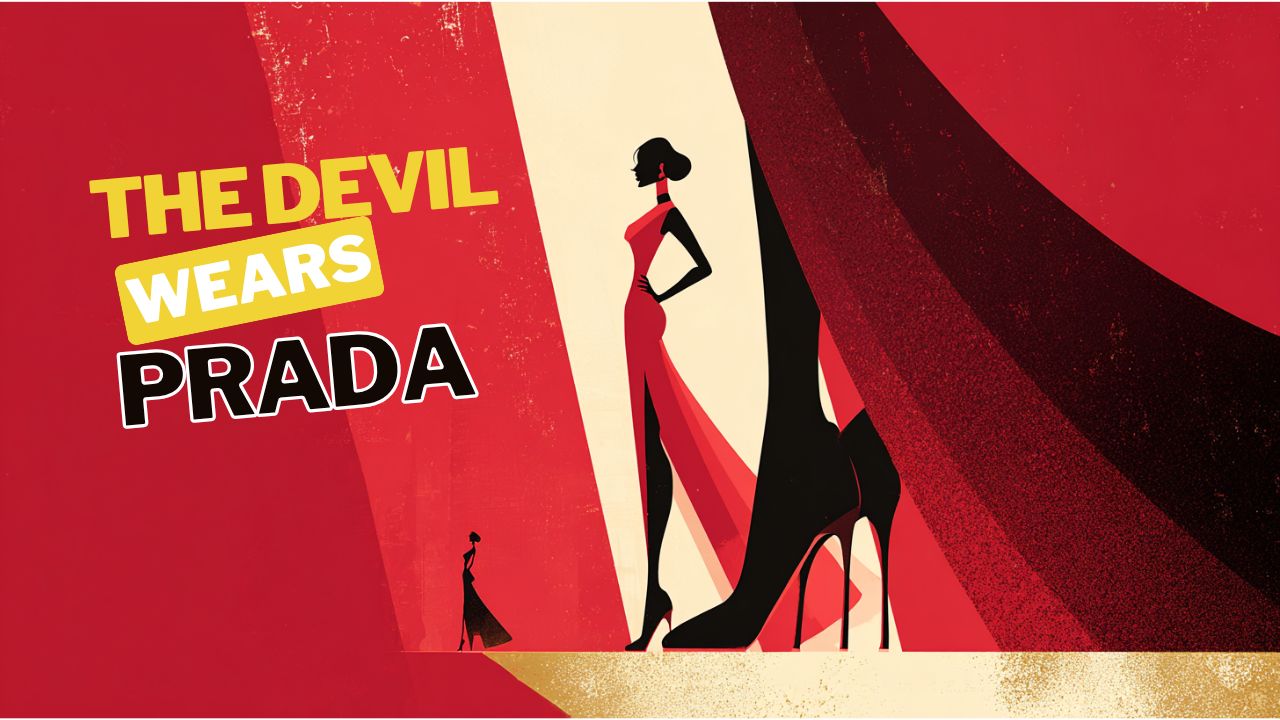
For this day, the film to watch is The Devil Wears Prada (2006), directed by David Frankel.
The film follows a young woman who takes a job at a fashion magazine having declared that fashion does not interest her — and finds herself confronted with a question she had not anticipated: if design shapes the world, what does it mean to claim you are not affected by it? The journey from that claim to its undoing is what the film is about.
Against a production budget of $35–41 million, the film grossed $326 million worldwide. Meryl Streep won the Golden Globe for Best Actress in a Comedy or Musical and received nominations for the Academy Award, BAFTA, and Screen Actors Guild Award.
One further note: the sequel, The Devil Wears Prada 2, premiered at Lincoln Center in New York on April 20, 2026, with theatrical release on May 1. Meryl Streep, Anne Hathaway, Emily Blunt, and Stanley Tucci all return, twenty years later, for a story in which Miranda navigates a transformed media landscape. Watching the original is the best preparation for what follows.
Basic Information & Synopsis
→ For synopsis and production information, see our Database Article
Director: David Frankel
Year: 2006
Runtime: 109 minutes
Production: Fox 2000 Pictures
Commemorative Day: International Design Day (April 27)
Background Knowledge
The Source Novel and Anna Wintour
The source novel (2003) was written by Lauren Weisberger, who had worked as an assistant to Vogue editor-in-chief Anna Wintour. Miranda Priestly is understood to be drawn from Wintour; during production, Wintour reportedly warned major designers that appearing in the film would result in their being dropped from the magazine’s pages (a claim Wintour’s side denied). The Miranda office set was closely modeled on Wintour’s actual office; after the film was released, Wintour is said to have redecorated. The only designer who agreed to a cameo was Valentino Garavani.
Wintour attended the film’s premiere wearing Prada. She subsequently said she found it “a lot of fun” and that the portrayal was “fair.” In 2025, after approximately forty years as Vogue‘s editor-in-chief, Wintour stepped down from the role — which lends the sequel’s premise its particular resonance.
Streep has said she did not model Miranda on Wintour directly. The low, whispering delivery came from Clint Eastwood; the humor came from director Mike Nichols. “The walk,” she added, “is unfortunately my own.”
Production Background
Fox acquired the film rights before the novel was published, on the strength of the first hundred pages and a synopsis. Four screenwriters worked on the project before Aline Brosh McKenna completed the final draft, with director David Frankel adding his notes to shape it. Miranda’s coldness had been softened in earlier drafts; it was restored for Streep.
Shooting took place over 57 days in New York and just 2 days in Paris. Streep did not travel to Paris; all hotel interior scenes were filmed at the St. Regis in Manhattan.
Casting
Michelle Pfeiffer, Glenn Close, and Catherine Zeta-Jones were considered for Miranda. Streep was initially passed over as “not interesting” — and only after her commitment was secured did Fox give the film a green light. Streep negotiated her initial offer upward to approximately $4 million before agreeing to participate.
Rachel McAdams turned down the role of Andy multiple times. Kate Hudson also declined. Anne Hathaway secured her audition by writing “Hire Me” in the sand of a studio executive’s Zen garden with her finger. Emily Blunt was discovered by chance following an audition for Eragon and insisted on performing the role with a British accent. Stanley Tucci committed to the project just three days before filming began.
Patricia Field’s Costume Design
Costume designer Patricia Field, working against widespread designer reluctance — many feared Wintour’s retaliation — leveraged her industry relationships to expand a $100,000 budget into approximately $1 million worth of clothing. The most expensive single piece was Streep’s Fred Leighton necklace, valued at $100,000. Streep had to change out of her character’s dresses before eating lunch, because the risk of staining meant they could not be returned.
Field’s approach to each character was distinct. Andy was dressed in “the kind of low-risk styling a fashion magazine would use on a shoot” — with the pre-transformation wardrobe designed to make the contrast as visible as possible. Emily received Vivienne Westwood and Rick Owens — clothing that suggested someone standing at an edge, about to fall off. Miranda was dressed primarily in Prada, but assembled in a way that obscured the labels — so that what she was wearing was not immediately identifiable.
What Makes It Exceptional
Meryl Streep’s “Quiet Monster” Performance
The film’s elevation above its genre comes first from Streep’s performance. Miranda does not shout. Streep drops her voice a register, slows her delivery slightly, and sustains throughout the film the quality of a person whose words carry absolute weight — because the world has arranged itself to confirm that they do.
The low whisper came from Clint Eastwood; the humor from Mike Nichols. For this film alone, Streep practiced a form of method acting — staying in character between takes — and at the first table read, the moment she whispered Miranda’s first lines, the room went silent.
Anne Hathaway has recalled: “The first thing Meryl said to me was, ‘You’re perfect for this role and I’m so happy to be working with you.’ And that was the last kind thing she said to me.” Screenwriter Brosh McKenna set out to write Miranda on the principle: “She’s not a villain. She’s a person with standards.” Streep embodied that — Miranda as someone with standards so high they become incomprehensible to everyone around her. That is why the final emotional impression she leaves is not simple dislike, but something more complicated.
Hathaway’s transformation sequence — Andy walking through New York in a succession of styled outfits after Nigel coordinates her appearance — solved a genuine technical problem. To show multiple outfits without cutting away, the production used passing vehicles and pedestrians as momentary visual interruptions, using those fractions of a second to switch clothing. The audience reads it as transformation in motion.
Patricia Field’s Costume Design
Field’s achievement in the face of industry opposition — turning a $100,000 budget into $1 million of clothing through professional relationships — is the logistical underpinning of the film’s visual authority. The strategy for each character was principled and distinct: Andy’s pre-transformation wardrobe designed for maximum contrast; Emily’s wardrobe suggesting precariousness; Miranda’s wardrobe deliberately de-labeled.
Tucci has said the costumes helped him build the character — and admitted that he took home the Dries Van Noten tie he wore during filming.
The Cerulean Speech and What Design Actually Is
The film’s most lasting scene is Miranda’s response to Andy’s dismissal of fashion. The sweater Andy is wearing, Miranda observes, is a particular shade of blue — cerulean — that moved from Oscar de la Renta’s collection to others, to department stores, to the discount bin from which Andy presumably acquired it. The decisions that produced the sweater’s color were made years earlier by people Andy has never heard of, in rooms she has never entered. Her indifference to fashion did not protect her from fashion’s decisions. It only meant she was following them without knowing it.
International Design Day’s argument — that design affects everyone’s life — is this speech, made concrete and specific. The question it leaves with the audience is not whether you are affected by design, but whether you are making the choice or inheriting it.
Related Articles
- The Devil Wears Prada Database – Synopsis & Production Details
- David Frankel – Filmmaker Profile
- Meryl Streep – Actor Profile
はじめに
デザインが世界を動かす——その頂点で生きる人々の物語
4月27日は、「国際デザインデー(International Design Day)」です。
1963年4月27日に国際デザイン評議会(ICoD)がロンドンで設立されたことを記念して、1995年から毎年この日が祝われています。もともとは「ワールド・グラフィックス・デー」として始まり、2012年に「ワールド・コミュニケーション・デザイン・デー」、2015年に「ワールド・デザイン・デー」、そして2020年に現在の「国際デザインデー」に改称されました。
「デザイン」とは、美しさだけを指す言葉ではありません。問題を解決し、機能を実現し、人々の感情を動かし、文化を形成する——すべての人工物はデザインされたものであり、その選択のひとつひとつが世界の見え方を決定しています。ファッションは、その最も可視的な形のひとつです。
この特別な日に観る作品として、デヴィッド・フランケル監督による2006年のアメリカ映画**『プラダを着た悪魔』**(The Devil Wears Prada)をお薦めします。
本作は、ファッション誌の世界を舞台に、デザインと権力と自己の間で揺れる一人の女性の物語を描きます。「ファッションなんて興味ない」という主人公が、「なぜ私たちはデザインに支配されているのか」という問いに直面するまでの過程は、国際デザインデーが問うテーマを正面から体現しています。
製作費3500〜4100万ドルに対し全世界興収3億2600万ドルという大ヒットを記録。メリル・ストリープはゴールデングローブ賞主演女優賞(コメディ/ミュージカル部門)を受賞し、アカデミー賞・BAFTA賞・全米映画俳優組合賞にもノミネートされました。
そしてもう一つ——本作の続編『プラダを着た悪魔2』が2026年4月20日にニューヨークのリンカーン・センターでプレミア上映され、5月1日に劇場公開予定です。メリル・ストリープ、アン・ハサウェイ、エミリー・ブラント、スタンレー・トゥッチという主要キャスト全員が20年ぶりに揃い、ミランダが変貌するメディアランドスケープの中でランウェイ誌の存続を図る物語が描かれます。本作を観ることは、その続編を観るための最良の準備でもあります。
基本情報・あらすじ
→ あらすじや製作情報はデータベース記事へ
監督: デヴィッド・フランケル
製作年: 2006年
上映時間: 109分
制作: フォックス2000ピクチャーズ
記念日: 国際デザインデー(4月27日)
予備知識
原作と「アンナ・ウィンター」
本作の原作小説(2003年)を書いたローレン・ワイズバーガーは、実際に米Vogue誌の編集長アンナ・ウィンターのアシスタントとして働いた経験を持ちます。ミランダ・プリーストリーというキャラクターはウィンターに着想を得ているとされており、映画制作中、ウィンターは大物デザイナーたちに「カメオ出演すれば雑誌の掲載を外す」と警告したと報じられました(ウィンター側は否定)。
映画のミランダのオフィスセットは実際のウィンターのオフィスに非常に似た作りで、ウィンターは映画公開後にオフィスを模様替えしたとも言われています。唯一カメオ出演を承諾したのは、ヴァレンティノ・ガラヴァーニただ一人でした。
ウィンター自身は映画公開当時、Prada着用でプレミアに出席。最終的には「非常に楽しめた。フェアな描写だったと思う」と語っています。2025年にウィンターが約40年務めたVogue編集長の座を退いたこのタイミングで、続編の製作も進んでいます。
なお、ストリープはミランダをウィンターの直接的な模写とはせず、低い囁くような話し方をクリント・イーストウッドから、ユーモアをマイク・ニコルズ監督から取り入れたと語っています。「あの歩き方は、残念ながら私自身のものです」とも。
制作背景
フォックスは原作小説の出版前、わずか最初の100ページとあらすじの段階で映画化権を取得しました。4人の脚本家を経てアライン・ブロッシュ・マッケナが最終稿を完成させ、監督のデヴィッド・フランケルが注文を加えて形になりました。当初ミランダの冷酷さは抑えられましたが、ストリープのために復元されています。
撮影はニューヨーク57日間とパリわずか2日。ストリープはパリに参加せず、ホテル内部のシーンはすべてマンハッタンのセント・レジスで撮影されています。
キャスティング
ミランダ役にはミシェル・ファイファー、グレン・クロース、キャサリン・ゼタ=ジョーンズが検討されました。ストリープは当初「面白くない」と敬遠されかけましたが、彼女の参加が決まって初めてフォックスは製作にゴーサインを出しました。ストリープは当初提示された報酬が低すぎると交渉し、約400万ドルに引き上げられて出演を承諾しています。
アンディ役はレイチェル・マクアダムスが何度もオファーを断り、ケイト・ハドソンも断りました。アン・ハサウェイはスタジオ幹部のZen庭園に指で「採用してください(Hire me)」と書いて売り込んだというエピソードが残っています。エミリー役のエミリー・ブラントは「エラゴン」のオーディション後に偶然発見され、ブリティッシュ・アクセントで演じることを自ら主張。スタンレー・トゥッチは撮影開始3日前というギリギリのタイミングで参加を決断しています。
パトリシア・フィールドの衣装設計
衣装デザイナーのパトリシア・フィールドは、ウィンターの報復を恐れた多くのデザイナーが協力を断るなか、10万ドルの衣装予算を業界の人脈で100万ドル相当に積み上げました。最も高価な単品はストリープのフレッド・レイトンのネックレス(10万ドル)。ストリープはスパゲッティを食べるとドレスを汚して返却できなくなるため、昼食時には着替えを余儀なくされたといいます。
フィールドはアンディとエミリーをまったく異なる「ファッション哲学」で表現しました。アンディには「ファッション誌が撮影用に持っているような、リスクの低いスタイル」——変身前後の対比が明確になるよう設計されています。エミリーにはヴィヴィアン・ウエストウッドとリック・オウエンスを選び、「端に立ち、そこから落ちかけているような」エッジ感を与えました。ストリープにはPradaを大量に着せながら、何を着ているか一目ではわからないよう意図的に組み立てています。スタンレー・トゥッチは「衣装がキャラクター作りを助けてくれた」と語り、撮影で着たドリース・ヴァン・ノーテンのネクタイをそのまま持ち帰ったことを認めています。
優れている点
メリル・ストリープの「静かな怪物」演技
本作がコメディ映画の枠を超えた理由の第一は、メリル・ストリープのミランダ役への化けぶりです。ミランダは怒鳴りません。ストリープは声を一段下げ、速度を一段落とし、それによって「この人の言葉には絶対的な重みがある」という空気を全編で作り続けます。
ストリープは、ミランダの低く囁くような話し方をクリント・イーストウッドから得たと語っています。彼女はこの映画でのみ、キャラクターとして撮影の合間も過ごす「メソッド演技」を採用しました——テーブル読みの初日、彼女が初めてミランダの台詞を囁いた瞬間、スタジオ中が静まり返ったといいます。アン・ハサウェイは「ストリープから最初に言われたのは『あなたはこの役に完璧で、一緒に仕事できて嬉しい』という言葉でした。そしてそれが私に言った最後の優しい言葉でした」と語っています。
脚本家のアライン・ブロッシュ・マッケナはミランダを書くにあたって「彼女は悪役ではない。自分の基準を持つ人間だ」という原則を置きました。ストリープはそれを体現し、ミランダを「恐ろしい人物」ではなく「理解し難いほど高い基準を持つ人物」として演じました。
これが、映画の最後にミランダへの単純な嫌悪ではなく、複雑な感情が残る理由です。
「センセーション」と評されたハサウェイの変身も見事です。ナイジェルにコーディネートしてもらったアンディがニューヨークの街を歩くモンタージュシーンは、撮影上の難題でした。異なるコーディネートを次々と見せるために、カメラの前を通り過ぎる車や通行人を「瞬間の遮蔽」として使い、その瞬間に衣装を切り替えるという手法が取られました。観客には「歩きながら変身している」ように見えます。
パトリシア・フィールドの衣装設計
衣装デザイナーのパトリシア・フィールドは、ウィンターの報復を恐れた多くのデザイナーが協力を断るなか、10万ドルの衣装予算を業界の人脈で100万ドル相当に積み上げました。最も高価な単品はストリープのフレッド・レイトンのネックレス(10万ドル)。ストリープはスパゲッティを食べるとドレスを汚して返却できなくなるため、昼食時には着替えを余儀なくされたといいます。
フィールドはアンディとエミリーをまったく異なる「ファッション哲学」で表現しました。アンディには「ファッション誌が撮影用に持っているような、リスクの低いスタイル」——変身前後の対比が明確になるよう設計されています。エミリーにはヴィヴィアン・ウエストウッドとリック・オウエンスを選び、「端に立ち、そこから落ちかけているような」エッジ感を与えました。ストリープにはPradaを大量に着せながら、何を着ているか一目ではわからないよう意図的に組み立てています。スタンレー・トゥッチは「衣装がキャラクター作りを助けてくれた」と語り、撮影で着たドリース・ヴァン・ノーテンのネクタイをそのまま持ち帰ったことを認めています。
「セルリアン・スピーチ」が問うデザインの普遍性
「ファッションに興味ない」と言うアンディのセーターが、実はハイファッションの決定の連鎖によって作られていたという「セルリアン・スピーチ」は、本作のテーマを最も端的に表現しています。デザインとは「選択する行為」であり、意識的に選ぶか無意識に追従するかの違いはあっても、私たちは常に誰かがデザインしたものを身に纏っています。
国際デザインデーが「デザインはすべての人の生活に影響する」と訴えるとき、ミランダがアンディに突きつけたあの問いは、映画を超えて私たち自身に向けられています——「自分はデザインに関係ない」という人が着ているセーターの色は、誰かが決めています。