
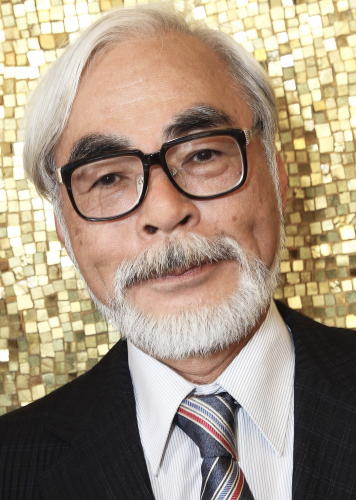
Profile | プロフィール
Born / 生年月日
January 5, 1941 | Bunkyo, Tokyo, Japan
Age / 年齢
84 years old (as of 2025)
Occupation / 職業
Animator, Film Director, Screenwriter, Producer, Manga Artist
アニメーター、映画監督、脚本家、プロデューサー、漫画家
Nationality / 国籍
Japanese (日本)
Biography | 経歴
[English] Hayao Miyazaki is the greatest living master of animation and one of the few directors in cinema history whose entire body of work ranks among the medium’s highest achievements. From Nausicaä to The Boy and the Heron, his films offer extraordinary depth, moral seriousness, and a humanistic touch that has no equal in animation. He consistently explores themes of freedom and constraint, the beauty and destructiveness of technology, the bond between civilization and nature, and the unique courage found in childhood. Spirited Away is not just a masterpiece of animation, but one of the greatest films ever made in any medium. His latest work, The Boy and the Heron—created at age 82 with total creative freedom—is an incredible act of artistic self-renewal for a filmmaker of his age. He is, quite simply, irreplaceable.
[日本語] 宮崎駿監督は、アニメーションという分野において現存する最高の表現者であり、映画の歴史全体を見渡しても、その全作品が「最高峰の達成」と認められる数少ない監督の一人です。『ナウシカ』から『君たちはどう生きるか』に至るまで、彼の作品は並外れた表現の幅と道徳的な真剣さ、そして深い人間味に溢れています。自由と制約の問い、技術の持つ美しさと破壊性、人間文明と自然界の関係、そして人間の脆弱さと優雅さを支える「子供ならではの感性と勇気」への探求が、そこには一貫して流れています。『千と千尋の神隠し』は、アニメーション史上、そしてあらゆる映画の中でも最も偉大な作品の一つです。また、82歳にして、宣伝も脚本の完成も待たずに、自由な創造性だけで作り上げた『君たちはどう生きるか』は、高齢の映画監督による芸術的な自己更新として、映画史上もっとも驚くべき行為といえるでしょう。彼はまさに、代わりのきかない唯一無二の存在です。
Filmography | 監督作品
Feature Films as Director (監督長編作品)
| Year | Title (Japanese / English) | Japanese Box Office | Worldwide | Awards/Note |
|---|---|---|---|---|
| 1979 | ルパン三世 カリオストロの城 / The Castle of Cagliostro | — | — | First feature / Action-adventure masterwork / Spielberg praise |
| 1984 | 風の谷のナウシカ / Nausicaä of the Valley of the Wind | ¥7.48 billion | — | Ghibli catalyst / Environmental epic / Manga origin |
| 1986 | 天空の城ラピュタ / Castle in the Sky | ¥11.6 billion | — | First official Ghibli film / Adventure / Flying machines |
| 1988 | となりのトトロ / My Neighbor Totoro | ¥11.7 billion | — | Most universally beloved / Studio Ghibli logo / Totoro |
| 1989 | 魔女の宅急便 / Kiki’s Delivery Service | ¥21.5 billion | — | Coming-of-age / Independence / Witch’s flight |
| 1992 | 紅の豚 / Porco Rosso | ¥28.0 billion | — | WWI pilot / Aviation / Personal film |
| 1997 | もののけ姫 / Princess Mononoke | ¥19.3 billion | $159.4M | Japanese box office record (at release) / Moral complexity / Neil Gaiman English script |
| 2001 | 千と千尋の神隠し / Spirited Away | ¥31.68 billion | $395.6M | Oscar Best Animated Feature 🏆 / Berlin Golden Bear 🏆 / BBC #1 greatest film 21st century / Greatest animated film ever made |
| 2004 | ハウルの動く城 / Howl’s Moving Castle | ¥19.6 billion | $235.2M | Howl / Sophie / Diana Wynne Jones adaptation |
| 2008 | 崖の上のポニョ / Ponyo | ¥15.5 billion | $204.7M | Young children / Sea / Pure simplicity |
| 2013 | 風立ちぬ / The Wind Rises | ¥12.02 billion | $117.9M | Oscar nom. Best Animated Feature 🌟 / Jiro Horikoshi / Zero fighter / Most personal |
| 2023 | 君たちはどう生きるか / The Boy and the Heron | ¥9.0 billion | $164.3M | Oscar Best Animated Feature 🏆🏆 (2nd win) / Golden Globe Best Animated Feature 🏆 / No advance publicity |
Television Series as Director (テレビシリーズ監督作品)
| Year | Title | Network | Note |
|---|---|---|---|
| 1978 | 未来少年コナン / Future Boy Conan | NHK | 26 episodes / First directing credit / Post-apocalyptic / Foundational aesthetic |
Key Animation / Creative Contributions (主要アニメーター・創造的貢献)
| Year | Title | Role | Director | Note |
|---|---|---|---|---|
| 1968 | 太陽の王子 ホルスの大冒険 / The Little Norse Prince | Key Animator / Scene Layout | Isao Takahata | Breakthrough animation work at Toei |
| 1971 | ルパン三世 (TV Series) | Writer / Key Animation | Various | Early Lupin work |
| 1974 | アルプスの少女ハイジ / Heidi, Girl of the Alps | Scene Design / Layout | Isao Takahata | Co-designed with Takahata; landmark TV anime |
| 1976 | 母をたずねて三千里 / 3000 Leagues in Search of Mother | Scene Design | Isao Takahata |
Awards & Recognition | 受賞歴
Academy Awards (アカデミー賞)
Winner: 2 🏆 — First person to win Best Animated Feature twice
- Best Animated Feature – Spirited Away (2003) 🏆
- Best Animated Feature – The Boy and the Heron (2024) 🏆
Nominated:
- Best Animated Feature – The Wind Rises (2014) 🌟
- Academy Honorary Award – 2014 🏆 — for contributions to the art of animation and to cinema
Berlin International Film Festival (ベルリン国際映画祭)
- Golden Bear – Spirited Away (2002) 🏆 — first animated film to win the Golden Bear in competition
Venice International Film Festival (ヴェネツィア国際映画祭)
- Golden Lion (Honorary) – 2005 🏆 — for lifetime achievement
Golden Globe Awards (ゴールデングローブ賞)
- Best Animated Feature Film – The Boy and the Heron (2024) 🏆
Japanese Cultural Honours (日本の文化的栄誉)
- 文化功労者 (Person of Cultural Merit) – 1997 🏆
- 文化勲章 (Order of Culture) — Japan’s highest cultural distinction 🏆
- 紫綬褒章 (Medal with Purple Ribbon) — for distinguished achievement in the arts 🏆
Industry Recognition
- Annie Awards — multiple lifetime and individual production awards 🏆
- Consistently ranked in international critical polls among the greatest living filmmakers, regardless of medium 🏆
- Spirited Away ranked #1 greatest film of the 21st century — BBC Critics’ Poll (2022) 🏆
Box Office & Cultural Reach | 興行成績・文化的影響の規模
| Film | Japanese Box Office | Worldwide | Key Distinction |
|---|---|---|---|
| Spirited Away (2001) | ¥31.68 billion | $395.6M | Japanese all-time box office record (held 20 years until Demon Slayer, 2020) |
| My Neighbor Totoro (1988) | ¥11.7 billion | — | Studio Ghibli logo / Most universally beloved |
| Princess Mononoke (1997) | ¥19.3 billion | $159.4M | Japanese record at release |
| Howl’s Moving Castle (2004) | ¥19.6 billion | $235.2M | |
| The Boy and the Heron (2023) | ¥9.0 billion | $164.3M | 2nd Oscar win |
Studio Ghibli Museum, Mitaka: Opened 2001; designed by Miyazaki; permanent exhibition; advance tickets only; visited by hundreds of thousands annually
Studio Ghibli Theme Park (Ghibli Park, Nagakute, Aichi): Opened 2022; major national tourism attraction
Public Positions and Political Commitments
- Consistent and publicly expressed opposition to Japanese remilitarization and constitutional revision; has spoken about Article 9 of the Japanese constitution (the pacifist clause) with great seriousness on multiple occasions
- Environmental advocacy; the environmental vision of his films is directly continuous with his personal political commitments
- Opposition to nuclear power, expressed publicly after the Fukushima disaster of 2011
- Skepticism about the cultural effects of digitization and the internet on human attention and imagination, expressed in multiple public statements