
Basic Info / 基本情報
|
Item |
English / 日本語 |
|---|---|
|
Director |
Jean-Pierre Dardenne, Luc Dardenne / ジャン=ピエール・ダルデンヌ、リュック・ダルデンヌ |
|
Year |
1996 |
|
Running Time |
93 min (1h 33m) |
|
Genre |
Drama / ドラマ |
|
Production |
Les Films du Fleuve, RTBF, Eurostep |
|
Box Office |
$2.0 million (Worldwide) |
Synopsis / あらすじ
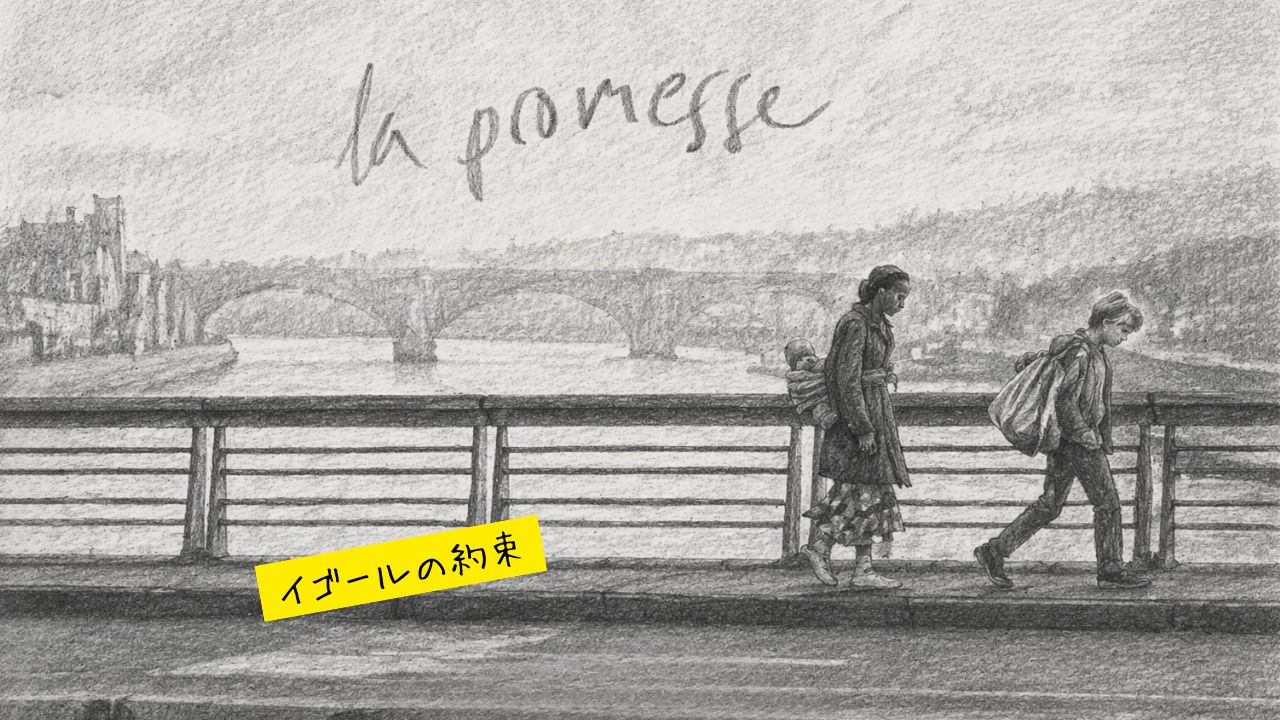
[English / 英語] In a bleak industrial city in Belgium, 15-year-old Igor (Jérémie Renier) is the loyal accomplice to his father Roger (Olivier Gourmet), who exploits illegal immigrants for cheap labor. Their cold, calculated routine is shattered when Hamidou (Rasmane Ouedraogo), an African immigrant, falls from a scaffold and is fatally injured. In his final moments, Hamidou desperately clutches Igor and implores him to protect his wife, Assita, and their baby. Suddenly burdened with this dying man’s plea, Igor finds himself unable to escape the weight of the “Promise.” While Roger heartlessly conceals the body and lies to Assita that her husband has abandoned them, Igor is torn between instinctive loyalty to his father and the agonizing awakening of his own conscience. The film captures the raw, physical struggle of a boy forced to choose between his father and an unasked-for moral responsibility. It asks: How does a sense of morality ignite within a soul hardened by survival? And what constitutes human dignity in the face of systemic cruelty?
[日本語] ベルギーの荒涼とした工業都市。15歳のイゴール(ジェレミー・レニエ)は、不法移民を搾取する非情な父ロジェ(オリヴィエ・グルメ)の片腕として、疑うことなく違法行為を手伝う日々を送っていました。しかし、ある悲劇的な事故が、彼の平穏な日常を根底から突き崩します。アフリカ人移民のハミドゥ(ラスマネ・ウエドラオゴ)が足場から転落し、瀕死の重傷を負ったのです。死の間際、ハミドゥはイゴールの手を握りしめ、「妻アシタと赤ん坊を守る」という過酷な願いを一方的に託して絶命しました。拒む間もなく死者からの約束を背負わされてしまったイゴール。父ロジェが保身のために遺体を隠蔽し、夫の行方を追うアシタに冷酷な嘘をつく傍らで、イゴールの内面にはかつてない「良心」の疼きが芽生え始めます。父への本能的な忠誠と、逃れられない約束の重み。その狭間で引き裂かれ、もがく少年の姿を通じて、映画は問いかけます。過酷な現実の中で、道徳心はいかにして「強制的に」目覚めさせられるのか。そして、人間の尊厳を繋ぎ止めるものとは一体何なのでしょうか。
Cast & Crew / スタッフ・出演
|
Role |
English / 日本語 |
|---|---|
|
Director |
Jean-Pierre Dardenne, Luc Dardenne / ジャン=ピエール・ダルデンヌ、リュック・ダルデンヌ |
|
Screenplay |
Jean-Pierre Dardenne, Luc Dardenne / ジャン=ピエール・ダルデンヌ、リュック・ダルデンヌ |
|
Producer |
Luc Dardenne, Jean-Pierre Dardenne, Hassen Daldoul / リュック・ダルデンヌ、ジャン=ピエール・ダルデンヌ、ハッセン・ダルドゥール |
|
Cinematography |
Alain Marcoen / アラン・マルコン |
|
Music |
Jean-Marie Billy, Denis M’Punga / ジャン=マリー・ビリー、ドゥニ・ムプンガ |
|
Editing |
Marie-Hélène Dozo / マリー=エレーヌ・ドゾ |
|
Distribution |
New Yorker Films (US), Les Films du Fleuve (Belgium) / ニューヨーカー・フィルムズ(米国)、レ・フィルム・デュ・フルーヴ(ベルギー) |
|
Cast |
Jérémie Renier (Igor) / ジェレミー・ルニエ(イゴール) |
|
Olivier Gourmet (Roger) / オリヴィエ・グルメ(ロジェ) |
|
|
Assita Ouédraogo (Assita) / アッシタ・ウエドラオゴ(アッシタ) |
|
|
Rasmane Ouédraogo (Hamidou) / ラスマン・ウエドラオゴ(ハミドゥ) |
Additional Information / 追加情報
Awards / 受賞歴
- Cannes Film Festival (1996) – ACID / CCAS Award (Association for Independent Cinema Distribution)
- César Awards (1997) – 1 nomination:
- Best Foreign Film – nomination
- Belgian Magritte Awards – retrospective recognition as foundational Belgian cinema text
- Lumières Awards (1997) – 1 nomination:
- Best Francophone Film – nomination
- São Paulo International Film Festival (1996) – 1 win:
- Jury Prize – WON
- Widely recognized in retrospect as one of the defining European films of the 1990s — its festival reception at the time was warm but modest; its canonical status grew substantially as the Dardennes’ subsequent films brought critics back to re-evaluate La Promesse as the origin point of a major body of work
Critical Reception / 批評的評価
- Rotten Tomatoes: 100% (Critics)
- Metacritic: 88/100 (Universal Acclaim)
- IMDb: 7.8/10
- Eiga.com(映画.com): 3.9/5
- A perfect 100% on Rotten Tomatoes — one of the very few films to achieve this score
- Considered the foundational film of the Dardenne brothers’ mature style and one of the essential works of 1990s European cinema
- Jérémie Renier’s performance at 17 — his film debut — called one of the great debuts in modern European cinema: naturalistic, physically precise, morally legible without being schematic
- Olivier Gourmet as Roger praised for making a man engaged in systematic exploitation fully human — neither a cartoon villain nor an exculpated victim of circumstance, but a person who has simply never been confronted
- Assita Ouédraogo — a non-professional actress — praised for bringing to the film its most essential quality: a woman whose grief and wariness and eventual, partial trust are never performed but simply present
- The handheld camera style — close, urgent, following rather than leading the characters — praised as the formal expression of the film’s moral stance: the camera does not judge, it witnesses
- Roger Ebert.com: ★★★★ “A film of fierce moral intelligence — the Dardennes announce themselves as major filmmakers”
- The New York Times: “Urgent, compassionate, and morally exact — a film that demands something of its audience”
- Variety: “The Dardennes establish their signature with total authority”
- Cahiers du Cinéma: Named among the greatest films of the 1990s
- Sight & Sound: Consistently cited in discussions of the decade’s defining works
- The film launched the Dardenne brothers toward Cannes Palme d’Or wins for Rosetta (1999) and The Child (2005), and a body of work that has made them the most consistently acclaimed European directors of their generation
- The absence of a musical score — the world heard only as it sounds — praised as an ethical as well as aesthetic choice: no cue telling the audience how to feel
Box Office Performance / 興行成績
- Worldwide Total: ~$2.0 million
- Domestic (Belgium/France): ~$1.2 million
- International: ~$0.8 million
- Production Budget: ~$1.5 million (estimated)
- Performance Analysis:
- Small Belgian co-production with television funding — RTBF (Belgian public broadcaster) was a co-producer
- Limited theatrical release in Belgium, France, and selected international art-house markets
- New Yorker Films handled the US release — a small, sustained art-house run
- The film’s commercial life was always secondary to its critical and festival profile
- Long retrospective life on home video and streaming as the Dardennes’ reputation grew
- Re-released in many markets following the Palme d’Or wins of Rosetta (1999) and The Child (2005)
- The Dardenne Trajectory:
- La Promesse (1996): ~$2M worldwide — the breakthrough
- Rosetta (1999): ~$3M — Palme d’Or, international recognition
- The Son (2002): ~$2M — Critics’ Prize, Cannes
- The Child (2005): ~$4M — second Palme d’Or
- Two Days, One Night (2014): ~$8M — Marion Cotillard, widest commercial reach
- A body of work that grew commercially as its critical standing accumulated
Related Review / 関連レビュー
🔗 English Review
・[International Day of Conscience] Boy’s Conscience: Where Does It Come From, Where Does It Go
🔗 日本語レビュー
・【良心の国際デー】少年の良心は、どこから来てどこへ向かうのか