
Choose Your Language / 言語を選択:
Introduction
Humanity Transcending Words and Disconnection Created by Prejudice Epic Drama
March 15 is “International Day to Combat Islamophobia” commemorated worldwide.
Following March 15, 2019 Christchurch, New Zealand mosque shooting, 2022 UN General Assembly established this day as international day. Islamophobia seriously intensified worldwide after September 11, 2001 terrorist attacks, bringing prejudice, discrimination, sometimes violence.
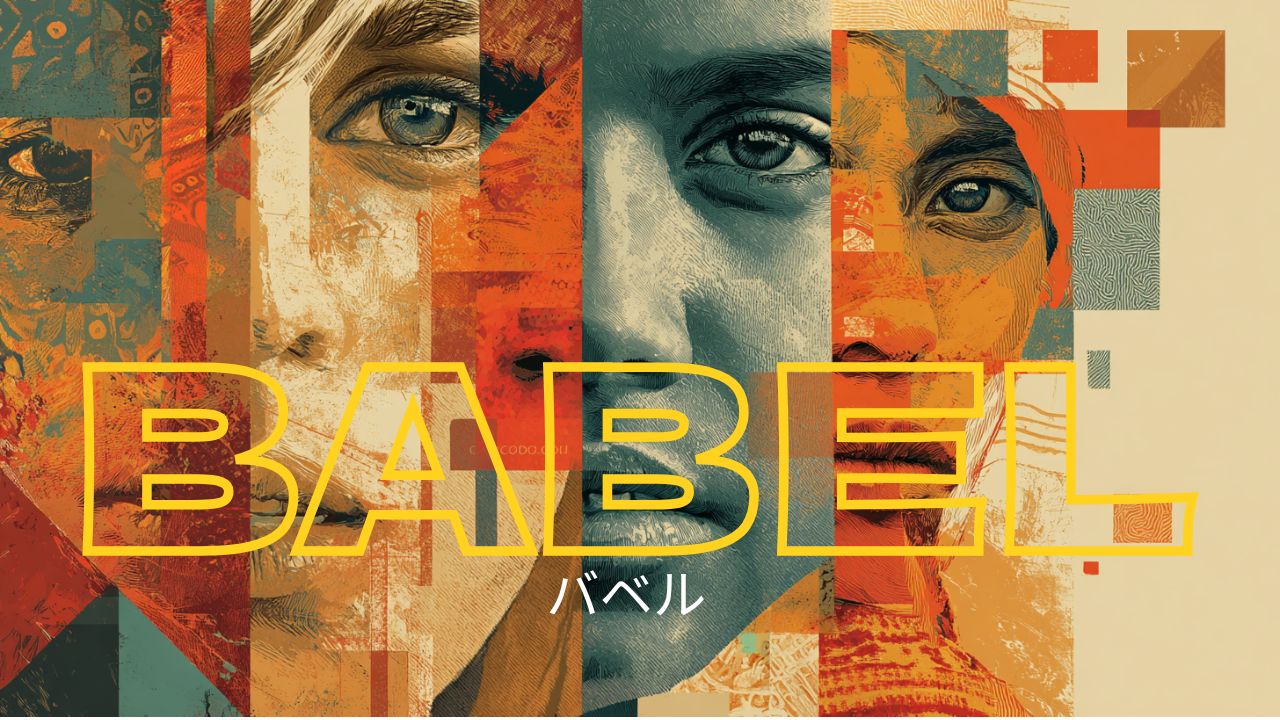
For this special day, recommending Alejandro González Iñárritu director’s 2006 Babel. This work epic drama set Morocco, Japan, Mexico, America across 3 continents 4 countries, four family stories connected by single incident.
Babel completing director’s “Death Trilogy” (following Amores Perros, 21 Grams), depicts communication disconnection and connection in globalized world, universality of loneliness and pain all humans carry. Title “Babel” derives from Old Testament “Tower of Babel,” suggesting story where God confused humanity’s language.
Simultaneously, this work set in post-9/11 world, sharply depicts how prejudice and fear further complicate communication, hurting innocent people. How Morocco accidental accident instantly labeled “terrorist attack” captures Islamophobia essence.
Watching this film March 15, we gain opportunity deeply considering both humanity’s universality and prejudice dividing it.
Basic Information & Synopsis
→ For synopsis and production information, see our Database Article
Director: Alejandro González Iñárritu
Year: 2006
Runtime: 143 minutes
Production: Paramount Vantage, Anonymous Content
Commemorative Day: International Day to Combat Islamophobia (March 15)
Synopsis: Morocco, Japan, Mexico, America — four countries, four families connected by single rifle. Morocco Berber shepherd buys rifle for jackals, gives to sons. Sons playfully shoot, bullet accidentally hits American tourist bus, wounding woman Susan (Cate Blanchett). Husband Richard (Brad Pitt) desperately seeks help, but Morocco authorities and US government suspect “terrorist attack,” complicating everything. Meanwhile, children left San Diego nanny Amelia (Adriana Barraza) takes them Mexico wedding, leading unexpected tragedy. Tokyo, deaf high school girl Chieko (Rinko Kikuchi) struggles loneliness and sexual awakening after mother’s suicide, father Yasujiro (Kōji Yakusho) connected to rifle. Film questions: Can we truly understand each other? What divides humanity? What’s prejudice cost?
Background Knowledge
Iñárritu Director and “Death Trilogy”
Babel final chapter Alejandro González Iñárritu director’s “Death Trilogy.” Trilogy collaboration with screenwriter Guillermo Arriaga follows Amores Perros (2000), 21 Grams (2003), completing with Babel (2006).
Common to trilogy: non-linear structure where multiple storylines connect through single incident, themes of human loneliness, loss, and connection thirst. Iñárritu each work captures moment chance events dramatically change life, simultaneously depicting human vulnerability and strength.
Babel competed 2006 Cannes Film Festival, Iñárritu won Best Director Award, first Mexican-born director receiving this honor. Work nominated 7 categories including Best Picture and Best Director at 79th Academy Awards, composer Gustavo Santaolalla won Academy Award Best Original Score. Also won 2007 Golden Globe Best Drama Picture, Iñárritu became first Mexican director nominated Academy Award Best Director.
Interestingly, after this trilogy, Iñárritu and Arriaga parted ways. Despite conflicts during filming, Arriaga later stated “had to end, but I still respect González Iñárritu.” Iñárritu later consecutively won Academy Award Best Director with Birdman (2014) and The Revenant (2015), becoming contemporary cinema representative director.
“Babel” Meaning and Film Theme
Film title “Babel” derives from Old Testament Genesis “Tower of Babel.” Biblical story, when humanity spoke single language, people attempted building tower reaching heaven. However God deemed this arrogance, confused people’s language, scattered them worldwide.
Iñárritu director transposes this myth to modern times, depicting not only language differences but all forms communication barriers: culture, religion, nationality, physical conditions (hearing disability). This work set Morocco, Mexico, United States, Japan, composed of four interrelated stories told in four different languages.
What Makes It Exceptional
Story Structure Without “Villain”
Babel‘s most excellent point is clear “villain” doesn’t exist. All appearing characters make understandable choices within their situations and values. Morocco boys act from curiosity, Amelia from family love, father played by Kōji Yakusho from good intentions.
However, each small choice and judgment error accumulates, leading to unexpected tragedy. This structure magnificently expresses life’s complexity and uncertainty. Audiences cannot blame single person, cannot help thinking “what if.”
Multilayered Perspective Intersection
Composition where four different countries, different cultures, different languages developing stories organically connect through single incident magnificent. Iñárritu director’s skillful editing, though timeline moves back and forth, audiences gradually understand overall picture.
Each story seems independent yet actually deeply interrelated. This structure suggests interdependence in globalized world, possibility our actions unexpectedly affect others.
Cast Acting Ability
International cast Brad Pitt, Cate Blanchett, Kōji Yakusho, Gael García Bernal, Adriana Barraza acting excels expressing emotions transcending words.
Particularly Rinko Kikuchi’s performance overwhelming, expressing deaf girl’s loneliness, anger, love thirst without words. Her Academy Award Best Supporting Actress nomination proves this acting ability.
Delicate Cinematography and Sound Design
Morocco’s desolate desert, Tokyo’s brilliant neon, Mexico’s cheerful wedding—each place’s atmosphere magnificently captured as visual beauty. Particularly Tokyo scenes depicted from Chieko’s perspective, sound design skillfully used, letting audiences also feel deaf person’s experienced world.
Silence and clamor, stillness and chaos contrast visually and aurally expresses communication disconnection theme.
Related Articles
- Babel Database – Synopsis & Production Details
- Alejandro González Iñárritu – Filmmaker Profile
- Brad pitt – Profile
- Koji Yakusho – Actor Profile
- Rinko Kikuchi – Actor Profile
はじめに
言葉を超えた人間性と、偏見が生む断絶を描く壮大なドラマ
3月15日は、イスラム恐怖症と闘う国際デー(International Day to Combat Islamophobia)として世界中で記念される日です。
2019年3月15日にニュージーランドのクライストチャーチで起きたモスク銃乱射事件を受け、2022年に国連総会がこの日を国際デーとして制定しました。イスラム恐怖症は、2001年9月11日の同時多発テロ以降、世界中で深刻化しており、偏見、差別、そして時には暴力をもたらしています。
この特別な日に観る作品として、アレハンドロ・ゴンザレス・イニャリトゥ監督による2006年の『バベル』(Babel)を推奨します。本作は、モロッコ、日本、メキシコ、アメリカという3大陸4カ国を舞台に、4つの家族の物語が一つの事件によって繋がっていく壮大なドラマです。
『バベル』は、監督の「死の三部作」(『アモーレス・ペロス』『21グラム』に続く)の完結編であり、グローバル化された世界におけるコミュニケーションの断絶と繋がり、すべての人間が抱える孤独と痛みの普遍性を描いています。タイトルの「バベル」は旧約聖書の「バベルの塔」に由来し、神が人類の言語を混乱させたという物語を示唆しています。
同時に、本作は9.11後の世界を舞台としており、偏見と恐怖がいかにコミュニケーションをさらに困難にし、無実の人々を傷つけるかも鋭く描いています。モロッコでの偶発的な事故が即座に「テロ攻撃」とラベル付けされる様子は、イスラム恐怖症の本質を捉えています。
3月15日にこの映画を観ることで、私たちは人間性の普遍性と、それを分断する偏見の両方について深く考える機会を得られるでしょう。
基本情報・あらすじ
→ あらすじや製作情報はデータベース記事へ
監督: アレハンドロ・ゴンザレス・イニャリトゥ
製作年: 2006年
上映時間: 143分
制作: Paramount Vantage、Anonymous Content
記念日: イスラム恐怖症と闘う国際デー(3月15日)
あらすじ: モロッコ、日本、メキシコ、アメリカ——4つの国、4つの家族が一丁のライフルによって繋がります。モロッコのベルベル人羊飼いがジャッカル対策にライフルを購入し、息子たちに渡します。息子たちが遊び半分で撃った弾丸が、偶然アメリカ人観光客のバスに当たり、女性スーザン(ケイト・ブランシェット)が負傷します。夫リチャード(ブラッド・ピット)は必死に助けを求めますが、モロッコ当局とアメリカ政府は「テロ攻撃」を疑い、すべてが複雑化します。一方、サンディエゴに残された子供たちを預かった乳母アメリア(アドリアナ・バラーザ)は、メキシコの結婚式に連れて行き、予期せぬ悲劇を招きます。東京では、母親の自殺後、孤独と性的目覚めに苦しむ聴覚障害の高校生チエコ(菊地凛子)、その父ヤスジロウ(役所広司)がライフルと繋がっています。映画は問いかけます:私たちは本当に互いを理解できるか? 人間性を分断するものは何か? 偏見の代償は何か?
予備知識
イニャリトゥ監督と「死の三部作」
『バベル』は、アレハンドロ・ゴンザレス・イニャリトゥ監督の「死の三部作」の最終章です。脚本家ギジェルモ・アリアガとのコラボレーションによる三部作は、『アモーレス・ペロス』(2000年)、『21グラム』(2003年)に続き、『バベル』(2006年)で完結しました。
三部作に共通するのは、複数のストーリーラインが一つの事件で繋がる非線形構成と、人間の孤独、喪失、そして繋がりへの渇望というテーマです。イニャリトゥは各作品で、偶然の出来事が人生を劇的に変える瞬間を捉え、人間の脆弱性と強さを同時に描き出しています。
『バベル』は2006年のカンヌ国際映画祭でコンペティション部門に出品され、イニャリトゥは最優秀監督賞を受賞し、メキシコ生まれの監督として初めてこの栄誉に輝きました。本作は第79回アカデミー賞で作品賞と監督賞を含む7部門にノミネートされ、作曲家グスタボ・サンタオラヤがアカデミー賞作曲賞を受賞しました。また、2007年のゴールデングローブ賞ドラマ部門で作品賞を受賞し、イニャリトゥはメキシコ人監督として初めてアカデミー賞監督賞にノミネートされました。
興味深いことに、この三部作の後、イニャリトゥとアリアガは袂を分かつことになります。撮影中の対立があったものの、アリアガは後に「終わってしまうしかなかったが、私は今でもゴンサレス・イニャリトゥを尊敬している」と語っています。イニャリトゥは後に『バードマン』(2014年)と『レヴェナント』(2015年)でアカデミー監督賞を連続受賞し、現代映画界を代表する監督となります。
「バベル」の意味と映画のテーマ
映画のタイトル「バベル」は、旧約聖書創世記に登場する「バベルの塔」に由来します。聖書の物語では、人類が一つの言語を話していた時代、人々は天に届く塔を建てようとしました。しかし神はこれを傲慢と見なし、人々の言語を混乱させ、世界中に散らばらせたとされています。
イニャリトゥ監督はこの神話を現代に置き換え、言語の違いだけでなく、文化、宗教、国籍、そして身体的条件(聴覚障害)など、あらゆる形のコミュニケーション障壁を描きます。本作は、モロッコ、メキシコ、アメリカ合衆国、日本を舞台に、4つの異なる言語で語られる4つの相互に関連した物語から構成されています。
優れている点
「悪役」がいない物語構造
『バベル』の最も優れた点は、明確な「悪役」が存在しないことです。登場するすべてのキャラクターは、それぞれの状況と価値観の中で理解できる選択をしています。モロッコの少年たちは好奇心から、アメリアは家族への愛から、役所広司演じる父親は善意から行動しています。
しかし、それぞれの小さな選択や判断ミスが積み重なり、予期せぬ悲劇へとつながっていきます。この構造は、人生の複雑さと不確実性を見事に表現しています。観客は誰か一人を責めることができず、「もし~だったら」と考えずにはいられません。
多層的な視点の交錯
4つの異なる国、異なる文化、異なる言語で展開される物語が、一つの事件によって有機的に結びついていく構成は見事です。イニャリトゥ監督の巧みな編集により、時間軸が前後しながらも、観客は次第に全体像を理解していきます。
それぞれの物語は独立しているようでいて、実は深く関連し合っています。この構造は、グローバル化された世界における相互依存と、私たちの行動が予期せぬ形で他者に影響を与える可能性を示唆しています。
俳優陣の演技力
ブラッド・ピット、ケイト・ブランシェット、役所広司、ガエル・ガルシア・ベルナル、アドリアナ・バラーザといった国際的な俳優陣の演技は、言葉を超えた感情の表現において卓越しています。
特に菊地凛子の演技は圧巻で、聴覚障害を持つ少女の孤独と怒り、そして愛への渇望を、言葉なしに表現しています。彼女のアカデミー助演女優賞ノミネートは、この演技力の証明です。
繊細な撮影と音響デザイン
モロッコの荒涼とした砂漠、東京の煌びやかなネオン、メキシコの陽気な結婚式——それぞれの場所の雰囲気が映像美として見事に捉えられています。特にチエコの視点から描かれる東京のシーンでは、音響デザインが巧みに使われ、聴覚障害者の体験する世界を観客にも感じさせます。
沈黙と喧騒、静寂と混沌のコントラストが、コミュニケーションの断絶というテーマを視覚的・聴覚的に表現しています。