
Choose Your Language / 言語を選択:
Introduction
Voices Heard, Voices Unheard — Bullying, Redemption, Story About “Living”
March 3 is “World Hearing Day.”
This international day established by WHO (World Health Organization) raises awareness about hearing and hearing loss, deepens understanding toward people with hearing loss or hearing disabilities, advocates hearing care importance.
Worldwide, approximately 1.5 billion people have some degree of hearing loss. Among them, approximately 430 million people experience hearing loss affecting daily life. However, with appropriate support and care, many people can lead richer lives.
Hearing loss not merely physical problem of “cannot hear sounds.” It affects all life aspects: communication, social participation, education, employment. And prejudice and misunderstanding create further barriers.
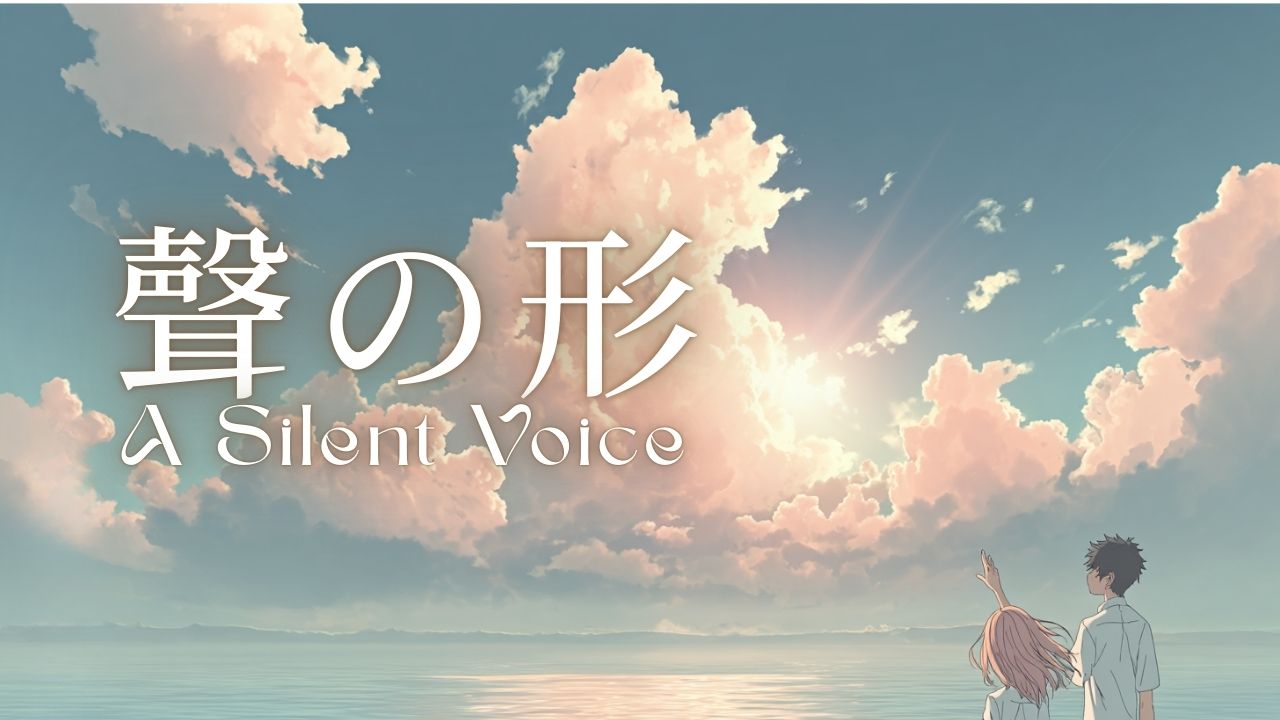
For this special day, strongly recommending 2016 release A Silent Voice.
This work depicts story of hearing-impaired girl Nishimiya Shoko and Ishida Shoya who bullied her during elementary school. Shoya, isolated as bullying consequence, now high school student, seeks redemption and forgiveness, reunites with Shoko.
Original manga by Oima Yoshitoki, serialized in Weekly Shonen Magazine. This work dealing with heavy, delicate themes caused great response, became hit exceeding 3 million copies cumulative circulation.
Film adaptation handled by Kyoto Animation. Director Yamada Naoko, screenplay Yoshida Reiko. K-On!, Tamako Love Story team challenged this difficult subject matter.
This work released September 17, 2016, recorded 2.3 billion yen box office becoming major hit. Won Japan Academy Prize Excellent Animation of the Year, highly evaluated at domestic and international film festivals.
Hearing disability, bullying, redemption, communication, meaning of living—these heavy themes, Kyoto Animation depicted with overwhelming visual beauty and delicate direction.
Basic Information & Synopsis
→ For synopsis and production information, see our Database Article
Director: Yamada Naoko
Year: 2016
Runtime: 129 minutes
Production: Kyoto Animation
Commemorative Day: World Hearing Day (March 3)
Background Knowledge
Original Manga
A Silent Voice manga by Oima Yoshitoki, serialized in Weekly Shonen Magazine 2013-2014. Total 7 volumes.
This work caused great response when one-shot version published 2011. As shonen manga dealing with heavy themes of hearing disability and bullying, attracted unusual attention.
Historical Context – Publication “Hold”: When original one-shot version submitted to Magazine, due to excessively intense content (bullying depiction), editorial department held publication for several years. Overcoming this to reach world symbolizes this work’s “resolve.”
Serialized version greatly expanded one-shot version, carefully depicted not only Shoko but also Shoya and surrounding people’s perspectives.
Original won 19th Tezuka Osamu Cultural Prize New Artist Prize.
Kyoto Animation’s Challenge
Kyoto Animation anime studio created numerous masterpieces: The Melancholy of Haruhi Suzumiya, K-On!, Hyouka, Sound! Euphonium.
This work’s director Yamada Naoko young director known for K-On!, Tamako Love Story. Her delicate direction and visual sense capturing daily life beauty fully demonstrated in this work.
Screenplay writer Yoshida Reiko accomplished screenwriter handled K-On!, Girls und Panzer, Sound! Euphonium.
This work challenging work for Kyoto Animation. Unlike previous bright enjoyable works, deals with heavy themes: bullying, suicide, disability.
However, Kyoto Animation depicted this difficult theme beautifully, sincerely, with hope.
Hearing Disability Depiction
This work depicts character with hearing disability as major person.
During production, staff cooperated with hearing disability organizations, received sign language supervision. Sign language used in work based on actual Japanese sign language. More precisely, carefully balanced between “Japanese Sign Language” and “Signed Japanese” for animation comprehensibility. Notably, “hand expressions” differ between Shoko’s mother and Shoya’s mother, reflecting their different relationships with sign language.
Also, Hayami Saori voicing Shoko researched hearing-impaired people’s pronunciation characteristics, carefully performed. Shoko’s pronunciation unclear, sometimes difficult to hear, but this intentional direction.
This work depicts hearing disability not as “disability to overcome” but as “part of that person.” Shoko has disability, but that’s not her everything.
“X” Mark Direction
One of this work’s characteristic directions is “X” marks on people’s faces.
Shoya cannot face others, sees “X” marks on classmates’ faces. This visualizes psychological state rejecting relationships with others.
This direction exists in original manga but more effectively expressed in animation.
Film’s climax, scene “X” marks peel away symbolizes moment Shoya accepted facing others.
Box Office Performance and Acclaim
This work released September 17, 2016 in Japan.
Box office recorded 2.3 billion yen, becoming major hit entering top 10 Japanese films (live-action and animation) 2016.
Critically highly evaluated. Won Japan Academy Prize Excellent Animation of the Year, Mainichi Film Award Animation Film Award.
Also screened at Scotland’s Edinburgh International Film Festival, Los Angeles film festivals, attracting international attention.
Audiences shared many impressions: “cried,” “pierced heart,” “heavy but glad watched.”
What Makes It Exceptional
Kyoto Animation’s Overwhelming Visual Beauty
This work’s greatest excellence is Kyoto Animation’s visual beauty.
Kyoto Animation known for beautifully capturing daily life casual moments, this work also fully demonstrates that power.
Water surface ripples, cherry blossom petals scattering, light streaming into classroom, riverside promenade—everything beautifully depicted.
Also, light usage magnificent. Soft morning light, sunset orange light, fireworks vivid light—light and shadow contrast delicately expresses characters’ psychological states.
Delicate Direction
Director Yamada Naoko’s direction extremely delicate.
This work succeeds visually expressing “wordless things.”
For example, scene Shoko repeatedly signing “sorry.” Her expression, hand movements, surrounding reactions—more conveyed than words.
Also, direction showing Shoya cannot see surrounding people’s faces with “X” marks impressive. This visualization directly conveys Shoya’s loneliness and fear to audience.
Director Yamada frequently uses “feet” shots. Walking feet, stopping feet, running feet—feet depiction eloquently tells characters’ psychological states.
Sound Design Innovation
This work’s sound design extremely important element.
As work dealing with hearing disability, “sound” and “silence” usage very effective.
Shoko’s perspective scenes, sound intentionally suppressed, distorted. This enables audience pseudo-experiencing world Shoko experiences.
Also, important scenes music stops, only environmental sounds remain, impressive direction. Silence moments speaking more than words.
Music handled by Kensuke Ushio. His obsessive commitment to “sound” reached extremes: to recreate sound through hearing aids, installed microphone inside piano, incorporated even mechanism friction noise as music—extremely avant-garde method (album a silent voice). His music minimal, delicate, quietly supports story emotions.
Theme song “Koi wo Shita no wa” (aiko) also perfectly matches work atmosphere. Painful, gentle, hope-filled song.
Voice Acting Depth
Voice acting in this work extremely important.
Irino Miyu voicing Shoya magnificently expresses character growth from childhood to high school. Elementary school Shoya’s cruelty, high school Shoya’s suffering and redemption desire—emotional changes delicately performed.
Hayami Saori voicing Shoko researched hearing-impaired people’s speech characteristics, intentionally performed unclear pronunciation. This realistic depiction brings Shoko’s character depth and reality.
Supporting cast also wonderful. Kaneko Yuki voicing Ueno Naoka, Kito Megumi voicing Nishimiya Yuzuru—each character vividly brought to life.
Related Articles
- A Silent Voice Database – Synopsis & Production Details
- Yamada Naoko – Filmmaker Profile
- Kyoto Animation – Studio Profile
はじめに
聞こえる声、聞こえない声——いじめと贖罪、そして「生きる」ことへの物語
3月3日は、「世界聴覚デー(World Hearing Day)」です。
WHO(世界保健機関)が制定したこの国際デーは、聴覚と聴覚障害に対する意識を高め、難聴や聴覚障害を持つ人々への理解を深め、聴覚ケアの重要性を啓発する日です。
世界には、約15億人の聴覚に何らかの障害を持つ人々がいます。そのうち約4億3000万人は、日常生活に支障をきたすレベルの難聴を抱えています。しかし、適切な支援とケアがあれば、多くの人々がより豊かな生活を送ることができます。
聴覚障害は、単に「音が聞こえない」という身体的な問題だけではありません。それは、コミュニケーション、社会参加、教育、就労——人生のあらゆる側面に影響を与えます。そして、偏見や無理解が、さらなる障壁を生み出します。
この特別な日に観る作品として、2016年公開の『聲の形』を推奨します。
本作は、聴覚障害を持つ少女・西宮硝子と、小学生時代に彼女をいじめた石田将也の物語です。将也は、いじめの代償として孤立し、高校生になった今、贖罪と許しを求めて硝子と再会します。
原作は、大今良時による漫画で、『週刊少年マガジン』に連載されました。この重く、繊細なテーマを扱った作品は、大きな反響を呼び、累計発行部数300万部を超えるヒットとなりました。
映画化を手がけたのは、京都アニメーション。監督は山田尚子、脚本は吉田玲子。『けいおん!』『たまこラブストーリー』のコンビが、この難しい題材に挑みました。
本作は、2016年9月17日に公開され、興行収入23億円を記録する大ヒットとなりました。日本アカデミー賞優秀アニメーション作品賞を受賞し、国内外の映画祭で高い評価を得ました。
聴覚障害、いじめ、贖罪、コミュニケーション、生きる意味——これらの重いテーマを、京都アニメーションは圧倒的な映像美と繊細な演出で描き出しました。
基本情報・あらすじ
→ あらすじや製作情報はデータベース記事へ
監督: 山田尚子
製作年: 2016年
上映時間: 129分
制作: 京都アニメーション
記念日: 世界聴覚デー(3月3日)
予備知識
原作漫画
『聲の形』は、大今良時による漫画で、『週刊少年マガジン』にて2013年から2014年まで連載されました。全7巻。
この作品は、読み切り版が2011年に掲載された時から、大きな反響を呼びました。聴覚障害、いじめという重いテーマを扱った少年漫画として、異例の注目を集めました。
歴史的文脈——連載時の「保留」: 原作の読み切り版がマガジンに投稿された際、あまりに過激な内容(いじめの描写)から、編集部内で数年間にわたり掲載が「保留」されていました。これを乗り越えて世に出たという事実は、本作が持つ「覚悟」を象徴しています。
連載版では、読み切り版を大幅に拡張し、硝子だけでなく、将也、そして周囲の人々の視点も丁寧に描かれました。
原作は、第19回手塚治虫文化賞新生賞を受賞しました。
京都アニメーションの挑戦
京都アニメーションは、『涼宮ハルヒの憂鬱』『けいおん!』『氷菓』『響け!ユーフォニアム』など、数々の名作を生み出してきたアニメスタジオです。
本作の監督・山田尚子は、『けいおん!』『たまこラブストーリー』で知られる若手監督です。彼女の繊細な演出と、日常の中の美しさを切り取る映像センスは、本作でも存分に発揮されています。
脚本の吉田玲子は、『けいおん!』『ガールズ&パンツァー』『響け!ユーフォニアム』などを手がけた実力派脚本家です。
本作は、京都アニメーションにとって挑戦的な作品でした。これまでの明るく楽しい作品とは異なり、いじめ、自殺、障害という重いテーマを扱っています。
しかし、京都アニメーションは、この難しいテーマを、美しく、誠実に、そして希望を持って描き出しました。
聴覚障害の描写
本作は、聴覚障害を持つキャラクターを主要人物として描いています。
制作にあたり、スタッフは聴覚障害者団体と協力し、手話監修を受けました。作中で使用される手話は、実際の日本手話に基づいていますが、より厳密には「日本手話」と「日本語対応手話」の中間的な表現として、アニメーションとして伝わりやすいよう細心の注意が払われています。特に注目すべきは、硝子の母と将也の母の「手の表情」の違いです。これは、手話との関係性の違いを反映しています。
また、硝子の声を演じた早見沙織は、聴覚障害者の発音の特徴を研究し、丁寧に演じました。硝子の発音は不明瞭で、時に聞き取りにくいですが、これは意図的な演出です。
本作は、聴覚障害を「克服すべき障害」としてではなく、「その人の一部」として描いています。硝子は、障害を持っていますが、それは彼女のすべてではありません。
「×」印の演出
本作の特徴的な演出の一つが、人々の顔に付いた「×」印です。
将也は、他者と向き合うことができず、クラスメイトの顔に「×」印を見ています。これは、彼が他者との関係を拒絶している心理状態を視覚化したものです。
この演出は、原作漫画にもありますが、アニメーションでより効果的に表現されています。
映画のクライマックスで、「×」印が剥がれ落ちる場面は、将也が他者と向き合うことを受け入れた瞬間を象徴しています。
興行成績と評価
本作は、2016年9月17日に日本で公開されました。
興行収入は23億円を記録し、2016年の日本映画(実写・アニメ含む)で10位以内に入る大ヒットとなりました。
批評的にも高く評価されました。日本アカデミー賞優秀アニメーション作品賞、毎日映画コンクールアニメーション映画賞を受賞しました。
また、スコットランドのエジンバラ国際映画祭、ロサンゼルスの映画祭などでも上映され、国際的にも注目を集めました。
観客からは、「泣いた」「心に刺さった」「重いけど観てよかった」という感想が多く寄せられました。
優れている点
京都アニメーションの圧倒的な映像美
本作最大の優れた点は、京都アニメーションによる映像美です。
京都アニメーションは、日常の何気ない瞬間を美しく切り取ることで知られていますが、本作でもその力が遺憾なく発揮されています。
水面の揺らぎ、桜の花びらが散る様子、光が差し込む教室、川沿いの遊歩道——すべてが、美しく描かれています。
また、光の使い方も見事です。柔らかな朝の光、夕暮れのオレンジ色の光、花火の鮮やかな光——光と影のコントラストが、登場人物たちの心理状態を繊細に表現しています。
繊細な演出
山田尚子監督の演出は、極めて繊細です。
本作では、「言葉にならないもの」を視覚的に表現することに成功しています。
例えば、硝子が手話で「ごめんなさい」と繰り返すシーン。彼女の表情、手の動き、そして周囲の反応——言葉以上に多くのことが伝わってきます。
また、将也が周囲の人々の顔を見られず、「×」印が付いている演出も印象的です。この視覚化により、将也の孤独と恐怖が、観客に直接伝わります。
山田監督は、「足元」を映すことも多用します。歩く足、止まる足、走る足——足元の描写が、キャラクターの心理状態を雄弁に語ります。
音響設計の工夫
本作の音響設計は、極めて重要な要素です。
聴覚障害を扱った作品として、「音」と「沈黙」の使い方が非常に効果的です。
硝子の視点のシーンでは、音が意図的に抑えられ、歪められています。これにより、観客は硝子が経験している世界を疑似体験することができます。
また、重要な場面で音楽が止まり、環境音だけが残る演出も印象的です。沈黙が、言葉よりも多くを語る瞬間があります。
音楽は、牛尾憲輔が担当しました。彼の「音」への狂気的なこだわりは極限に達しています:補聴器を通した「音」を再現するため、ピアノの内部にマイクを設置し、機構が擦れる雑音さえも音楽として取り込むという、極めて前衛的な手法(アルバム『a silent voice』)をとっています。 彼の音楽は、ミニマルで繊細で、物語の感情を静かに支えています。
主題歌「恋をしたのは」(aiko)も、作品の雰囲気に完璧に合っています。切なく、優しく、希望に満ちた楽曲です。
声優陣の深い演技
本作の声優陣の演技は、極めて重要です。
入野自由が演じる将也は、小学生から高校生への成長を見事に表現しています。小学生時代の将也の残酷さ、高校生になった将也の苦しみと贖罪への願い——感情の変化を繊細に演じています。
早見沙織が演じる硝子は、聴覚障害者の発音の特徴をリサーチし、意図的に不明瞭な発音を演じました。このリアルな描写が、硝子というキャラクターに深みと現実性をもたらしています。
脇を固める声優陣も素晴らしいです。金子有希が演じる植野直花、悠木碧が演じる西宮結絃——それぞれのキャラクターが生き生きと描かれています。
関連記事
- 聲の形 データベース – あらすじ・製作情報
- 山田尚子 – 監督プロフィール
- 京都アニメーション – スタジオプロフィール