
Choose Your Language / 言語を選択:
Introduction
Power Summit’s Death, Laughter, Terror Rhapsody 権力の頂点で繰り広げられた、死と笑いと恐怖の狂騒曲
March 5 is day one dictator who shook world history drew final breath.
March 5, 1953, 9:50 AM—short announcement from Moscow flowed throughout Soviet Union. “Soviet Union Communist Party Central Committee Chairman, Council of Ministers Chairman, Comrade Iosif Vissarionovich Stalin died March 5, 1953, result of severe illness.” Man who dominated Soviet Union 29 years drew final breath.
What kind of person was Stalin (1878-1953)? Beginning dominating Soviet Union from 1924, his rule’s essence in one word: “terror.” 1936-1938 “Great Purge” executed estimated 680,000-1.2 million, sent over million to Gulag (forced labor camps). Purge targets: military generals, party executives, intellectuals, peasants—anyone possible. Midnight NKVD (secret police) knocks door, torture forces confessions, labeled “spy” “counter-revolutionary”—that alone, death sentence. Stalin signs execution target list—that alone, people died.
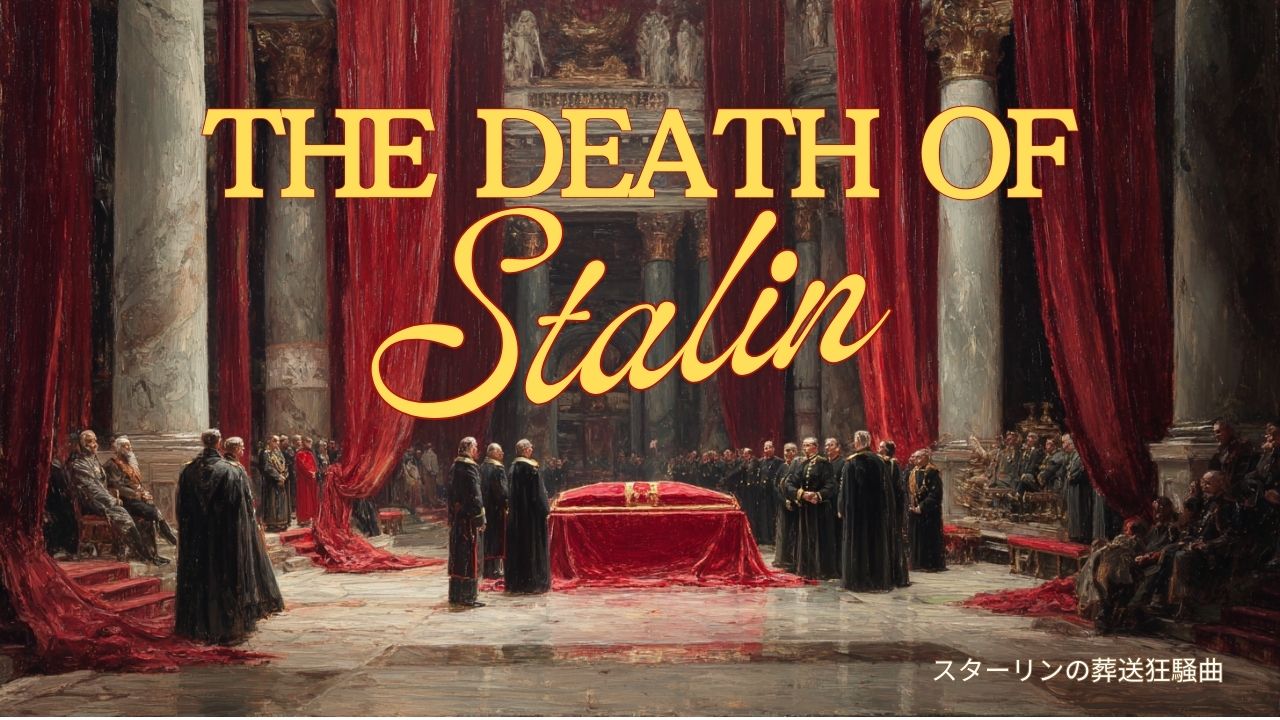
When dictator imposing such terror politics suddenly collapsed, what did remaining people do? 2017, British director Armando Iannucci filmed this moment. Title The Death of Stalin—Japanese title “Stalin’s Funeral Rhapsody.”
“Rhapsody (Burlesque)” is musical/theatrical form depicting serious things comically. And power struggle unfolding after Stalin’s death truly rhapsody—death and laughter, terror and comedy, historical accuracy and black humor strangely coexisting rhapsody.
This work political satire black comedy based on French graphic novel La Mort de Staline (2010-2012). Evaluation extremely high: Rotten Tomatoes 94%, Metacritic 88 points (“universal acclaim”). And Russia screening banned as “ideological warfare act.” Iannucci director states—”that’s film’s spirit itself.”
March 5—Stalin death day—watching this film confronting one of history’s strangest truths. When person at power summit dies, what do remaining people do? Answer—laughably human, terrifyingly universal.
Basic Information & Synopsis
→ For synopsis and production information, see our Database Article
Director: Armando Iannucci
Year: 2017
Runtime: 107 minutes
Production: Gaumont, Quad Productions
Commemorative Day: Stalin Death Anniversary (March 5)
Background Knowledge
French Graphic Novel Source
This work based on French graphic novel La Mort de Staline (2010-2012) by Fabien Nury and Thierry Robin. Iannucci added independent research for screenplay—visited Moscow, inspected Kremlin, Stalin’s dacha (villa), secret bunker (Moscow underground 40 floors). Filming not Russia but London. Russians at screening asked “where filmed in Moscow?” sets looked so real.
Why Iannucci Director Made This Film—Production Background
Trigger was offer. French producer bought graphic novel film rights, asked Iannucci to direct. However Iannucci himself originally had strong interest “wanting to depict dictatorships,” immediately accepted.
Production started June 2016 timing also important. Iannucci states—”started 2-3 years ago, when nobody yet knew about UK Brexit or Trump. At that time, turning eyes toward authoritarianism and totalitarianism, investigating how nation threatened by single individual.” For Iannucci who consistently depicted political dysfunction through laughter in BBC’s political satire The Thick of It and HBO’s Veep, post-Stalin death power struggle “exactly theme I should depict.” And when film completed, Brexit referendum and Trump election reality happened outside screen, Iannucci himself surprised “strangely resonating.”
And research gave conviction to black comedy form. Researching 1940s-50s Moscow, Iannucci learned fact: Stalin and Beria joke collections secretly circulated underground. “Possession meant execution if found, yet very popular. In world dominated by tension and terror, strangely somewhat hysterical absurdity emerges”—this fact that people didn’t abandon laughter even amid terror convinced Iannucci legitimacy of shooting as black comedy.
Laughter was resistance. And Iannucci revived that resistance spirit on 2017 screen.
Screening Ban—When Film Strikes Truth
This work screening banned Russia late 2017. Russian Culture Ministry asserted “hurts Russian people’s pride toward Soviet era” “ideological warfare act.” However result, film viewed 1.5 million times illegal download Russia by January 2019. Iannucci director states “that’s film’s spirit itself.”
Stalin’s Terror Politics—”Great Purge” Reality
Iosif Stalin (1878-1953) dominated Soviet Union from 1924. His rule characteristic was terror. Great Purge (1936-1938): estimated 680,000-1.2 million executed. Over million sent to Gulag (forced labor camps). Purge targets—military generals, party executives, intellectuals, peasants—anyone.
Arrest mechanism: Midnight, NKVD (secret police) knocks door. Defendants tortured forcing confessions—often completely false charges. “Spy” “counter-revolutionary” “Trotskyist”—these labels, death sentence.
Film’s characters all lived within this terror. They didn’t respect Stalin—obeyed to survive. Molotov didn’t protest when wife arrested by NKVD—protesting means his own death. Film opening shows “execution lists”—thousands of names. Stalin signs—that alone, people died.
Lavrentiy Beria—Most Dangerous Man
Beria (1899-1953) film’s most complex character. Real Beria one of most feared persons in Stalin regime. He directed hundreds of thousands executions and imprisonments using NKVD. He also sexual predator, widely known for kidnapping young women.
However after Stalin’s death, suddenly shows “reformer” face—political prisoner releases, East Germany independence permission. Was this genuine or power grab calculation—historians debate. Film, Simon Russell Beale magnificently performs this grotesque complexity—charming, intelligent, yet beneath hiding cold calculation.
Khrushchev—Actual Successor
Nikita Khrushchev (1894-1971) seized power after Stalin’s death. 1956 Soviet Communist Party 20th Congress gave “Secret Speech,” first official criticism of Stalin’s crimes, remaining in history as “Stalin Criticism.” Film’s Steve Buscemi playing Khrushchev is New York accent common politician. Iannucci director explains—”Khrushchev from Ukraine, didn’t attend university, had inferiority complex toward intellectuals. Therefore Buscemi perfect.”
Not Unifying Accents—Intentional Direction Decision
Film’s strangest point—nobody has Russian accent. Steve Buscemi has New York accent, Jason Isaacs has Yorkshire accent, Michael Palin has British English—this intentional direction. “Russia has hundreds of accents like England or America. Fake Russian accent places transparent curtain between audience and actors. I wanted avoiding that,” Iannucci director states. Russian press person watched film said “thank you for not doing fake Russian accent.”
USSR and Religion—”Godless State” Facade
Understanding USSR’s religious position helps seeing film’s details more vividly.
USSR from founding made Marx’s “religion is opium of the people” national policy pillar, thorough atheist state. Stalin era, churches closed/destroyed, clergy purged as “counter-revolutionaries.” Having faith dangerous, party members participating religious rituals meant ideological betrayal.
However Stalin himself, needing raise national morale during WWII, temporarily “utilized” Russian Orthodox Church. Allowed church activities somewhat as war cooperation exchange, utilized as patriotism device. But this merely political tool, party’s official position unchanged.
This background gives meaning to film scene Beria inviting religious leader (bishop) to Stalin’s funeral. “Who called him?” “Don’t know” “Ask Beria”—this skit-like message relay scene actually serious accusation. Beria acting against Communist Party fundamental principles without committee approval—this appeared to other committee members as evidence “Beria moves alone like Stalin did.” Beneath laughable scene, groundwork for Beria’s downfall accumulated.
What Makes It Exceptional
Ensemble Cast—Laughter Amid Terror
This work’s greatest strength is cast.
Simon Russell Beale (Beria): Famous Shakespeare actor Beale performs Beria. His performance core—charm. Beria intelligent, calm, sometimes even appears kind. However, beneath, cold calculation. Scene he visits Politburo member’s home midnight “as friend”—”what for?” terror conveyed not through words but acting. Review states “only Beria truly terrifying.” Other characters comedy but only Beria, after laughter, spine freezes.
Steve Buscemi (Khrushchev): Buscemi performs Khrushchev as “street politician”—crude, foul-mouthed, yet politically sharper than anyone. His best line—after informed Stalin collapsed, discussing with other Politburo members “should we call doctors”— “Room is 75% unconscious” (calculating proportion of people not unconscious in room)
Jason Isaacs (Zhukov): Film’s most intense entry—Zhukov appears throwing coat. Yorkshire accent, medal-covered (still fewer than reality), attitude fearing nobody. He immediately sees through Politburo members’ timidity, shouts “do it or don’t, be clear”
Michael Palin (Molotov): Former Monty Python member Palin playing Molotov, film’s most tragic comedy character. He didn’t protest when wife imprisoned—to show loyalty to Stalin. And when wife released—doesn’t know if should rejoice or if it’s betrayal to Stalin. “Love for wife” and “loyalty to system” completely disintegrated within him.
Jeffrey Tambor (Malenkov): Malenkov supposed functioning as Stalin’s official successor. However, film’s Malenkov ultimate indecisiveness endlessly worrying about what to wear. “Want to look slim in photos”—at critical moment of power grab, this is what he cares about. Iannucci states actual Malenkov eventually became hydroelectric plant manager, won productivity award—”clearly that was happiest for him”
Related Articles
- The Death of Stalin Database – Synopsis & Production Details
- Armando Iannucci – Filmmaker Profile
- Steve Buscemi – Actor Profile
はじめに
権力の頂点で繰り広げられた、死と笑いと恐怖の狂騒曲
3月5日は、世界史を揺るがした一人の独裁者が息を引き取った日です。
1953年3月5日、午前9時50分——モスクワから短い発表がソビエト連邦全土に流れました。「ソビエト連邦共産党中央委員会議長、閣僚会議議長、ヨシフ・ヴィッサリオノヴィチ・スターリン同志は、1953年3月5日、重篤な疾患の結果、逝去されました」。29年間にわたってソビエト連邦を支配し続けた男が、息を引き取りました。
スターリン(1878〜1953)とはいかなる人物だったのでしょうか。1924年からソビエト連邦を支配し始めた彼の統治の本質は、一言で言えば「恐怖」でした。1936年から1938年にかけての「大粛清」では、推定68万人から120万人が処刑され、さらに百万人以上がグラーグ(強制労働収容所)へと送られました。粛清のターゲットは軍の将官、党の幹部、知識人、農民——誰でもありえました。夜中にNKVD(秘密警察)がドアをノックし、拷問によって自白を強要し、「スパイ」「反革命分子」のレッテルを貼られれば、それだけで死刑でした。処刑対象者のリストにスターリンが署名する——それだけで、人が死にました。
これほどの恐怖政治を敷いた独裁者が突然倒れたとき、残された者たちは何をしたのか。2017年、英国の監督アルマンド・イアヌッチ(Armando Iannucci)が、この瞬間を映画にしました。題名は『The Death of Stalin』——日本語タイトル「スターリンの葬送狂騒曲」。
「狂騒曲(Burlesque)」とは、真剣なものを滑稽に描く音楽・演劇の形式です。そして、スターリンの死後に繰り広げられた権力闘争は、まさに狂騒曲でした——死と笑いが、恐怖とコメディが、歴史の正確さとブラックユーモアが、奇妙に混在した狂騒曲。本作はフランスのグラフィックノベル『La Mort de Staline』(2010〜2012)を原作とした政治風刺ブラック・コメディです。評価は極めて高く、Rotten Tomatoes 94%、Metacritic 88点(「普遍的な称賛」)を記録しています。そして、ロシアでは「イデオロギー的戦争行為」として上映禁止になりました。イアヌッチ監督は言います——「それは映画の精神そのものだ」と。
3月5日——スターリン死去の日に——この映画を観ることは、歴史の最も奇妙な真実の一つと向き合うことです。権力の頂点に立つ者が死んだ時、残された者たちは何をするのか。その答えは——笑えるほど人間的で、恐ろしいほど普遍的です。
基本情報・あらすじ
→ あらすじや製作情報はデータベース記事へ
監督: アルマンド・イアヌッチ
製作年: 2017年
上映時間: 107分
制作: Gaumont、Quad Productions
記念日: スターリン死去の日(3月5日)
予備知識
フランスのグラフィックノベルが原作
本作はファビアン・ニュリとティエリー・ロバンのフランスのグラフィックノベル『La Mort de Staline』(2010〜2012)を原作としています。イアヌッチは脚本化にあたり独自の調査を追加し、モスクワを訪れてクレムリン、スターリンのダーチャ(別荘)、地下40階の秘密バンカーを視察しました。撮影はロシアではなくロンドンで行われましたが、ロシア人のスクリーニング参加者が「モスクワのどこで撮影したのか?」と尋ねるほど、セットが本物に見えたといいます。
イアヌッチ監督はなぜこの映画を撮ったのか——制作背景
きっかけはオファーでした。フランスのプロデューサーがグラフィックノベルの映画化権を買い、イアヌッチに監督を依頼しました。しかしイアヌッチ自身がもともと「独裁政権について描きたい」という強い関心を持っていたため、即座に引き受けたといいます。
制作が始まった2016年6月という時期も重要です。イアヌッチは語ります——「取り掛かったのは2〜3年前、まだ誰もイギリスのEU脱退やトランプについて知らない頃だった。当時、独裁主義や全体主義に目を向け、一個人によって国家がどのように脅かされるのか調べていた」と。BBCの政治風刺ドラマ『官僚天国!』やHBOの『Veep/ヴィープ』など、一貫して政治の機能不全を笑いで描いてきたイアヌッチにとって、スターリン死後の権力闘争は「まさに自分が描くべきテーマ」だったのです。そして映画が完成した頃には、Brexit国民投票とトランプ当選という現実がスクリーンの外で起きており、「奇妙に共鳴している」とイアヌッチ自身も驚いたといいます。
そしてリサーチが、ブラックコメディという形式への確信を与えました。1940〜50年代のモスクワを調べる中でイアヌッチが知ったのは、スターリンやベリヤに関するジョーク集が地下でひそかに出回っていたという事実でした。「所持が見つかれば銃殺されるのに、とても人気があった。緊張と恐怖が支配する世の中では、不思議なことに幾分ヒステリックな滑稽さが生まれる」——恐怖の中でも人々が笑いを手放さなかったというこの事実こそが、イアヌッチにブラックコメディとして撮ることの正当性を確信させました。
笑いは抵抗でした。そしてイアヌッチは、その抵抗の精神を2017年のスクリーンの上で蘇らせたのです。
上映禁止——映画が真実を突くとき
本作は2017年末にロシアで上映禁止になりました。ロシア文化省は「ロシア国民のソビエト時代に対する誇りを傷つける」「イデオロギー的戦争行為」と断言しました。しかし結果として、映画はロシアで2019年1月までに違法ダウンロードで150万回視聴されました。イアヌッチ監督は「それは映画の精神そのものだ」と語っています。
スターリンの恐怖政治——「大粛清」の現実
ヨシフ・スターリン(1878〜1953)は、1924年からソビエト連邦を支配しました。彼の支配の特徴は恐怖でした。大粛清(1936〜1938)では推定68万人から120万人が処刑され、百万人以上がグラーグ(強制労働収容所)に送られました。粛清のターゲットは軍の将官、党の幹部、知識人、農民——誰でもありえました。
逮捕の仕組みはこうでした。夜中にNKVD(秘密警察)がドアをノックします。被告は拷問により自白を強要されます——多くの場合、まったく事実でない罪状を。「スパイ」「反革命分子」「トロツキスト」——これらのレッテルで死刑でした。
映画の登場人物たちは全員、この恐怖の中で生きてきました。彼らはスターリンを尊敬していたのではありません——生き残るために、従っていました。モロトフは自分の妻がNKVDに逮捕されても異議を唱えませんでした——異議を唱えれば、自分も死ぬからです。映画のオープニングで示される「処刑リスト」——数千の名前が並ぶそのリストに、スターリンが署名する。それだけで人が死にました。
ラヴレンチー・ベリア——最も危険な男
ベリア(1899〜1953)は、映画の中で最も複雑なキャラクターです。現実のベリアはスターリン政権の中で最も恐れられた人物の一人で、NKVDを使って何十万人もの処刑と収監を指揮しました。彼はまた性的略奪者でもあり、若い女性を誘拐するなど、その残虐性は広く知られています。
しかしスターリンの死後、彼は突如「改革派」の顔を見せます——政治犯の釈放、東ドイツの独立許可。これが本心だったのか、権力掌握の計算だったのか——歴史家の間でも議論があります。映画ではシモン・ラッセル・ビールが、このグロテスクな複雑さを見事に演じています——知的で魅力的でありながら、その下に冷酷な計算を隠した男として。
フルシチョフ——実際の後継者
ニキータ・フルシチョフ(1894〜1971)はスターリンの死後、権力を握りました。1956年のソビエト共産党第20回大会では「秘密報告」を行い、スターリンの犯罪を初めて公式に批判した演説として歴史に残っています(「スターリン批判」)。映画でスティーヴ・ブシェミが演じるフルシチョフは、ニューヨーク訛りの庶民的な政治家です。イアヌッチ監督は語ります——「フルシチョフはウクライナ出身で大学に行っておらず、知識人たちに劣等感を持っていた。だからブシェミが完璧だった」。
アクセントを統一しない——意図的な演出決定
映画の最も奇妙な点の一つは、誰もロシア語訛りをしていないことです。スティーヴ・ブシェミはニューヨーク訛り、ジェイソン・アイザックスはヨークシャー訛り、マイケル・ペイリンはイギリス英語——これは意図的な演出です。「ロシアもイングランドやアメリカと同様、数百の訛りがある。偽のロシア訛りは観客と俳優の間に透明なカーテンを置く。私はそれを避けたかった」とイアヌッチ監督は語ります。ロシアのプレス関係者が映画を見て「偽ロシア訛りをしてくれなくてありがとう」と言ったというエピソードも残っています。
ソ連と宗教——「神のいない国家」の建前
ソ連における宗教の立ち位置を知っておくと、映画の細部がより鮮明に見えてきます。
ソ連は建国以来、マルクスの「宗教は人民のアヘンである」という言葉を国家方針の柱に据えた、徹底した無神論国家でした。スターリン時代には教会は閉鎖・破壊され、聖職者は「反革命分子」として粛清の対象となりました。信仰を持つことは危険であり、党員が宗教的儀式に参加することはイデオロギーへの裏切りを意味しました。
ただしスターリン自身は、第二次大戦中に国民の士気を高める必要から、ロシア正教会を一時的に「利用」しています。戦争協力の見返りとして教会活動をある程度認め、愛国心の装置として活用したのです。しかしこれはあくまで政治的な道具立てであり、党の公式立場は変わりませんでした。
この背景があるからこそ、映画の中でベリアがスターリンの葬儀に宗教的指導者(主教)を招待した場面が意味を持ちます。「誰が呼んだんだ?」「知らない」「ベリアに聞いて」——コントのような伝言ゲームに見えるこのシーンは、実は深刻な告発でした。共産党の根本原則に反する行為をベリアが委員会の承認なしに独断で行った——これは「ベリアはまたスターリンと同じように一人で勝手に動いている」という証拠として、他の委員たちの目には映ったはずです。笑えるシーンの裏に、ベリア失脚への布石が積み重なっていたのです。
優れている点
アンサンブル・キャスト——恐怖の中の笑い
本作最大の強みは、キャストです。
シモン・ラッセル・ビール(ベリア)は、シェイクスピア劇俳優として名高い実力者です。彼の演技の核心は「魅力」にあります。ベリアは知的で落ち着いており、時に優しくさえ見えます。しかしその下には冷酷な計算があります。彼が政治局員の家を夜中に「友人として」訪ねるシーン——「何の用だ?」という恐怖が言葉ではなく演技で伝わります。「ベリアだけが本当に恐ろしい」という評があります。他のキャラクターはコメディですが、ベリアだけは笑いの後に背筋が凍ります。
スティーヴ・ブシェミ(フルシチョフ)は、フルシチョフを「ストリートの政治家」として演じています——粗野で口が悪く、しかし誰よりも政治的に鋭い。彼の代表的なシーン——スターリンが倒れたと知らされた後、医者を呼ぶべきかを議論する場面で「この中で意識がある者は75%だ。」と寝巻姿で言い放つセリフは忘れられません。
ジェイソン・アイザックス(ジューコフ)の登場シーンは映画最大の見せ場の一つです。コートを投げながら入室し、メダルだらけの胸、ヨークシャー訛りの直言で政治局員たちの小心さを即座に見抜きます。「やるのか、やらないのか、はっきりしろ」——この一喝が全てを物語っています。
マイケル・ペイリン(モロトフ)は、元モンティ・パイソンのメンバーとして知られますが、本作では最も悲劇的なコメディキャラクターを演じています。妻が収監された時に異議を唱えなかった男が、妻の釈放を知らされて喜んでいいのかどうかわからなくなっている。「妻への愛」と「体制への忠誠」が彼の中で完全に解体されています。
ジェフリー・タンボー(マレンコフ)が演じるスターリンの公式後継者は、権力掌握の危機的瞬間に衣装について延々と悩む、優柔不断の極みです。実際のマレンコフは最終的に水力発電所の管理者になり生産性賞を受賞したとイアヌッチは語っています——「それが彼にとって最も幸せだったことは明らかだ」。