
Choose Your Language / 言語を選択:
Introduction
Media-Fabricated “Truth” and “Story”
March 6 is Sports Newspaper Day in Japan.
March 6, 1946 (Showa 21), Japan’s first daily sports newspaper Nikkan Sports was established. Sports newspapers born in post-war chaos period not only reported sports match results and records but also conveyed athletes’ human dramas and scandals with bold headlines, forming Japan’s unique media culture.
Japanese sports newspapers’ greatest characteristic is “headline culture.” Headlines using powerful words like “shock” “upheaval” “lightning” “suspicion” catch people’s eyes at station kiosks and convenience stores. Sports newspapers handle not only sports coverage like baseball and soccer but also entertainment news, political scandals, even imperial family topics. Particularly, celebrity scandals and “downfall” stories become perfect material.
Another sports newspaper characteristic is event “storytelling.” Simplifying complex reality into easy structures like “good guys” and “bad guys,” “heroes” and “villains,” reconstructing as dramatic stories audiences easily empathize with. While this method engages readers, sometimes truth distorts, parties’ voices buried, one-sided “villain” images created.
January 1994, Nancy Kerrigan attack incident dominated worldwide media, Japanese sports newspapers no exception. “Tonya Mastermind Theory” “Ice Queen Downfall” “Suspicious Triple Axel”—sports newspaper headlines reported incident as dramatic story. Figure skating’s elegant sport and violent attack gap, plus Olympics timing—all “perfect story” elements.
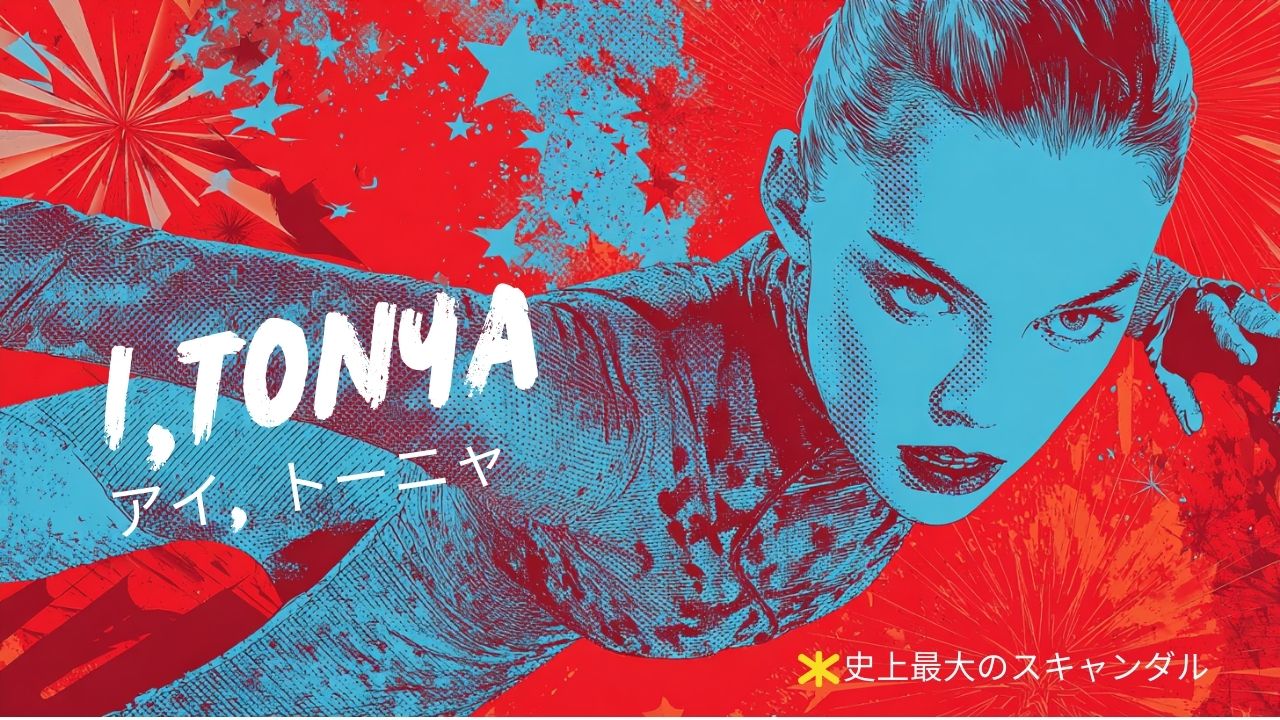
Watching I, Tonya (2017) on this day, film addressing scandal sports newspapers massively reported. 1994, Nancy Kerrigan attack incident shocking figure skating world—work depicting Tonya Harding’s life at scandal center, based on “contradictory” testimonies from herself and ex-husband Jeff Gillooly.
Director Craig Gillespie, screenplay Steven Rogers. Star Margot Robbie nominated Academy Award Best Actress, Allison Janney won Academy Award Best Supporting Actress as mother LaVona.
This film also scathing criticism about “how media treats people.” “Villain Tonya” story sports newspapers and media created versus “truth” she tells—depicts enormous gap between them with black comedy touch.
https://youtu.be/d2iy5y0YjGM?si=zbBZEVvPaZLdvvVd
Basic Information & Synopsis
→ For synopsis and production information, see our Database Article
Director: Craig Gillespie
Year: 2017
Runtime: 119 minutes
Production: LuckyChap Entertainment, Clubhouse Pictures
Commemorative Day: Sports Newspaper Day (March 6)
Background Knowledge
Screenplay Birth
Screenwriter Steven Rogers learned about Tonya Harding through figure skating documentary, got idea writing this film screenplay. He interviewed Tonya Harding and ex-husband Jeff Gillooly separately. Two remembered 1994 scandal events very differently.
Rogers decided—”that’s my entry. Present everyone’s perspective, let audience judge.” He later stated this film really about “stories we tell ourselves to live with ourselves…how we change narrative, want making it true story.”
Interestingly, Jeff Gillooly refused receiving money for life rights, interviews, anything. According to Rogers, Gillooly stated “Tonya was great figure skater,” admitted Nancy Kerrigan threat idea his own, took responsibility for his role in Tonya’s 1994 downfall. “He didn’t want profiting from it,” Rogers said.
Margot Robbie’s Preparation
Star Margot Robbie didn’t realize based on true story until finished reading screenplay. Just before filming, Robbie flew Los Angeles to Portland Oregon, met Tonya Harding herself.
For skating scenes preparation, Robbie trained 4 months. Heidi Munger and Anna Markov served skating doubles, Sarah Kawahara provided coaching and choreography. However production team couldn’t find skating double executing triple axel, this trick achieved through visual effects.
During filming, Robbie suffered herniated disc in neck, received regular MRI scans confirming safe continuing skating scene filming. Robbie revealed postponed honeymoon with husband Tom Ackerley for I, Tonya production.
Director’s Intent
Director Craig Gillespie stated interested in this project because “realized great opportunity revisiting this story, commenting on how media treats people.”
He also added “didn’t feel great about dragging Nancy’s name into this again.” Gillespie aimed presenting Tonya “very honest way,” “not trying pull heartstrings…just showing why she person she is.”
Music
Some songs used in film were from Tonya Harding’s actual routines, including ZZ Top’s “Sleeping Bag.” Other songs chosen by music supervisor Susan Jacobs. 1970s songs like Fleetwood Mac’s “The Chain” and Supertramp’s “Goodbye Stranger” from era music “warm” “powerful and rich.” Jacobs felt “classic rock songs filled film without obstructing story.”
Interestingly, Sufjan Stevens composed song “Tonya Harding” for film, sent to Jacobs, but couldn’t find way using in film, rejected.
Nancy Kerrigan’s Reaction
January 2018, Boston Globe columnist Dan Shaughnessy asked Nancy Kerrigan in phone interview if watched film—she hadn’t.
When Shaughnessy said Kerrigan once “victim of Tonya Harding’s dysfunctional life,” she agreed but emphasized busy living her own life. Kerrigan stated her only “role” in 1994 scandal recovering from attack, concluded “that’s it.”
What Makes It Exceptional
Fourth Wall Breaking Narrative Structure
I, Tonya‘s most innovative point is narrative structure. Characters directly address camera in modern documentary-style interviews, sometimes breaking fourth wall staring at camera even during past recreation scenes.
This structure emphasizes “truth” plurality. Tonya’s story, Jeff’s story, LaVona’s story—each different, contradictory, self-justifying. Film opening declares based on “contradictory” “completely true” interviews, making audience conscious of “unreliable narrators.”
This structure also mirror of what sports newspapers and tabloid media do—converting complex reality into understandable, dramatic, often one-sided “stories.” However, this film refuses imposing single “truth” by juxtaposing multiple narratives.
Margot Robbie’s Overwhelming Performance
Margot Robbie’s Tonya Harding simultaneously embodies vulnerability and strength, victimhood and complicity, crudeness and grace. She performs woman abused from childhood, desperately wanting love yet not knowing how receiving love.
Robbie never simplifies Tonya’s complexity. Doesn’t hide Tonya’s flaws or judgment errors. Elegance on ice and clumsiness off ice—this duality, Robbie magnificently performs.
Allison Janney’s Fearsome Mother Image
Screenwriter Rogers wrote Tonya’s mother LaVona role for Allison Janney. Two long-time friends but didn’t have opportunity working together until Rogers completed I, Tonya screenplay.
Allison Janney’s LaVona Golden fearsome mother image remaining in film history. Smoking, cursing, insulting daughter, sometimes throwing knives (in film)—however Janney performs not as mere “villain” but complex person with her own distorted logic and love form.
Janney shows LaVona truly loved daughter, but love expression method was violence and insults. Continuously saying “you can’t” trying motivating daughter—that was LaVona’s “tough love.”
LaVona figure with parrot on shoulder grotesque yet sad, comical yet terrifying—Janney perfectly balances this contradictory tone.
Janney stated this role one of most challenging in her career. Immediately after Toronto International Film Festival premiere, she stated—”LaVona actually very smart woman, very articulate…she serious, didn’t want Tonya distracted.”
Janney won Academy Award, Golden Globe, BAFTA, SAG, Critics Choice Award Best Supporting Actress for this performance.
Black Comedy Tone
This film deals with serious themes—abuse, poverty, media scrum—while maintaining black comedy tone. Comic scenes follow immediately after violence scenes, tragedy and laughter constantly adjacent.
This tone reflects Tonya’s life itself. Her life from outside might be “funny” “ridiculous” story—poor working-class woman trying succeeding in upper-class sport, ultimately destroyed by scandal. However, for person involved, unbearable pain.
Film makes audience simultaneously feel “laughter” and “pain,” experiencing Tonya’s complex position. That “pain” not mere metaphor but literal emotional pain.
Sharp Critique of Class and Gender
I, Tonya sharp critique of American class consciousness and figure skating world’s gender norms.
Figure skating historically upper-class and middle-class sport. Lesson fees, costume fees, travel fees—all expensive. Tonya’s mother LaVona worked as waitress, desperately saving for daughter’s skating expenses.
Tonya was “class intruder” in figure skating world. Her handmade costumes, unconventional music choices, “crude” attitude—all evidence she didn’t belong to “right class.”
Film dismantles myth sport is “meritocracy.” Technique alone not enough—also need “right” image, “right” class background.
Also, figure skating demands specific femininity from women. Scholar Sarah Marshall writes figure skaters required being “beautiful but not sexual, strong but not intimidating, vulnerable but not weak.”
Tonya Harding never fit this standard. Too strong, too crude, obviously sexual being (abusive relationship history) yet not “pure.”
Her “tomboy” persona—hunting, drag racing, auto repair—clashed with figure skating world expectations.
Scene judges tell her “your image not wholesome enough” clearly shows figure skating sport not only technique but also class and image.
Related Articles
- I, Tonya Database – Synopsis & Production Details
- Craig Gillespie – Filmmaker Profile
- Margot Robbie – Actor Profile
はじめに
メディアが作り上げた「真実」と「物語」——スポーツ新聞はいかにヒーローと悪役を創造するか
3月6日はスポーツ新聞の日です。
1946年(昭和21年)3月6日、日本初の日刊スポーツ新聞『日刊スポーツ』が創刊されました。戦後の混乱期に誕生したスポーツ新聞は、スポーツの試合結果や記録を報じるだけでなく、アスリートたちの人間ドラマやスキャンダルを、時に大胆な見出しとともに伝えることで、日本独特のメディア文化を形成してきました。
日本のスポーツ新聞の最大の特徴は、その「見出し文化」です。「衝撃」「激震」「電撃」「疑惑」といった強烈な言葉を使った見出しは、駅の売店やコンビニエンスストアで人々の目を引きつけます。スポーツ新聞は、野球やサッカーなどのスポーツ報道だけでなく、芸能ニュース、政治スキャンダル、そして時には皇室関連まで、幅広いトピックを扱います。特に、有名人のスキャンダルや「転落」の物語は、格好の題材となります。
スポーツ新聞のもう一つの特徴は、事件の「物語化」です。複雑な現実を、「善玉」と「悪玉」、「ヒーロー」と「ヴィラン」といった分かりやすい構図に単純化し、読者が感情移入しやすい劇的な物語として再構築します。この手法は読者を引き込む一方で、時に真実が歪められたり、当事者の声が埋もれてしまったり、一面的な「悪役」像が作り上げられることもあります。
1994年1月、ナンシー・ケリガン襲撃事件は、世界中のメディアを席巻しましたが、日本のスポーツ新聞も例外ではありませんでした。「トーニャ黒幕説」「氷上の女王転落」「疑惑のトリプルアクセル」——スポーツ新聞の見出しは、事件を劇的な物語として報じました。フィギュアスケートという優雅なスポーツと、暴力的な襲撃というギャップ、そしてオリンピック直前というタイミング——全てが「完璧な物語」の要素でした。
この日に観る『アイ, トーニャ 史上最大のスキャンダル』(原題:I, Tonya、2017年)は、まさにスポーツ新聞が大々的に報じた史上最大のスキャンダルを題材にしています。1994年、フィギュアスケート界を震撼させたナンシー・ケリガン襲撃事件——その渦中にいたトーニャ・ハーディングの人生を、彼女自身と元夫ジェフ・ギルーリの「矛盾する」証言をもとに描いた作品です。
監督はクレイグ・ギレスピー、脚本はスティーヴン・ロジャース。主演のマーゴット・ロビーはアカデミー賞主演女優賞にノミネートされ、アリソン・ジャネーは母親ラヴォナ役でアカデミー賞助演女優賞を受賞しました。
この映画は、「メディアが人々をどう扱うか」についての痛烈な批判でもあります。スポーツ新聞を含むメディアが作り上げた「悪役トーニャ」という物語と、彼女が語る「真実」——その間にある巨大なギャップを、ブラック・コメディのタッチで描き出します。
基本情報・あらすじ
→ あらすじや製作情報はデータベース記事へ
監督: クレイグ・ギレスピー
製作年: 2017年
上映時間: 119分
制作: LuckyChap Entertainment、Clubhouse Pictures
記念日: スポーツ新聞の日(3月6日)
予備知識
脚本の誕生
脚本家スティーヴン・ロジャースは、フィギュアスケートに関するドキュメンタリーでトーニャ・ハーディングについて知り、この映画の脚本を書くことを思いつきました。彼はトーニャ・ハーディングと元夫ジェフ・ギルーリに別々にインタビューを行いました。二人は1994年のスキャンダルの出来事を、それぞれ非常に異なる形で記憶していました。
ロジャースは決めました——「それが私の入り口だ。全員の視点を提示して、観客に判断させよう」。彼は後に、この映画は本当は「自分自身と共に生きるために私たちが自分に語る物語…私たちがどのようにnarrative(物語)を変え、それを真実の物語にしたいと思うか」についての映画だと語っています。
興味深いことに、ジェフ・ギルーリは人生の権利、インタビュー、その他一切に対して金銭を受け取ることを拒否しました。ロジャースによれば、ギルーリは「トーニャは偉大なフィギュアスケーターだった」と語り、ナンシー・ケリガンを脅かすアイデアは自分のものだったと認め、トーニャの1994年の破滅における自分の役割について責任を取りました。「彼はそれで利益を得たくない」とロジャースは言いました。
マーゴット・ロビーの準備
主演のマーゴット・ロビーは、脚本を読み終わるまで、これが実話に基づいていることに気づきませんでした。撮影直前、ロビーはロサンゼルスからオレゴン州ポートランドに飛び、トーニャ・ハーディング本人に会いました。
スケートシーンの準備のため、ロビーは4ヶ月間トレーニングしました。ハイディ・マンガーとアンナ・マルコワがスケートダブルを務め、サラ・カワハラがコーチングと振り付けを提供しました。しかし、制作チームはトリプルアクセルを実行できるスケートダブルを見つけることができなかったため、この技は視覚効果で達成されました。
撮影中、ロビーは首の椎間板ヘルニアに苦しみ、スケートシーンの撮影を続けても安全かどうか確認するため、定期的にMRI検査を受けました。ロビーは、夫のトム・アッカリーと新婚旅行を延期して『アイ, トーニャ』の制作に臨んだことを明かしています。
監督の意図
監督クレイグ・ギレスピーは、このプロジェクトに興味を持った理由について、「この物語を再訪し、メディアが人々をどう扱うかについてコメントする素晴らしい機会だと気づいたからだ」と語っています。
彼はまた、「ナンシーの名前をこれに再び引きずり込むことについては、あまり良い気分ではなかった」とも付け加えました。ギレスピーは、トーニャを「非常に正直な方法で」提示しようとし、「heartstrings(心の琴線)を引こうとせず…ただ彼女がなぜそのような人物なのかを示す」ことを目指したと語りました。
音楽
映画で使用された曲のいくつかは、トーニャ・ハーディングの実際のルーティンで使用されたもので、ZZ Topの「Sleeping Bag」などがあります。その他の曲は、音楽監督スーザン・ジェイコブスによって選ばれました。1970年代の曲、例えばフリートウッド・マックの「The Chain」やスーパートランプの「Goodbye Stranger」は、音楽が「暖かく」「パワフルで充実していた」時代からのものでした。ジェイコブスは、「クラシックロックの曲は、物語の邪魔をせずに映画を満たした」と感じました。
興味深いことに、Sufjan Stevensは映画のために「Tonya Harding」という曲を作曲し、ジェイコブスに送りましたが、映画で使用する方法が見つからなかったため、却下されました。
ナンシー・ケリガンの反応
2018年1月、ボストン・グローブのコラムニスト、ダン・ショーネシーがナンシー・ケリガンに電話インタビューで映画を観たかと尋ねました——彼女は観ていませんでした。
ショーネシーが、ケリガンはかつて「トーニャ・ハーディングの機能不全の人生の犠牲者」だったと言うと、彼女は同意しましたが、自分の人生を生きることに忙しいと強調しました。ケリガンは、1994年のスキャンダルにおける自分の唯一の「役割」は襲撃から回復することだったと述べ、「それだけです」と締めくくりました。
優れている点
第四の壁を破る語りの構造
『アイ, トーニャ』の最も革新的な点は、その語りの構造です。登場人物たちが現代のドキュメンタリー風インタビューでカメラに直接語りかけ、時には過去の再現シーン中であっても第四の壁を破ってカメラを見つめます。
この構造は、「真実」の複数性を強調します。トーニャの語る物語、ジェフの語る物語、ラヴォナの語る物語——それぞれが異なり、矛盾し、自己正当化的です。映画は冒頭で「矛盾する」「完全に真実の」インタビューに基づいていると宣言することで、観客に「信頼できない語り手」を意識させます。
この構造は、スポーツ新聞やタブロイドメディアが行うことの鏡像でもあります——複雑な現実を、分かりやすく、劇的で、しばしば一面的な「物語」に変換すること。しかし、この映画は複数の物語を並置することで、単一の「真実」を押し付けることを拒否します。
マーゴット・ロビーの圧倒的な演技
マーゴット・ロビーのトーニャ・ハーディングは、脆弱さと強さ、被害者性と共犯性、粗野さと優雅さを同時に体現します。彼女は、幼少期から虐待され、愛されることを切望しながらも、愛を受け取る方法を知らない女性を演じます。
ロビーは、トーニャの複雑さを決して単純化しません。トーニャの欠点や判断の誤りも隠しません。氷上での優雅さと、氷外での不器用さ——この二重性を、ロビーは見事に演じ分けます。
アリソン・ジャネーの恐るべき母親像
脚本家ロジャースは、トーニャの母親ラヴォナの役をアリソン・ジャネーのために書きました。二人は長年の友人でしたが、ロジャースが『アイ, トーニャ』の脚本を完成させるまで、一緒に仕事をする機会がありませんでした。
アリソン・ジャネーのラヴォナ・ゴールデンは、映画史に残る恐るべき母親像です。タバコを吸い、悪態をつき、娘を侮辱し、時にはナイフを投げる(映画内で)——しかし、ジャネーは単なる「悪役」としてではなく、自分なりの歪んだ論理と愛の形を持つ複雑な人物として演じます。
ジャネーは、ラヴォナが本当に娘を愛していたこと、しかしその愛の表現方法が暴力と侮辱であったことを示します。「お前にはできない」と言い続けることで娘を奮起させようとする——それがラヴォナの「tough love(厳しい愛)」でした。
肩にオウムを乗せたラヴォナの姿は、グロテスクでありながら悲しく、コミカルでありながら恐ろしい——ジャネーは、この矛盾するトーンを完璧にバランスさせます。
ジャネーは、この役が自分のキャリアの中で最も挑戦的なものの一つだったと語っています。トロント国際映画祭でのプレミア直後、彼女は次のように語りました——「ラヴォナは実際には非常に賢い女性で、非常に明瞭でした…彼女は真剣で、トーニャが気を散らされることを望みませんでした。」
ジャネーは、この演技でアカデミー賞、ゴールデングローブ賞、BAFTA賞、SAG賞、クリティクス・チョイス賞の助演女優賞を受賞しました。
ブラック・コメディとしてのトーン
この映画は、深刻なテーマ——虐待、貧困、メディアのスクラム——を扱いながら、ブラック・コメディのトーンを維持します。暴力シーンの直後にコミカルなシーンが続き、悲劇と笑いが常に隣り合わせです。
このトーンは、トーニャの人生そのものを反映しています。彼女の人生は、外から見れば「面白い」「ばかげた」物語かもしれません——貧しい労働者階級の女性が、上流階級のスポーツで成功しようとし、最終的にスキャンダルで破滅する。しかし、当事者にとっては、それは耐え難い苦痛です。
映画は、「笑い」と「痛み」を同時に感じさせることで、観客にトーニャの複雑な立場を体験させます。その「痛み」は単なる比喩ではなく、文字通りの感情的な痛みでもあります。
階級とジェンダーの鋭い批評
『アイ, トーニャ』は、アメリカの階級意識とフィギュアスケート界のジェンダー規範に対する鋭い批評です。
フィギュアスケートは、歴史的に上流階級と中流階級のスポーツでした。レッスン代、衣装代、移動費——これらは全て高額です。トーニャの母親ラヴォナは、ウェイトレスとして働きながら、娘のスケート費用を捻出するために必死に節約しました。
トーニャは、フィギュアスケート界で「階級の侵入者」でした。彼女の手作りの衣装、型破りな音楽選択、そして「粗野な」態度——これらは全て、彼女が「正しい階級」に属していないことの証拠とされました。
映画は、スポーツが「実力主義」であるという神話を解体します。技術だけでは十分ではありません——「正しい」イメージ、「正しい」階級的背景も必要なのです。
また、フィギュアスケートは、女性に特定のfemininity(女性性)を要求します。学者サラ・マーシャルは、フィギュアスケーターは「美しいが性的ではなく、強いが威圧的ではなく、脆弱だが弱くない」ことが求められると書いています。
トーニャ・ハーディングは、この基準に決して適合しませんでした。彼女は強すぎ、粗野すぎ、そして明らかに性的な存在(虐待的な関係の歴史)でありながら、「清純」ではありませんでした。
彼女の「tomboy(おてんば)」的なペルソナ——狩猟、ドラッグレース、自動車整備——は、フィギュアスケート界の期待と衝突しました。
審査員が彼女に「あなたのイメージは十分にwholesome(健全・清廉)ではない」と告げるシーンは、フィギュアスケートが技術だけでなく、階級とイメージのスポーツでもあることを明確に示します。
関連記事
- アイ, トーニャ データベース – あらすじ・製作情報
- クレイグ・ギレスピー – 監督プロフィール
- マーゴット・ロビー – 俳優プロフィール