
Choose Your Language / 言語を選択:
Introduction
Name-Stolen Girl’s Story — Soul Adventure Reclaiming Self
March 7 is “Unique Names Day.”
This day began in America celebrating people with unusual names, unique names. Uncommon names, difficult-to-pronounce names, uniquely-spelled names—day for people with such names taking pride in their names, celebrating that individuality.
Names not mere labels. They are core of our identity. Names contain parents’ wishes. Culture, family history, personal story engraved. Names most fundamental element showing who we are.
And losing name means losing oneself.
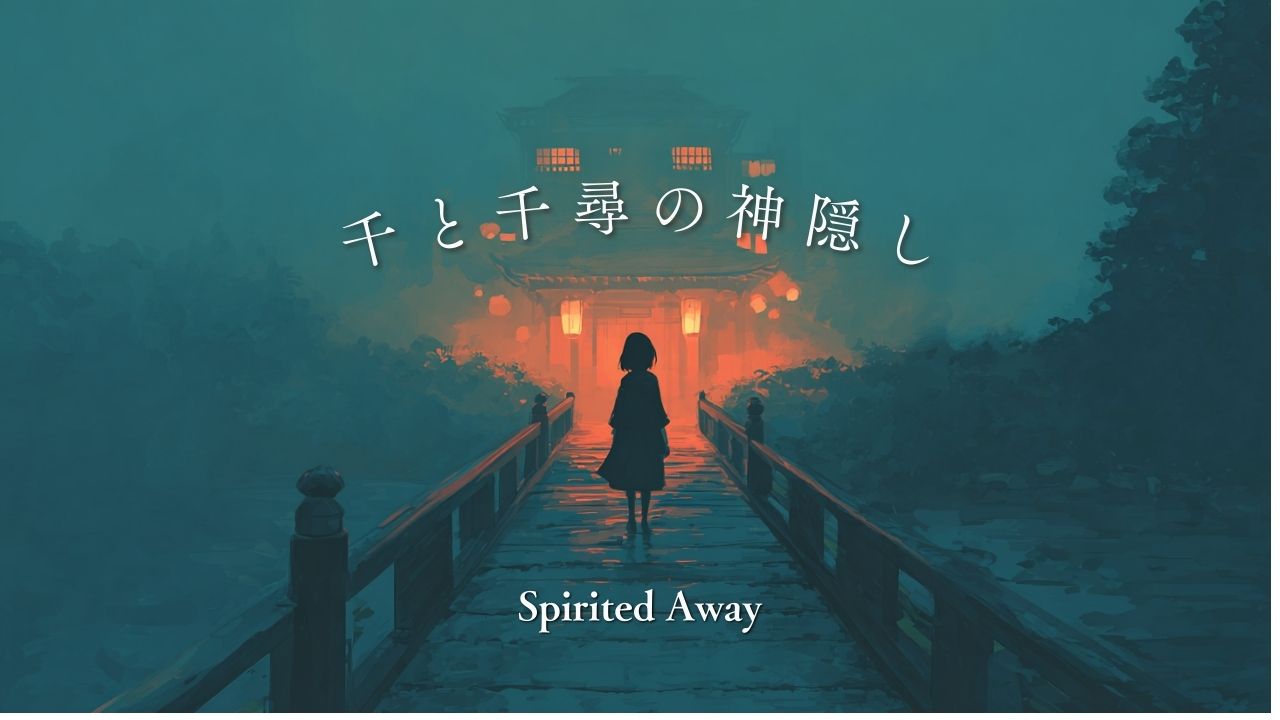
For this special day, recommending 2001 release Spirited Away.
This work Studio Ghibli, Hayao Miyazaki director’s feature animation film. 10-year-old girl Ogino Chihiro wanders into mysterious world, name stolen, called “Sen.” Then confronts difficult trials reclaiming true name.
“Name” this work’s most important theme. Chihiro has name stolen by witch Yubaba. Losing name, she nearly forgets who she is. Boy named Haku also forgot name. Forgetting name, he lost his past, true self. Reclaiming name means reclaiming self—this work’s core message.
This work released Japan July 20, 2001, recorded 31.68 billion yen box office. This held Japan all-time box office 1st place 19 years until 2020 when Demon Slayer: Mugen Train surpassed it. 2003, this work won Academy Award Best Animated Feature. Berlin International Film Festival, won Golden Bear (top prize) as first animation film.
As Hayao Miyazaki director’s masterpiece and one of Japanese animation history’s greatest works, this work continues beloved worldwide.
Basic Information & Synopsis
→ For synopsis and production information, see our Database Article
Director: Hayao Miyazaki
Year: 2001
Runtime: 125 minutes
Production: Studio Ghibli
Commemorative Day: Unique Names Day (March 7)
Background Knowledge
Hayao Miyazaki Director and Project Background
Hayao Miyazaki is Japan’s representative animation director creating numerous masterpieces like My Neighbor Totoro and Princess Mononoke. This work’s project began from story Miyazaki director created for friend’s 10-year-old daughter. He wanted “making film for modern 10-year-old girls,” worried modern children losing vitality. In convenient comfortable environment, children losing power thinking and acting themselves—he wanted helping children reclaim “life force.” This work born from such thoughts.
“Spirited Away” Concept
“Kamikakushi” (spirited away) in Japanese folklore refers phenomenon where person suddenly disappears. Particularly legend children abducted by gods or yokai. “Kamikakushi is ‘social death’ declaration in this world, returning from kamikakushi to this world means ‘social resurrection’” also interpreted. Miyazaki director using this “kamikakushi” motif depicted story modern child overcoming trials in otherworld, growing.
Eight Million Gods and Japanese Spiritual Culture
This work’s setting “Aburaya” bathhouse where eight million gods visit healing fatigue. This has Japanese Shinto worldview foundation—belief gods and spirits dwell in all things. Miyazaki director states: “My grandparents’ era, believed gods existed everywhere—trees, rivers, insects, wells. Idea that spirits might dwell in everything, therefore should cherish everything, wonderful to me.”
Commercial/Cultural Significance — Film Transforming Animation into “Art”
This work’s impact on world far exceeds box office numbers.
Time Magazine evaluated this film “appearing in era when animation widely perceived as children’s genre, cultural differences often barriers to international distribution” “shattered preconceptions about this art form, proved Japanese-language work centered on Japanese folklore could deeply resonate with worldwide audiences.”
Academy Award win background also noteworthy circumstances. John Lasseter (Pixar co-founder) and Disney actively campaigned as English version producers, raising American awareness leading to award. Japanese animation researcher Jonathan Clements expressed this Oscar win as “wake-up call to film industry long dismissing Japanese animation.” Tufts University Professor Susan Napier explains Western anime often seen as “childish, not taken seriously,” but this work’s Academy Award win made people begin viewing anime as “true art form.”
Also 2024, Billie Eilish released song “Chihiro” inspired by this work, named after protagonist. Truly living classic continuing influencing across generations and borders.
What Makes It Exceptional
“Name” Theme Depth
This work’s greatest strength is story depth themed on “names.” In many myths and folktales, names hold power. Knowing name means controlling that existence.
Chihiro has name stolen by Yubaba, called “Sen.” Losing name means losing identity. Actually, midway through story Chihiro nearly cannot remember her true name. Haku also forgot name. Modern society, people called by various roles, titles, labels. However, those not true self. What is true self—not forgetting that, reclaiming that—this film’s message.
Japanese Culture Reinterpretation and Consumerism Critique
This work creatively reinterprets Japanese traditional culture. Eight million gods, bathhouse culture, shrines, kappa, dragons—these Japanese elements depicted in new forms through Miyazaki’s imagination.
Simultaneously this work sharp critique of consumerism. Miyazaki director states: “Chihiro’s parents transforming into pigs scene symbolizes human greed. 1980s bubble economy era people ‘transformed into pigs,’ they don’t realize became pigs.” This critique visually consistent—Yubaba wears Western clothes surrounded by European decorations, contrasting employees’ quarters minimal Japanese style. Father wears European-style polo shirt reassuring “have credit card and cash,” then literally transforms into consumerism pig.
Rich Characters
Yubaba greedy terrifying witch but overprotective toward son Boh, character contradiction giving depth. Haku kind boy helping Chihiro but he also victim having name stolen. No-Face this work’s strangest character, producing gold while swallowing others—symbolizing desire and loneliness, satire of modern society. Film’s end, Zeniba decides caring for No-Face enabling growth away from bathhouse bad influence. Kamajii (voice: Bunta Sugawara) elderly man working boiler room, helps Chihiro.
Joe Hisaishi’s Music
Joe Hisaishi’s music indispensable element for this work. “One Summer’s Day” nostalgic beautiful main theme, “The Sixth Station” quiet meditative song flowing during sea train scene, “The Dragon Boy” majestic music for scene Haku flies sky in dragon form—perfectly harmonizing with visuals, deepening story emotions.
Related Articles
- Spirited Away Database – Synopsis & Production Details
- Hayao Miyazaki – Filmmaker Profile
はじめに
名前を奪われた少女の物語——自分を取り戻す、魂の冒険
3月7日は、「ユニーク・ネームズ・デー(Unique Names Day)」です。
この日は、珍しい名前、ユニークな名前を持つ人々を祝う日として、アメリカで始まりました。一般的ではない名前、発音が難しい名前、スペルが独特な名前——そうした名前を持つ人々が、自分の名前に誇りを持ち、その個性を祝福する日です。
名前は、単なる呼び方ではありません。それは、私たちのアイデンティティの核心です。名前には、親の願いが込められています。文化、家族の歴史、個人の物語が刻まれています。名前は、私たちが誰であるかを示す、最も基本的な要素なのです。
そして、名前を失うことは、自分自身を失うことを意味します。
この特別な日に観る作品として、2001年公開の『千と千尋の神隠し』を推奨します。
本作は、スタジオジブリ、宮崎駿監督による長編アニメーション映画です。10歳の少女・荻野千尋が、不思議な世界に迷い込み、名前を奪われ「千」と呼ばれるようになります。そして、本当の名前を取り戻すために、困難な試練に立ち向かいます。
「名前」は、本作の最も重要なテーマです。千尋は、湯婆婆という魔女に名前を奪われます。名前を失うことで、彼女は自分が誰であるかを忘れかけます。ハクという少年も、名前を忘れています。名前を忘れることで、彼は自分の過去を、そして本当の自分を見失っています。名前を取り戻すことは、自分を取り戻すこと——これが、本作の核心的なメッセージです。
本作は、2001年7月20日に日本で公開され、興行収入316.8億円を記録しました。これは、2020年に『劇場版「鬼滅の刃」無限列車編』に抜かれるまで、19年間日本映画歴代興行収入1位の座を守り続けました。2003年、本作はアカデミー賞長編アニメーション賞を受賞しました。ベルリン国際映画祭では、アニメーション映画として初めて金熊賞(最高賞)を受賞しました。
宮崎駿監督の最高傑作として、そして日本アニメーション史上最高の作品の一つとして、本作は世界中で愛され続けています。
基本情報・あらすじ
→ あらすじや製作情報はデータベース記事へ
監督: 宮崎駿
製作年: 2001年
上映時間: 125分
制作: スタジオジブリ
記念日: ユニーク・ネームズ・デー(3月7日)
予備知識
宮崎駿監督と企画の背景
宮崎駿は、『となりのトトロ』『もののけ姫』など数々の名作を生み出してきた、日本を代表するアニメーション監督です。本作の企画は、宮崎監督が友人の10歳の娘のために作った物語から始まりました。彼は「現代の10歳の女の子のための映画を作りたい」と考え、現代の子供たちが生命力を失っていることを憂いていました。便利で快適な環境の中で、子供たちは自分で考え、行動する力を失っている——彼は、子供たちに「生きる力」を取り戻させたいと願いました。本作は、そうした想いから生まれました。
「神隠し」という概念
「神隠し」は、日本の民間伝承で、人が突然行方不明になる現象を指します。特に子供が、神や妖怪に連れ去られるという伝説です。「神隠しとは、この世界における『社会的死』の宣告であり、神隠しからこの世界に戻ることは『社会的復活』を意味する」とも解釈されます。宮崎監督は、この「神隠し」をモチーフに、現代の子供が異世界で試練を乗り越え、成長する物語を描きました。
八百万の神々と日本の精神文化
本作の舞台「油屋」は、八百万の神々が疲れを癒しに訪れる湯屋です。これは日本の神道的世界観——あらゆるものに神や精霊が宿るという考え方——を根底に持っています。宮崎監督はこう語っています。「私の祖父母の時代は、木、川、昆虫、井戸など、あらゆるところに神が存在すると信じられていました。あらゆるものに精霊が宿るかもしれないからこそ、あらゆるものを大切にすべきだという考えは、私にとって素晴らしいものです」。
商業的・文化的意義——アニメを「芸術」に変えた一本
本作が世界に与えた影響は、興行成績の数字をはるかに超えるものです。
タイム誌は「アニメーションが子供向けのジャンルとして広く認識され、文化の違いが国際配信の障壁となることが多かった時代に登場した」この映画が、「この芸術形式に対する先入観を打ち砕き、日本の民間伝承を中核に据えた日本語作品として、世界中の観客の心に深く響くことを証明した」と評しています。
アカデミー賞受賞の背景にも注目すべき事情があります。ジョン・ラセター(ピクサーの共同創設者)とディズニーが英語版のプロデューサーとして積極的にキャンペーンを展開し、アメリカでの知名度を高めたことが受賞につながったとされています。日本のアニメ研究者ジョナサン・クレメンツは、このオスカー受賞を「長年日本のアニメーションを軽視してきた映画業界への警鐘だった」と表現しました。タフツ大学のスーザン・ネイピア教授は、欧米でアニメが「子供っぽく、真剣に受け止められないもの」と見なされることが多かったが、本作のアカデミー賞受賞によって人々がアニメを「真の芸術形式」として捉え始めたと説明しています。
また2024年には、ビリー・アイリッシュが本作にインスパイアされ、主人公にちなんで名付けられた曲「Chihiro」をリリースしています。世代と国境を越えて影響を与え続けている、まさに生きた古典と言えます。
優れている点
「名前」というテーマの深さ
本作最大の優れた点は、「名前」をテーマにした物語の深さです。多くの神話や民話で、名前は力を持っています。名前を知ることは、その存在を支配することを意味します。
千尋は、湯婆婆に名前を奪われ「千」と呼ばれるようになります。名前を奪われることは、アイデンティティを奪われることです。実際、物語の途中で千尋は自分の本当の名前を思い出せなくなりかけます。ハクもまた、名前を忘れています。現代社会では、人々は様々な役割・肩書き・ラベルで呼ばれます。しかし、それらは本当の自分ではありません。本当の自分とは何か——それを忘れないこと、取り戻すこと——これが、この映画のメッセージです。
日本文化の再解釈と消費主義批判
本作は、日本の伝統文化を独創的に再解釈しています。八百万の神々、銭湯文化、神社、河童、龍——これらの日本的な要素が、宮崎駿の想像力によって新しい形で描かれています。
同時に本作は、消費主義への鋭い批判でもあります。宮崎監督は語っています。「千尋の両親が豚に変身するシーンは、人間の貪欲さを象徴しています。1980年代のバブル経済時代に『豚に変身』した人々がいて、彼らは自分が豚になったことに気づいていません」。この批判は視覚的にも貫かれています——湯婆婆は西洋の服を着てヨーロッパの装飾に囲まれており、従業員の宿舎のミニマルな日本風とは対照的です。父親はヨーロッパ風のポロシャツを着て「クレジットカードと現金を持っている」と安心させますが、その後、文字通り消費主義の豚へと変貌します。
豊かなキャラクター
湯婆婆は強欲で恐ろしい魔女ですが、息子の坊には過保護というキャラクターの矛盾が深みを与えています。ハクは千尋を助ける優しい少年ですが、彼もまた名前を奪われた被害者です。カオナシは本作で最も不思議なキャラクターで、金を生み出しながら他者を飲み込みます——欲望と孤独の象徴として、現代社会への風刺でもあります。映画の終盤、銭婆はカオナシが銭湯の悪影響から離れて成長できるよう面倒を見ることを決意します。釜爺(声:菅原文太)はボイラー室で働く老人で、千尋を助けます。
久石譲の音楽
久石譲の音楽は、本作に欠かせない要素です。「あの夏へ」はノスタルジックで美しいメインテーマ、「6番目の駅」は海原電鉄のシーンで流れる静かで瞑想的な曲、「竜の少年」はハクが龍の姿で空を飛ぶシーンの壮大な音楽——映像と完璧に調和し、物語の感情を深めています。
関連記事
- 千と千尋の神隠し データベース – あらすじ・製作情報
- 宮崎駿 – 監督プロフィール