
Choose Your Language / 言語を選択:
Introduction
The Failure of American Public Education — and the Children Who Refuse to Give Up
The second week of May is National Charter Schools Week in the United States. In 2026, the week runs from May 10 to 16, with the theme “Building the Workforce of Tomorrow” — focusing on the career education and real-world preparation that charter schools offer their students.
A charter school is a publicly funded school that operates with greater autonomy than a conventional public school. It may set its own curriculum, extend its school day, and apply rigorous standards to its teaching staff — in exchange for strict accountability for results. Approximately 8,000 charter schools now operate across the United States, serving more than 3.7 million students, with particular concentration in low-income urban areas where the conventional public school system has most visibly struggled.
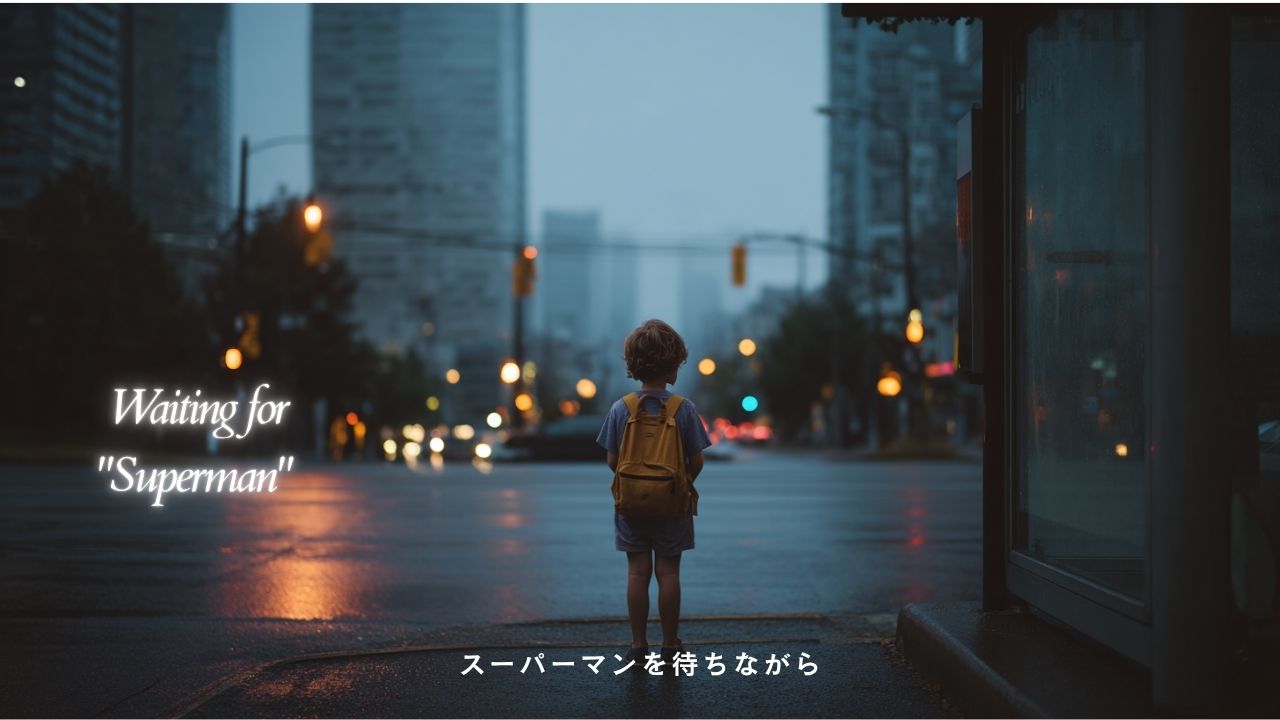
For the week preceding National Charter Schools Week, the film to watch is Waiting for “Superman” (2010), directed by Davis Guggenheim.
The film follows five children and their families as they navigate the broken landscape of American public education and wait for the results of charter school lotteries that may — or may not — change the trajectories of their lives. Guggenheim, who won the Academy Award for An Inconvenient Truth (2006), applies the same method here: a complex systemic problem made personal and urgent through the specific stories of specific people.
Rotten Tomatoes critic score: 90%. Roger Ebert: “heartbreaking, hopeful, and enraging.”
Basic Information & Synopsis
→ For synopsis and production information, see our Database Article
Director: Davis Guggenheim
Year: 2010
Runtime: 111 minutes
Production: Participant Media, Walden Media
Commemorative Week: National Charter Schools Week (May 10–16)
Background Knowledge
Davis Guggenheim and An Inconvenient Truth
Guggenheim won the Academy Award for Best Documentary Feature for An Inconvenient Truth (2006), in which he turned Al Gore’s climate change lecture into a personal and emotional film narrative. He uses the same method here: complex systemic problem, human face at the center.
Guggenheim has said that his own practice of sending his children to private school, while driving past the public schools in his neighborhood, was one of the motivations for making this film — a personal sense of complicity in the system he was criticizing.
Geoffrey Canada and the Harlem Children’s Zone
The film’s moral anchor is Geoffrey Canada, founder of the Harlem Children’s Zone (HCZ), a comprehensive program in one of Harlem’s most impoverished neighborhoods that covers early childhood education through college preparation — supporting not just the child but the surrounding community. Canada’s conviction: “Given the right educational environment, any child from any poor neighborhood can go to college.” The HCZ’s results are offered in the film as evidence that this is true, and as a model of what is possible.
Impact and Criticism
The film generated immediate and significant public debate. Oprah Winfrey featured it on her show; the coverage contributed to Mark Zuckerberg announcing a $100 million donation to New Jersey public schools. Bill Gates was a vocal supporter. The film was widely credited with accelerating public discussion of school reform.
It also received substantial criticism from teachers’ unions and education researchers: for presenting only the most successful charter schools as representative; for a one-sided attack on unions; for ignoring poverty, family structure, and other factors that research consistently identifies as affecting academic outcomes. In 2011, a teachers’ organization produced a counter-documentary, The Inconvenient Truth Behind Waiting for “Superman”.
What Makes It Exceptional
An Honest Eye on Five Children
The film’s most important quality is that it places specific children — with names and faces and particular dreams — at the center of a debate that could otherwise remain purely abstract.
Francisco’s unguarded hope. Anthony’s quiet determination. Nakiah’s desperate wish for her daughter Bianca. These are not manufactured emotions. They are what the camera found. By making the audience witness the fate of these specific children rather than simply argue about education policy, the film generates a kind of engagement that statistics cannot.
Making the Complex Legible
Guggenheim is skilled at converting complex policy into something a general audience can feel immediately. The “Dance of the Lemons” animation — explaining how underperforming teachers are shuffled between schools rather than dismissed — the comparison between the cost of incarceration and the cost of education, the international academic ranking charts: these have been criticized for oversimplification, and that criticism is fair. They are also evidence of a serious attempt to communicate difficult material through film.
The Lottery Sequences
The film’s climax — cutting between five lottery drawings, each with its numbered balls and waiting families — is one of the most formally effective sequences in recent documentary cinema. There is no script, no direction, no construction. The tension and grief and release are entirely real. Ebert described the climax as “a lottery with 20-to-1 odds.” The scene does not need to be made dramatic. It simply is.
Related Articles
- Waiting for “Superman” Database – Synopsis & Production Details
- Davis Guggenheim – Filmmaker Profile
はじめに
アメリカの公教育の失敗と、それでも希望を捨てない子どもたちの物語
毎年5月第2週はアメリカのNational Charter Schools Week(ナショナル・チャータースクール・ウィーク)です。2026年は5月10日〜16日に開催され、今年のテーマは「Building the Workforce of Tomorrow(明日の労働力を育てる)」——チャータースクールが生徒に与えるキャリア教育と実社会への準備に焦点を当てています。
チャータースクールとは、公的資金で運営されながらも、通常の公立学校より高い自律性を持つ学校です。独自のカリキュラム、長い授業時間、徹底した教師の質管理——その代わりに、成果に対して厳しい説明責任を負います。アメリカ全土で約8000校、370万人以上の生徒が通っており、特に低所得層が多い都市部で注目を集めています。
この週間に先立つ5月8日に観る作品として、デイヴィス・グッゲンハイム監督による2010年のドキュメンタリー映画『スーパーマンを待ちながら』(Waiting for “Superman”)をお薦めします。
本作は、アメリカの公教育システムの崩壊を告発しながら、それでも良い教育を求めてチャータースクールの抽選に臨む5人の子どもたちとその家族を追ったドキュメンタリーです。『不都合な真実』(2006年)でアカデミー賞を受賞したグッゲンハイムが監督し、ビル・ゲイツやオプラ・ウィンフリーが積極的に支持したことで大きな注目を集めました。
Rotten Tomatoesで批評家スコア90%、ロジャー・イーバートは「心が痛く、希望があり、怒りを覚える」と評した本作は、教育という普遍的なテーマを通じて、アメリカ社会の格差と希望を鮮やかに描き出しています。
基本情報・あらすじ
→ あらすじや製作情報はデータベース記事へ
監督: デイヴィス・グッゲンハイム
製作年: 2010年
上映時間: 111分
制作: Participant Media、Walden Media
記念週間: ナショナル・チャータースクール・ウィーク(5月10〜16日)
予備知識
デイヴィス・グッゲンハイムと『不都合な真実』
監督のデイヴィス・グッゲンハイムは、アル・ゴア元副大統領の地球温暖化に関する講演を映画化した『不都合な真実』(2006年)でアカデミー賞長編ドキュメンタリー賞を受賞した監督です。本作でも同様に、複雑な社会問題を個人の物語を通じて感情的に訴える手法を用いています。
グッゲンハイム自身、自分の子どもたちを公立学校ではなく私立学校に通わせていることへの後ろめたさが、この映画を作る動機の一つになったと語っています。
ジェフリー・カナダとハーレム・チルドレンズ・ゾーン
映画の精神的支柱となるのが、ジェフリー・カナダが創設した「ハーレム・チルドレンズ・ゾーン(HCZ)」です。ニューヨーク・ハーレムの最も貧しい地区を対象に、乳幼児教育から大学進学支援まで、地域全体を包括的に支援するプログラムを展開しています。
カナダの信念は明確です——「適切な教育環境があれば、どんな貧しい地域の子どもでも大学に進学できる」。HCZの実績はその信念を裏付けており、映画はこのモデルを希望の光として提示しています。
映画の影響と批判
本作は公開直後から大きな社会的議論を巻き起こしました。オプラ・ウィンフリーが自分の番組で特集し、マーク・ザッカーバーグがニュージャージー州の公立学校に1億ドルを寄付するきっかけになりました。ビル・ゲイツも積極的に支持し、映画の普及に貢献しました。
一方で、教員組合や教育学者からの批判も激しいものでした——「チャータースクールの成功例だけを取り上げている」「教師組合への批判が一方的すぎる」「貧困や家庭環境など、学力に影響する他の要因を無視している」という指摘です。教員グループは2011年に反論ドキュメンタリー『スーパーマンを待ちながらの不都合な真実』を製作しました。
優れている点
5人の子どもたちへの誠実な視線
本作の最も優れた点は、統計や政策論争の奥に、具体的な顔と名前を持つ子どもたちを置いたことです。
フランシスコの無邪気な夢、アンソニーの静かな決意、ビアンカの母ナキアの切実な願い——これらは操作された感情ではなく、カメラが捉えた現実です。教育問題を「システムの問題」として語るのではなく、「この子の問題」として体験させることで、観客は抽象的な議論に参加するのではなく、具体的な人間の運命に立ち会います。
複雑な問題をわかりやすく可視化する編集
グッゲンハイムの演出は、複雑な教育政策の問題を、一般の観客が直感的に理解できる形に変換することに長けています。
「ダンス・オブ・ザ・レモンズ」のアニメーション図解、刑務所コストと教育コストの比較、国際学力比較の図表——これらは情報を単純化しすぎているという批判もありますが、映画という媒体で社会問題を伝えることへの真剣な工夫が感じられます。
抽選シーンの映画的力
映画のクライマックス、5会場の抽選を交互に映す長い編集は、ドキュメンタリー映画の歴史に残る場面の一つです。台本も演出もない、純粋な現実の記録が、フィクション映画以上の緊張感と感情を生み出しています。ロジャー・イーバートが「映画のクライマックスは20対1の倍率の抽選会場だ」と書いたのは、この場面の力を正確に表しています。
関連記事
- スーパーマンを待ちながら データベース – あらすじ・製作情報
- デイヴィス・グッゲンハイム – 監督プロフィール