

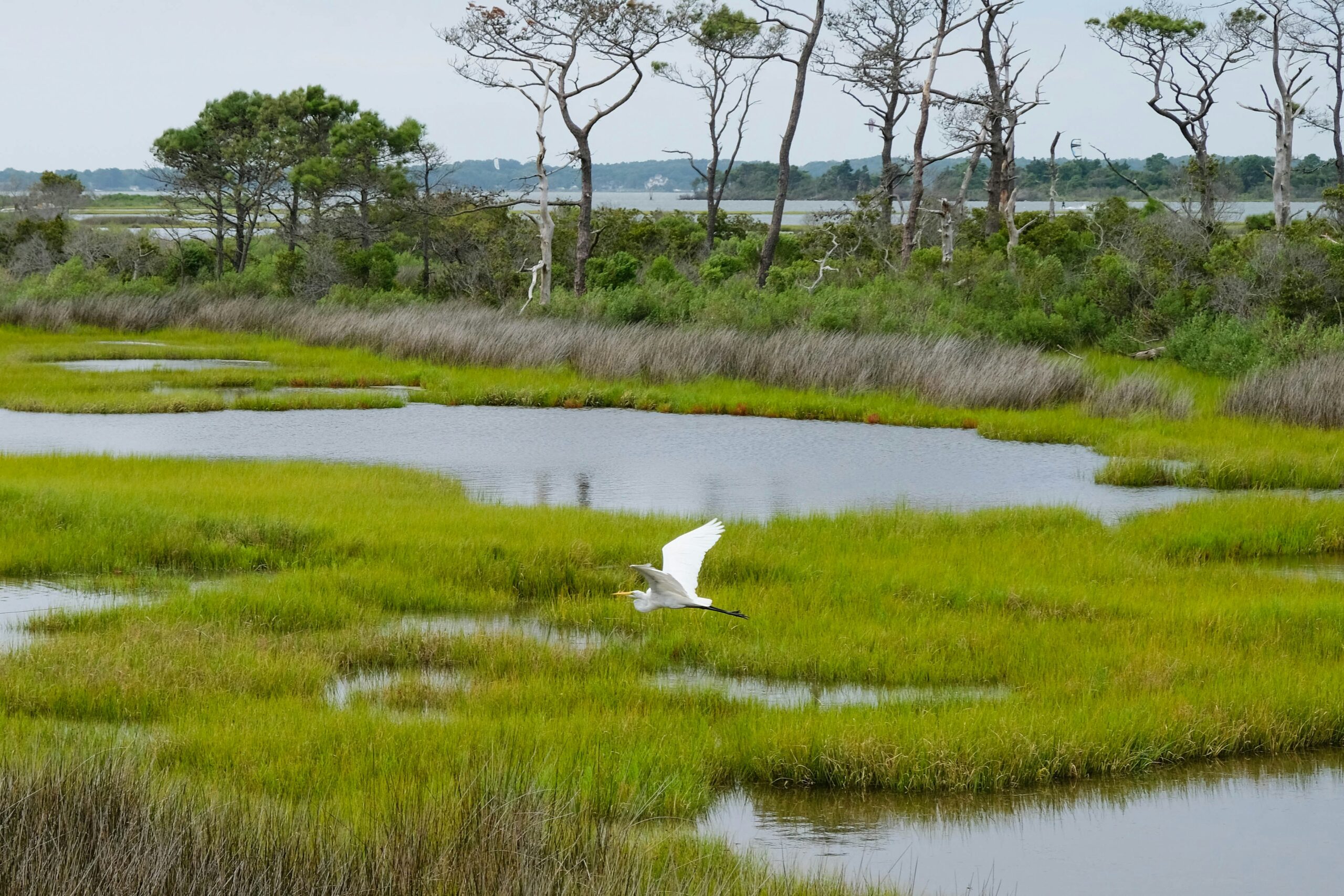
世界湿地の日
Basic Info / 基本情報
| 項目 | English | 日本語 |
|---|---|---|
| 記念日名 | World Wetlands Day | 世界湿地の日 |
| 日付 | February 2 (Annual) | 2月2日(毎年) |
| 設立年 | 1971 (Ramsar Convention signed) / 1997 (First celebrated) | 1971年(ラムサール条約署名)/ 1997年(初の祝賀) |
| 設立根拠 | Ramsar Convention on Wetlands adoption anniversary | ラムサール条約採択記念日 |
| カテゴリ | Environment / Biodiversity / Water Conservation / Ecosystem Protection / UN International Day | 環境 / 生物多様性 / 水保全 / 生態系保護 / 国連国際デー |
Introduction: The Planet’s Unsung Heroes
はじめに:地球の称賛されないヒーロー
World Wetlands Day, observed annually on February 2, commemorates the 1971 signing of the Ramsar Convention. While often dismissed as mere “swamps,” wetlands are Earth’s most productive ecosystems. They provide essential services like water filtration, flood control, and massive carbon storage. Yet humanity has destroyed 90% of them since the 1700s. This day serves as an urgent reminder: wetlands are not wastelands but essential life-support systems.
毎年2月2日の「世界湿地の日」は、1971年のラムサール条約調印を記念する日です。湿地は単なる「沼地」と軽視されがちですが、地球上で最も生産性の高い生態系の一つです。水の濾過、洪水制御、そして膨大な炭素貯蔵といった不可欠な役割を担っています。しかし、1700年代以降、人類はその90%を破壊してきました。この日は、湿地が荒れ地ではなく、不可欠な生命維持システムであることを再認識するための緊急の呼びかけなのです。
Nature’s Solutions: Biodiversity and Climate
自然の解決策:生物多様性と気候
Wetlands are biological “supermarkets,” supporting 40% of all plant and animal species. They are also our greatest allies against climate change; peatlands, for instance, store twice as much carbon as all the world’s forests combined. By protecting these transition zones between land and water, we secure natural buffers against storm surges and rising sea levels. Conserving wetlands is the most cost-effective way to protect both biodiversity and our climate.
湿地は「生物のスーパーマーケット」であり、全動植物種の40%を支えています。また、気候変動に対する最大の味方でもあります。例えば、泥炭地は世界の全森林を合わせたよりも2倍の炭素を蓄えています。陸と水の境界にあるこの場所を守ることは、高潮や海面上昇に対する天然の防波堤を確保することを意味します。湿地の保全は、生物多様性と気候の両方を守るための最も費用対効果の高い方法なのです。
2026: Honoring Traditional Knowledge
2026年:伝統的知識を尊重する
The 2026 theme focuses on “Wetlands and Traditional Knowledge.” For millennia, indigenous peoples have lived in harmony with these ecosystems, developing sustainable management practices that modern science is only beginning to fully appreciate. A “Just Conservation” means integrating this ancestral wisdom into global policy. Protecting wetlands is not just a scientific necessity; it is a commitment to honoring the cultural heritage and livelihoods of communities that have long been their guardians.
2026年のテーマは「湿地と伝統的知識」に焦点を当てています。何千年もの間、先住民族はこれらの生態系と調和して暮らし、現代科学がようやく理解し始めた持続可能な管理手法を築いてきました。「公正な保全」とは、こうした先祖代々の知恵を世界の政策に統合することを意味します。湿地を守ることは単なる科学的な必要性ではなく、長年その守り手であったコミュニティの文化的遺産と生計を尊重することでもあるのです。
2030: The Decisive Decade for Survival
2030年:生存のための決定的な10年
The countdown to 2030 is critical. With wetlands disappearing three times faster than forests, we are at a breaking point. Global goals now prioritize the restoration of degraded wetlands to meet biodiversity and climate targets. As we move forward, the shift from exploitation to restoration is non-negotiable. By choosing to heal our wetlands, we are choosing a future where water is clean, cities are safe from floods, and the natural world remains resilient for generations to come.
2030年へのカウントダウンは決定的です。森林の3倍の速さで湿地が消失している現在、私たちは限界点にいます。現在の世界目標は、生物多様性と気候の目標を達成するために、劣化した湿地の再生を最優先しています。今後、搾取から再生への転換は避けて通れません。湿地を癒やすことを選ぶことは、水が清らかで、都市が洪水から守られ、次世代まで自然界が回復力を保ち続ける未来を選ぶことなのです。
Related Review / 関連レビュー
🔗 English Review
・[World Wetlands Day] Where Life Sings—The Marsh That Raised a Girl
🔗 日本語レビュー
・【世界湿地の日】生命が歌う場所——少女を育てた湿地