
Choose Your Language / 言語を選択:
Introduction
Can Predict Weather But Cannot Predict Life — Bitter Deep Human Drama Depicting Mid-Life Crisis and Self-Discovery
February 5 is “Weatherperson’s Day” established in United States. This commemorative day was established honoring birthday (February 5, 1744) of Dr. John Jeffries, one of America’s early weather observers. Jeffries began daily weather observations in Boston from 1774, conducted world’s first aerial weather observation using balloon in 1784—pioneer. This day, celebrating and thanking contributions of weather forecasters protecting our safety and lives through weather forecasts, has been recognized since 1990s.
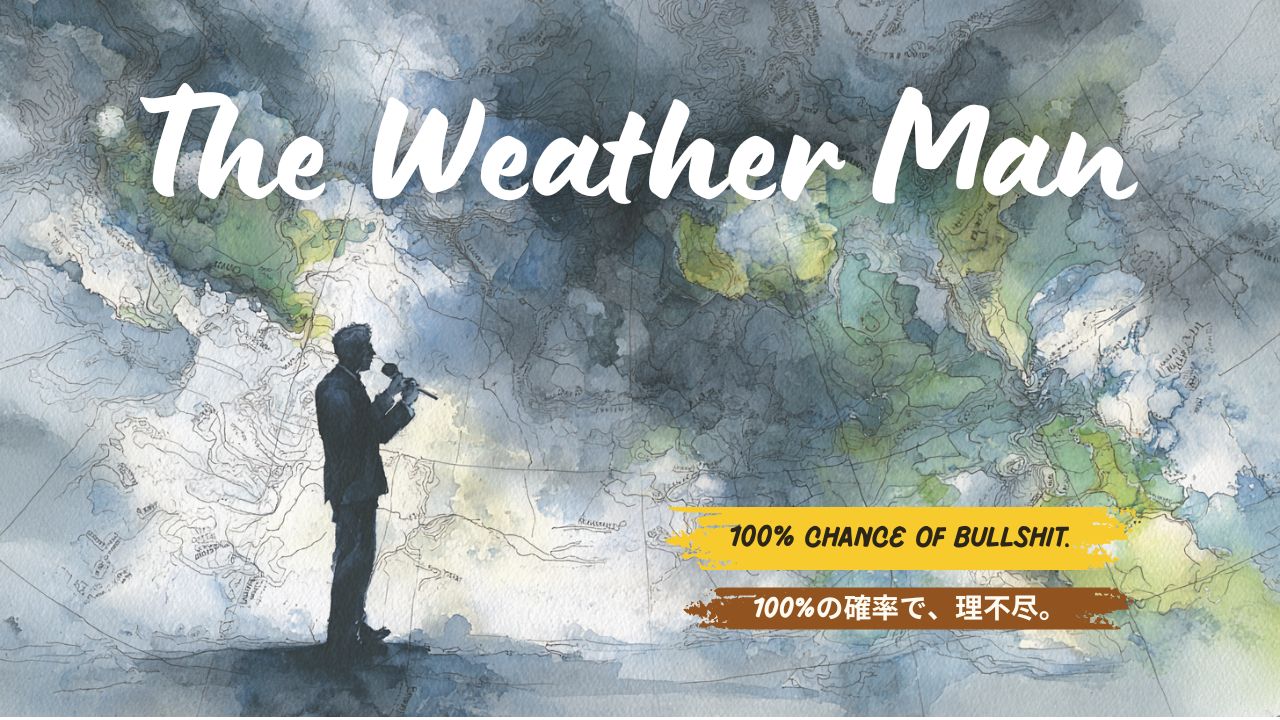
For this special day, Gore Verbinski’s 2005 The Weather Man recommended. This work is bitter, deep human drama depicting Chicago’s popular weather caster David Spritz (Nicolas Cage) facing crisis of collapse in private life despite professional success.
Conflict with Pulitzer Prize-winning writer father played by Michael Caine, relationship with divorced wife, two troubled children—contrary to glamorous television work, Dave’s life chaotic. This work goes beyond mere mid-life crisis story, quietly yet deeply depicting universal themes: difficulty balancing professional success with personal happiness, life’s unpredictability, small effort accumulation changing people.
Through weatherperson profession, this work exploring truth “can predict weather but cannot predict life” allows deeper understanding of human fragility and strength behind seemingly glamorous work when watched on Weatherperson’s Day.
Basic Information & Synopsis
→ For synopsis and production information, see our Database Article
Director: Gore Verbinski
Year: 2005
Runtime: 102 minutes
Production: Paramount Pictures, Escape Artists
Commemorative Day: Weatherperson’s Day (February 5)
Synopsis: Chicago weather caster Dave Spritz earns $240,000 annually but gains little respect—strangers throw fast food at him, wife divorces him, children troubled, Pulitzer Prize-winning father Robert dying of lymphoma looking at son with disappointment. Dave receives offer to join national morning show “Hello America” in New York—salary nearly quadruples but family situation worsens. Through archery hobby, Dave seeks focus and calm, confronting life’s difficult choices. Father’s final words: “You have time to chuck garbage of your life.” Film depicts middle-aged man’s struggle finding life’s meaning through weather forecaster profession, questioning: Can humans predict their own lives? What makes work meaningful? What defines being “good father”?
Background Knowledge
Weatherperson Profession Reality
Film protagonist Dave is “weather caster,” not “meteorologist.” This distinction important.
In American broadcasting industry, weather presenter/weathercaster and meteorologist clearly distinguished:
Meteorologist:
- Usually holds bachelor’s degree or higher in meteorology
- Expert knowledge in atmospheric science, physics, mathematics
- Analyzes weather data themselves, creates forecasts
- Often certified by American Meteorological Society (AMS)
- May work at government agencies like National Weather Service (NWS)
Weather Presenter:
- Doesn’t necessarily require meteorology degree
- Role “conveying” forecasts created by meteorologists
- Television appearance and speaking skills emphasized
- Annual salary varies greatly by market size (hundreds of thousands to tens of millions yen)
Dave, big city local station caster, positioned in typical middle class. His $240,000 annual salary (approximately 24 million yen) reasonable amount in large market like Chicago, but as Dave himself admits, extraordinary compensation for “2-hour daily work.”
This professional identity ambiguity—recognizing “I’m not scientist, just performer”—contributes to Dave’s low self-esteem.
Gore Verbinski’s Career Position
The Weather Man extremely unique work in Gore Verbinski’s filmography.
Verbinski known for following major works:
- The Ring (2002): Horror, $129 million box office
- Pirates of the Caribbean trilogy (2003-2007): Epic action, combined $2.7 billion box office
- Rango (2011): Animation, Academy Award Best Animated Feature
Between these glamorous blockbusters, Verbinski filmed The Weather Man—low budget (approximately $22 million) small-scale human drama. This work, which director himself called “palate cleanser,” created as breather before filming two Pirates of the Caribbean sequels.
However, many critics evaluate this work as Verbinski’s masterpiece. Not relying on large-scale budget or CGI, this work generating deep emotion solely through actors’ performances and screenplay power became work showing director’s true talent.
Steve Conrad’s Autobiographical Screenplay
Screenwriter Steve Conrad was himself in financially difficult situation when writing this work. He wrote screenplay while working various odd jobs, Dave’s “insufficiency feeling,” “sense of not being real” based on Conrad’s own experience.
Conrad stated: “Dave’s frustration—doing job anyone could do, getting paid well yet feeling empty—came from my own years working jobs where I knew I was capable of more.”
Film’s famous fast food throwing scenes came from Conrad’s observation: people resent those appearing to have easy success. Dave’s high salary for seemingly simple work makes him target of public’s economic anxiety and resentment.
Nicolas Cage’s Method Approach
Cage prepared intensively for role. He spent several weeks at Chicago’s WGN-TV station, observing actual weather forecaster Tom Skilling (who cameos in film). Cage studied meteorological terminology, teleprompter reading technique, camera presence manners. More importantly, Cage explored psychological space of man feeling like “fraud”—professionally successful yet personally failing.
Cage stated: “Dave knows he’s not real meteorologist. Reading words others wrote. This creates existential crisis—if work doesn’t utilize true self, who are you?” This psychological depth elevates film beyond simple mid-life crisis story.
Actual Weather Casters’ Reactions
After this work’s release, various reactions came from actual weather forecasters and casters.
Many weather forecasters showed empathy for “being looked down upon” feeling Dave experiences. Even meteorologists with advanced scientific knowledge tend to be thought by general public as “easy job just predicting weather.” Criticized when forecast wrong, taken for granted when correct—this work excellently captures profession-specific dilemma.
Also, regarding “having food thrown” episode, multiple local station casters testified “had similar actual experiences.” Unfortunately, receiving unexpected harassment as fame price exists in reality.
American Meteorological Society (AMS) didn’t officially recommend this work but gave certain evaluation as “work honestly depicting profession’s difficulties.”
What Makes It Exceptional
Nicolas Cage’s Delicate Performance
This work’s greatest strength is Nicolas Cage’s delicate, restrained performance. In this work, Cage displayed introspective, restrained performance rather than flashy action or eccentric acting, receiving critical acclaim from many critics.
Dave Spritz is man suffering quietly. No shouting loudly, no flashy action. Instead, Cage expresses Dave’s internal confusion through facial expressions, eye movements, slight physical tension.
Particularly impressive is anguish hidden within smile. Dave creates perfect smile before television camera, but behind that smile constantly lurks anxiety and fatigue. Cage embodies theme of “superficial success and internal failure” not through words but through performance.
Scene shedding tears in final dialogue with father, scene resorting to violence trying to protect son, awkward conversation scene with daughter—all show Cage’s performance breadth and depth.
Michael Caine’s Dignified Presence
Robert Spritzell played by Michael Caine is film’s moral and intellectual center. Caine magnificently plays father figure combining dignity with warmth.
Robert depicted as perfect person, yet not feeling unnatural due to Caine’s acting ability. He speaks wisdom without being preachy, expresses disappointment without criticizing son, shows quiet acceptance rather than fear before death.
Particularly impressive is final dialogue scene with Dave. Words “You have time. Time to chuck garbage of your life” become not mere maxim but final gift from father to son through Caine’s calm voice and gentle expression.
Through Caine’s presence, this work transcends from mere mid-life crisis story to story of father-son relationship and wisdom inheritance across generations.
Chicago Winter as “Invisible Character”
In Verbinski’s direction, Chicago winter not mere background but film’s important element.
Gray sky, frozen lake, cold wind, snow-covered streets—Chicago’s harsh winter landscape visualizes Dave’s internal desolate state. Colors intentionally suppressed, blue and gray cold tones dominant.
Cinematographer Piero Messina extensively uses natural light, capturing Chicago’s actual winter light—dim, cold, sometimes cruelly bright. This visual approach gives entire film realistic, matter-of-fact atmosphere.
Related Articles
- The Weather Man Database – Synopsis & Production Details
- Gore Verbinski – Filmmaker Profile
- Nicolas Cage – Actor Profile
- Michael Caine – Actor Profile
はじめに
天気は予測できても人生は予測できない――中年の危機と自己発見を描く苦く深い人間ドラマ
2月5日は、アメリカで制定された「Weatherperson’s Day」(気象予報士の日)です。この記念日は、アメリカ初期の気象観測者の一人であるジョン・ジェフリーズ博士の誕生日(1744年2月5日)を記念して設けられました。ジェフリーズは1774年からボストンで毎日の気象観測を始め、1784年には気球を使った世界初の上空気象観測を行った先駆者です。この日は、天気予報を通じて私たちの安全と生活を守る気象予報士たちの貢献を称え、感謝する日として、1990年代から認識されるようになりました。
この特別な日に観る作品として、ゴア・ヴァービンスキー監督による2005年の『ウェザーマン』(The Weather Man)を推奨します。本作は、シカゴの人気気象キャスター、デイヴィッド・スプリッツ(ニコラス・ケイジ)が、仕事では成功しているにもかかわらず、私生活では崩壊の危機に直面する姿を描いた、苦く深い人間ドラマです。
マイケル・ケイン演じるピューリッツァー賞作家の父親との葛藤、離婚した妻との関係、問題を抱える二人の子どもたち――華やかなテレビの仕事とは裏腹に、デイヴの人生は混沌としています。本作は、単なる中年の危機の物語を超えて、職業的成功と個人的幸福の両立の難しさ、人生の予測不可能性、小さな努力の積み重ねが人を変えるといった、普遍的なテーマを静かに、しかし深く描き出しています。
天気予報士という職業を通じて、「天気は予測できても、人生は予測できない」という真理を探求する本作は、Weatherperson’s Dayに観ることで、華やかに見える仕事の裏にある人間の脆さと強さを、より深く理解させてくれる作品となっています。
基本情報・あらすじ
→ あらすじや製作情報はデータベース記事へ
監督: ゴア・ヴァービンスキー
製作年: 2005年
上映時間: 102分
制作: パラマウント・ピクチャーズ、エスケープ・アーティスツ
記念日: Weatherperson’s Day(2月5日)
あらすじ: シカゴの気象キャスター、デイヴ・スプリッツは年収24万ドルを稼いでいますが、尊敬はほとんど得られていません。見知らぬ人々は彼にファストフードを投げつけ、妻は離婚し、子どもたちは問題を抱え、ピューリッツァー賞作家の父ロバートはリンパ腫で死を迎えようとしており、息子を失望の目で見ています。デイヴは全国朝番組「ハロー・アメリカ」のニューヨーク勤務のオファーを受けます。給料は4倍近くになりますが、家族の状況は悪化します。アーチェリーという趣味を通じて、デイヴは集中力と平静さを求め、人生の難しい選択に向き合います。父の最後の言葉:「お前には時間がある。人生のゴミを捨てる時間が」。映画は気象予報士という職業を通じて、人生の意味を見つけようとする中年男性の苦闘を描き、問いかけます:人間は自分の人生を予測できるのか? 仕事を意味あるものにするのは何か?「良い父親」であることは何を意味するのか?
予備知識
気象予報士という職業の実態
映画の主人公デイヴは「気象キャスター」であり、「気象学者」ではありません。この違いは重要です。
アメリカの放送業界では、気象キャスター(weather presenter/weathercaster)と気象学者(meteorologist)は明確に区別されます:
気象学者(Meteorologist):
- 通常、気象学の学士号以上を持つ
- 大気科学、物理学、数学の専門知識
- 自ら気象データを分析し、予報を作成
- アメリカ気象学会(AMS)の認定を受けることが多い
- 国立気象局(NWS)などの政府機関で働くことも
気象キャスター(Weather Presenter):
- 必ずしも気象学の学位を必要としない
- 気象学者が作成した予報を「伝える」役割
- テレビでの見栄えや話術が重視される
- 年収は市場規模により大きく異なる(数百万円〜数千万円)
デイヴのような大都市の地方局キャスターは、通常の中間層に位置します。彼の年収24万ドル(約2,400万円)は、シカゴのような大市場では妥当な額ですが、デイヴ自身が認めるように、「1日2時間の仕事」で得られる報酬としては破格です。
この職業的アイデンティティの曖昧さ――「自分は科学者ではなく、ただのパフォーマー」という認識――が、デイヴの自尊心の低さの一因となっています。
ゴア・ヴァービンスキーのキャリアにおける位置づけ
『ウェザーマン』は、ゴア・ヴァービンスキー監督のフィルモグラフィーにおいて、極めて特異な作品です。
ヴァービンスキーは以下の大作で知られています:
- 『ザ・リング』(2002年):ホラー、1億2,900万ドルの興行収入
- 『パイレーツ・オブ・カリビアン』三部作(2003-2007年):超大作アクション、合計27億ドルの興行収入
- 『ランゴ』(2011年):アニメーション、アカデミー賞長編アニメーション賞受賞
これらの華やかな大作の合間に、ヴァービンスキーは『ウェザーマン』という低予算(約2,200万ドル)の小規模な人間ドラマを撮影しました。監督自身が「口直し」(palate cleanser)と呼んだこの作品は、『パイレーツ・オブ・カリビアン』の続編2作を撮る前の息抜きとして制作されました。
しかし、多くの批評家は本作をヴァービンスキーの最高傑作と評価しています。大規模な予算やCGIに頼らず、俳優の演技と脚本の力だけで深い感動を生み出した本作は、監督の真の才能を示す作品となりました。
スティーブ・コンラッドの自伝的脚本
脚本を担当したスティーブ・コンラッドは、本作を執筆した当時、自身も経済的に苦しい状況にありました。彼は様々な odd jobs(臨時の仕事)をこなしながら脚本を書いており、デイヴの「不十分感」「自分は本物ではないという感覚」は、コンラッド自身の経験に基づいています。
コンラッドは述べています:「デイヴのフラストレーション――誰でもできる仕事をして、良い給料をもらっているのに空虚に感じる――は、私自身がもっとできると知っていた仕事をしていた年月から来ている」
映画の有名なファストフード投擲シーンは、コンラッドの観察から来ました:人々は簡単な成功を手に入れているように見える人々を憤ります。デイヴの一見単純な仕事に対する高給は、彼を公衆の経済不安と憤りの標的にします。
ニコラス・ケイジのメソッド・アプローチ
ケイジは役のために集中的に準備しました。彼はシカゴのWGN-TVステーションで数週間過ごし、実際の気象予報士トム・スキリング(映画にカメオ出演)を観察しました。ケイジは気象学用語、テレプロンプター読み上げ技術、カメラ前のマナーを研究しました。さらに重要なのは、ケイジが「詐欺師」のように感じる男の心理空間を探求したことです――職業的には成功しているが個人的には失敗している。
ケイジは述べています:「デイヴは自分が本物の気象学者ではないことを知っている。他人が書いた言葉を読んでいる。これが実存的危機を生む――もし仕事が真の自分を活用しないなら、あなたは誰なのか?」この心理的深さが、映画を単純な中年の危機物語を超えて高めています。
実際の気象キャスターの反応
本作公開後、実際の気象予報士やキャスターたちから様々な反応がありました。
多くの気象予報士は、デイヴが経験する**「軽く見られる」感覚**に共感を示しました。高度な科学的知識を持つ気象学者でも、一般大衆からは「天気を当てるだけの簡単な仕事」と思われがちです。予報が外れれば批判され、当たっても当然と思われる――この職業特有のジレンマを、本作は見事に捉えています。
また、「食べ物を投げつけられる」というエピソードについて、複数の地方局のキャスターが「実際に似たような経験がある」と証言しました。有名税として、予期せぬ嫌がらせを受けることは、残念ながら現実に存在するのです。
全米気象学会(AMS)は本作を公式に推奨はしませんでしたが、「職業の困難さを正直に描いた作品」として、一定の評価を与えました。
優れている点
ニコラス・ケイジの繊細な演技
本作でケイジは、派手なアクションや奇抜な演技ではなく、内省的で抑制された演技を披露し、多くの批評家から絶賛されました。
デイヴ・スプリッツは静かに苦しむ男です。大声で叫んだり、派手なアクションをしたりすることはありません。その代わり、ケイジは表情、目の動き、わずかな身体の緊張で、デイヴの内面の混乱を表現しています。
特に印象的なのは、笑顔の中に潜む苦悩です。テレビカメラの前では完璧な笑顔を作るデイヴですが、その笑顔の奥には常に不安と疲労が見え隠れします。ケイジは、「表面的な成功と内面的な失敗」というテーマを、言葉ではなく演技で体現しています。
父との最後の対話で涙を流すシーン、息子を守ろうとして暴力に訴えるシーン、娘とのぎこちない会話のシーン――どれも、ケイジの演技の幅の広さと深さを示す場面です。
マイケル・ケインの威厳ある存在感
マイケル・ケイン演じるロバート・スプリッツェルは、映画の道徳的・知的な中心です。ケインは、威厳と温かさを兼ね備えた父親像を見事に演じています。
ロバートは完璧な人物として描かれていますが、それが不自然に感じられないのは、ケインの演技力によるものです。彼は説教臭くならずに知恵を語り、息子を批判せずに失望を表現し、死を前にしても恐怖ではなく静かな受容を示します。
特に印象的なのは、デイヴとの最後の対話シーンです。「お前には時間がある。人生のゴミを捨てる時間が」という言葉は、ケインの落ち着いた声と優しい表情によって、単なる格言ではなく、父から息子への最後の贈り物となっています。
ケインの存在により、本作は単なる中年の危機の物語から、父と息子の関係、そして世代を超えた知恵の継承の物語へと昇華されています。
シカゴの冬という「見えない登場人物」
ヴァービンスキーの演出において、シカゴの冬は単なる背景ではなく、映画の重要な要素です。
灰色の空、凍った湖、冷たい風、雪に覆われた街路――シカゴの厳しい冬の風景は、デイヴの内面の荒涼とした状態を視覚化しています。色彩は意図的に抑えられ、青とグレーの寒色が支配的です。
撮影監督ピエロ・メッシーナは、自然光を多用し、シカゴの実際の冬の光――薄暗く、冷たく、時に残酷なまでに明るい光――を捉えています。この視覚的アプローチにより、映画全体がリアリスティックで即物的な雰囲気を持ちます。