
Choose Your Language / 言語を選択:
Introduction
A Story of a Girl Facing Death and the Awkward Boys Who Show Up Anyway
May 28 is World Blood Cancer Day.
The day was established by DKMS, an international nonprofit dedicated to promoting bone marrow donor registration. It exists to raise global awareness of blood cancers — leukemia, lymphoma, multiple myeloma — and to call attention to the need for hematopoietic stem cell donors. One person is diagnosed with blood cancer every 27 seconds worldwide. For many patients, stem cell transplantation is the only path to recovery. But a compatible donor is found within the patient’s family only about 30% of the time; the remaining 70% depend entirely on the goodwill of a stranger.
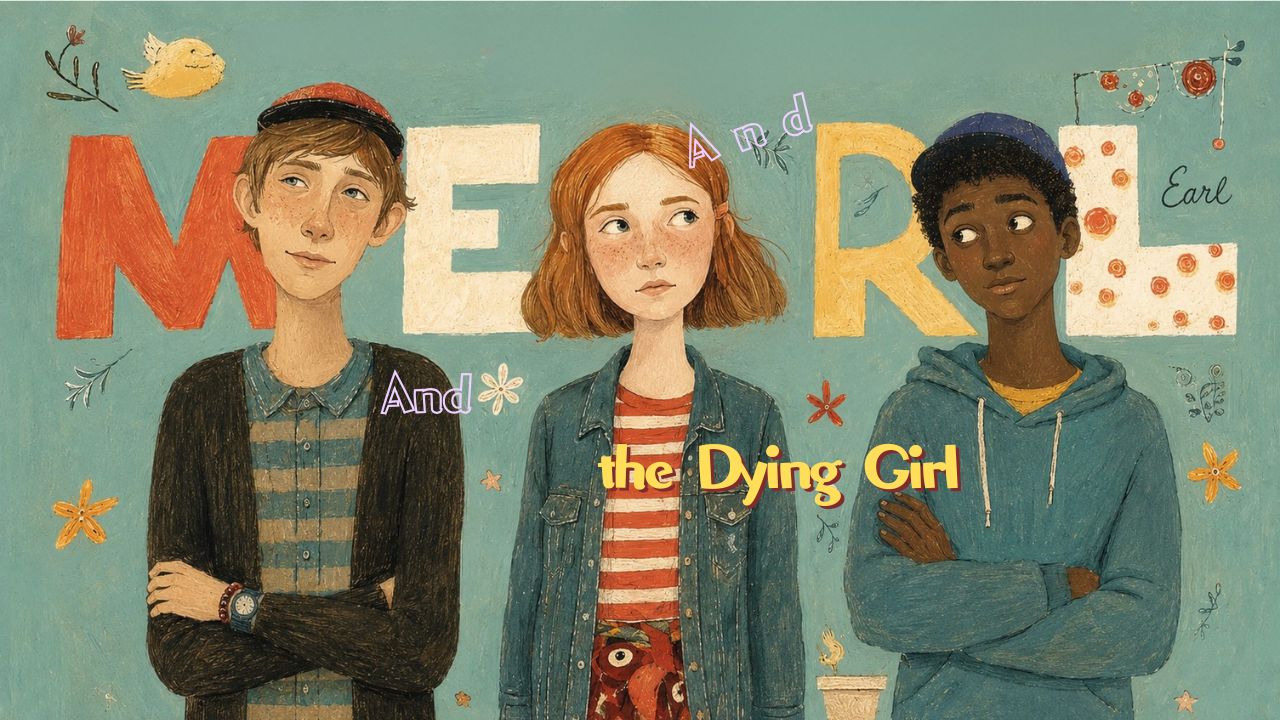
For this day, the film to watch is Me and Earl and the Dying Girl (2015), directed by Alfonso Gomez-Rejon.
Rachel has been diagnosed with leukemia. Greg, a high school senior who has spent four years carefully cultivating relationships with every social group while belonging to none of them, is pushed by his mother to spend time with her. His best friend, whom he insists on calling his “co-worker” rather than friend, is Earl. The film is narrated by Greg, who tells us at the outset that this is not a romantic story and that Rachel is going to die. He then proceeds to tell the story anyway.
This film is not a blood cancer tearjerker. It is a film that deliberately resists that genre — and for that reason, it shows something more honest about what blood cancer does to the people around a patient, and what they try, imperfectly, to give her.
Rotten Tomatoes critic score: 81%. Metacritic: 74. At the 2015 Sundance Film Festival, it won both the Grand Jury Prize and the Audience Award — a rare double — and received a standing ovation. Fox Searchlight paid $12 million for distribution rights, a record at the time.
Basic Information & Synopsis
→ For synopsis and production information, see our Database Article
Director: Alfonso Gomez-Rejon
Year: 2015
Runtime: 105 minutes
Production: Indian Paintbrush, Black Bicycle Entertainment
Commemorative Day: World Blood Cancer Day (May 28)
Background Knowledge
The Source Novel and the Screenplay — Jesse Andrews
The film is based on Jesse Andrews’s 2012 young adult novel, adapted by Andrews himself — his first screenplay. Andrews graduated from Harvard; the screenplay appeared on the 2012 Hollywood Black List of most-admired unproduced scripts, meaning its quality was recognized in the industry before the film was made. The source novel appeared in 2021 on the ALA’s list of the most challenged books in America, criticized by some for its frank language and depictions of teenage sexuality; it has simultaneously received overwhelming reader support worldwide.
The Director — Alfonso Gomez-Rejon
Gomez-Rejon was known for directing episodes of American Horror Story before this film, his second feature. He had previously worked as assistant director and second-unit director for Martin Scorsese and Alejandro González Iñárritu, and the film grammar accumulated in that experience is visible throughout the film.
Gomez-Rejon lost his father to cancer, and the film was partly a way of working through that grief. “I couldn’t heal my father,” he has said. “I wanted to tell a story in which Greg tries, through film, to pass something on to Rachel.”
The Cinematography — Chung Chung-hoon
Cinematographer Chung Chung-hoon is known for his long collaboration with Park Chan-wook (Oldboy, The Handmaiden). For this film, he deliberately avoided the dark, muted palette that characterizes most films about illness, choosing instead unusually vivid and color-saturated images. The logic: this is not a sad film about cancer but a film about Rachel’s aliveness and Greg’s memory of it. As Rachel’s condition worsens, the color palette of the film shifts — the visual style carries the arc of Greg’s emotional state.
The Score — Brian Eno
Brian Eno composed the score, combining unreleased recordings with new material. The film’s final sequence — the film Greg and Earl have made, shown as Rachel watches it — uses Eno’s “The Big Ship” to create an emotional landing without words, through image and music alone.
The Cast
Thomas Mann plays Greg; Olivia Cooke (later known as Alicent Hightower in House of the Dragon) plays Rachel; R.J. Cyler plays Earl. Nick Offerman plays Greg’s eccentric father; Molly Shannon plays Rachel’s emotionally volatile mother; Jon Bernthal plays a high school teacher. The ensemble gives the film an unusual tonal range — genuinely funny, unexpectedly moving.
What Makes It Exceptional
The Honesty of Not Trying to Make You Cry
The film’s most distinctive quality is its deliberate refusal of the genre it superficially inhabits. Greg, as narrator, tells the audience repeatedly that this is not a romantic story, that he is not a reliable guide to what any of this means. The film uses blunt language and deadpan humor where a conventional tearjerker would use swelling music and meaningful glances.
The paradox is that this approach produces the more powerful emotional effect. Because the film has spent its runtime telling you not to feel manipulated, the emotional accumulation of its final act arrives with full force. Critics have consistently described the experience as “the emotional hit you saw coming and couldn’t stop.” That is the structure’s achievement.
The Many Forms of Friendship
The film does not depict romance. The relationship between Greg and Rachel is something that doesn’t have a clean name — not exactly friendship, not exactly more, but genuine and serious. The relationship between Greg and Earl is the film’s deepest bond, complicated by Earl’s refusal of the word “friend” and Greg’s corresponding avoidance of acknowledging what Earl actually is to him.
“Not all love stories are romantic. Not all love stories are sexual.” That critical summary describes the film’s core: the insistence that the most important human connections are often the ones we resist categorizing.
The Richness of the Visual Language
Gomez-Rejon and Chung’s cinematography is not simply beautiful. The aggressive camera movements in the high school hallways, the stillness that settles in as Greg approaches Rachel’s hospital room — the visual style itself tracks Greg’s psychological state. The parody films that Greg and Earl have made over the years are also produced and inserted — actual short films mixing stop-motion and live action, creating an additional textural layer that gives the world of the film a particular density and strangeness.
Related Articles
- Me and Earl and the Dying Girl Database – Synopsis & Production Details
- Alfonso Gomez-Rejon – Filmmaker Profile
- Olivia Cooke – Actor Profile
はじめに
死を前にした少女と、不器用な少年たちの物語
5月28日は「世界血液がんデー(World Blood Cancer Day)」です。
骨髄移植ドナー登録を推進する国際NPO「DKMS」が制定したこの記念日は、白血病・リンパ腫・多発性骨髄腫をはじめとする血液がんへの認識を世界規模で高めることを目的としています。世界では27秒に1人が血液がんと診断されると言われており、患者の多くにとって造血幹細胞移植(骨髄移植)が唯一の治癒の可能性です。しかし、移植に必要なドナーが家族内で見つかるのは全体の30%に過ぎず、残りの70%は見知らぬ誰かの善意に命を委ねることになります。
この日に取り上げたいのは、2015年公開のアメリカ映画『ぼくとアールと彼女のさよなら』(原題:Me and Earl and the Dying Girl、アルフォンソ・ゴメス=レホン監督)です。
白血病と診断されたレイチェルという少女と、彼女に関わることになった不器用な少年グレッグの物語——この映画は、「血液がん映画」でも「お涙頂戴の難病ロマンス」でもありません。むしろ意図的にそのジャンルを避けた作品です。しかしだからこそ、血液がんという病と向き合う人間の本当の姿——恐れ、ごまかし、怒り、そして最後に何かを渡そうとする意志——が、ありありと映し出されています。
Rotten Tomatoesでの批評家スコアは81%、Metacriticスコアは74。2015年サンダンス映画祭で審査員大賞(Grand Jury Prize)と観客賞をダブル受賞し、上映後には会場でスタンディングオベーションが起きました。Fox Searchlightが1200万ドルという当時の記録的な金額で配給権を落札した作品です。
基本情報・あらすじ
→ あらすじや製作情報はデータベース記事へ
監督: アルフォンソ・ゴメス=レホン
製作年: 2015年
上映時間: 105分
制作: Indian Paintbrush、Black Bicycle Entertainment
記念日: 世界血液がんデー(5月28日)
予備知識
原作と脚本——ジェシー・アンドリュース
本作は、ジェシー・アンドリュースが2012年に発表したヤングアダルト小説を原作とし、作者自身が脚本化しました。ハーバード大学出身のアンドリュースは小説執筆以前に脚本を書いたことがなく、本作が初の脚本作品です。その脚本は2012年のハリウッド最優秀未製作脚本リスト「ブラックリスト」に掲載されており、映画化以前からその完成度が業界内で認められていました。
原作小説はのちに2021年のALA(アメリカ図書館協会)「最も異議申し立てを受けた本トップ10」の7位にランクインするなど、その率直で生々しい言葉遣いや10代の性の描写が一部で問題視された一方、世界中の読者から圧倒的な支持を受けています。
監督——アルフォンソ・ゴメス=レホン
監督のアルフォンソ・ゴメス=レホンは、テレビシリーズ『アメリカン・ホラー・ストーリー』の演出で知られていました。本作は彼の長編2作目であり、マーティン・スコセッシやアレハンドロ・ゴンサレス・イニャリトゥの助監督・第2班監督を務めた経験から培った映画語法が惜しみなく注ぎ込まれています。
ゴメス=レホン自身も父親をがんで失っており、この映画は彼にとって個人的な悲しみを表現するための作品でもありました。「父を癒すことができなかった分、映画の中でグレッグが映像を通じてレイチェルに何かを渡そうとする物語を描きたかった」と語っています。
撮影——チョン・ジョンフン
撮影監督は韓国出身のチョン・ジョンフン(정정훈)。パク・チャヌク監督との長年のコラボレーション(『オールド・ボーイ』『お嬢さん』など)で知られる映像の鬼才です。本作では、難病映画にありがちな暗く沈んだトーンを意図的に避け、驚くほど鮮やかで色彩豊かな映像を選択しています。「これはがんについての悲しい映画ではなく、レイチェルの命の輝きとグレッグの記憶の物語である」というゴメス=レホンの方針に従い、レイチェルの部屋も街の風景も生き生きとした色と光に満ちた映像として撮影されました。映像スタイルそのものがグレッグの心理状態の変化を語るという設計は変わらず、特にレイチェルの病状が進むにつれて画面の色調も変化していきます。
音楽——ブライアン・イーノ
音楽はブライアン・イーノが担当。未発表音源と新規作曲を組み合わせたスコアが映画全体を包んでいます。特にラストシーンでレイチェルへの映画に使われる「The Big Ship」は、言葉を使わずに映像と音楽だけで感情の着地点を作る、圧倒的な場面を生み出しています。
キャスト
グレッグ役のトーマス・マン、レイチェル役のオリヴィア・クック(後に『ハウス・オブ・ザ・ドラゴン』でアリセント役を演じる)、アール役のR・J・サイラーに加え、グレッグの変人な父親役にニック・オファーマン、レイチェルの感情的に不安定な母親役にモリー・シャノン、高校教師役にジョン・バーンサルと、個性的な脇役陣が作品を豊かに彩っています。
優れている点
「泣かせようとしない」という誠実さ
本作が最も優れているのは、難病映画の文法を意図的に拒絶していることです。グレッグは語り手として「これはロマンティックな物語ではない」と観客に繰り返し告げます。感動的な音楽で涙を誘う代わりに、ぶっきらぼうな語り口とシュールなユーモアで物語を進めます。
この戦略は、見る側の感情の防衛を崩すという逆説的な効果を生んでいます。「泣かせようとしていない」とわかっているのに、終盤に向けて感情が積み上がっていく——それこそが本作の巧みさです。批評家総評にある「来るとわかっていても来る」という感覚は、まさにこの構造から生まれています。
「友情」の多様な形の描き方
本作は恋愛を描きません。グレッグとレイチェルの関係は、友情でも恋愛でもない、名前のつけにくい何かです。グレッグとアールの関係は、「友達」という言葉を避け続けた2人が、それでも最後には友人以上のものとして繋がっていることが示される。
「すべての愛の物語がロマンティックなわけではない。すべての愛の物語が性的なわけでもない」——これは映画評の言葉ですが、本作のテーマを的確に捉えています。人と人の間にある関係性は、ラベルを貼れないものの方が多い、という真実を映画は描いています。
映像言語の豊かさ
ゴメス=レホンとチョン・ジョンフンが作り出す映像は、単なる「綺麗な画」ではありません。高校の廊下を戦場のように撮るアグレッシブなカメラワーク、レイチェルの病室に近づくにつれて静まっていくカメラの動き——映像スタイルそのものがグレッグの心理状態の変化を語っています。さらに、グレッグとアールが作ったパロディ映画の数々が実際に制作・挿入されており、ストップモーションや実写を混在させたその映像群が作品に独特の質感を与えています。