
Choose Your Language / 言語を選択:
Introduction
January 4th is World Hypnotism Day. This international observance was established in 2004 by American certified hypnotist Tom Nicoli and the World Hypnotism Day Committee. Its purpose is to spread the truth and effectiveness of hypnotism and to dispel myths and misconceptions surrounding hypnotherapy.
The Western scientific origins of hypnotism date back to the 1770s. German physician Franz Mesmer systematized what was then called “animal magnetism” or “mesmerism.” The term “hypnosis” itself was coined in 1843 by Scottish physician James Braid.
Hypnotism is defined as a highly focused state of consciousness. It involves relaxation and heightened suggestibility, sometimes described as a trance state. Today, hypnotherapy is established as a method of psychotherapy, utilized in various fields including stress reduction, anxiety management, smoking cessation support, weight loss, and overcoming phobias.
However, many people still misunderstand hypnotism. “Hypnotists can completely control people,” “You can’t wake up from hypnotic states,” “Hypnosis is occult”—these are all myths. World Hypnotism Day provides an opportunity to correct these misconceptions and educate people about hypnotism’s scientific foundation and practical benefits.
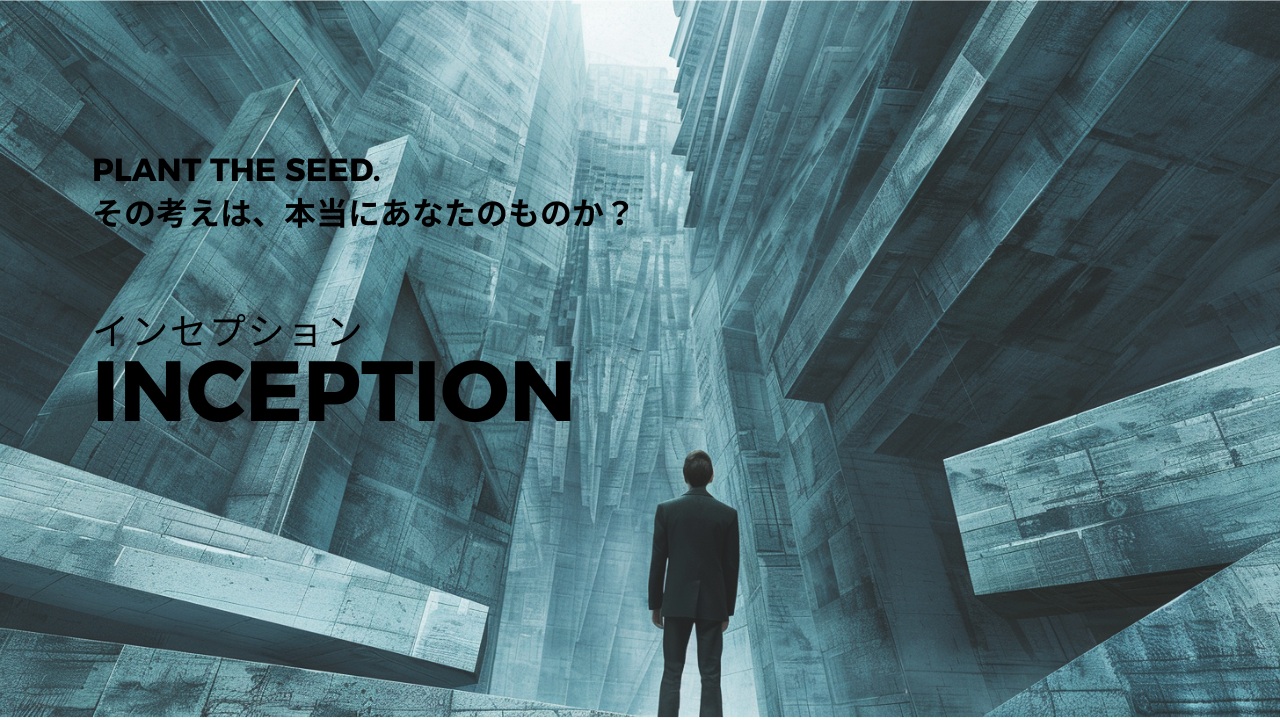
For this special day, I strongly recommend Christopher Nolan’s 2010 masterpiece Inception. This film is a groundbreaking work that cinematizes the essential concept of hypnotism—infiltrating the subconscious world of dreams and manipulating thought itself.
The film’s protagonist Dom Cobb (Leonardo DiCaprio) is an “extractor” who infiltrates people’s dreams to steal secrets. He uses dream-sharing technology to access targets’ subconsciousness and extract information. However, his ultimate challenge isn’t stealing information, but planting an idea—a nearly impossible task called “inception.”
This is precisely the core of hypnotherapy. Hypnotherapists guide clients into trance states, access the subconscious, plant positive suggestions, and modify behavioral patterns. Inception visualizes this process as a multi-layered dream structure, exploring the boundaries between consciousness and unconsciousness, reality and illusion, memory and creation.
Watching Inception on World Hypnotism Day provides an opportunity to understand that hypnotism isn’t merely an entertainment trick, but a powerful psychological tool for accessing the depths of human consciousness.
Basic Information & Synopsis
→ For detailed synopsis and production information, see our Database Article
Director: Christopher Nolan
Year: 2010
Runtime: 148 minutes
Studio: Warner Bros., Legendary Pictures
Commemorative Day: World Hypnotism Day (January 4)
Background Knowledge
Nolan’s Conception: 9-10 Years of Writing
Christopher Nolan spent 9-10 years writing the Inception screenplay.
After completing Insomnia in 2002, Nolan submitted an 80-page treatment (script outline) about “dream thieves” to Warner Bros. Initially, he conceived this as a horror film, but eventually rewrote it as a heist movie.
However, Nolan determined he needed more experience before tackling a project of this scale and complexity. So he made Batman Begins (2005), The Prestige (2006), and The Dark Knight (2008).
The success of The Dark Knight enabled Nolan to commit to Inception, completing the script in 6 months. Warner Bros. purchased the script in February 2009, producing it as a major work with a $160 million budget and $100 million advertising budget.
Nolan stated that the script’s key was the question “What if multiple people could share the same dream?”: “Remove privacy, and you create an infinite alternative universe where people can interact meaningfully.”
Franz Mesmer and the History of Hypnotism
Understanding hypnotism’s history is useful for comprehending the film.
Franz Mesmer (1734-1815) is considered the modern father of hypnotism. He was a German physician who proposed the theory of “animal magnetism.” Mesmer believed that “magnetic fluid” flowed through the human body, and its imbalance caused illness.
His treatment method involved guiding patients into “magnetic trances.” Patients reported actual symptom improvement. However, a scientific committee (including Benjamin Franklin and Lavoisier) concluded that Mesmer’s “magnetism” didn’t exist, and effects were due to “imagination.”
From a modern perspective, what Mesmer’s patients experienced was hypnotic trance, and effects were due to suggestion and expectation.
James Braid (1795-1860) was a Scottish surgeon who coined the term “hypnosis” in 1843 (derived from Greek “hypnos,” meaning sleep). Braid studied hypnotism scientifically, showing it resulted not from “magnetism” but from focused attention and suggestion.
From the late 19th to early 20th century, psychologists like Sigmund Freud and Carl Jung studied hypnotism, but Freud ultimately abandoned it and developed free association.
In the late 20th century, hypnotism was reevaluated as a legitimate psychotherapy method, and is now used in many fields including medicine, dentistry, law enforcement, sports, and education.
The “DREAMS” Theory: A Clever Easter Egg
One of the most fascinating fan theories about Inception involves the main characters’ names. The first letters of the six primary characters spell out “DREAMS”:
- Dom Cobb
- Robert Fischer
- Eames
- Arthur
- Mal
- Saito
While Nolan has never confirmed this was intentional, the alignment seems too perfect to be coincidental. This clever detail has become one of the film’s most discussed Easter eggs among fans.
Ken Watanabe’s Casting: From Batman to Saito
Christopher Nolan was so impressed with Ken Watanabe’s performance as Ra’s al Ghul in Batman Begins (2005) that he specifically wrote the role of Saito with Watanabe in mind. Nolan wanted to give Watanabe “a role with more screen time” and create a character who would be integral to the entire narrative.
Watanabe’s Saito is not merely a client but becomes a key member of the team, appearing in multiple dream layers and ultimately sharing Limbo with Cobb. This expanded role showcases Watanabe’s ability to convey dignity, intelligence, and mystery—qualities that made him perfect for the enigmatic businessman who sets the entire plot in motion.
What Makes It Exceptional
Leonardo DiCaprio’s Complex Performance
The film’s greatest strength is Leonardo DiCaprio’s complex, multi-layered performance as Dom Cobb. Cobb is a competent professional yet a broken man suffering from guilt and loss.
DiCaprio masterfully portrays Cobb’s multiple aspects:
- Professional: Cool, intellectual strategist
- Leader: Strong leadership guiding the team
- Broken man: Suffering from guilt over wife’s death
- Father: Desperate desire to see his children
- Prisoner: Trapped in his own subconscious
Particularly impressive are scenes where Cobb confronts Mal’s projection. He knows she isn’t real, yet cannot let her go. DiCaprio expresses this contradiction through facial expressions and gestures more than words.
DiCaprio spent months discussing the script with Nolan, working to ensure the character’s emotional journey drove the film. As a result, Inception became not merely an action film, but a deep psychological drama about loss and guilt.
Nolan’s Screenplay: Balancing Complexity and Clarity
Christopher Nolan’s screenplay achieves an astonishing balance of complexity and clarity.
Inception is structurally very complex:
- 3 (sometimes 4) dream layers progressing simultaneously
- Different time flows in each layer
- Flashbacks and present scenes alternating
- Blurred boundaries between reality and dreams
However, Nolan uses clever scriptwriting techniques to prevent audiences from getting lost:
- Ariadne’s role: She functions as “audience surrogate.” As she learns about dream-sharing, so does the audience
- Clear rules: The dream world has clear rules, repeatedly explained by characters
- Visual distinctions: Cinematographer Wally Pfister gave each dream layer different visual styles (Layer 1: rain and dark city; Layer 2: warm hotel; Layer 3: white snow mountains)
- Clever exposition placement: Using heist film structure, characters naturally explain plans
Critic Kristin Thompson evaluated Inception as a new form of “continuous exposition.” Three-quarters of the film is devoted to explanation, yet it never becomes boring due to Nolan’s scriptwriting skill.
Prioritizing Practical Effects: Visual Beauty Without Relying on CGI
Inception’s visual effects excel by prioritizing practical effects and minimizing CGI.
Nolan said: “Shooting in-camera as much as possible has always been very important to me. And when necessary, computer graphics are very useful for building or enhancing what we’ve achieved physically.”
The rotating corridor scene (Joseph Gordon-Levitt’s zero-gravity fight) was filmed not with CGI, but using an actually rotating corridor set. The corridor was 100 feet (about 30m) long, suspended in 8 large concentric rings, and moved by 2 giant electric motors.
Gordon-Levitt himself performed most stunts, training for weeks. He recalled: “It was like some incredible torture device. We beat Joseph up for weeks, but when you finally see the footage, it’s something none of us had ever seen.”
The Paris folding scene (Ariadne bending the city) was also filmed with minimal CGI. The basic city structure was built as sets, with CGI used only for detail additions.
For the Los Angeles car chase scene (freight train running through city center), they installed a train engine replica on a tractor-trailer chassis. The replica was made by taking fiberglass molds from actual train parts.
This prioritization of practical effects gives the film physical weight and reality, allowing audiences to deeply immerse in the imagery.
Hans Zimmer’s Innovative Score: Birth of “BRAAAM”
Hans Zimmer’s music is another exceptional aspect of Inception.
Zimmer described the score as “very electronic and dense,” stating it’s “filled with nostalgia and sadness to match Cobb’s emotions.”
The music’s core is Édith Piaf’s “Non, je ne regrette rien” (No Regrets). This song is used in the film as a “kick” signal to awaken from dreams. Zimmer reprocessed elements of this song and incorporated them into the score.
Most innovative is the low brass sound called “BRAAAM.” This is repeatedly used in the trailer and film, conveying apocalyptic importance.
Inception’s trailer shaped 2010s blockbuster film trailer trends. Many films imitated the “BRAAAM” sound, and it became widely recognized as “steroid-powered foghorn-like low brass notes.”
Zimmer’s music was nominated for the Academy Award for Best Original Score but didn’t win (Trent Reznor and Atticus Ross won for The Social Network).
Ensemble Cast’s Outstanding Performances
Beyond lead DiCaprio, the entire ensemble cast delivers excellent performances:
- Ken Watanabe (Saito): Dignified, intelligent, and mysterious businessman. Watanabe emphasized different Saito characteristics in each dream layer
- Marion Cotillard (Mal): As “essence of femme fatale,” expressing strength, vulnerability, hope, and heartbreaking nature all simultaneously
- Joseph Gordon-Levitt (Arthur): Cool, competent “producer” making Cobb’s vision achievable
- Elliot Page (Ariadne): Perfect combination of freshness, intelligence, and maturity beyond age
- Tom Hardy (Eames): Humorous, sharp-tongued character bringing lightness to the film
- Cillian Murphy (Robert Fischer): Masterfully portraying transformation from spoiled child to complex character seeking father’s approval
Each character is clearly defined, and each contributes to the film’s success.
Related Articles
- Inception Database – Synopsis & Production Details
- Christopher Nolan – Filmmaker Profile
はじめに
1月4日は、世界催眠デー(World Hypnotism Day)です。この国際記念日は、2004年に米国公認催眠術師トム・ニコリ(Tom Nicoli)と世界催眠デー委員会によって制定されました。催眠術の真実と効果を広め、催眠術を取り巻く神話や誤解を取り除くことを目的としています。
催眠術(hypnotism)の西洋科学における起源は1770年代に遡ります。ドイツの医師フランツ・メスメル(Franz Mesmer)が、当時「動物磁気(animal magnetism)」や「メスメリズム(mesmerism)」と呼ばれた現象を体系化しました。「hypnosis」という用語そのものは、1843年にスコットランドの医師ジェームズ・ブレイド(James Braid)によって造語されました。
催眠術とは、高度に集中した意識状態として定義されます。リラックスと被暗示性の高まりを伴い、一種のトランス状態とも表現されます。現代では、催眠療法は心理療法の一手法として確立されており、ストレス軽減、不安管理、禁煙支援、減量、恐怖症の克服など、様々な分野で活用されています。
しかし、多くの人々は依然として催眠術を誤解しています。「催眠術師が人を完全に支配できる」「催眠状態から抜け出せなくなる」「催眠術はオカルトである」——これらはすべて神話です。世界催眠デーは、こうした誤解を正し、催眠術の科学的基盤と実用的利益について人々を教育する機会を提供します。
この特別な日に観るべき作品として、クリストファー・ノーラン監督の2010年の傑作『インセプション』(Inception)を強く推奨します。本作は、夢という潜在意識の世界に侵入し、思考そのものを操作するという、催眠術の本質的な概念を映画化した画期的な作品です。
映画の主人公ドム・コブ(レオナルド・ディカプリオ)は、人々の夢に侵入して秘密を盗み出す「エクストラクター(extractor)」です。彼は、夢共有技術を使って標的の潜在意識にアクセスし、情報を抽出します。しかし、彼が直面する最終的な挑戦は、情報を盗むことではなく、アイデアを植え付けること——「インセプション」と呼ばれる、ほぼ不可能な作業です。
これは、まさに催眠療法の核心です。催眠療法士は、クライアントをトランス状態に導き、潜在意識にアクセスして、ポジティブな暗示を植え付け、行動パターンを変更します。『インセプション』は、この過程を多層的な夢の構造として視覚化し、意識と無意識、現実と幻想、記憶と創造の境界を探求します。
世界催眠デーに『インセプション』を観ることは、催眠術が単なるエンターテインメントのトリックではなく、人間の意識の深層にアクセスする強力な心理学的ツールであることを理解する機会となるでしょう。
基本情報・あらすじ
→ 詳しいあらすじや製作情報はデータベース記事へ
監督: クリストファー・ノーラン
製作年: 2010年
上映時間: 148分
制作スタジオ: ワーナー・ブラザース、レジェンダリー・ピクチャーズ
記念日: 世界催眠デー(1月4日)
予備知識
クリストファー・ノーランの構想:9〜10年の執筆期間
クリストファー・ノーランは、『インセプション』の脚本を9〜10年かけて執筆しました。
ノーランは2002年に『インソムニア』を完成させた後、「夢泥棒」についての80ページのトリートメント(脚本の概要)をワーナー・ブラザースに提出しました。当初、彼はこれをホラー映画として構想していましたが、最終的にヒスト映画として書き直しました。
しかし、ノーランは、この規模と複雑さのプロジェクトに取り組む前に、より多くの経験が必要だと判断しました。そこで彼は、『バットマン ビギンズ』(2005)、『プレステージ』(2006)、『ダークナイト』(2008)を制作しました。
『ダークナイト』の成功により、ノーランは『インセプション』に取り組む決断をし、6ヶ月で脚本を完成させました。ワーナー・ブラザースは2009年2月に脚本を購入し、予算1億6,000万ドル、広告費1億ドルの大作として制作されました。
ノーランは、脚本の鍵は「複数の人々が同じ夢を共有したらどうなるか」という疑問だったと述べています:「プライバシーを取り除くと、人々が意味のある形で相互作用できる無限の代替宇宙が生まれます」。
フランツ・メスメルと催眠術の歴史
映画を理解するためには、催眠術の歴史を知ることが有用です。
**フランツ・メスメル(Franz Mesmer、1734-1815)**は、催眠術の近代的な父と見なされています。彼はドイツの医師で、「動物磁気(animal magnetism)」の理論を提唱しました。メスメルは、人体には「磁気流体(magnetic fluid)」が流れており、その不均衡が病気を引き起こすと信じていました。
彼の治療法は、患者を「磁気的トランス」に導くことでした。患者たちは、実際に症状が改善したと報告しました。しかし、科学委員会(ベンジャミン・フランクリンやラヴォアジエを含む)は、メスメルの「磁気」は存在せず、効果は「想像力(imagination)」によるものだと結論しました。
現代の視点では、メスメルの患者が経験したのは催眠術的トランスであり、効果は暗示と期待によるものだったと理解されています。
**ジェームズ・ブレイド(James Braid、1795-1860)**は、スコットランドの外科医で、1843年に「hypnosis」という用語を造語しました(ギリシャ語の「hypnos(眠り)」に由来)。ブレイドは、催眠術を科学的に研究し、それが「磁気」ではなく、注意の集中と暗示によるものであることを示しました。
19世紀後半から20世紀初頭にかけて、ジークムント・フロイトやカール・ユングなどの心理学者が催眠術を研究しましたが、フロイトは最終的に催眠術を放棄し、自由連想法を開発しました。
20世紀後半、催眠術は心理療法の正当な手法として再評価され、現在では医療、歯科、法執行、スポーツ、教育など、多くの分野で使用されています。
「DREAMS」理論:巧妙なイースターエッグ
『インセプション』の最も魅力的なファン理論の一つは、主要キャラクターの名前に関するものです。6人の主要キャラクターの頭文字を並べると「DREAMS」になります:
- Dom Cobb(ドム・コブ)
- Robert Fischer(ロバート・フィッシャー)
- Eames(イームス)
- Arthur(アーサー)
- Mal(マル)
- Saito(サイトー)
ノーランはこれが意図的だったと公式に認めていませんが、この一致はあまりにも完璧で偶然とは思えません。この巧妙なディテールは、ファンの間で最も議論されるイースターエッグの一つとなっています。
渡辺謙の起用:バットマンからサイトーへ
クリストファー・ノーラン監督は、『バットマン ビギンズ』(2005)での渡辺謙のラーズ・アル・グール役の演技に非常に感銘を受け、サイトー役を渡辺を念頭に置いて書き下ろしました。ノーランは渡辺に「もっと出番のある役」を与えたいと考えていました。
渡辺のサイトーは単なる依頼人ではなく、チームの重要なメンバーとなり、複数の夢の層に登場し、最終的にはコブとリンボを共有します。この拡大された役割は、渡辺が威厳、知性、神秘性を伝える能力を示しており、物語全体を動かす謎めいたビジネスマンにぴったりでした。
優れている点
レオナルド・ディカプリオの複雑な演技
本作の最大の優れた点は、レオナルド・ディカプリオのドム・コブ役での複雑で多層的な演技です。コブは、有能な専門家でありながら、罪悪感と喪失感に苦しむ壊れた男です。
ディカプリオは、コブの複数の側面を見事に演じ分けています:
- プロフェッショナル: 冷静で知的な作戦立案者
- リーダー: チームを導く強いリーダーシップ
- 壊れた男: 妻の死に対する罪悪感に苦しむ
- 父親: 子供たちに会いたいという切実な願望
- 囚人: 自分自身の潜在意識に囚われている
特に印象的なのは、コブがマルの投影と対峙するシーンです。彼は、彼女が本物ではないと知っていますが、同時に彼女を手放すこともできません。ディカプリオは、この矛盾を、言葉以上に表情と身振りで表現しています。
ディカプリオは、ノーランと何ヶ月も脚本について議論し、キャラクターの感情的な旅路が映画の原動力となるように取り組みました。その結果、『インセプション』は、単なるアクション映画ではなく、喪失と罪悪感についての深い心理劇となりました。
クリストファー・ノーランの脚本:複雑さと明瞭さのバランス
クリストファー・ノーランの脚本は、驚異的な複雑さと明瞭さのバランスを達成しています。
『インセプション』は、構造的に非常に複雑です:
- 3層(時には4層)の夢が同時進行する
- 各層で時間の流れが異なる
- フラッシュバックと現在のシーンが交互に展開される
- 現実と夢の境界が曖昧になる
しかし、ノーランは、観客が迷子にならないように、巧妙な脚本技術を使用しています:
- アリアドネの役割: 彼女は「観客の代理人」として機能します。彼女が夢共有について学ぶにつれて、観客も学びます
- 明確なルール: 夢の世界には明確なルールがあり、キャラクターが繰り返し説明します
- 視覚的な区別: 撮影監督ウォーリー・フィスターは、各夢の層に異なる視覚スタイルを与えました(第1層は雨と暗い都市、第2層は暖かいホテル、第3層は白い雪山)
- エクスポジション(説明)の巧妙な配置: ヒスト映画の構造を利用して、キャラクターが自然に計画を説明します
批評家クリスティン・トンプソンは、『インセプション』を「連続的なエクスポジション」の新しい形式として評価しました。映画の4分の3は説明に費やされていますが、それが退屈にならないのは、ノーランの脚本の巧みさによるものです。
実用的効果(Practical Effects)の優先:CGIに頼らない映像美
『インセプション』の視覚効果の優れた点は、実用的効果(practical effects)を優先し、CGIを最小限に抑えたことです。
ノーランは言いました:「可能な限りカメラ内で撮影することが、私にとって常に非常に重要です。そして、必要であれば、コンピュータグラフィックスは、物理的に達成したものを構築または強化するのに非常に有用です」。
回転する廊下のシーン(ジョセフ・ゴードン=レヴィットの無重力戦闘)は、CGIではなく、実際に回転する廊下のセットを使用して撮影されました。廊下は100フィート(約30m)の長さで、8つの大きな同心円リングに吊るされ、2つの巨大な電気モーターで動かされました。
ゴードン=レヴィット自身がほとんどのスタントを演じ、数週間トレーニングしました。彼は回想しています:「それは何か信じられない拷問装置のようでした。私たちは何週間もジョセフを叩きのめしましたが、最終的に映像を見ると、それは私たちの誰もが見たことのないものでした」。
パリの折りたたみシーン(アリアドネが街を折り曲げる)も、最小限のCGIで撮影されました。基本的な都市の構造はセットとして構築され、CGIは細部の追加のみに使用されました。
ロサンゼルスのカーチェイスシーン(街の真ん中を貨物列車が走る)では、トラクタートレーラーのシャーシに列車エンジンのレプリカを設置しました。レプリカは、本物の列車部品からファイバーグラスの型を取って作られました。
この実用的効果の優先により、映画は物理的な重量感とリアリティを持ち、観客は映像に深く没入できます。
ハンス・ジマーの革新的なスコア:「BRAAAM」の誕生
ハンス・ジマーの音楽は、『インセプション』のもう一つの優れた点です。
ジマーは、スコアを「非常に電子的で、密度の高い」ものと表現し、「コブの感情に合わせるために、ノスタルジアと悲しみに満ちている」と述べています。
音楽の核心は、エディット・ピアフの「Non, je ne regrette rien(水に流して)」です。この曲は、映画の中で夢から覚醒するための「キック」の合図として使用されます。ジマーは、この曲の要素を再加工してスコアに組み込みました。
最も革新的なのは、「BRAAAM」と呼ばれる低音のブラス音です。これは、予告編と映画の中で繰り返し使用され、黙示録的な重要性を伝えます。
『インセプション』の予告編は、2010年代のブロックバスター映画の予告編のトレンドを形作りました。多くの映画が「BRAAAM」音を模倣し、それは「ステロイドを使ったフォグホーンのような低音のブラスノート」として広く認識されるようになりました。
ジマーの音楽は、アカデミー作曲賞にノミネートされましたが、受賞は逃しました(『ソーシャル・ネットワーク』のトレント・レズナーとアティカス・ロスが受賞)。
アンサンブル・キャストの優れた演技
主演のディカプリオに加えて、アンサンブル・キャスト全体が優れた演技を見せています:
- 渡辺謙(サイトー): 威厳があり、知的で、そして謎めいたビジネスマン。渡辺は、各夢の層でサイトーの異なる特性を強調しました
- マリオン・コティヤール(マル): 「ファム・ファタール(femme fatale)の本質」として、強さ、脆弱さ、希望、そして心を痛める性質をすべて同時に表現
- ジョセフ・ゴードン=レヴィット(アーサー): 冷静で有能な「プロデューサー」として、コブのビジョンを実現可能にする
- エリオット・ペイジ(アリアドネ): 新鮮さ、聡明さ、そして年齢を超えた成熟さの完璧な組み合わせ
- トム・ハーディ(イームス): ユーモラスで鋭い舌を持つキャラクターで、映画に軽さをもたらす
- キリアン・マーフィ(ロバート・フィッシャー): 甘やかされた子供から、父親の承認を求める複雑なキャラクターへの変化を見事に演じる
各キャラクターは明確に定義され、それぞれが映画の成功に貢献しています。
関連記事
- Inception データベース – あらすじ・製作情報
- クリストファー・ノーラン – 監督プロフィール