

Choose Your Language / 言語を選択:
Introduction
When the Land Dies, What Do People Fight Over?
June 17 is the World Day to Combat Desertification and Drought.
On June 17, 1994, the United Nations Convention to Combat Desertification (UNCCD) was adopted in Paris. The day was subsequently designated by the UN General Assembly as an annual occasion to raise global awareness of desertification and drought, and to promote action toward sustainable land management.
Desertification is not simply the natural expansion of deserts. The UNCCD defines it as “land degradation in arid, semi-arid and dry sub-humid areas resulting from various factors, including climatic variations and human activities.” Its human causes include overcropping, overgrazing, deforestation, and inappropriate irrigation. The UN additionally identifies war among the factors contributing to land degradation. The consequences include crop failure, famine, forced displacement, and conflict over resources. Land degradation is not only an environmental issue — it threatens the stability of human societies.
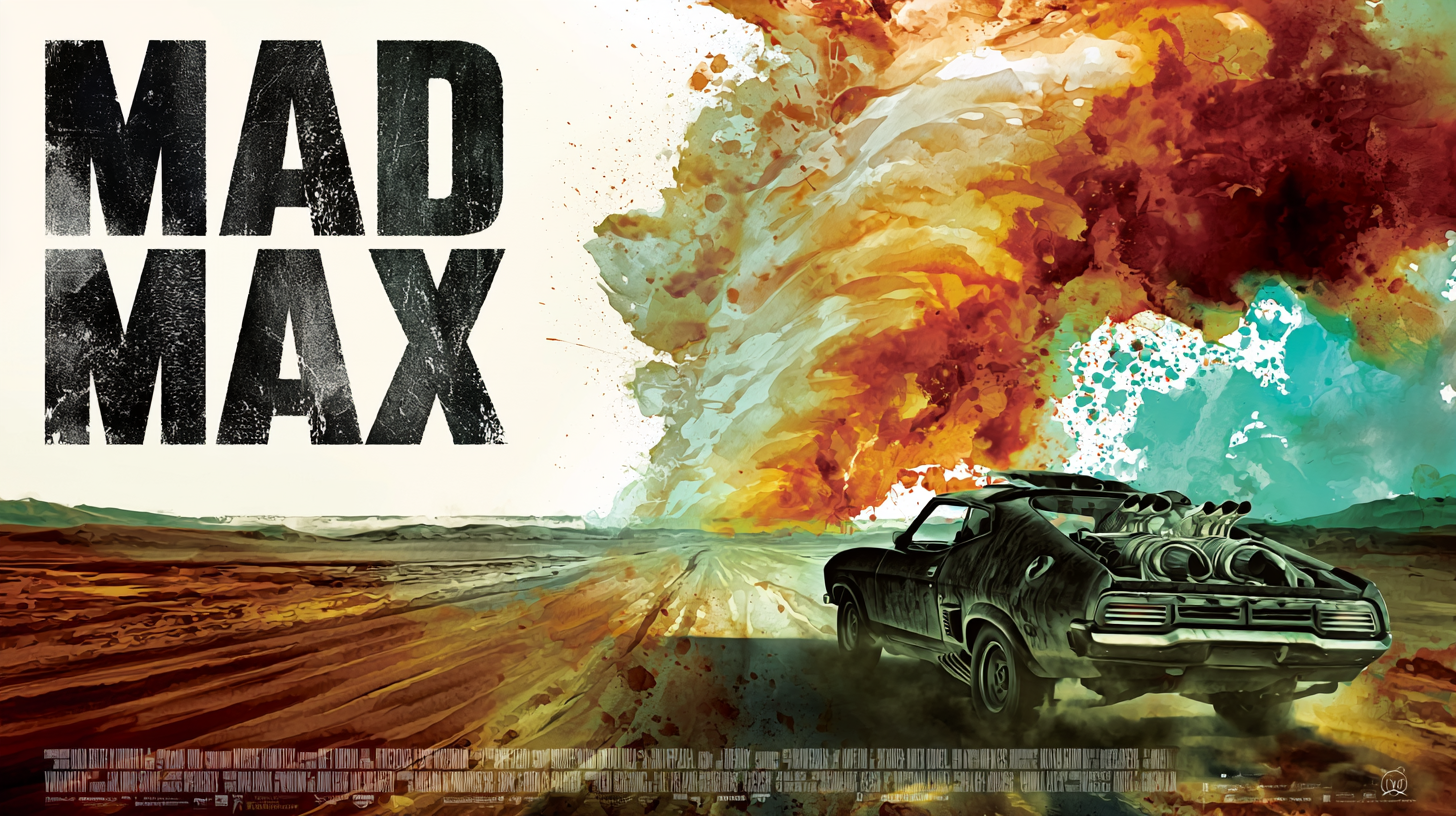
For this day, the film to watch is Mad Max: Fury Road (2015), directed by George Miller.
The film is set in a future where nuclear war has stripped the land of water and green. What little remains is monopolized by a small number of powerful figures who use it to control populations. At first glance this is a car-action spectacle. What it is depicting is the end point of desertification: a world in which the causes of land degradation (war) and its consequences (resource conflict and forced displacement) have been taken to their logical extreme.
The film received ten Academy Award nominations and won six: Film Editing, Production Design, Costume Design, Makeup and Hairstyling, Sound Editing, and Sound Mixing. A prequel, Furiosa, was released in 2024.
Basic Information & Synopsis
→ For synopsis and production information, see our Database Article
Director: George Miller
Year: 2015
Runtime: 120 minutes
Production: Village Roadshow Pictures, Kennedy Miller Mitchell
Commemorative Day: World Day to Combat Desertification and Drought (June 17)
Synopsis: The world has ended. Water is controlled by Immortan Joe, who holds the aquifer beneath the Citadel and dispenses it in measured quantities to the population below — enough to create dependence, not enough for independence. Max is a lone survivor taken captive. Imperator Furiosa, one of Joe’s war commanders, diverts her convoy across the desert. She is carrying Joe’s wives to freedom. Joe pursues with his entire army. The film is the chase — two hours of vehicles crossing a wasteland — but its stakes are water, freedom, and the question of what a world without those resources has become.
Background Knowledge
George Miller and the Series’ History
The Mad Max series began in 1979, when George Miller — then a practicing physician, whose experience treating road accident victims in hospital had formed his perspective on violence and mortality — released the first film with Mel Gibson as Max. Fury Road is the fourth installment, arriving thirty years after the third film (Beyond Thunderdome, 1985). Tom Hardy takes over as Max. Miller spent years on the screenplay with co-writer Nico Lathouris, building detailed backstories for every character, vehicle, and prop visible on screen.
War Degrades the Land — The Fictional and Real Connection
The fictional world of Fury Road was destroyed by nuclear war. This may seem remote from the real causes of desertification — overcropping, deforestation, poor irrigation. But the UNCCD explicitly identifies war as a factor in land degradation. Armed conflict destroys land and water infrastructure, displaces people who would otherwise manage the land, and makes environmental stewardship impossible. The “nuclear wasteland” of the film is an extreme version of what the UNCCD has documented as the relationship between armed conflict and land destruction.
Water and Green as Tools of Control
The film’s central power structure — Immortan Joe’s monopoly over water — is a direct extension of what the UN warns happens when land degrades and resources become scarce: they concentrate in the hands of those with the power to control them. In a world where the land can no longer sustain crops, water becomes the currency of domination. The film makes viscerally visible what the UNCCD describes in policy language: resource scarcity enabling authoritarian control.
Australia and the Director’s Landscape
The Mad Max series has always drawn on the Australian landscape Miller grew up in — a continent where the majority of the land mass is arid or semi-arid, where long droughts, salinity, and soil degradation are lived realities. The planned shooting location for Fury Road was Australia, but exceptional rains turned the planned desert locations green. Production moved to Namibia. The need to find a real desert to film a desert story is itself a small document of the variability of land and climate.
What Makes It Exceptional
Action Built on Physical Reality
The film’s most distinctive technical quality is its commitment to practical, in-camera action. The modified vehicles are real; the stunts — performers moving between moving cars, vehicles rolling and catching fire — were genuinely performed, not digitally constructed. Digital work was used primarily for background correction and removal of safety equipment. The physical reality of what is happening on screen gives the action its particular weight and sensation of consequence: this is what it would actually feel like if a vehicle crashed.
Image-Led Storytelling Without Explanation
The film uses almost no expository dialogue. The world’s backstory, the characters’ histories, the social structures of the Citadel — all communicated through what is visible on screen: the configuration of bodies, vehicles, clothing, ritual gestures, and the organization of space. This visual grammar, which requires the audience to read rather than be told, is what makes the film’s world feel inhabited rather than explained.
Furiosa as the Actual Protagonist
The title is Mad Max, but the person who drives the story — literally and narratively — is Furiosa. She makes the plan, executes it, holds the steering wheel, and is the character with clear moral agency throughout. Charlize Theron’s performance creates a character of sufficient complexity and presence that a prequel film was subsequently built around her origin story. The introduction of this figure into a series that had previously centered on a male protagonist is among the film’s most significant formal choices.
Related Articles
- Mad Max: Fury Road Database – Synopsis & Production Details
- George Miller – Filmmaker Profile
- Charlize Theron – Actor Profile
はじめに
水と緑を失った大地で、人は何を奪い合うのか
6月17日は、国連が定める「砂漠化および干ばつと闘う世界デー(World Day to Combat Desertification and Drought)」です。1994年6月17日、パリで国連砂漠化対処条約(UNCCD)が採択され、同年12月の国連総会決議によって、この日が記念日として定められました。砂漠化と干ばつが世界のあらゆる地域に影響を及ぼす地球規模の問題であることを広く認識し、持続可能な土地管理に向けた行動を促すことを目的としています。
砂漠化とは、単に砂漠が自然に広がる現象を指すのではありません。国連砂漠化対処条約は、これを「気候変動と人間活動を含むさまざまな要因に起因する、乾燥地域における土地の劣化」と定義しています。その人為的な原因には、過耕作・過放牧・森林伐採・不適切な灌漑があり、さらに国連はその背景に「戦争」を挙げています。そして砂漠化がもたらす帰結として、作物の不作、飢餓、強制移住、そして資源をめぐる紛争があると警告しています。土地の荒廃は、環境問題にとどまらず、人間社会の安定そのものを脅かす問題なのです。
この日に観る作品として、2015年公開の**『マッドマックス 怒りのデス・ロード』**(Mad Max: Fury Road)を取り上げます。ジョージ・ミラー監督によるこのアクション映画は、核戦争によって水と緑を失った荒野を舞台に、生き残りをかけた人々の闘いを描いています。一見すると純然たるカーアクション大作ですが、本作が描くのは、土地が荒廃し、わずかに残った水と緑が一部の権力者に独占された世界であり、そこで繰り広げられる資源をめぐる暴力の物語です。
戦争が大地を不毛に変え、枯渇した資源の奪い合いが新たな暴力を生む——本作の終末世界は、砂漠化の原因(戦争)と帰結(資源紛争)の双方を、極限まで推し進めて見せた寓話として読むことができます。
基本情報・あらすじ
→ あらすじや製作情報はデータベース記事へ
監督: ジョージ・ミラー
製作年: 2015年
上映時間: 120分
制作: ビレッジ・ロードショー・ピクチャーズ、Kennedy Miller Mitchell
記念日: 砂漠化および干ばつと闘う世界デー(6月17日)
あらすじ: 世界は終わった。シタデルの地下水源を握る支配者イモータン・ジョーは、水を分け与えることで民衆を支配しています。生き残りの男マックスは捕虜として連行されていましたが、ジョーの戦士フュリオサが自分の指揮するコンボイを荒野へと逸らします——ジョーの「妻たち」を連れて、自由を目指して。ジョーは全軍で追跡します。映画は二時間の追走劇ですが、その賭け金は、水であり、自由であり、そうした資源のない世界が何を意味するかという問いです。
予備知識
ジョージ・ミラーとシリーズの歴史
『マッドマックス』シリーズは、オーストラリアの映画作家ジョージ・ミラーが1979年に第1作を発表して以来続く、ポストアポカリプス・アクションの代表的なフランチャイズです。ミラーはもともと医師であり、勤務先の病院で交通事故の犠牲者を数多く目にした経験が、暴力と生死を見つめる作風の根底にあるといわれます。
本作『怒りのデス・ロード』は、第3作『マッドマックス/サンダードーム』(1985年)から実に30年ぶりとなるシリーズ第4作です。主人公マックスはトム・ハーディに引き継がれました。ミラーは共同脚本のニコ・ラソウリスらとともに、画面に映るすべての登場人物・小道具・車両に詳細な背景設定を施したといいます。
戦争が大地を不毛に変えるという設定
本作の世界が荒廃した直接の原因は、核戦争です。国連砂漠化対処条約は、土地劣化を招く人為的要因の一つとして明確に「戦争」を挙げています。武力紛争は、土地や水のインフラを破壊し、人々を土地から引き離し、環境の管理を不可能にすることで、大地を不毛へと追いやります。本作が描く「核戦争後の荒野」は、この戦争と土地荒廃の関係を極端化した世界像なのです。
水と緑が支配の道具となる世界
本作の世界観の核心は、水と緑という生命の基盤が、一部の権力者に独占されているという設定にあります。支配者イモータン・ジョーは、シタデルの水源を握ることで民衆を統制し、わずかな水を施しのように与えることで人々を従わせています。国連が、砂漠化の帰結として資源をめぐる紛争や、ごく一部による資源の囲い込みを警告していることを思えば、この設定は記念日の問題意識と深く重なります。
オーストラリアという土地と監督の原体験
本作の世界観は、監督ジョージ・ミラーの故郷であるオーストラリアの風土と無縁ではありません。オーストラリアは大陸の大部分が乾燥・半乾燥地帯であり、長期化する干ばつ、塩害の拡大、土地の劣化といった問題に現実に直面してきた国です。なお本作の砂漠の撮影は、当初予定地だったオーストラリアが記録的な降雨で緑に覆われてしまったため、最終的にナミビアの砂漠で行われました。砂漠を撮るために砂漠を探さねばならなかったという制作の経緯そのものが、土地と気候の変動性を物語っています。
アカデミー賞6部門受賞という評価
本作は批評・興行の両面で大きな成功を収めました。全世界で約3億7,940万ドルの興行収入を記録し、アカデミー賞では10部門にノミネートされ、編集賞、美術賞、衣裳デザイン賞、メイクアップ&ヘアスタイリング賞、音響編集賞、録音賞の6部門を受賞しました。2024年には、フュリオサの過去を描く前日譚『フュリオサ』も公開されました。
優れしている点
実写を基盤としたアクションの迫力
本作の最大の特徴は、CGに過度に依存せず、実車・実物のスタントを基盤にアクションを構築している点です。荒野を疾走する改造車両、車から車へ飛び移るウォーボーイズ、横転し炎上する車体——その多くが実際に撮影されたものであり、画面に圧倒的な物理的説得力をもたらしています。デジタル処理は背景の補正や危険箇所の除去などに留められ、観客が感じる衝撃の生々しさにつながっています。
台詞に頼らない映像主導の語り
本作は、説明的な台詞を極力排し、映像と動きそのものによって物語を進めます。世界の成り立ちや登場人物の背景は、長広舌ではなく、画面に映る細部——人々の身体、車両の意匠、わずかな所作——を通じて観客に伝えられます。この映像主導の語り口が、絶え間ない疾走感と、荒廃した世界のリアリティを両立させています。
フュリオサという主人公格の存在
タイトルは『マッドマックス』ですが、物語を実質的に牽引するのは女戦士フュリオサです。彼女は守られる対象ではなく、自らの意志で計画を立て、ハンドルを握り、戦う主体として描かれます。シャーリーズ・セロンが演じるこの人物は、シリーズに新たに導入されたキャラクターでありながら、強い存在感で物語の中心となりました。その後、彼女を主役とする前日譚が制作されたことも、この造形の成功を物語っています。