
Basic Info / 基本情報
|
項目 |
English |
日本語 |
|---|---|---|
|
記念日名 |
Hip-Hop Day (Hip Hop Celebration Day) |
ヒップホップの日 |
|
日付 |
August 11 (Annual) |
8月11日(毎年) |
|
起源の出来事 |
The “Back to School Jam,” 1520 Sedgwick Avenue, The Bronx, August 11, 1973 |
「バック・トゥ・スクール・ジャム」、ブロンクス 1520セッジウィック・アヴェニュー、1973年8月11日 |
|
生みの親 |
DJ Kool Herc (Clive Campbell) & Cindy Campbell |
DJクール・ハーク(クライヴ・キャンベル)とシンディ・キャンベル |
|
米国での公式化 |
Schumer–Cassidy resolution designating Aug 11 as “Hip Hop Celebration Day” (2021) |
シューマー=キャシディ決議により8月11日を「ヒップホップ・セレブレーション・デー」に(2021年) |
|
4大要素 |
DJing, MCing (rap), Breakdancing (breaking), Graffiti |
DJ、MC(ラップ)、ブレイクダンス(ブレイキン)、グラフィティ |
|
カテゴリ |
Music / Culture / History / Art / Community |
音楽 / 文化 / 歴史 / アート / コミュニティ |
Introduction: A Culture Born from a Turntable and a Rec Room
はじめに:ターンテーブル1台とレクリエーションルームから生まれた文化
[English]
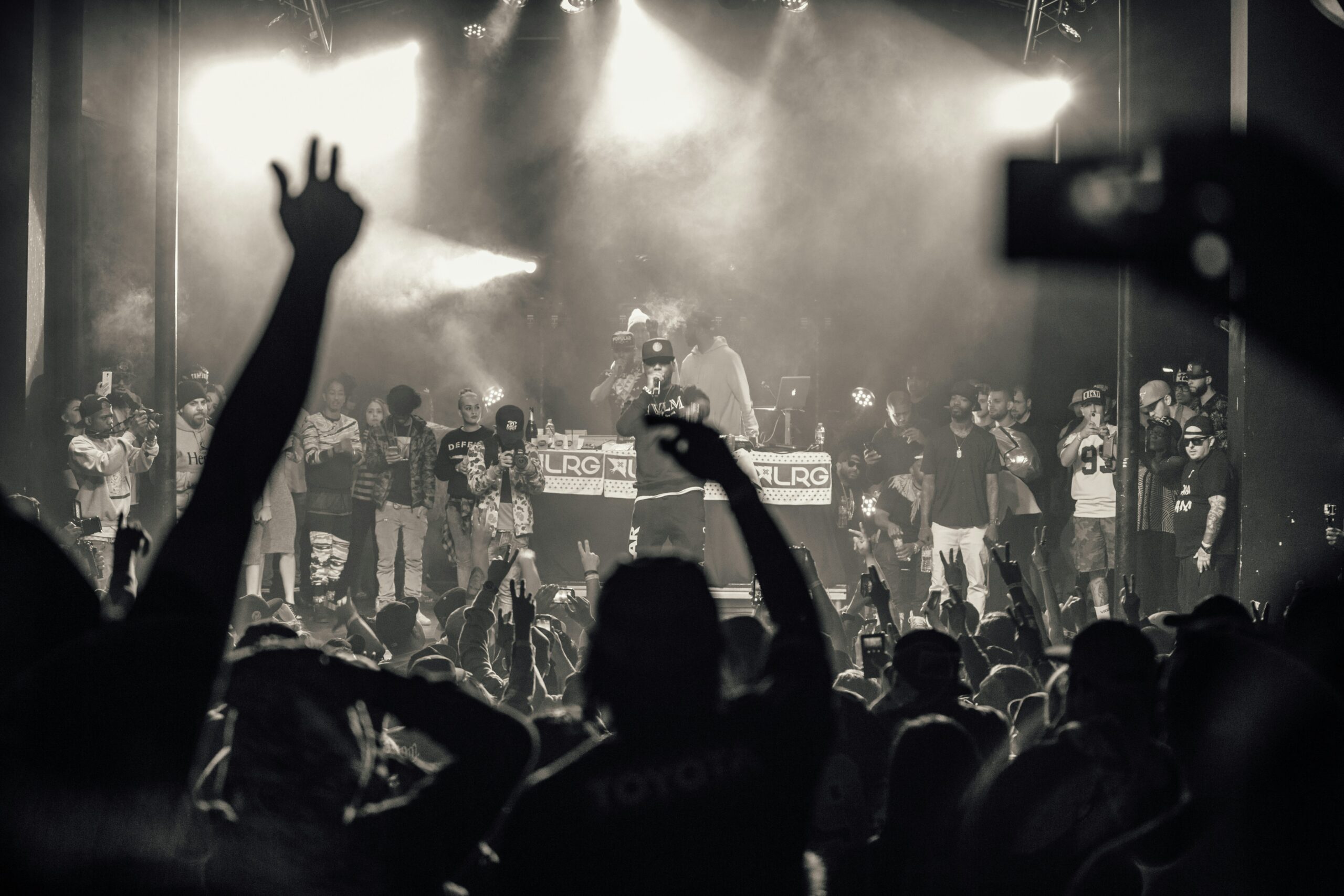
August 11 marks the day the world celebrates hip-hop—not a genre handed down by an institution, but a culture that grew, quite literally, out of a party. Today hip-hop is a global language: the sound of stadiums, fashion, film, advertising, and youth movements on every continent, and one of the most commercially dominant forms of music on earth. Yet its origin could hardly be more grassroots. It traces back to a single back-to-school party in a Bronx apartment building in 1973, thrown by a teenager and his sister to raise a little money for school clothes. What makes this day remarkable is that distance: from a rec room charging a quarter at the door, to a multi-billion-dollar culture that reshaped how the world sounds, moves, and speaks.
[日本語]
8月11日は、世界がヒップホップを祝う日です。それは、どこかの機関から授けられた「音楽ジャンル」ではなく、文字どおり一つのパーティーから育っていった「文化」です。今日、ヒップホップは世界共通の言語となりました。スタジアムの音であり、ファッションであり、映画や広告であり、あらゆる大陸の若者たちのムーブメントの音――そして地球上でもっとも商業的に支配的な音楽の形のひとつです。けれど、その起源はこれ以上ないほど草の根的なものでした。すべては1973年、ブロンクスのアパートで開かれた、たった一つの新学期パーティーにさかのぼります。それは、ひとりのティーンエイジャーと彼の姉が、学校で着る服を買うためのわずかなお金を集めようと開いたものでした。この日が特別なのは、その「隔たり」ゆえです。入口で25セントを取っていたレクリエーションルームから、世界の響き方、動き方、語り方そのものを作り変えた、数十億ドル規模の文化へ――。
Origins: August 11, 1973
由来:1973年8月11日
[English]
On August 11, 1973, in the ground-floor recreation room of an apartment building at 1520 Sedgwick Avenue in the West Bronx, an 18-year-old named Clive Campbell—known as DJ Kool Herc—played a back-to-school party organized by his sister, Cindy Campbell. Cindy, often called hip-hop’s “first lady,” planned and promoted the event to raise money for new school clothes; admission was a few cents at the door. Born in Kingston, Jamaica, Herc brought a sound-system sensibility shaped by Jamaican DJs, but his defining innovation happened on the turntables. Noticing that dancers came alive during a record’s instrumental “break”—the stripped-down, drum-heavy section—he used two copies of the same record and switched between them to loop that break indefinitely. He called it the “Merry-Go-Round.” That looped breakbeat gave dancers room to move and MCs room to talk over the rhythm, and it is now widely cited as the moment hip-hop was born.
[日本語]
1973年8月11日、ウェスト・ブロンクスの1520セッジウィック・アヴェニューにあるアパートの、1階のレクリエーションルームで、クライヴ・キャンベルという名の18歳の青年――DJクール・ハーク――が、姉のシンディ・キャンベルが企画した新学期パーティーでプレイしました。しばしばヒップホップの「ファースト・レディ」と呼ばれるシンディは、新しい学校の服を買うお金を集めるため、このイベントを計画し、宣伝しました。入場料は、入口で数セント。ジャマイカのキングストンで生まれたハークは、ジャマイカのDJたちに培われたサウンドシステムの感覚を持ち込みましたが、彼を決定づけた革新は、ターンテーブルの上で起こりました。レコードの器楽的な「ブレイク」――ヴォーカルや他の楽器がそぎ落とされ、ドラムが際立つ部分――で踊り手たちが最高に盛り上がることに気づいた彼は、同じレコードを2枚使い、その2枚を切り替えることで、ブレイクを果てしなくループさせたのです。彼はこれを「メリーゴーランド」と名づけました。このループするブレイクビーツが、踊り手には動くための余白を、MCにはリズムの上で語るための余白を与えました。そしてこれこそ、ヒップホップが生まれた瞬間として、今日広く語り継がれています。
From a Party to an Official Day
パーティーから、公式の記念日へ
[English]
For decades, August 11, 1973 lived as a cherished date within the culture rather than an official holiday. That changed as hip-hop approached its 50th anniversary. In 2021, U.S. Senators Chuck Schumer and Bill Cassidy sponsored a resolution designating August 11 as “Hip Hop Celebration Day,” and also recognizing August as Hip Hop Recognition Month—formally acknowledging on the national record what the culture had always known: that a Bronx rec room was hip-hop’s birthplace. The building itself, 1520 Sedgwick Avenue, has likewise been recognized as a historic landmark, and the nearby stretch was honored as “Hip Hop Boulevard.” The 50th-anniversary celebrations in 2023 turned that once-informal date into a worldwide commemoration.
[日本語]
何十年ものあいだ、1973年8月11日は、公式の祝日ではなく、文化の内側で大切にされてきた「特別な日付」として生き続けてきました。それが変わったのは、ヒップホップが50周年を迎えようとする頃です。2021年、米国のチャック・シューマー上院議員とビル・キャシディ上院議員が、8月11日を「ヒップホップ・セレブレーション・デー」と定める決議を提出し、あわせて8月を「ヒップホップ認知月間」として認めました。文化がずっと知っていたこと――ブロンクスのレクリエーションルームこそがヒップホップの生誕地であること――が、国家の記録として正式に認められた瞬間でした。その建物自体、1520セッジウィック・アヴェニューもまた歴史的建造物として認定され、近くの通りは「ヒップホップ・ブールバード」として讃えられています。そして2023年の50周年の祝賀は、かつては非公式だったこの日付を、世界規模の記念日へと変えたのです。
The Four Elements / 4つの要素
[English]
Hip-hop is often described not as a single art form but as a culture built on four core elements, all present in embryo at those early Bronx parties.
- DJing — the turntable as an instrument: isolating and looping breakbeats, blending records, and later scratching. This is where Herc’s innovation lives.
- MCing (rap) — talking, rhyming, and hyping the crowd over the beat, a role Herc and Coke La Rock helped originate, echoing the Jamaican tradition of “toasting.”
- Breaking (breakdancing) — the athletic, improvisational dance performed during the extended breaks, giving “b-boys” and “b-girls” their name.
- Graffiti — the visual art of the movement, tagging and large-scale pieces that gave the culture a face on trains and walls across the city.
Many practitioners also name a fifth element—knowledge—the awareness and self-education that ties the culture to its history and community.
[日本語]
ヒップホップはしばしば、単一の芸術形式としてではなく、4つの中核的な要素の上に築かれた「文化」として語られます。そのすべてが、あの初期のブロンクスのパーティーに、萌芽としてすでに存在していました。
- DJ — 楽器としてのターンテーブル。ブレイクビーツを取り出しループさせ、レコードを混ぜ合わせ、のちにはスクラッチへ。ハークの革新が息づくのはここです。
- MC(ラップ) — ビートの上で語り、韻を踏み、観客を沸かせる役割。ハークとコーク・ラ・ロックがその原型を作った役割であり、ジャマイカの「トースティング」の伝統を受け継いでいます。
- ブレイキン(ブレイクダンス) — 引き延ばされたブレイクのあいだに踊られる、身体的で即興的なダンス。「Bボーイ」「Bガール」という呼び名は、ここから生まれました。
- グラフィティ — このムーブメントの視覚芸術。街中の電車や壁に描かれるタグや大作が、この文化に「顔」を与えました。
多くの実践者はさらに、第5の要素として 「知識(Knowledge)」 を挙げます。この文化を、その歴史とコミュニティに結びつける、意識と自己教育のことです。
Why It Matters: More Than Music
なぜ大切か:音楽を超えて
[English]
Hip-hop’s 50-plus-year arc is remarkable not just as a commercial success story but as one of the most influential cultural movements of the modern era. It gave voice to communities that mainstream culture often ignored, turning limited resources—secondhand records, borrowed sound systems, spray cans, cardboard on the sidewalk—into a global art form. Hip-Hop Day is a chance to trace that lineage: to remember that behind the industry sits a teenager, his sister, and a rec-room party thrown out of necessity and joy. Celebrating the day means honoring both the artistry and the origins—the innovation of Kool Herc, the organizing hand of Cindy Campbell, and the Bronx community that turned scarcity into one of the twentieth century’s defining cultural forces.
[日本語]
ヒップホップの50年を超える軌跡が注目に値するのは、単なる商業的な成功物語としてではありません。それは、現代においてもっとも影響力のある文化的ムーブメントのひとつなのです。ヒップホップは、主流の文化がしばしば無視してきたコミュニティに声を与えました。限られた資源――中古のレコード、借り物のサウンドシステム、スプレー缶、歩道に敷いた段ボール――を、世界的な芸術形式へと変えていったのです。ヒップホップの日は、その系譜をたどる機会です。巨大な産業の背後に、ひとりのティーンエイジャーと彼の姉、そして必要と歓びから開かれたレクリエーションルームのパーティーがあったことを思い出すための日です。この日を祝うことは、その芸術性と起源の両方に敬意を払うことを意味します。クール・ハークの革新、シンディ・キャンベルの取りまとめる手、そして「乏しさ」を20世紀を代表する文化的な力のひとつへと変えた、ブロンクスのコミュニティに――。
Related Review / 関連レビュー
🔗 English Review
[Hip-Hop Day ] The Story of a Young Man for Whom Hip-Hop Became a Means of Survival
🔗 日本語レビュー
【ヒップホップの日】ヒップホップが生きる術となった青年の物語